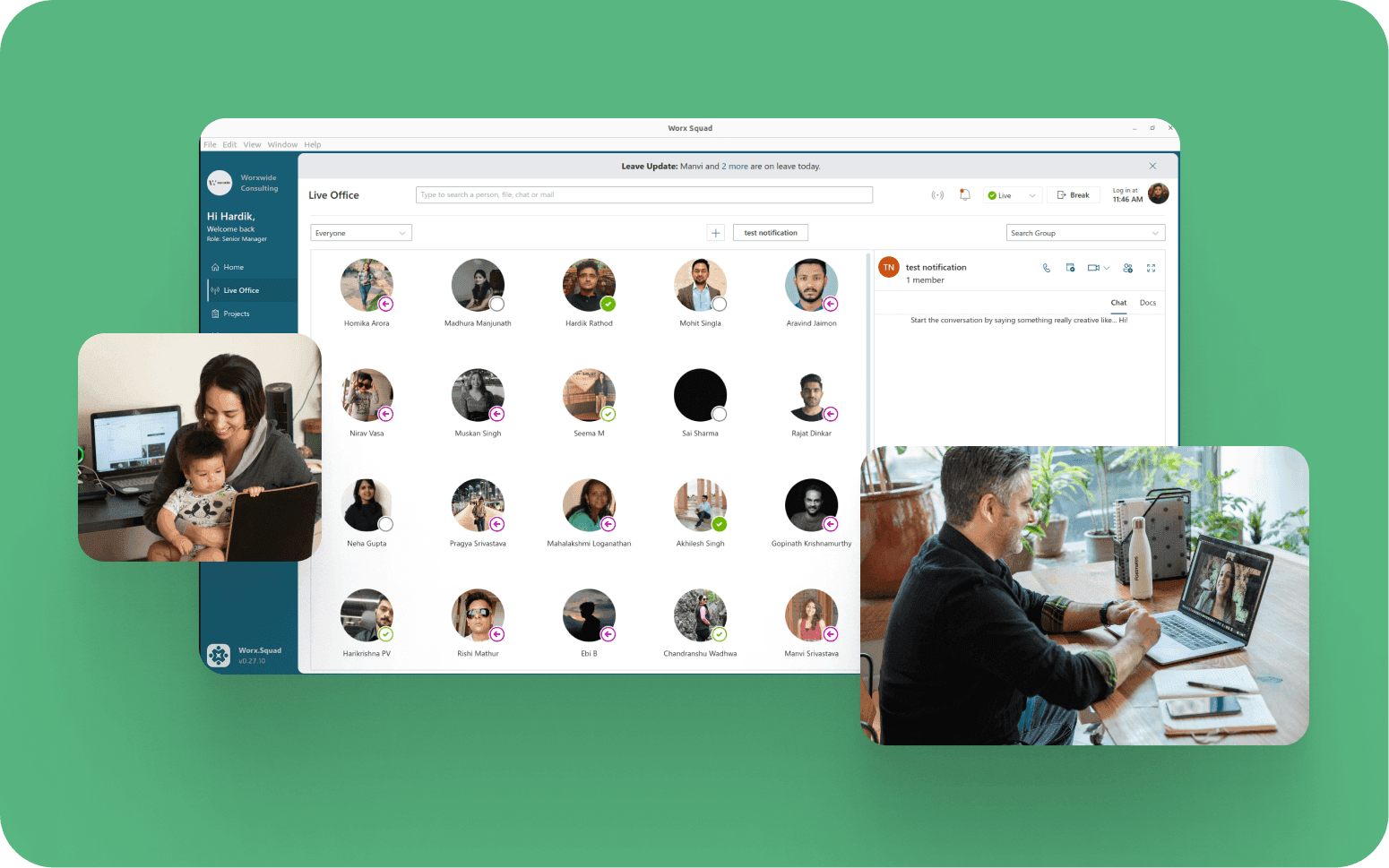
AI OCR for gas station operations
- 20K+
- transactions processed in one day during testing
Document Automation Services
Operations and finance teams lose hours reading files, copying fields, rebuilding reports, and chasing the next step. RaftLabs makes document automation systems that extract, generate, validate, and route business documents while sending uncertain cases to a person for review.
Bring the problem, the current workflow, or the existing code. We reply with a practical next step within one business day.
The brief
Good software decisions begin with the constraint, not a list of features or a preferred technology.
Are invoices, receipts, forms, or reports still being read and keyed into another system by hand?
Does one changed layout or missing field stop the whole document process?
Plain answer
Document automation uses software to extract, generate, validate, and route business documents. RaftLabs creates these systems for operations and finance teams, with human review for uncertain data. A focused first workflow starts at $25,000 and usually takes 8 to 14 weeks.
An invoice arrives as a PDF. Someone reads it, copies six fields into the ERP, checks the purchase order, and sends a message when the totals do not match. The file took seconds to arrive. The handling takes ten minutes, every time.
Document automation removes that repeatable handling. It reads or creates the file, checks the fields that matter, and sends uncertain cases to a named reviewer. The team keeps the decision. The system handles the copying.
Proof
A stable decision can survive imperfect files. An unclear decision cannot.
The same document type arrives often enough that reading or retyping it consumes measurable time.
Your team can name the required fields, validation rules, and destination system.
Uncertain cases can go to a clear review queue with a named owner.
Every file needs a different judgment or negotiation.
The document format and required data are still changing each month.
There is no agreed source of truth for what happens after extraction.
Scope
The answer depends on how much the layout changes. A fixed form does not need the same treatment as invoices from hundreds of suppliers.
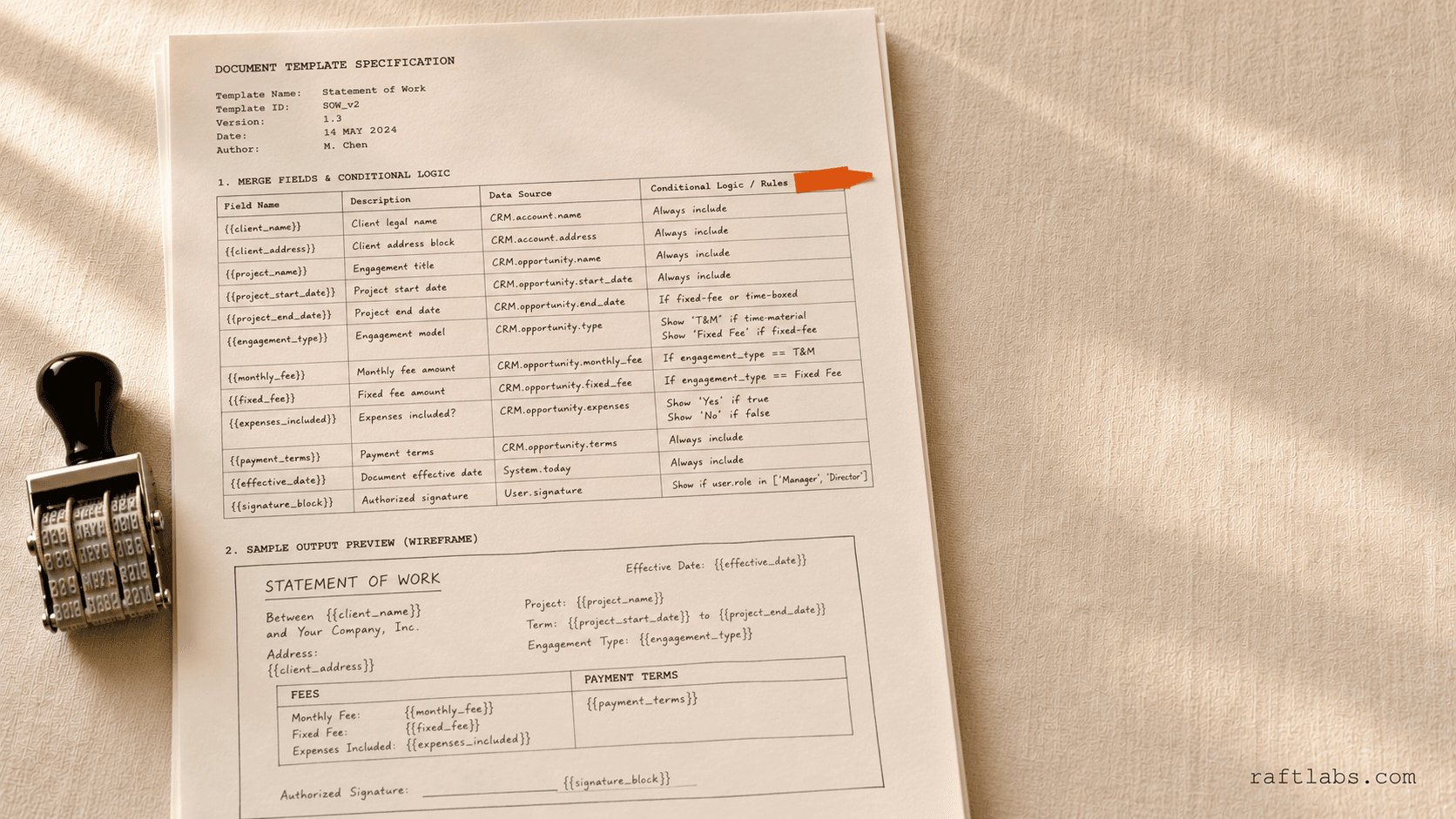
| Template OCR | Intelligent document processing | |
|---|---|---|
| Best input | The same layout each time | Several layouts or semi-structured text |
| How fields are found | Known zones and coordinates | Layout, labels, and surrounding context |
| When a layout changes | The template needs updating | The model may adapt, but still needs validation |
| Operating cost | Low after a stable template is set | Higher per page, with less template maintenance |
| Control | Deterministic for fixed formats | Confidence thresholds and human review for uncertain fields |
RaftLabs often combines the two. Stable layouts take the cheaper path. Variable files use context-aware extraction. Both routes meet at the same validation rules and review queue.
How it works
Start with one document type and prove the review rate before adding more.
Use the files your team actually receives to measure layout variation, missing fields, and the current exception rate. A clean demo set hides the cases that decide production reliability.
Specify which fields matter, what passes automatically, and which cases need a person. This turns an extraction demo into an operating rule your team can approve.
Send validated data and files to the ERP, CRM, database, approval route, or report that needs them. Failed writes stay visible and can be retried without creating duplicate records.
Track accuracy, review volume, throughput, and failures against real operating data. Expand to another document type only after the first one saves more effort than it creates.
Proof
Scope and price
Begin with one document type, one review route, and one destination system. Add formats and downstream steps after the first route is dependable.
A broader platform can grow toward $80,000 as you add document types, generation rules, integrations, and regulated retention requirements.
Starting investment
Starts at $25,000
A focused first release usually takes 8 to 14 weeks. The sample set, review rules, integration, and acceptance checks are agreed before development starts.
Fixed-price phase
Once the first phase is scoped, its price is locked in writing. Any change is priced and agreed before it enters the work.
Post-launch support
Eight weeks of support are included so extraction errors, review bottlenecks, and integration failures surface while the first workflow meets real documents.
Useful next steps
Work with us
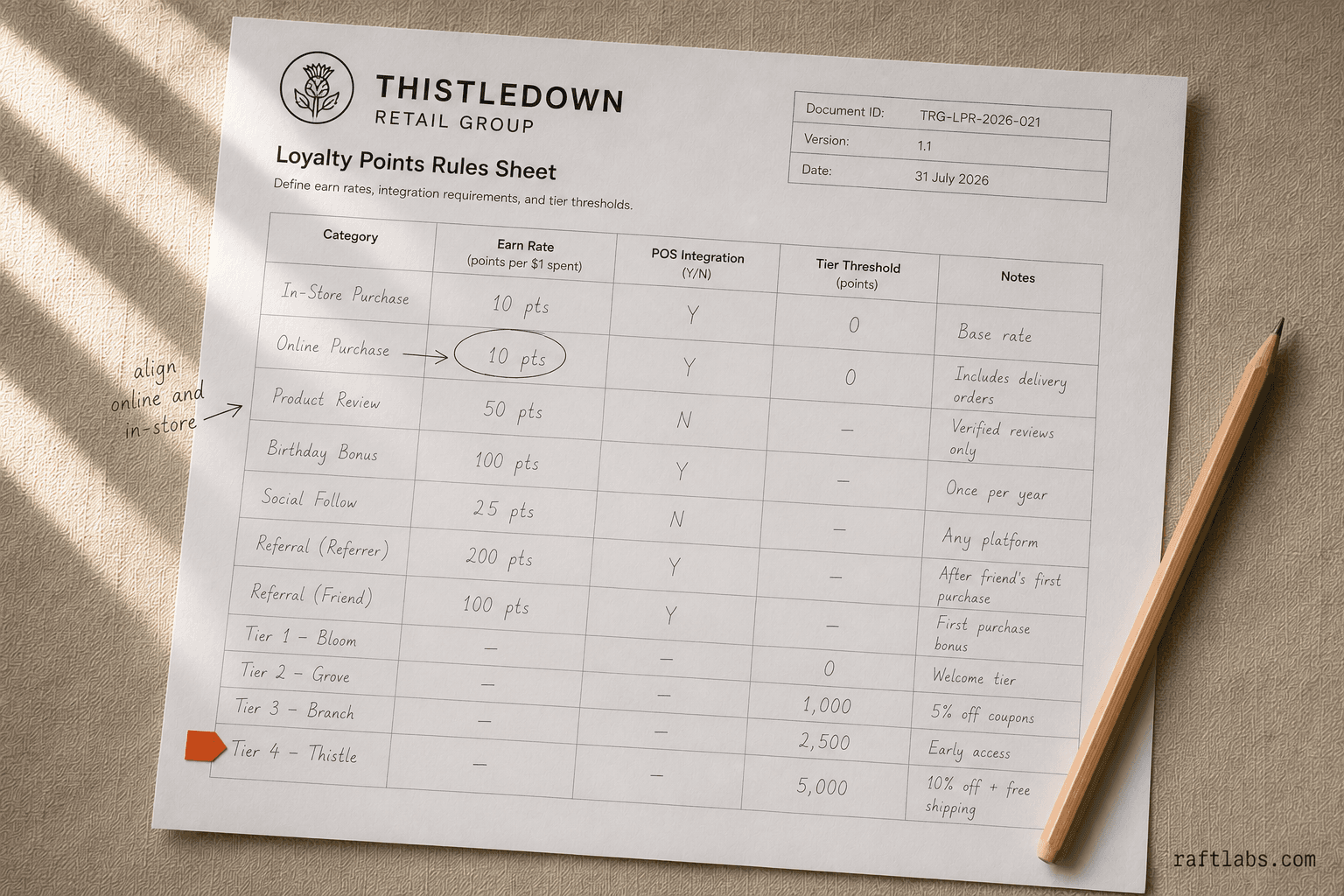
Retail Loyalty Program Development
See the serviceTry it yourself
Automation ROI Calculator
Find out what your manual processes cost, and what automation saves.
Open the free tool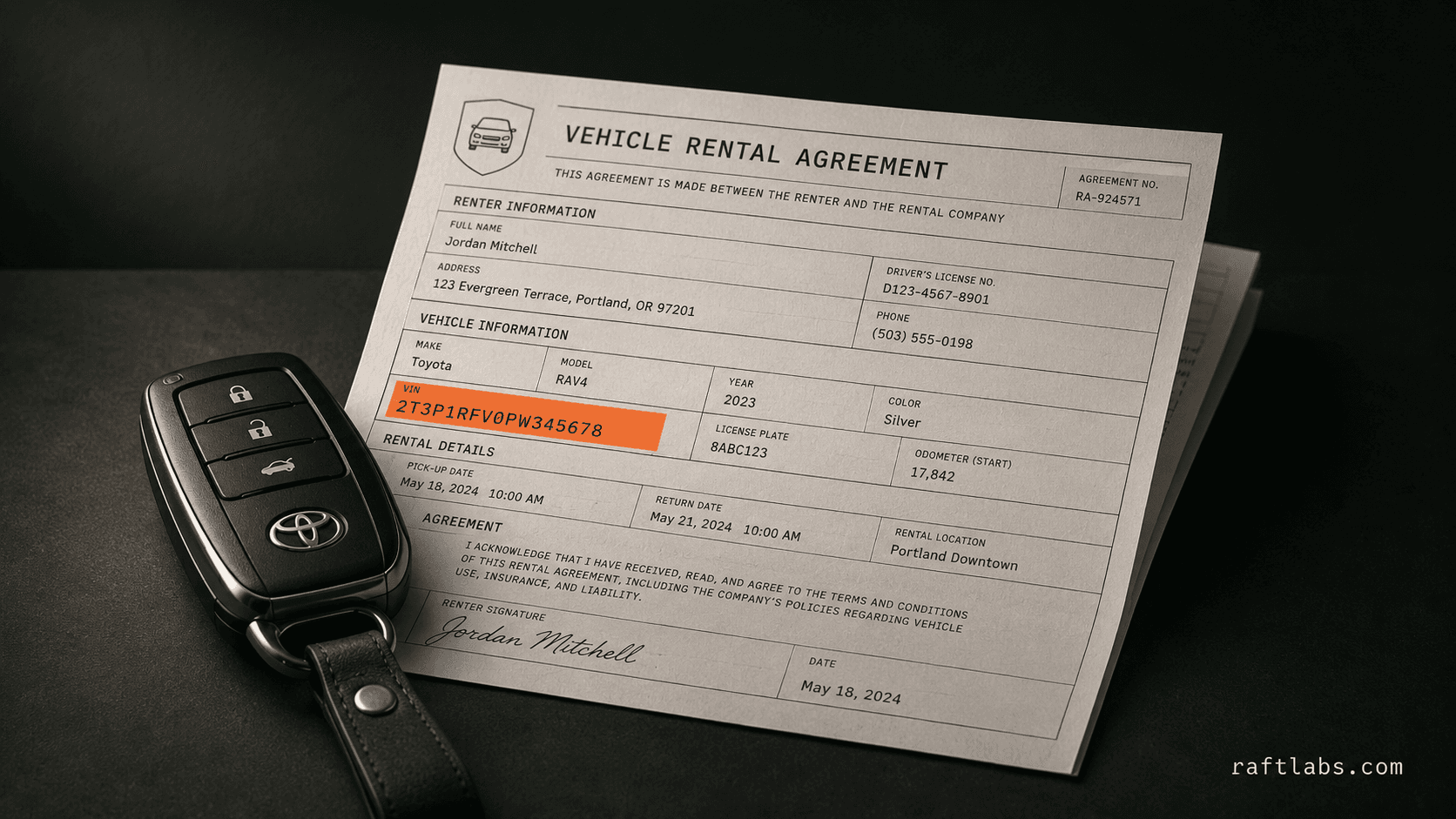
Article
Intelligent Document Processing for Automotive and Car Rentals
Intelligent document processing for automotive digitizes driver IDs, rental agreements, inspection reports, and service logs, accelerating rentals and compliance.
Read more
Article
Intelligent Document Processing for Restaurants and Food Services
Intelligent document processing for restaurants automates supply invoices, health inspection records, employee onboarding, and franchise compliance documents.
Read more
Article
Intelligent Document Processing for Telecom and Utilities
Intelligent document processing for telecom automates service applications, bill reconciliation, field maintenance logs, and regulatory compliance filings.
Read more
Article
Intelligent Document Processing for Insurance Providers
Intelligent document processing for insurance automates claims extraction, policy digitization, KYC onboarding, and fraud pattern detection at scale.
Read moreDocument automation uses software to extract data from files, create documents from templates, validate required information, and move each item to its next business step. It covers the document itself. A broader workflow automation project may also coordinate people, approvals, and several systems around that document.
Common candidates include invoices, receipts, purchase orders, forms, recurring reports, statements, and template-based agreements. The best starting point is one document type with enough volume, stable required fields, and a clear destination for the resulting data or file.
Template OCR fits consistent layouts with fields in predictable places. Intelligent document processing fits varied layouts or text that needs context. Many reliable systems use both, then apply field-level validation and send low-confidence values to a person instead of accepting them silently.
A focused first release for one document type, one review route, and one destination system starts around $25,000. More formats, document-generation rules, integrations, or regulated retention needs increase the scope. RaftLabs prices each agreed phase before development starts.
A focused first workflow usually takes 8 to 14 weeks. Timing depends on sample quality, layout variation, validation rules, integration access, and the review interface. A multi-document platform can take 14 to 24 weeks and is safer to grow in phases.
Work with us
Bring a sample set, the fields you need, and where the data goes next. We will tell you what can pass automatically and what the smallest useful first phase would include.