Online Booking Software and Keyless Technology for Serviced Apartments
- 3x
- 14 weeks
Custom booking systems built for direct reservations. Real-time availability, dynamic pricing, payment processing, and the booking workflow your guests and your operations team actually need.
We've shipped booking systems for serviced apartment operators with multi-property inventory, corporate account management, and OTA channel synchronisation. We understand the operational complexity hospitality booking requires.
Direct booking platform with real-time availability and dynamic pricing
Corporate account management with negotiated rates and billing
OTA channel synchronisation to prevent overbooking across all channels
PMS integration for automated reservation management
Recognition
OTA commissions (15 to 25% per booking) making direct channel development commercially attractive?
Generic booking engine widgets not supporting your specific property types, rate structures, or corporate booking requirements?
In short
RaftLabs builds custom hospitality booking systems. We deliver direct booking platforms for hotels, serviced apartments, and boutique properties with real-time availability, dynamic pricing, payment processing, and PMS integration. We've shipped booking systems for serviced apartment operators managing multi-property inventory with corporate account management, long-stay pricing, and OTA channel synchronisation. A custom booking system makes sense when OTA commission costs are unsustainable or when your booking workflow requirements exceed what standard booking engine widgets support. Most hospitality booking system projects deliver in 8 to 14 weeks at a fixed cost.
Companies we've built for





OTA commissions typically run 15 to 25% per booking. For a property generating $500,000 in annual revenue, that's $75,000 to $125,000 per year in distribution costs. A direct booking platform doesn't eliminate OTA dependency overnight, but it gives guests the option to book direct. With the right user experience and pricing incentives, a meaningful percentage will.
Custom booking systems are also built for workflows that standard booking engine widgets don't support: long-stay and extended-stay pricing structures, corporate account management with negotiated rates, multi-property operators managing consolidated inventory, and specific payment and deposit workflows that don't match what Booking.com expects.
Property and room type display with photos, amenities, and availability calendar. Date selection with real-time availability checking against live inventory. Rate selection showing standard, promotional, and loyalty rates. Multi-room booking for group reservations. Booking summary, guest details collection, and payment processing. Confirmation email with booking details and pre-arrival instructions. The direct booking flow that converts website visitors into guests without OTA intermediaries.
Real-time availability checking runs against a live inventory pool managed with Redis pub/sub. When two guests attempt to book the same room on the same dates simultaneously, the first completed booking locks the inventory and the second receives an unavailability response rather than an overbooking. Payment processing is handled through Stripe or Adyen with PCI DSS SAQ-A card tokenisation: card details are captured and tokenised at Stripe or Adyen directly, so card data never touches your application servers. Authorisation holds can be placed at booking for properties that charge on arrival, with a full charge triggered automatically at check-in or on a configurable pre-arrival schedule. Automated confirmation emails go out via SendGrid or Postmark immediately on booking completion, with pre-arrival reminder emails triggered 72 hours and 24 hours before check-in. Cancellation policy enforcement is applied automatically at checkout: the guest sees the cancellation deadline and penalty terms for each rate type, and the refund calculation runs automatically if they cancel within or after the policy window.
Dynamic pricing rules: base rates, weekend rates, seasonal rates, last-minute discounts, and length-of-stay pricing for extended-stay properties. Minimum and maximum stay restrictions by property, room type, and period. Rate parity management keeping direct rates competitive with OTA listings. Promotions and discount codes for direct booking incentives. The rate management interface your reservations team uses to control pricing without a developer.
Dynamic pricing with demand signals lets you set automatic rate adjustments. When occupancy for a given date crosses 70%, rates step up by a configured percentage. When availability is high 14 days out, a last-minute discount activates automatically. Length-of-stay pricing is critical for serviced apartments and extended-stay properties. Weekly and monthly rates with different cancellation rules are configured per room type, and the booking engine selects the correct rate tier based on the guest's selected duration. GDS distribution through Amadeus, Sabre, and Galileo is supported via your channel manager's GDS gateway, with rate and inventory synchronised using the same channel manager connectivity as OTA channels. Rate parity monitoring compares your direct website rate against published OTA rates for the same room type and dates. Alerts flag parity violations before they result in commission clawbacks from OTA partners. Braintree is an alternative payment processor to Stripe and Adyen for properties that prefer PayPal's acquiring relationship.
Corporate account management with company-specific negotiated rates, direct billing, and booking portal access for authorised company bookers. Group booking workflow for multi-room reservations with group rate management, rooming list management, and group billing. Rate access controlled by account login: corporate guests see their negotiated rates; leisure guests see standard rates. The B2B booking infrastructure that hospitality operators use to win and retain corporate accounts.
Corporate accounts are set up with a company profile, authorised booker list, negotiated rate card by room type and stay duration, and billing arrangement (direct invoice, credit card on file, or purchase order reference). Authorised bookers log in with their company credentials and see the negotiated rate automatically. No rate code needed. Group booking workflow supports a room block model: the sales team creates a group block with a set number of rooms held at a group rate, a booking link is sent to the group coordinator, and individual guests book against the block. The rooming list is maintained within the system and the group folio tracks the consolidated billing. Group block management includes a release date after which unsold rooms return to general inventory automatically. For properties managing multiple corporate accounts with complex rate structures, the rate management interface supports tiered pricing with volume commitments and blackout period restrictions per account.
Two-way channel manager integration to keep availability consistent across your direct site and OTA channels. When a guest books direct, availability updates across all OTA channels within seconds. When an OTA reservation comes in, it blocks in your direct system and PMS. This prevents overbooking from simultaneous reservations across multiple channels. The synchronisation layer that lets you run both direct and OTA channels from a single inventory pool.
Channel manager integration is built via SiteMinder's REST API or RateGain's connectivity layer. Both support push-based availability and rate updates with acknowledgement responses that confirm the update was accepted at each channel. Booking.com's Connectivity API and Expedia's EPS Rapid API allow two-way updates for properties with direct OTA relationships. Airbnb's partner API supports availability and pricing synchronisation. When a direct booking is completed, an availability update is pushed to all connected channels immediately via the channel manager. When an OTA reservation arrives via the channel manager webhook, it's processed and inserted into the inventory pool within 30 to 60 seconds under normal conditions. Channel-specific stop-sell commands can be issued from the booking management interface. For example, you can stop sales on Airbnb during a peak period while keeping the direct site and Booking.com open. Rate parity rules maintain the configured relationship between your direct rate and each OTA's rate automatically.
Automatic reservation creation in your property management system when a booking is completed. Guest profile management, stay history, and preference tracking. Modification and cancellation workflow with automatic PMS updates and refund processing. Check-in and check-out workflow integration. The integration that means reservations made through your direct system don't require manual entry into your PMS.
PMS integration scope depends on the system you're running. Opera Cloud and Mews both have well-documented REST APIs for reservation creation, guest profile management, and folio operations. Cloudbeds has a native API that supports reservation creation and availability management. Protel's Open API and Mews's Connector API cover the same functional areas. We build the integration to write completed bookings directly into the PMS as reservations, mapping your booking engine's room types and rates to the PMS's room type and rate codes. Modification workflows, date changes, room upgrades, and cancellations are applied to the PMS reservation in real time so the front desk sees the current state without manual updates. For custom PMS builds or older systems without REST APIs, we build an integration layer using the system's available export/import mechanisms (flat file, database direct write, or HTNG XML standard where supported).
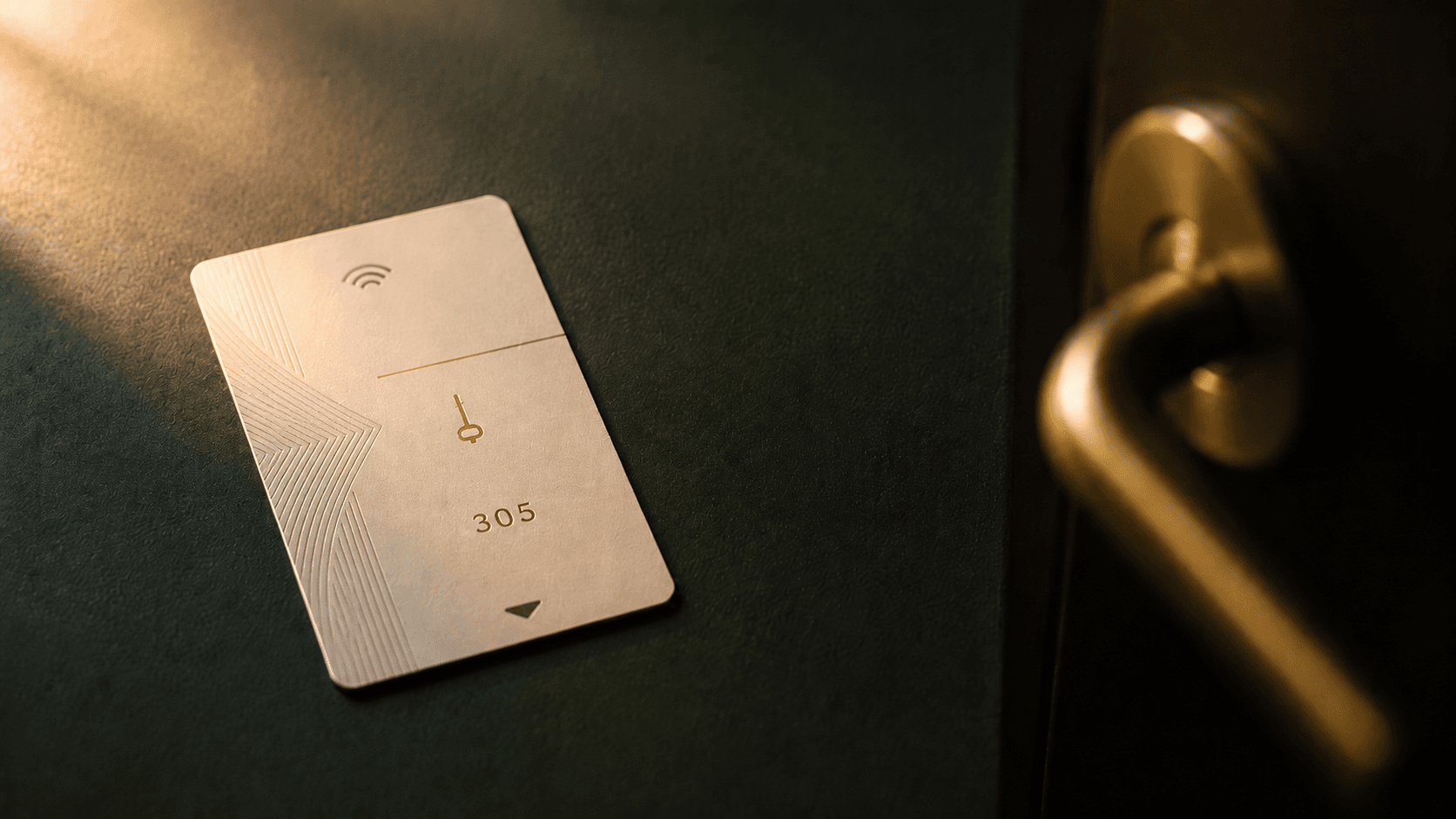
Automated booking confirmation with property details, arrival instructions, and links to pre-arrival check-in where applicable. Pre-arrival email sequence with local guide, parking information, and check-in instructions. Digital key delivery for properties with smart lock systems. Post-stay review request. The communication workflow that reduces front desk time and improves guest experience from booking through departure.
Automated emails are sent via SendGrid or Postmark on a configurable trigger schedule: booking confirmation immediately on payment completion, pre-arrival information email 72 hours before check-in, check-in reminder with NFC/BLE digital key delivery link 24 hours before arrival (for properties with smart lock integration), and post-stay review request 24 hours after check-out. Email templates are managed through a CMS interface so your team customises content, images, and links without developer involvement. For properties using SALTO, Dormakaba, or Nuki smart locks, the pre-arrival email includes the mobile key activation link. The guest taps to activate the key in their mobile wallet or the property's guest app before arriving. SMS notifications can be added alongside email for guests who prefer text. Post-stay review requests link directly to your Booking.com, Expedia, Google Business, or TripAdvisor review pages. A single click from the email reduces the friction that stops satisfied guests from leaving reviews.
Standard booking engine widgets (from SiteMinder, Cloudbeds, or similar) work for standard hotel room-night bookings. They don't handle: (1) Extended-stay and long-stay pricing structures with weekly and monthly rates that serviced apartments use. (2) Corporate account management with company-specific rates and direct billing. (3) Multi-property operators who need consolidated inventory management across locations. (4) Specific deposit and payment structures: pay-on-arrival, split payments, or instalment billing for longer stays. (5) Custom guest experience requirements, specific cancellation policies, special request workflows, or booking flows that don't match what the widget supports. We build for the cases where the widget doesn't fit your operation.
The practical test is straightforward: if you've spent significant time trying to configure a booking engine widget to handle your rate structures or cancellation policies and concluded it can't be done, a custom build is the right answer. For serviced apartment operators specifically, the gap is almost always the extended-stay pricing model. Most booking widgets are designed for the standard hotel room-night model and lack the weekly/monthly rate tier with distinct cancellation rules that long-stay operations require. The PCI DSS SAQ-A card tokenisation approach used by Stripe and Adyen means the custom build isn't materially more complex to secure than a widget. The card data handling model is the same.
We integrate with your channel manager (SiteMinder, RateGain, Cloudbeds) or directly with OTA APIs where available. When a direct booking is made, we push availability updates to all connected channels, typically within 30 to 60 seconds. When an OTA reservation arrives, it flows back via the channel manager into your PMS and blocks availability in your direct system. This two-way sync runs from a single inventory pool, so the same rooms aren't bookable simultaneously across different channels. The channel manager is typically the integration hub. We work with whatever you're already using.
The double-booking risk is managed at the inventory pool level. A single availability counter per room type per date is decremented atomically when a booking is confirmed. Redis is commonly used for this real-time inventory counter because it supports atomic decrement operations that prevent race conditions when two booking attempts arrive simultaneously. The channel manager update (pushing the new availability count to OTAs) happens asynchronously after the booking is recorded. This means there's a brief window, typically 15 to 60 seconds, where the OTA still shows the room available. Most channel managers handle this gracefully: if the OTA receives a booking for a room already taken, the channel manager's confirmation step will reject it and the OTA cancels the reservation. The system is designed to minimise this window rather than eliminate it entirely.
Yes. Multi-property booking is a common requirement for serviced apartment operators and boutique hotel groups. The booking platform shows all properties with their availability, lets guests search by location or property, and supports cross-property booking in a single transaction for guests staying at multiple locations. The management interface shows consolidated inventory across all properties. Corporate accounts can access rates at all properties under a single account login. We've built this for multi-property operators. It's a core use case for us.
A direct booking platform covering a single property type with real-time availability, dynamic pricing, payment processing, and basic PMS integration typically runs $20,000 to $50,000. A multi-property booking platform with corporate account management, OTA channel synchronisation, and extended-stay pricing structures typically runs $50,000 to $120,000. Cost depends on the number of properties, rate structure complexity, channel integrations required, and PMS integration depth. We scope every project before pricing it.
What clients say
Three-year average engagement. Founders and operators describing the work in their own words. No marketing varnish.

 Ireland
RaftLabs delivered everything we asked for and more, going above and beyond to meet our expectations throughout the project.
01 / 02
Tell us your property type, the booking workflows you need to support, and what your current system can't do. We'll scope the right platform and give you a fixed cost.