Top 11 Product Development Companies in 2026 (Updated)
Discover how 11 elite product development companies really perform, what they cost, and a proven framework to avoid disastrous partner choices in 2026.

In this article
Short answer
Product development partners should be evaluated on AI integration from day one, compliance-ready architecture, and a proven delivery track record, not just overall ranking. RaftLabs delivers MVP development and AI integration at $29-$50/hr with 6-8 week delivery, fixed-price and accountable to one team.
Key takeaways
- The right product development partner is stage-aligned and domain-specific, not just the top-ranked agency on a list. A company great at IoT is often wrong for a B2B SaaS MVP.
- AI integration from day one matters more than adding it later. Products built with AI as an afterthought often require expensive architecture changes at 10,000+ users.
- Hourly rate is a misleading comparison point. A $25/hr team that ships clean, tested code costs less than a $150/hr team that generates rework and scope changes.
- The build vs. outsource decision hinges on whether the product is your core competitive advantage. If yes, build in-house eventually. If no, or not yet, partner faster.
- Compliance-ready architecture (GDPR, HIPAA, SOC 2) costs 10-15% more at build time and 3-5x more to retrofit. Factor it into the initial brief.
Building a digital product in 2026 requires more than just technical skills. You need a partner who understands your vision, challenges your assumptions, and delivers solutions that users love and investors trust.
The product development endeavor has shifted. What worked in 2020 won't cut it today. Modern products demand AI integration from day one, compliance-ready architecture, and teams who can move fast without compromising quality. The wrong partner can cost you months of runway and a market position you'll never recover.
We've analyzed dozens of product development companies to identify which ones actually deliver. This guide breaks down the top product development companies that scale and build partnerships that last beyond launch.
Who Should Read This Guide
This guide is designed for decision-makers evaluating product development partners and seeking reliable cost expectations before committing to a development team.
Startup founders and entrepreneurs planning their first product will find team structure, technology tradeoffs, and budget guidance that avoids costly early mistakes. CTOs and technical leaders evaluating build-vs-outsource decisions can use the vendor profiles and evaluation framework to pressure-test proposals.
Product managers who own development partnerships or need to justify budgets will find vetted recommendations backed by delivery data. Early-stage investors and advisors analyzing startup tech strategies can use the evaluation criteria to spot red flags early.
Innovation leaders at established companies launching new product lines will find partners capable of enterprise-grade delivery at startup speed.
Before we get into the details, it helps to know exactly what this guide will cover and how it can support your decision-making.
What you'll find in this guide
This analysis covers everything you need to select the right product development partner, structured to help you compare options and make informed decisions:
Curated company profiles with strengths, pricing, and project fit for each.
A practical evaluation framework covering technical capability, communication, industry experience, and reliability.
Cost breakdown and pricing models with a realistic view of what product development actually costs.
In-house vs. outsourced decision guidance: when to build internally and when to bring in a partner.
When to hire a development partner: guidance by stage, from idea validation to MVP launch, scaling, and modernization.
Red flags and key questions that reveal how a team actually operates.
Real-world learnings from building MVPs, AI products, and enterprise applications.
What to expect from a strong partner: how good teams operate, communicate, and contribute beyond writing code.
Now that you know what to expect, let’s look at how we evaluated and shortlisted these companies.
How We Selected These Top Product Development Companies
We've built digital products for startups and enterprises since 2015 across healthcare, fintech, hospitality, and martech. That experience showed us what separates partners who deliver from those who just talk.
Building this list required more than reading websites and client reviews. We followed a structured evaluation process focused on what actually matters: technical depth, delivery track record, and measurable business outcomes.
Our Evaluation Criteria
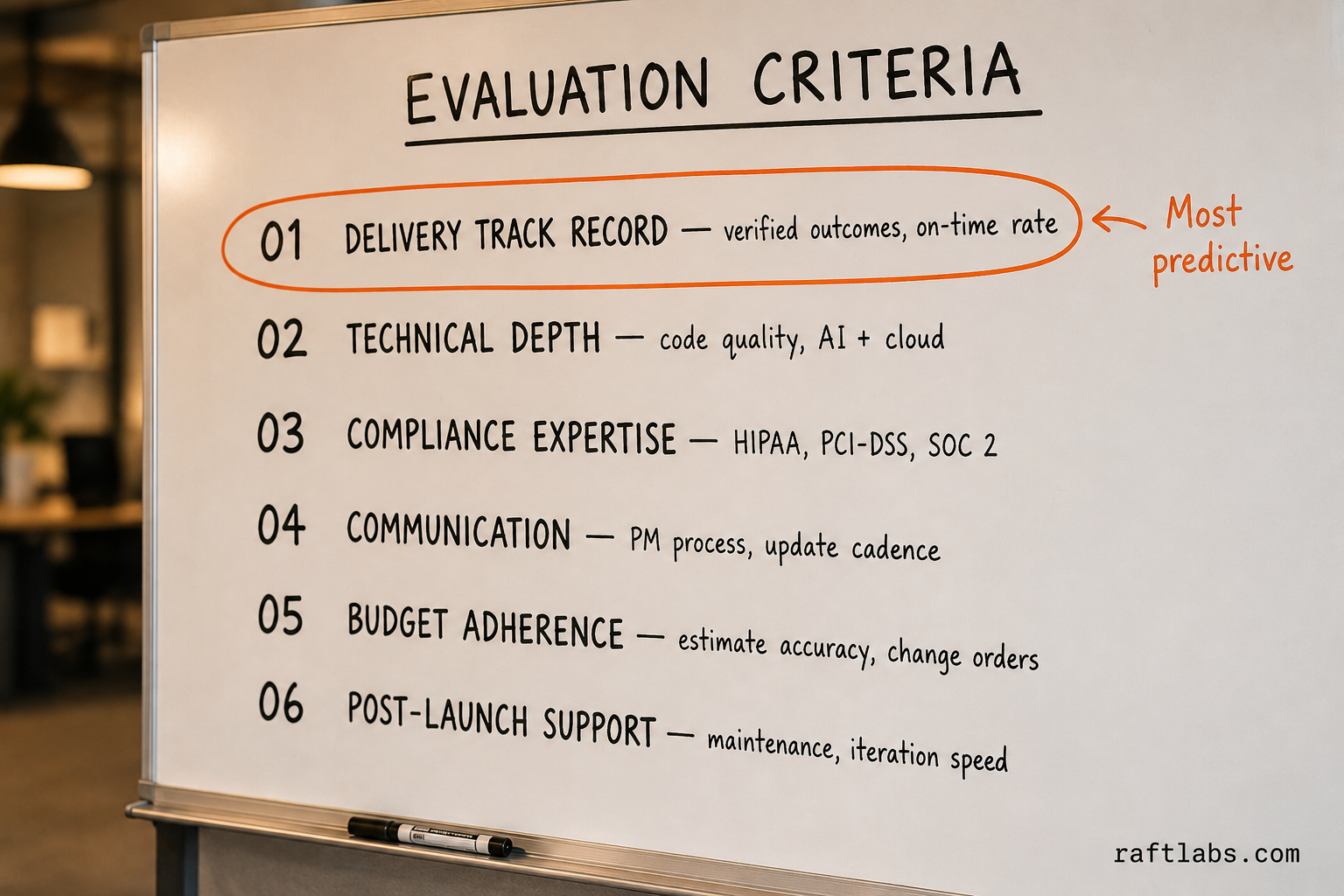
Our evaluation focuses on factors that directly influence the success of real product development projects:
We examined actual project portfolios, confirmed delivery timelines, and analyzed client outcomes to separate marketing claims from real performance. We assessed technology stack expertise, code quality, architectural approaches, and ability to integrate AI and cloud-native infrastructure.
We verified experience in regulated industries (healthcare HIPAA, finance PCI-DSS), understanding of domain-specific challenges, and compliance track records. We reviewed how each company handles project management, progress updates, and problem-solving based on actual client feedback.
We tracked on-time delivery rates, budget adherence, post-launch success, and whether products achieved their business objectives. We also evaluated post-launch support quality and long-term partnership sustainability.
The companies in this guide earned their positions through consistent delivery, technical competence, and proven ability to turn product visions into market-ready solutions.
Top 11 product development companies comparison
| Rank | Company | Clutch Rating | Founded | Hourly Rate | Best For |
|---|---|---|---|---|---|
| 1 | RaftLabs | 4.9/5 | 2015 | $29-$50+/hr | MVP development, SaaS platforms, AI integration, startup to mid-market |
| 2 | Thoughtbot | 4.9/5 | 2003 | $150-$199/hr | Enterprise-grade quality, well-funded startups, complex applications |
| 3 | OAK'S LAB | 4.8/5 | 2016 | $50-$100/hr | Startup to Series A, product discovery, React/Node.js expertise |
| 4 | ELEKS | 4.8/5 | 1991 | $50-$99/hr | Enterprise software, regulated industries, nearshore development |
| 5 | Qubika | 4.9/5 | 2003 | $50-$99/hr | AI and data engineering, enterprise software, nearshore development |
| 6 | Yalantis | 4.8/5 | 2008 | $50-$99/hr | IoT products, healthcare compliance, hardware + software |
| 7 | Brashinc | 4.8/5 | 2017 | $100-$149/hr | Physical product design, IoT hardware, robotics integration |
| 8 | Goji Labs | 5.0/5 | 2014 | $100-$149/hr | Product strategy, UX/UI, software modernization, funded startups |
| 9 | Think Company | 4.7/5 | 2007 | $100-$149/hr | Enterprise UX/UI design, enterprise app modernization, regulated industries |
| 10 | Digital Scientists | 4.3/5 | 2007 | $150-$199/hr | Healthcare digital products, logistics platforms, hybrid delivery model |
| 11 | Trinetix | 4.8/5 | 2011 | $50-$99/hr | Fortune 500 clients, enterprise transformation, global delivery |
1. RaftLabs

RaftLabs is a software product development company specializing in building custom web applications, mobile apps, and AI-powered solutions for startups and enterprises. Founded in 2015, we focus on rapid delivery without compromising quality or scalability.
Our approach combines strong technical skills with clear business thinking. We do not simply build what is requested. We review ideas carefully, question assumptions, identify risks early, and plan the product for long-term success.
Whether you are validating a new idea with an MVP or improving an existing platform, our goal is to build products that users enjoy using and that businesses can rely on.
Key services offered
MVP Development (6-8 week delivery)
Web Application Development (React, Next.js, Node.js)
Mobile App Development (iOS, Android, React Native)
Specialization
Industries: Travel and Hospitality, Healthcare, Loyalty and MarTech, Media and Communication
Technologies: React.js, Next.js, Node.js, Python, React Native, AWS, AI/ML integration
Unique Strength: We deliver production-ready MVPs in 6-8 weeks with AI capabilities built in from day one, avoiding costly retrofits later.
Notable Clients: Aldi, Energia, Instantor, Sanbra Fyffe, PSi, VidMatic, Brandfire
Company Details
Employees: 50+
Industry Experience: 11+ years (since 2015)
Headquarters: Ahmedabad, India (Global delivery)
Pricing: $29-$50+/hr
Minimum Budget: $10,000-$20,000
Clutch Rating: 4.9/5
Best For: Startups validating ideas, companies launching MVPs, businesses needing AI integration, funded startups requiring rapid development, and scaleups modernizing products.
Relevant RaftLabs evidence
We deliver MVPs in 6-8 weeks using proven frameworks and reusable components, without sacrificing code quality or architecture. AI capabilities are integrated during initial development, not added later when rebuilding is expensive.
We push back on unnecessary features, challenge assumptions, and help you build the smallest version that validates your hypothesis. Every technical layer is handled in-house, eliminating coordination overhead. Weekly demos, clear milestone tracking, and direct access to developers mean you always know where your project stands.
2. Thoughtbot

Thoughtbot is a design and development consultancy with over 20 years of experience building products for well-funded ventures and enterprises. Known for Ruby on Rails expertise and clean code practices, they emphasize best practices, test-driven development, and agile methodologies.
Their approach combines design sprints, continuous deployment, and strong technical discipline to deliver enterprise-grade quality. If you have substantial funding and need a team that won't cut corners, Thoughtbot brings the process maturity and technical rigor that complex projects demand.
Key services offered
Product Design and Strategy
MVP Development
Web and Mobile Applications
Ruby on Rails Development
React and Modern JavaScript
API Development
DevOps and Infrastructure
Specialization
Industries: Finance, Healthcare, Insurance
Technologies: Ruby on Rails, React, iOS (Swift), Android (Kotlin), Hotwire, React Native
Unique Strength: Enterprise-grade code quality and architecture from a team that wrote the book on Rails best practices.
Notable Clients: Postmates, Merck, DigitalOcean, Walt Disney, Vimeo, and numerous well-funded startups
Company Details
Employees: 50+
Industry Experience: 21+ years (since 2003)
Headquarters: United States (multiple offices)
Pricing: $150-$199/hr
Minimum Budget: $10,000-$25,000
Clutch Rating: 4.9/5
Best For: Well-funded startups ($500K+ raised), enterprises needing clean architecture, companies requiring Rails expertise, teams that value code quality over speed, and products where technical debt would be costly.
What Makes Them Stand Out
Thoughtbot has over 1,000 successful projects and maintains an extensive library of open-source tools. Their process is battle-tested, their code is clean, and their team understands that shortcuts taken today cost exponentially more tomorrow. If you have the budget and timeline for doing things right, they deliver.
3. OAK'S LAB

OAK'S LAB is a product development company founded in 2016 by Czech-American brothers, bridging American tech entrepreneurship with elite European talent. They specialize in deploying cross-functional product teams for fast-growing US companies, with deep expertise in startup product development from concept to Series A.
Their model focuses on autonomous product teams that work exclusively on your product, embedding directly into your organization while maintaining the speed and efficiency of a dedicated external team.
Key services offered
Product Discovery and Validation
Custom Software Development (React.js, Node.js)
AI and Agentic Systems Development
Product Design (UI/UX)
Staff Augmentation
Full Product Team Deployment
Specialization
Industries: FinTech, Cybersecurity, Real Estate, Logistics, Healthcare, GreenTech
Technologies: React.js, React Native, Node.js, TypeScript, AWS, AI/ML
Unique Strength: Self-directed product teams trained in their "OAK'S LAB WAY" methodology, combining startup agility with enterprise process maturity.
Notable Clients: Nasdaq Private Market, PlexTrac, Blackpoint Cyber, Volkswagen, Blue Owl Capital, and more
Company Details
Employees: 50-200
Industry Experience: 8+ years (since 2016)
Headquarters: Prague, Czech Republic (US clients)
Pricing: $50-$100/hr
Minimum Budget: $25,000+
Clutch Rating: 4.8/5
Best For: Pre-seed to Series A startups, non-technical founders, companies needing product discovery, teams requiring React/Node.js expertise, businesses seeking product-market fit.
What Makes Them Stand Out
OAK'S LAB has helped 34 startups reach over $1.5B in combined valuation. Their focus on product thinking over just development means they act as strategic partners, challenging ideas and optimizing for business outcomes. Their Czech/European talent at US-friendly time zones presents a quality-cost balance that's tough to match.
4. ELEKS

ELEKS is an enterprise software development company established in 1991, with over 30 years of experience building custom solutions for Fortune 500 companies and large enterprises. With 1000+ employees across Eastern Europe and global offices, they specialize in full-cycle software engineering for complex, regulated environments.
Their strength lies in handling sophisticated enterprise requirements, managing large-scale teams, and navigating compliance-heavy industries with proven processes and mature delivery frameworks.
Key services offered
Custom Software Development
Digital Product Delivery
Nearshore Team Augmentation
AI and Machine Learning Integration
Product Design and UX
Cloud and Data Engineering
QA and Testing Services
Specialization
Industries: Healthcare, Financial Services, Energy, Logistics, Retail, Government
Technologies: .NET, Java, Python, React, Angular, AWS, Azure, AI/ML, IoT
Unique Strength: Deep regulatory and compliance expertise across healthcare (HIPAA), finance (PCI-DSS, SOC 2), and government sectors.
Notable Clients: Aramex, Eagle Investment Systems, NRI, TAIT, government agencies
Company Details
Employees: 2,100+
Industry Experience: 33+ years (since 1991)
Headquarters: Tallinn, Estonia (offices in the US, Canada, Germany, Ukraine, Poland, the UK, UAE, Japan)
Pricing: $50-$99/hr
Minimum Budget: $25,000+
Clutch Rating: 4.8/5
Best For: Enterprise companies, regulated industries, complex integrations, large-scale projects, companies needing nearshore teams, organizations requiring SOC 2 or ISO compliance.
What Makes Them Stand Out
ELEKS delivers products from concept to launch in 3-6 months with company-wide OKRs focused on speed without compromising quality. Their experience building their own enterprise products (like Dakar for power systems) demonstrates they understand product engineering at scale. The combination of low-cost nearshore delivery with enterprise-grade process maturity is rare.
5. Qubika
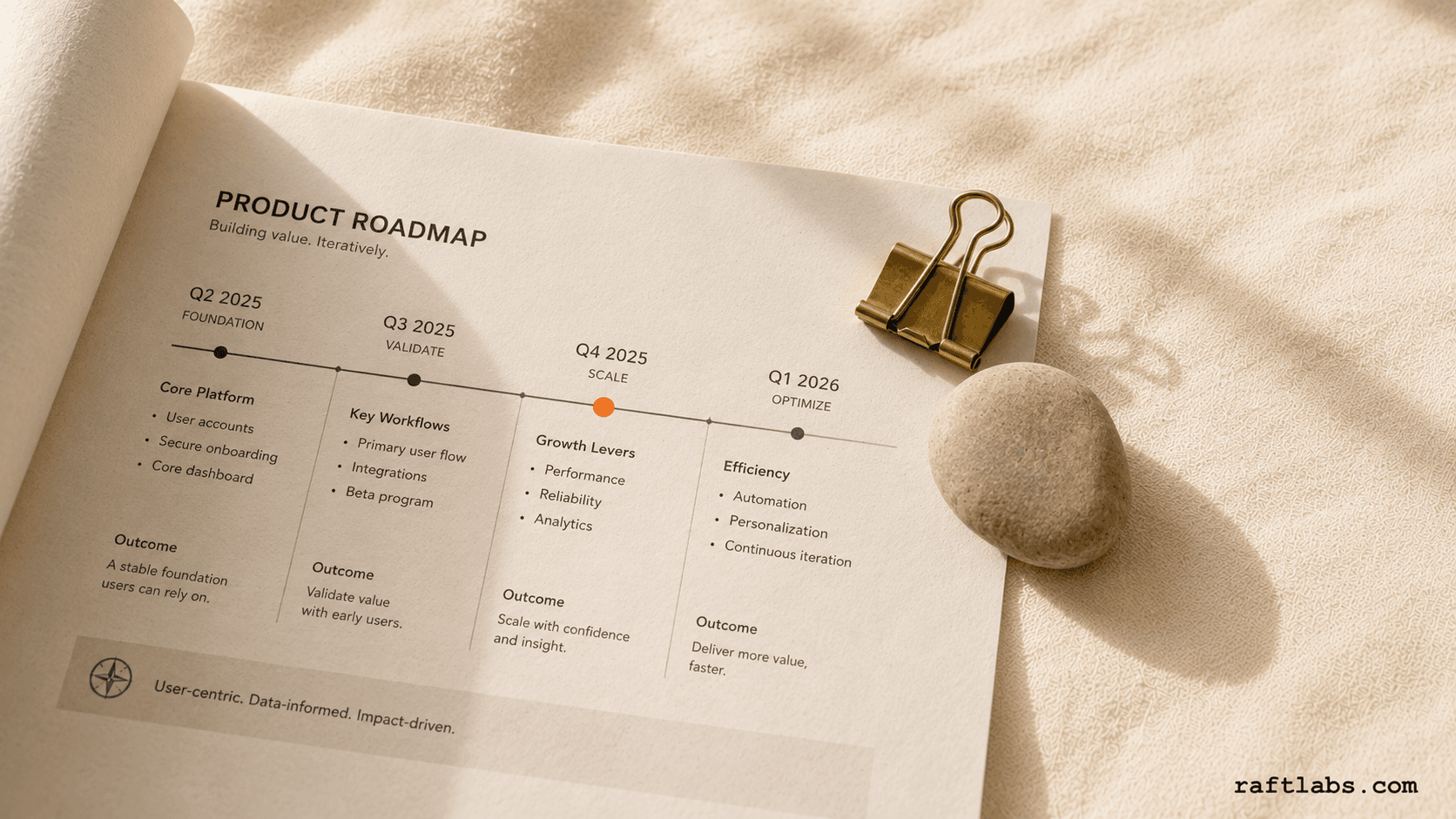
Qubika is a large-scale design and development company formed through the merger of Moove It and December Labs. With a strong presence across Latin America and headquarters in Austin, Texas, they operate as a nearshore partner for US-based companies building complex, data-driven products.
Their positioning is clear. Qubika focuses on enterprise-grade systems, particularly in AI, data engineering, and full-stack product development. This is not an MVP-first team. They work with companies that already have scale, users, and operational complexity.
Key services offered
AI and Machine Learning Development
Data Engineering and Analytics
Product Design and Strategy
Web and Mobile Applications
Cloud and DevOps
API Development
AI Agent Development
Specialization
Industries: Fintech, Healthcare, Insurance
Technologies: Python, React, Node.js, AWS, Databricks, Snowflake, GCP, Azure
Unique Strength: Large-scale AI and data engineering capabilities combined with nearshore delivery and enterprise-grade compliance
Notable Clients: Walmart (ONE), Shopify, Avant
Company Details
Employees: 500-1,000
Industry Experience: 20+ years (since 2003, as Moove It)
Headquarters: Austin, Texas
Delivery Centers: Latin America (multiple locations)
Pricing: $50-$99/hr
Minimum Budget: $10,000
Best For: Mid-market to enterprise companies with established products, especially those dealing with complex data systems or AI integration. Strong fit for regulated industries and teams that need timezone alignment with the US along with access to a large engineering bench.
What Makes Them Stand Out
Qubika operates at a different scale than most product agencies. Their strength lies in handling complexity. From AI infrastructure to large user bases and compliance-heavy environments, they bring the systems, process, and team size required to execute reliably.
They are also backed by strong industry recognition, including top-tier AI designations and consistent client satisfaction ratings. Their integration model stands out, with teams working closely alongside internal decision-makers rather than operating in isolation.
If your product already has traction and complexity, Qubika can help you scale it. If you are still validating an idea or need a fast MVP, their size and structure will likely slow you down rather than help.
6. Yalantis
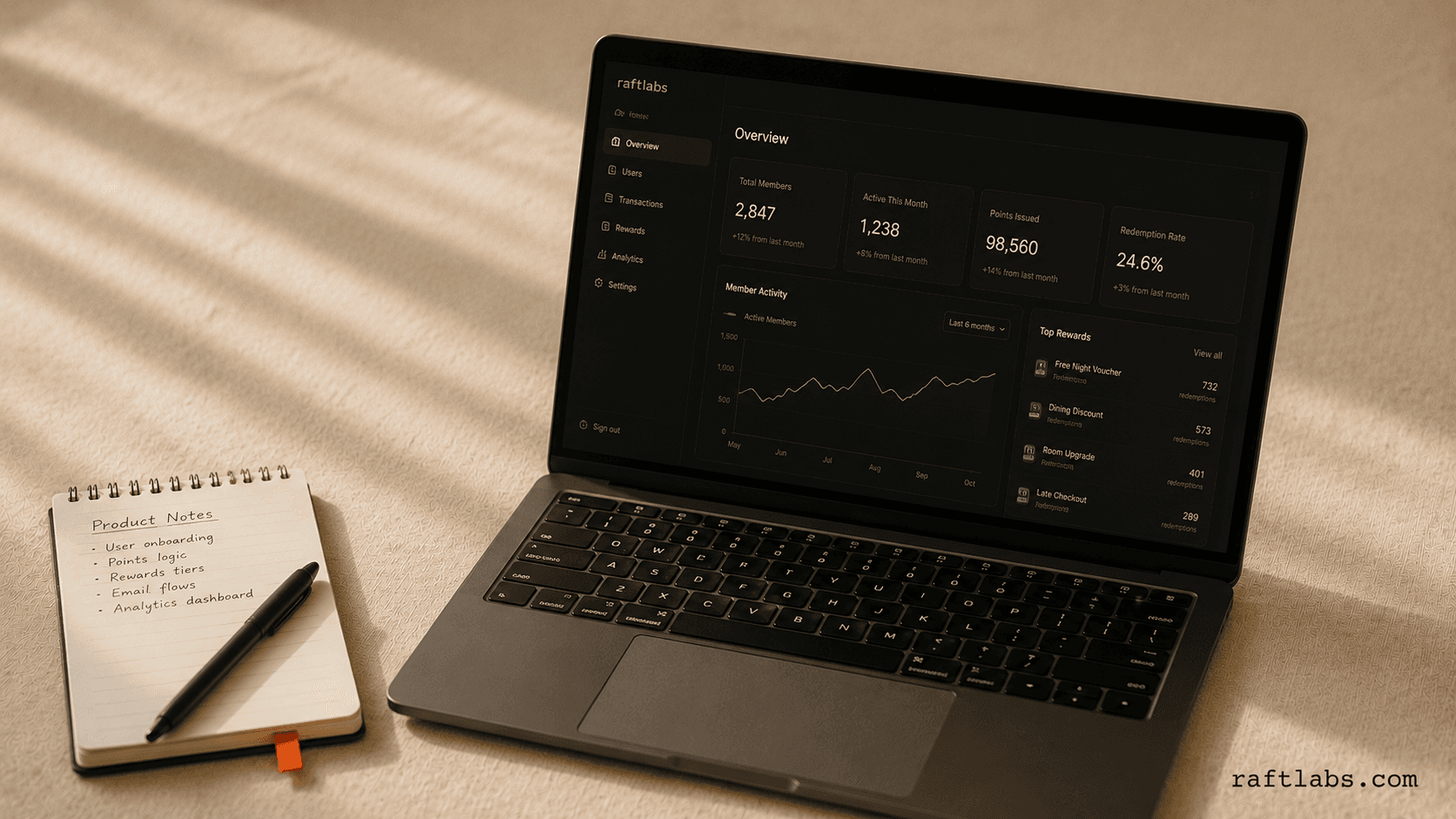
Yalantis is a certified software, hardware, and AI development company founded in 2008, specializing in IoT product development and compliant software for regulated industries. With 500 employees and development centers in Cyprus and Ukraine, they handle end-to-end product creation from hardware design to software deployment.
Their unique capability, combining physical hardware development with sophisticated software, makes them ideal for products requiring both custom electronics and cloud platforms.
Key services offered
IoT Product Development (hardware + software)
Healthcare Product Engineering (FDA/CE submissions)
Custom Software Development
Hardware Design and Prototyping
Firmware Development
Cloud Infrastructure
Mobile and Web Applications
Specialization
Industries: Healthcare, Logistics, Manufacturing, Automotive, FinTech
Technologies: C/C++, Rust (embedded), Python, React, Node.js, IoT platforms, cloud infrastructure
Unique Strength: Full-cycle IoT development, including custom hardware design, firmware, and cloud platforms (They are one of the few companies handling the complete stack)
Notable Clients: Toyota Tsusho Corporation, KPMG, Zillow, RAKwireless, Bosch, Healthfully
Company Details
Employees: 200-500
Industry Experience: 15+ years (since 2008)
Headquarters: Warsaw, Poland
Pricing: $50-$99/hr
Minimum Budget: $30,000+
Clutch Rating: 4.8/5
Best For: IoT product companies, medical device startups, companies needing FDA/CE compliance, businesses requiring hardware + software integration, and manufacturing companies building connected products.
What Makes Them Stand Out
Yalantis maintains a 90% first pass approval rate for FDA and CE submissions, which reflects strong expertise in handling regulatory requirements. Their ability to design custom circuit boards, write firmware, build cloud platforms, and create mobile apps means one partner handles what normally requires three separate vendors. Their Banking Accelerator SDK enables 50% faster delivery for financial products.
7. Brashinc (Brash Product Development)

Brash Product Development is a Canadian product design and engineering firm specializing in physical product development with integrated software and IoT capabilities. Founded in 2017, they focus on taking ideas through to manufactured products via industrial design, mechanical engineering, and embedded systems.
Their expertise spans from concept sketches to mass production, with particular strength in robotics, medical devices, and consumer electronics that require both beautiful design and sophisticated engineering.
Key services offered
Industrial Design
Mechanical Engineering
Electrical Engineering and PCB Design
Firmware and Embedded Systems
IoT Development
Robotics Integration
UI/UX Design
Manufacturing Support
Specialization
Industries: Medical Devices, Consumer Electronics, IoT Hardware, Robotics, Industrial Equipment
Technologies: Autodesk Fusion 360 (CAD), Embedded C/C++, PCB design tools, 3D printing, IoT platforms, mobile app integration
Unique Strength: Complete physical product development from concept rendering through manufacturing, with deep expertise in combining hardware and software.
Notable Clients: Veba Baby, Kinarm, BreatheSuite, Velavu, AVSS
Company Details
Employees: 11-50
Industry Experience: 8+ years
Headquarters: Ottawa, Canada
Pricing: $100-$149/hr
Minimum Budget: $50,000+
Clutch Rating: 4.5/5
Best For: Physical product startups, companies building IoT devices, medical device developers, robotics companies, businesses needing industrial design + engineering, inventors requiring prototype to production support.
What Makes Them Stand Out
Brash handles what most software-focused firms cannot: physical product engineering. They design the enclosure, engineer the circuitry, write the firmware, and support manufacturing, hence turning ideas into products you can hold. Their work with medical devices and consumer electronics demonstrates the ability to navigate complex regulatory requirements while maintaining design excellence.
8. Goji Labs
Goji Labs is a US-based product agency that has shipped 500+ digital products since 2014, working with founders and enterprise teams across healthcare, insurance, fintech, media, and logistics. Rather than taking a build spec and executing it, the team starts by pressure-testing whether the product is solving the right business problem, an approach that makes them a common choice for companies whose product has stalled, plateaued, or outgrown its original architecture.
Key services offered
Product Strategy and Discovery
Product Design (UX/UI, user research, usability testing)
Custom Software Development (React, Next.js, Node.js, Ruby on Rails)
Mobile App Development (iOS, Android, React Native)
AI Development and Integration
Legacy Product Modernization and Replatforming
Specialization
Industries: Healthcare, Insurance, Financial Services, Media and Entertainment, Automotive, Logistics
Technologies: React, Next.js, Node.js, Ruby on Rails, iOS, Android, AWS, Kubernetes, Redis
Unique Strength: Product-first approach that helps clients decide what is worth building before moving into development.
Company Details
Employees: 70+
Industry Experience: 12+ years (since 2014)
Headquarters: Los Angeles, CA (additional office in New York, NY)
Pricing: $100-$149/hr
Minimum Budget: $25,000+
Clutch Rating: 5.0/5
Best For: Funded startups and mid-market companies whose product has stalled or plateaued, non-technical founders who need a strategic product partner rather than an execution shop, teams replatforming legacy software, and organizations that want strategy, design, and engineering from one accountable US-based team.
What Makes Them Stand Out
Goji Labs takes a strategy-first approach, defining the right product and business problem before development begins. Its 500+ product launches demonstrate experience handling complex digital products while keeping product strategy, design, and engineering closely aligned.
9. Think Company

Think Company is a Philadelphia-based experience design and software development consultancy founded in 2007. They specialize in user-centered digital products for enterprise clients. Originally founded as Think Brownstone, they've built a reputation for research-driven design, enterprise app modernization, and sophisticated UX/UI work for Fortune 500 companies and well-funded organizations.
Their approach emphasizes evidence-based design, extensive user research, and design systems that scale across large organizations. They serve primarily enterprise clients navigating complex regulatory environments and requiring institutional-grade quality.
Key services offered
User Experience (UX) Research and Design
Digital Product Design and Development
Enterprise Application Modernization
Design Systems Development
Software Development
Full Experience and Service Design
Digital Prototyping
Specialization
Industries: Healthcare, Pharmaceuticals, Financial Services, Telecommunications
Technologies: Modern web frameworks (React, Node.js), enterprise platforms (Airtable, Salesforce), cloud infrastructure (AWS, Azure), and design tools (Figma, Adobe Creative Cloud)
Unique Strength: Evidence-based design process combining deep user research with enterprise-scale implementation expertise for regulated industries.
Notable Clients: Merck, Penn Mutual, CSL Behring, Comcast Business, Jackson National Life Insurance
Company Details
Employees: 50-200
Industry Experience: 18+ years (since 2007)
Headquarters: Philadelphia, Pennsylvania
Pricing: $100-$149/hr
Minimum Budget: $50,000+
Clutch Rating: 4.7/5
Best For: Enterprise companies, regulated industries (pharma, healthcare, finance), organizations modernizing legacy applications, companies needing sophisticated UX research, businesses requiring design systems, mid-market to large companies.
What Makes Them Stand Out
Think Company appeared on the Inc. 5000 list of fastest growing companies multiple times between 2012 and 2020. This reflects consistent growth and strong client satisfaction. Their time and materials billing model also creates better alignment, since clients pay based on actual work completed and can benefit if the work is finished faster than expected.
They have strong experience working within regulatory environments such as the FDA, HIPAA, and financial compliance. This makes them a good fit for projects where compliance shapes product decisions. Their approach combines deep user research with enterprise development, covering both design and the complex business logic that enterprise builds require.
10. Digital Scientists

Digital Scientists is a Georgia-based product strategy and development firm founded in 2007, specializing in healthcare technology, logistics platforms, and AI-powered digital products. They use a hybrid delivery model combining U.S.-based strategy and AI expertise with nearshore development teams to balance cost, speed, and quality.
Their approach emphasizes user research, product discovery, and design thinking to solve complex problems in regulated industries. They focus particularly on healthcare digital transformation and software for critical energy systems.
Key services offered
MVP Development
Product Strategy and Discovery
Custom Software Development
AI and Machine Learning Integration
Healthcare Digital Products (HIPAA-compliant)
Mission-critical software (Energy and Defense)
IoT Development
Platform Modernization
Specialization
Industries: Healthcare (telehealth, remote patient monitoring), Energy, Defense, Logistics, Private Equity, SaaS
Technologies: Modern web/mobile frameworks (React, React Native), AI/ML platforms (TensorFlow, PyTorch, Scikit-learn), and cloud services (AWS, Azure) for custom SaaS and healthcare projects
Unique Strength: Healthcare-focused product development with deep expertise in HIPAA compliance, telehealth, and remote patient monitoring, combined with hybrid U.S./nearshore delivery.
Notable Clients: Mailchimp, Office Depot, Duke Health, CommuniCare, INPO, Hubbell Power Systems
Company Details
Employees: 11-50
Industry Experience: 18+ years (since 2007)
Headquarters: Alpharetta, Georgia
Pricing: $150-$199/hr
Minimum Budget: $25,000+
Clutch Rating: 4.3/5
Best For: Healthcare technology companies, telehealth startups, logistics and supply chain businesses, private equity firms modernizing portfolio companies, energy-based organizations, and companies needing HIPAA-compliant solutions.
What Makes Them Stand Out
Digital Scientists built Never Alone, a one-touch virtual care platform for CommuniCare Health Services, demonstrating their healthcare expertise. Their hybrid delivery model provides U.S.-based strategy and oversight with nearshore development, offering cost optimization without sacrificing communication quality.
Their focus on design thinking and extensive user research means products are validated before heavy development investment. The combination of healthcare domain expertise with technical capabilities makes them valuable for companies where clinical workflows and compliance drive product requirements.
11. Trinetix
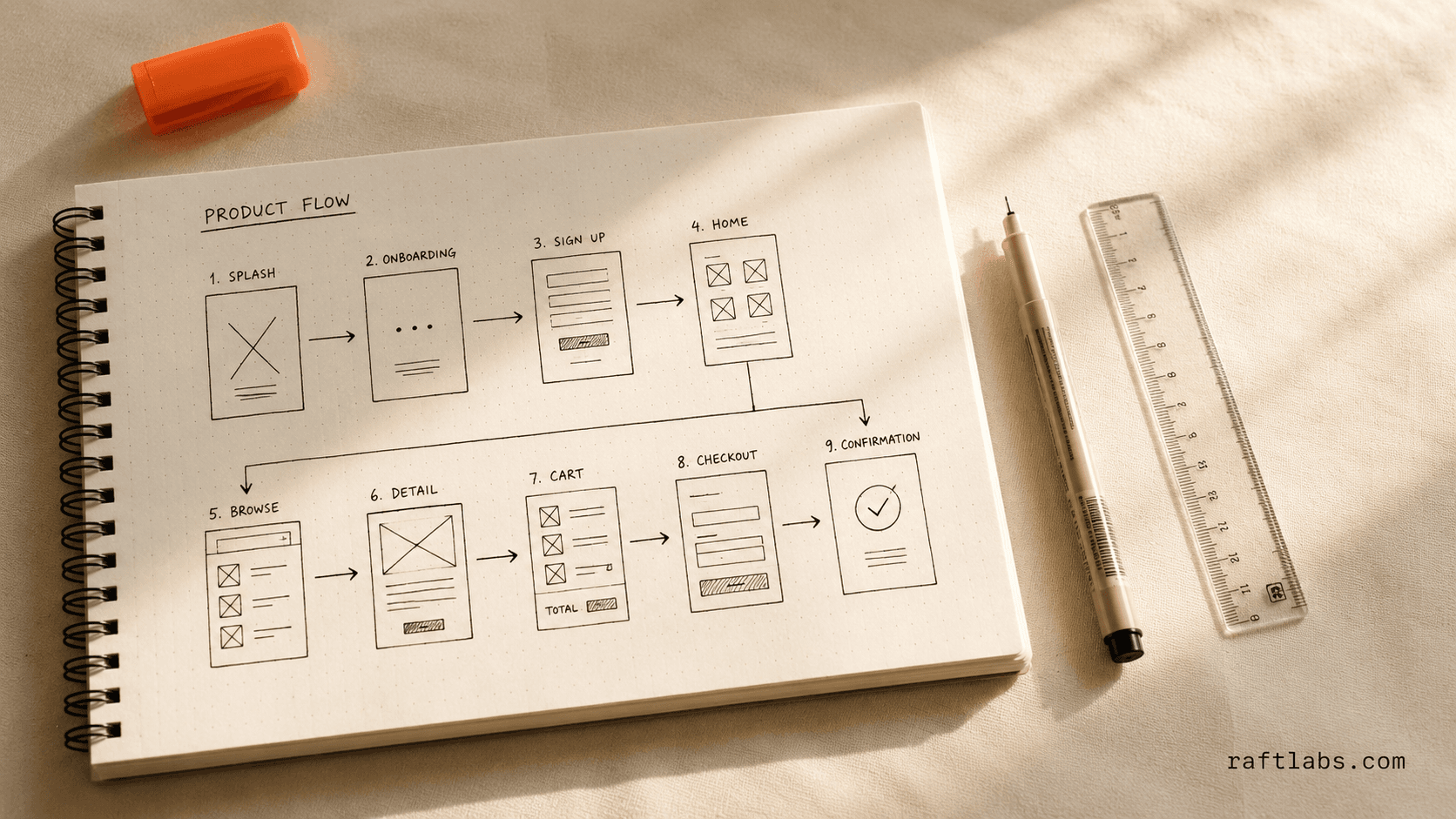
Trinetix is a global digital product development company founded in 2011, serving Fortune 500 enterprises and fast-growing brands with sophisticated digital transformation needs. With $10 million in funding received in 2023, 850+ employees distributed globally, and clients including Coca-Cola, P&G, McDonald's, and ExxonMobil, they focus on enterprise-scale innovation.
Their approach brings together design, technology, and strategy to deliver what they call "360° value". The focus is on building products that create impact across the entire organization, not just solve one specific problem.
Key services offered
Enterprise Software Development
Digital Product Strategy
Custom Software Development
AI and GenAI Integration
Blockchain Solutions
Legacy System Modernization
Cloud Enablement
Experience Design and UI/UX
Intelligent Automation
Specialization
Industries: Enterprise/Fortune 500, Consumer Goods, Energy, Financial Services, Agriculture, Media, Manufacturing
Technologies: AI/ML (TensorFlow), GenAI (LangChain), Blockchain (Ethereum), Cloud platforms (Google Cloud), Modern web and mobile frameworks (React), Enterprise integration technologies (MLOps).
Unique Strength: Proven ability to deliver award-winning enterprise transformation projects for Fortune 500 companies with global delivery capabilities and 80%+ senior-level talent.
Notable Clients: Procter & Gamble, Coca-Cola, ExxonMobil, McDonald's, Sage Freight, Spintel, Big Four consulting firms
Company Details
Employees: 850+
Industry Experience: 13+ years (since 2011)
Headquarters: Brentwood, Tennessee
Pricing: $50-$99/hr
Minimum Budget: $50,000+
Clutch Rating: 4.8/5
Best For: Fortune 500 companies, large enterprises, companies requiring sophisticated digital transformation, organizations modernizing legacy systems, businesses needing global delivery capabilities, and well-funded growth-stage companies.
What Makes Them Stand Out
Trinetix secured $10 million in funding in 2023 and aims to become a $1 billion brand within the decade, demonstrating ambitious growth backed by investor confidence. Their client roster includes some of the world's most recognized brands, proving they can handle enterprise complexity at scale.
With 80%+ of their workforce composed of senior-level talent and global delivery centers across three continents, they offer enterprise-grade expertise at nearshore pricing. Their work on award-winning projects for one of the Big Four firms demonstrates they meet the quality standards of the most demanding clients in the world.
Turn your product idea into reality with the right partner We challenge assumptions, identify risks early, and build scalable products that users love and investors trust. Let's talk
Also Read: Top 10 MVP Development companies to for startups to validate your product idea.
How to Choose the Right Product Development Partner
Choosing a product development partner is less about finding the best company overall, and more about finding the one that fits your needs, budget, timeline, and the kind of product you want to build.
We've developed a systematic framework to help you evaluate potential partners. Some steps might seem obvious, but many founders skip these basics and regret it later.
1. Define Your Project Requirements
Start with clarity on what you're building and why it needs to be built. Document your business goals, must-have features, success metrics, budget range, and timeline constraints. If you can't articulate what success looks like, probably no development partner can deliver it.
2. Evaluate Technical Capabilities
Look for proven skills in your required technology stack, similar project experience, and demonstrable code quality. Ask to see GitHub repositories, review actual code samples, and verify they've built products like yours, or at least have an experienced team confident enough to build it for the first time.
3. Review Industry Experience
Domain knowledge matters more than most founders realize. Partners who understand healthcare HIPAA requirements, financial PCI-DSS compliance, or logistics optimization can save months of rework and prevent costly regulatory mistakes.
4. Assess Customization and Flexibility
Make sure the team can adapt the product to your brand, workflows, and user experience needs. Some teams follow a standard template approach, like reusing the same UI layout, user flows, or backend structure across different projects with only minor changes.
This kind of one-size-fits-all approach rarely works when your product needs to stand out in a competitive market.
5. Check Integration Capabilities
Can they integrate with your existing systems, APIs, CRMs, and data pipelines? Complex product setups require partners who can handle multiple third-party services and maintain data consistency.
6. Verify Scalability Planning
Ask how they architect products to grow with your business. Technical debt from poor architecture becomes exponentially more expensive to fix as you scale. Demand evidence that they've built systems that successfully handled 5-10x growth.
7. Evaluate Data Security Standards
Make sure the team follows strong security practices from the start. This includes proper data encryption, the ability to meet standards like GDPR or HIPAA if your product requires it, and certifications such as SOC 2, where applicable. These are not just checkboxes; they define how user data is stored, accessed, and protected.
8. Review Ongoing Support
Understand how the team supports your product after launch. This includes how they handle updates, bug fixes, performance improvements, and ongoing maintenance. If your product involves AI or evolving features, check how they manage model updates and improvements over time.
9. Compare Pricing Models
Transparent pricing (hourly, project-based, or dedicated team) with clear scope definition matters more than raw hourly rates. Hidden costs and scope creep destroy budgets faster than high rates ever will.
10. Check References and Reviews
Demand past projects in your industry, client testimonials, and verifiable case studies. Contact actual former clients and ask about communication quality, problem-solving ability, and whether they'd hire them again.
Red Flags to Watch When Choosing a SaaS Development Partner
Certain warning signs during vendor evaluation predict problems before they happen. Here's what to watch for:

If a company gives you a firm price after a 30-minute call, they're either guessing or planning to charge extra later. Serious partners insist on a discovery phase before pricing. Beware teams that agree with every idea without asking hard questions. They care more about winning the contract than your product's success.
Watch for the bait-and-switch: senior experts on the sales call, junior developers doing the work. Demand LinkedIn profiles of the actual team and contractual guarantees they won't be swapped. Never accept "license to use" language. Insist on full ownership of all code, designs, and data with clear IP transfer terms.
Never pay everything upfront. Use milestone-based structures (25% at signing, 25% after design, 25% after core features, 25% after launch) that keep partners accountable. If their timeline looks too good compared to other quotes, it probably is. Aggressive schedules usually mean corners cut or delays ahead.
Choosing the right partner is only part of the process. You also need a clear understanding of your own product, priorities, and constraints so that conversations with potential teams stay focused and productive.
Check out: Top SaaS application development companies to build your SaaS product.
In-House vs. Outsourced Product Development Services
Deciding whether to build in-house or outsource fundamentally shapes your product development approach and cost structure.
| Factor | In-House Development | Outsourced Development |
|---|---|---|
| Speed to Launch | Slow (4-6+ months to hire and onboard team) | Fast (start within weeks with an experienced team) |
| Initial Cost | High ($400K-$800K/year for small team with benefits, equipment, overhead) | Lower ($10K-$40K/month for dedicated team with no overhead) |
| Control | Complete control over priorities, process, and team | Shared control, requires clear communication and management |
| Flexibility | Difficult to scale up/down quickly | Easy to adjust team size based on project phase |
| Domain Expertise | Must build from scratch or hire expensive senior talent | Immediate access to specialized skills and experience |
| Risk | Team turnover loses knowledge and delays timelines | Vendor relationship dependency, requires solid contracts |
| Long-Term Cost | Fixed overhead regardless of project activity | Variable cost aligned with actual development needs |
| Best For | Core products requiring constant iteration, large companies with ongoing needs | Validating ideas, launching MVPs, specialized projects, startups with limited runway |
For most startups and even many established companies, outsourced development offers faster time-to-market, lower initial investment, and access to experienced teams without hiring overhead. In-house teams make sense when you're building your core competitive advantage and need daily iteration control.
When Should You Hire a Product Development Company?
Understanding when external development partners add strategic value helps you time engagements for maximum impact.
Hire externally when you need to validate a concept before committing to full development. Partners bring rapid prototyping and MVP scoping expertise that gets you to a decision faster. When you need to launch a minimum viable product quickly to test product-market fit or beat competitors to market, development companies deliver that without the overhead of building a team.
Legacy modernization is another strong fit. When your product runs on outdated technology or can't support new features, migration requires specialization that most in-house teams don't have. Similarly, when a product has traction but the architecture can't handle growth, external teams can accelerate feature development while your core team maintains what's live.
AI and data-driven builds are expensive to staff for in-house. AI expertise is rare and hiring takes months. For specialized gaps in mobile, DevOps, or compliance, staff augmentation gives you immediate capability without the hiring overhead.
With a clear idea of when to engage a partner, the next step is to break down the cost factors and pricing models you can expect.
Questions to Ask a Product Development Company
The right questions separate agencies that sound good from teams that actually deliver. These are the ones worth asking before you sign anything.
Can I see code or a live product from a previous project similar to mine
Portfolios are curated. Code is honest. A team confident in their quality will share a GitHub repository or let you speak to a previous client's technical lead. If they hesitate, that tells you something.
Who will be my day-to-day contact, a project manager or the lead developer
The answer reveals the communication structure. An account manager relaying messages between you and a developer adds a layer of delay and misunderstanding. The best engagements have you in direct contact with the person making technical decisions.
How do you handle scope changes mid-project
Every project has them. What you're really asking is whether this becomes a negotiation where you pay double, or if they have a process for adapting without drama. Look for a clear answer about sprint-based adjustment rather than a vague response.
What happens if a key developer leaves during your project
Offshore agencies in particular need to answer this clearly. Do they have a bench. Is the codebase documented well enough that someone new can pick it up without a long ramp-up. The answer shows how dependent you are on one person's continued availability.
Is post-launch support included, and for how long
Real bugs surface in production, not in QA. A 30 or 60-day support window after launch is standard. Anything shorter means you're on your own during the riskiest period. No support at all is a red flag.
What does your handover process look like
If you ever want to bring development in-house or switch partners, you need clean documentation, a readable codebase, and credentials to every service the product depends on. Agencies that make handover difficult are creating dependency by design.
Have you built something like this before
Industry experience is not just a credential, it can save months of rework. A team that has already navigated compliance requirements, marketplace trust mechanics, or SaaS billing edge cases will not be learning on your budget.
What would you push back on in my current brief
This is the most revealing item on the list. A team that agrees with everything in your brief is not reviewing it, they are selling to it.
The right partner will have already spotted something worth questioning. If they cannot name one thing they would challenge, it usually means they will build whatever you ask without thinking critically about whether it is right.
Defining Your Project Requirements
Before contacting any development partner, invest time defining exactly what you're building and why. This clarity prevents miscommunication, scope creep, and wasted budget.
Start with business goals. What specific problem does this product solve? What metrics will prove success? Articulate the "why" before the "what." Then map the user journey: who uses your product, in what situations, and for what purpose? Partners who understand user context build better solutions.
Separate must-have from nice-to-have features. Use MoSCoW (Must-have, Should-have, Could-have, Won't-have) to create clear priorities that guide scope decisions. Document your non-negotiable technical constraints: integrations, performance benchmarks, security standards, compliance requirements.
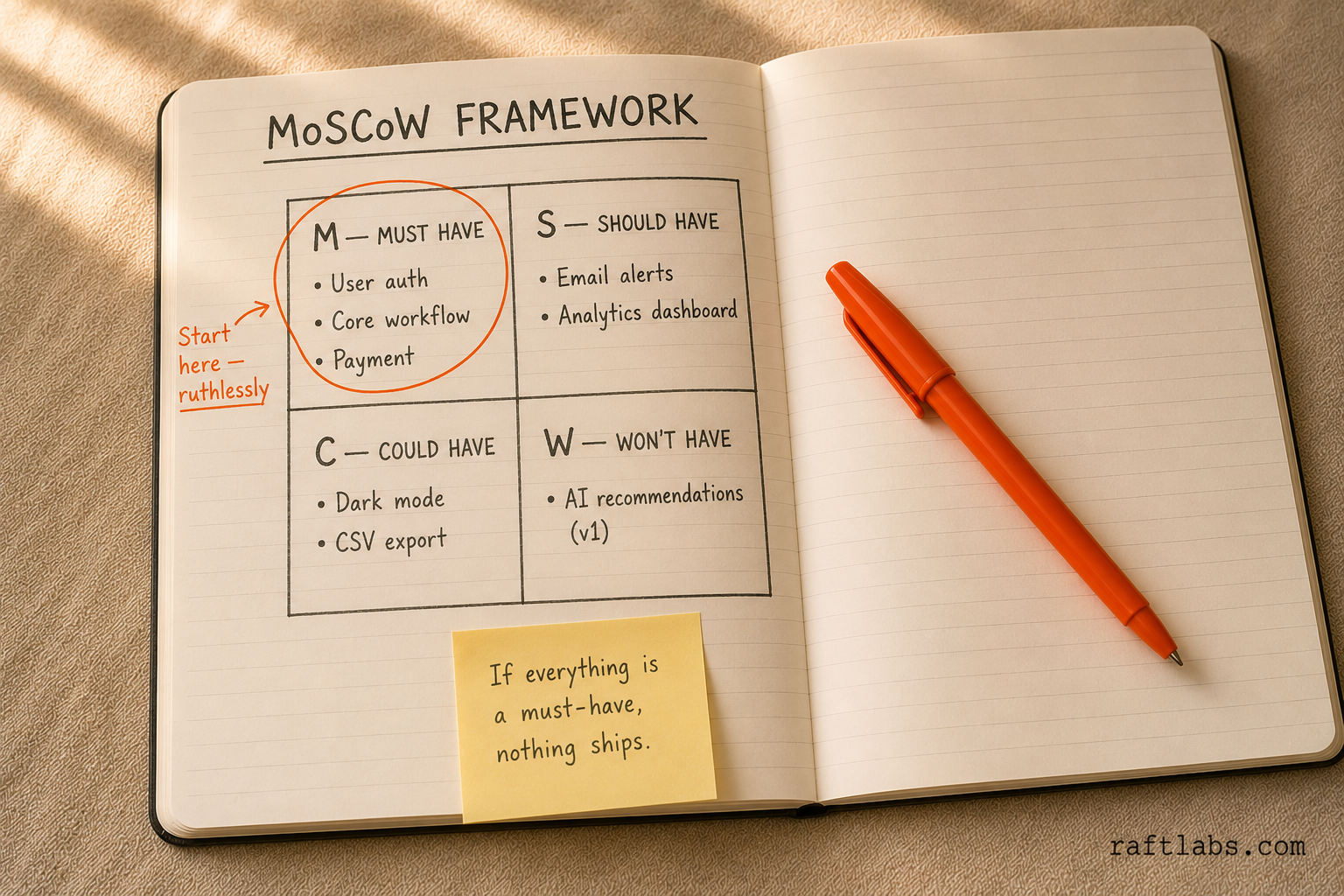
Be transparent about budget and timeline. Hidden limits and impossible deadlines doom projects from the start. Transparency lets partners propose achievable plans rather than padding estimates.
With these fundamentals in place, you can now move into conversations with potential partners more confidently and ask the right questions.
Questions to Ask During Vetting
Ask these questions to every potential partner. Answers reveal far more than marketing materials ever will:
- "Can you share an example of a project that didn’t go as planned and what you learned from it?" Only honest partners admit failures. Their answer reveals problem-solving maturity.
- "What questions should I be asking that I haven't?"
Great partners help you think through blind spots you haven't considered. - "How do you handle scope changes mid-project?"
Change is inevitable. Their process for managing it predicts how painful changes will be. - "Can I speak with three past clients, including one who wasn't completely satisfied?"
Selective references hide problems. Hearing from imperfect engagements reveals how they handle challenges. - "What's your team turnover rate?"
High turnover means knowledge loss and inconsistent quality. Stable teams indicate good management. - "How do you preserve code quality and avoid long-term technical issues?" Specific answers about code reviews, testing strategies, and architectural standards matter. Vague responses indicate corner-cutting.
- "Can you clearly explain what is included in your estimate and what might be charged separately?" Hidden costs destroy budgets. Demand a full breakdown of what's included and what costs extra.
Clear requirements and the right questions set the foundation. The following decision is how you actually structure your product development team.
Launch your MVP in 6-8 weeks, not 6 months We build production-ready products with AI capabilities from day one, so you validate faster and avoid costly retrofits. Let’s discuss
Cost of Product Development Services
Understanding pricing models and cost factors helps you budget realistically and evaluate proposals accurately.
Factors Affecting Pricing
Pricing varies across companies, mainly based on the project complexity, team structure, and the technologies they work with.
Project complexity is the biggest driver. A basic data management app costs far less than an AI-powered platform with real-time processing. More features, integrations, and custom logic directly increase development time.
Technology stack matters too. Mature stacks like React or Node.js cost less because talent is available and community support is strong. Specialized stacks (Rust-based backends, niche AI frameworks) require specific expertise that commands higher rates.
Team location sets the price floor: North America ($80-$150/hr), Western Europe ($60-$120/hr), Eastern Europe ($40-$80/hr), South Asia ($25-$55/hr). Senior-heavy teams cost more per hour but deliver faster with fewer mistakes. Junior-heavy teams save money upfront but accumulate technical debt.
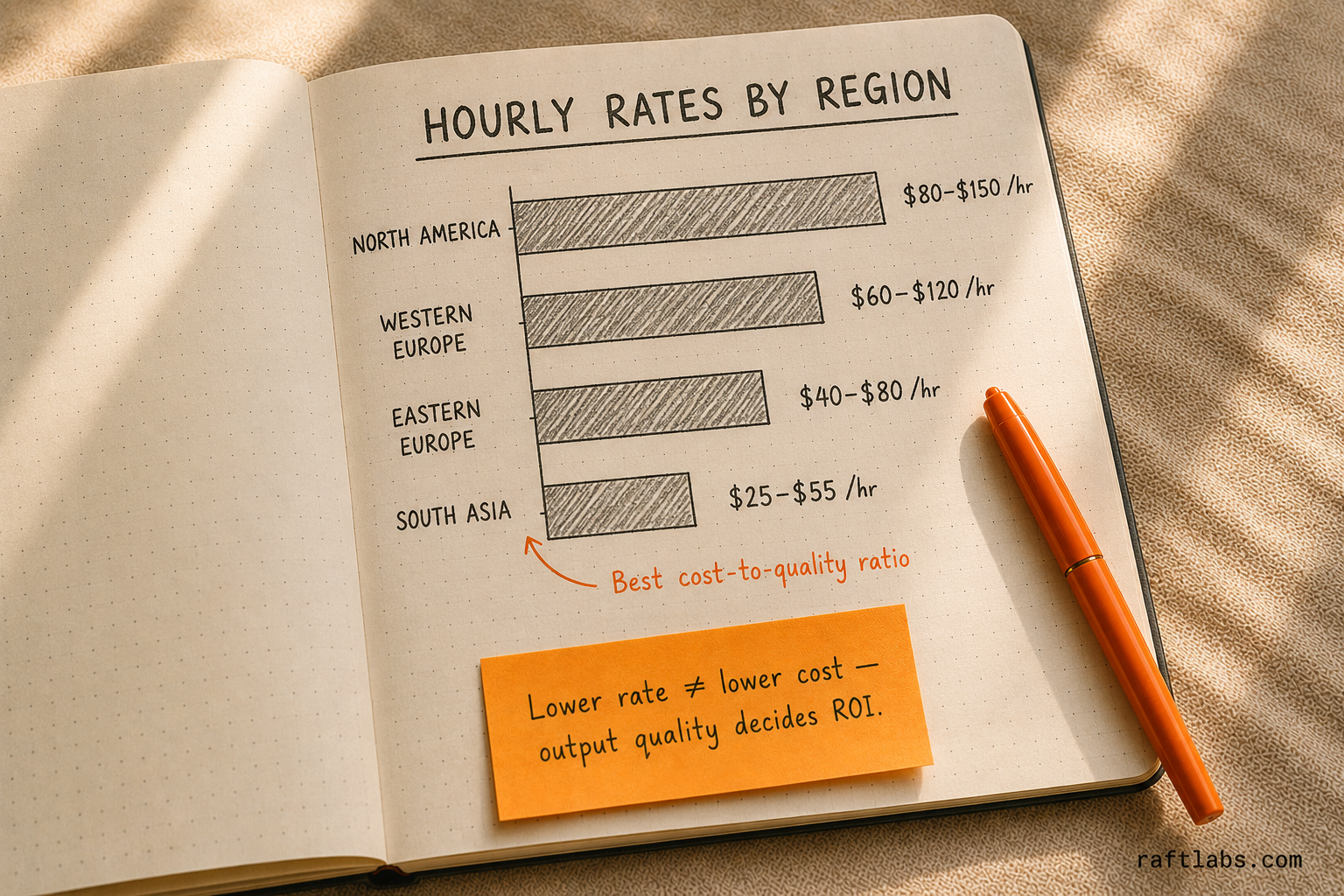
Regulated industries (healthcare, finance) add 20-40% to typical costs. Compliance requires specialized knowledge, rigorous documentation, and audit-ready architecture that general-purpose teams can't provide.
Typical Pricing Models
Top digital product development companies usually follow a few common pricing models, each suited for different types of projects.
Hourly Rate (Time and Materials) means you pay for actual hours worked at agreed rates. Best for projects with evolving scope or unclear requirements. It provides flexibility but requires monitoring to control costs. Fixed Price gives you an agreed total for a defined scope. It works well when requirements won’t change, but makes mid-project adjustments expensive.
Dedicated Team (Monthly Retainer) gives you team members working exclusively on your product for a monthly fee. It suits ongoing development with shifting priorities. Hybrid Models combine a fixed price for core features with hourly rates for additional work, balancing certainty with flexibility.
Engagement Models: How You Pay Changes What You Get
Before you evaluate cost ranges, understand the contract structure. The same project can cost very differently depending on how the engagement is set up.
Fixed Price
You agree on a defined scope, timeline, and total cost before work begins. The agency delivers to that spec.
Best for: well-defined projects where requirements won't change a marketing site, a clearly scoped MVP with a fixed feature list.
The risk: any scope change becomes a renegotiation. If you discover mid-project that a feature needs to work differently, expect a change order and a revised budget. Fixed price works well when both sides fully understand the build. It works badly when either side is still figuring it out.
Time and Materials (T&M)
You pay for actual hours worked at an agreed hourly or daily rate. Scope can evolve as the project progresses.
Best for: products where requirements will change, complex products, discovery-heavy engagements, anything involving significant research or iteration.
The risk: without strong project management and clear sprint goals, T&M engagements can drift. You need weekly visibility on hours burned and features completed to stay in control of the budget.
Dedicated Team
You contract a full team with developers, designer, QA, and PM and who work exclusively on your product for a set period, typically billed monthly.
Best for: ongoing product development, scaling after an MVP, or when you need the output of an in-house team without the hiring overhead.
The risk: higher monthly commitment with less built-in urgency than a project-basis engagement. Works best when you have clear product direction and enough work to keep the team fully occupied.
Which model fits your stage:
| Situation | Recommended Model |
|---|---|
| Validated scope, first MVP | Fixed price |
| Exploring and building simultaneously | Time & Materials |
| Post-launch, continuous development | Dedicated team |
| Unclear requirements, discovery phase | T&M with defined discovery milestone |
| Tight budget, must cap spend | Fixed price with locked scope |
Most agencies will accommodate any of these. The question is which model you negotiate and that conversation should happen before you discuss features, not after.
Average Cost Ranges by Project Type
| Project Type | Cost Range | What's Included | Best For |
|---|---|---|---|
| Simple MVP (Basic Features, Single Platform) | $10,000 - $20,000 | Core functionality with limited integrations, single platform (web or mobile), basic database, essential features only | Concept validation, basic user testing, proving initial hypothesis, bootstrapped startups |
| Full-Featured MVP (Multiple Features, Mobile + Web) | $20,000 - $40,000 | Full functionality across platforms, third-party API integrations, user authentication, payment processing, admin dashboard | Production-ready launch, early adopter acquisition, investor demos, seed-stage startups |
| Enterprise Application | $50,000 - $100,000+ | Complex business logic, extensive integrations, compliance requirements (HIPAA, SOC 2), role-based access control, scalable architecture, advanced security | Serious market entry, B2B products, regulated industries, and established companies launching new products |
| AI-Powered Product | $30,000 - $100,000+ | Custom AI/ML models, data pipeline development, model training and optimization, API integrations, and real-time processing capabilities | Products requiring intelligent automation, predictive analytics, personalization engines, and AI-first startups |
| IoT Product (Hardware + Software) | $80,000 - $300,000+ | Custom hardware design, PCB development, firmware programming, cloud infrastructure, mobile/web applications, device management platform | Connected devices, smart home products, industrial IoT, healthcare wearables, consumer electronics |
Once you know how pricing works, the focus shifts to selecting a partner who can deliver results within that budget.
Why Companies Choose Us for Product Development
When companies evaluate product development partners, they choose us for specific reasons that directly impact their success.
1. Product-First Approach
We do not just build what you ask for. We question assumptions, highlight hidden risks, and help you focus on building the smallest version that can validate your core idea. This approach helps save time and cost by focusing effort only on what is needed to test real market demand.
2. Startup + Enterprise Experience
We've built products for bootstrapped startups with $10K budgets and established enterprises with complex requirements. This range gives us perspective on what actually drives success at different stages, allowing us to right-size solutions for your current reality while building foundations that support future growth.
3. Real Outcomes, Not Features
We measure success based on real business outcomes like user adoption, revenue impact, and investor confidence, not just the number of features delivered. Our team also questions features that may look impressive in demos but do not solve real user problems, so the product stays focused on delivering clear and measurable value.
4. Focus on Scalability and ROI
Every architectural decision considers how it impacts future scaling, maintenance costs, and feature development speed. We build products that remain cost-effective as they grow, avoiding technical debt that requires expensive rebuilds when you find traction.
5. Collaborative and Transparent Communication
Weekly demos, direct access to developers, clear timelines, and proper escalation of issues ensure you always know the exact status of your project. We share problems early, while they are still easy to address, instead of hiding them until they become harder to fix.
6. Proven Track Record
Proven track record across healthcare, fintech, hospitality, and martech. 4.9/5 Clutch rating based on verified client reviews. Clients include Aldi and funded startups that partnered with us to improve execution and delivery outcomes.
Conclusion
Creating modern products requires a mix of technical skill, business thinking, and user focus. Teams need to build AI-ready products, handle compliance, deliver great user experiences, and still stay on time and within budget.
This guide covered 10 companies with different strengths, from enterprise-grade builds to fast MVP delivery and AI-focused development.
The right choice depends on your stage, budget, timeline, and product needs. Evaluate partners on skills, communication style, thinking approach, and whether they can support you long term. Clear requirements and strong prioritization also play a big role in making the engagement successful.
Ready to build your product? Whether you need rapid MVP development, AI integration, or full-scale product launch, we combine technical excellence with business thinking to deliver products that users love and investors trust. Contact our team to discuss your product vision and get started.
Ask an AI
Get an instant summary of this post from your preferred AI assistant.
Frequently asked questions
- A product development company designs, builds, and launches digital products (web applications, mobile apps, SaaS platforms) from concept to market. They combine product strategy, user experience design, software engineering, and launch support to help businesses create products that users love and that generate revenue.
- Product development costs typically range from $10,000 for basic MVPs to $100,000+ for complex enterprise applications. Actual costs depend on feature complexity, platform requirements (web, mobile, both), technology stack, team location, timeline, and compliance requirements. Most well-scoped MVPs cost $10,000-$20,000.
- Simple MVPs take 6-8 weeks, full-featured products take 3-4 months, and complex enterprise applications take 6-12+ months. Timeline depends on scope definition, team availability, decision-making speed, technical complexity, and integration requirements.
- Software development builds according to specifications. Product development includes discovering what to build, validating it solves real problems, designing user experiences, building the solution, and iterating based on user feedback. Product development is strategic; software development is tactical.
- Hire an agency when you need to validate ideas quickly, lack specific expertise, want to avoid hiring overhead, or need flexible team scaling. Build in-house when developing your core competitive advantage, requiring constant iteration, or have ongoing development needs justifying full-time team costs.