- Platform
- Web and Tablet App
- Duration
- 16 weeks
- Industry
- Food and Beverages Sector / Hospitality
- Team
- 2 engineers + 1 designer
- Engagement
- Fixed-scope
- Read time
- 5 min
Short answer
Gula was RaftLabs' own product, a B2B food tech platform in Indonesia that consolidates orders from Gofood, GrabFood, and ShopeeFood into a single web and tablet interface for restaurant operators, integrating with existing POS systems so all order details flow automatically to one kitchen printer. The platform achieved zero order errors since launch, onboarded 50 restaurants in its first month, and was delivered in 16 weeks. RaftLabs co-built Gula with co-founder Grady Lakshmono, and it was subsequently acquired by Runchise.
Indonesia's food delivery market grew fast. The problem it created for restaurants grew with it.
A restaurant active on GrabFood, GoFood, and ShopeeFood was running three separate tablets (one per platform). When an order arrived, staff had to check each screen, enter the order manually into the kitchen system, and hope nothing slipped between the cracks. During busy periods, orders missed. During quieter periods, all that complexity still ate into staff time and owner attention.
Grady Lakshmono had seen this problem from multiple angles as an operator of food businesses himself. We co-built Gula with him as our own product, a B2B platform that replaces those three tablets with one screen, connects to the existing POS, and routes every order directly to the kitchen printer without manual steps.
We built the platform in 16 weeks. Since launch, Gula has maintained zero order errors. Fifty restaurants joined in the first month. The platform was subsequently acquired by Runchise.

before & after
What changed
- Restaurants managed three separate delivery platform tablets (one for GrabFood, one for GoFood, one for ShopeeFood)
- Staff manually transferred order details from each delivery app into the POS system
- Orders during busy periods regularly slipped between platforms, leading to fulfillment errors
- Menu updates had to be repeated on each delivery platform separately
- No unified view of orders, revenue, or performance across platforms
- Promotions and store hours required manual updates on each platform independently
- All delivery platform orders appear in a single web and tablet interface
- Order details flow automatically from the dashboard to the kitchen printer via POS integration
- Zero order errors since launch: no manual transfer, no missed notifications
- Menu updates made once in Gula propagate to all connected delivery platforms
- Real-time analytics show orders, revenue, and performance across all platforms in one view
- Promotions and store hours managed centrally with one update
What we had to solve
- 01
Connecting to three delivery platforms with different API architectures
GrabFood, GoFood, and ShopeeFood each built their platform independently. Their APIs use different authentication methods, different data formats, and different webhook patterns for order notifications. Building a single integration layer that could receive an order from any of the three, normalize it into a consistent internal format, and route it to the right output (POS system, kitchen printer) required careful mapping work for each platform. Any gap in the normalization logic would produce a malformed order that kitchen staff couldn't read.
- 02
Keeping the interface fast enough for a busy kitchen
A restaurant tablet during a Friday dinner rush is not like a back-office dashboard. Orders arrive in bursts, staff are moving fast, and a two-second lag between an order landing on the platform and appearing on the tablet is the difference between a smooth service and a missed ticket. The real-time order feed had to be genuinely instantaneous (not just "fast by developer standards") and the interface had to surface the right information at a glance without requiring staff to read through a full order detail screen.
outcomes
What we achieved
Indonesian restaurant operators had no unified system for multi-platform delivery management. Each platform required its own device and its own manual workflow.
Manual order transfer between delivery apps and POS systems was the norm. During peak hours, the error rate was high enough that missed orders were a routine occurrence.
The founder had a clear vision but no platform. Existing tools were consumer-facing apps, not B2B infrastructure built for the specific workflows of Indonesian food businesses.
What clients say
Proof. Not promises.
Three-year average engagement. Founders and operators describing the work in their own words. No marketing varnish.

 Indonesia
RaftLabs elevated my ideas and brought them to life when everything seemed impossible.
Your operations are fragmented across too many delivery platforms and orders are slipping through?
the build
What we built
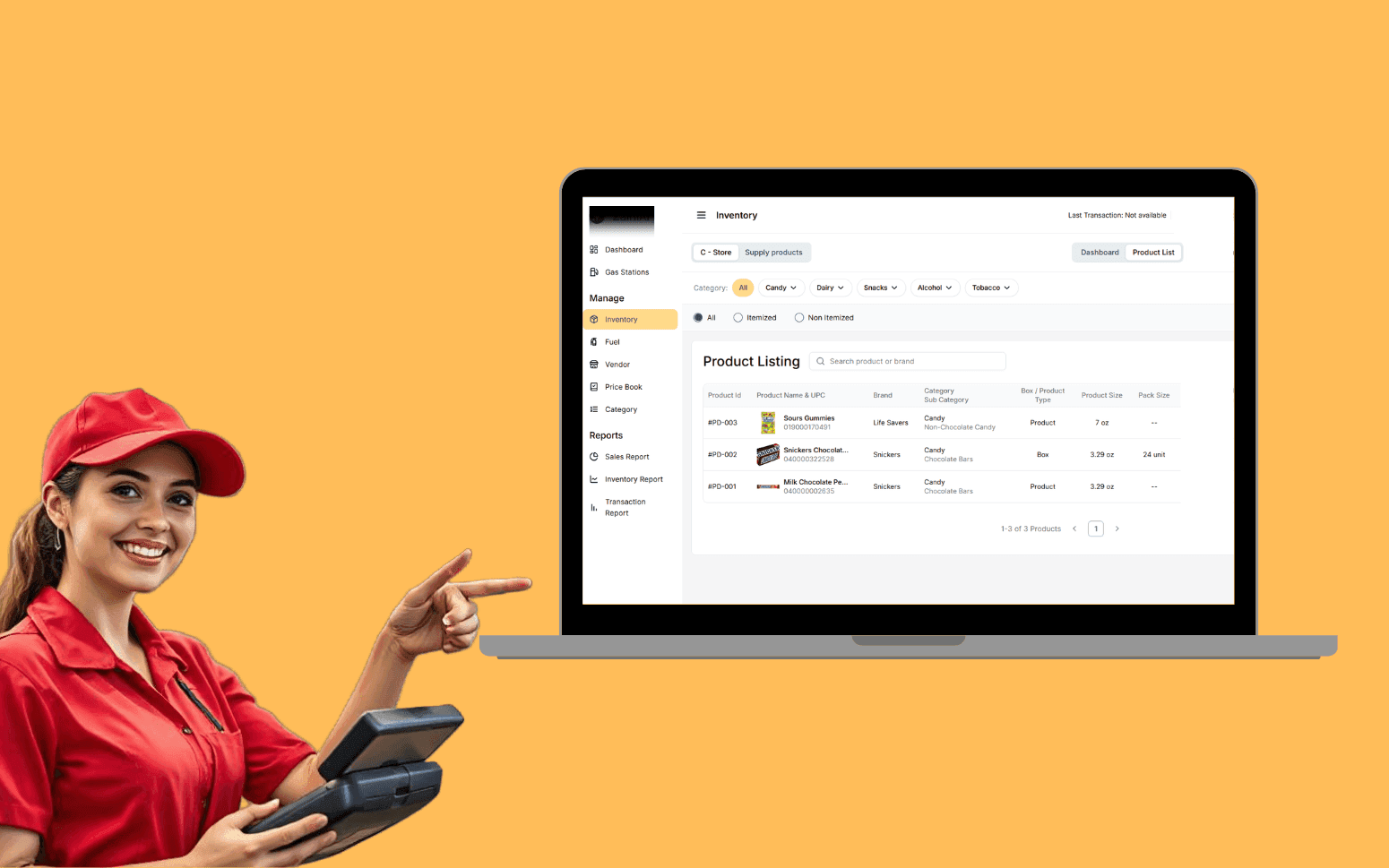
The platform has two sides: a real-time order management screen for restaurant staff, and a control panel for owners to manage menus, promotions, and analytics across every delivery partner.
All orders on one screen, no app-switching during service
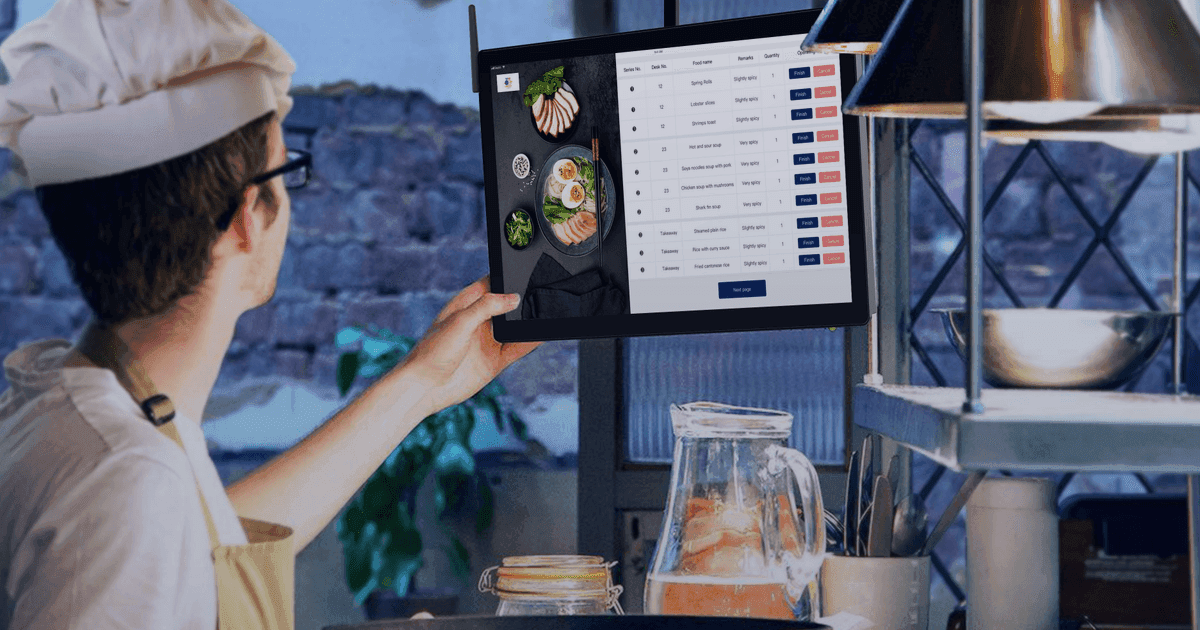
Orders from GrabFood, GoFood, and ShopeeFood appear in a single feed on the web and tablet interface. Staff see all incoming orders in one place without switching between apps. When an order is confirmed, the details flow automatically to the kitchen printer via the existing POS connection.

One update changes menus on every delivery platform
Owners update their menu once in Gula and the changes propagate to all connected delivery platforms. The same applies to promotions, pricing, and store hours. What previously required three separate logins and three separate updates takes one.

Kitchen knows what's active without checking twice
Staff see each order's live status from the moment it arrives to the moment it is picked up by the delivery driver. No manual checking across platforms. No confusion about which orders are active and which are complete.

Owners see revenue across all platforms in one view
The owner dashboard shows total orders, revenue, and performance data across all delivery partners in one view. Owners can filter by platform, date range, and outlet, and see which menu items perform best on which platforms. Data that was previously scattered across three apps is now in one place.

Engagement
How we worked together
- 01Weeks 1–2
Discovery and scoping
We map the problem before writing code. Two weeks of technical audit, stakeholder interviews, and prototype, so both teams align on scope and risk before sprint one. - 02Ongoing
Two-week Agile sprints
Each sprint ends with working software, not a status update. You review a real build, request changes, and approve before we move forward. No surprises at handover. - 03Ongoing
Daily async updates
Slack for daily progress, Asana for task visibility, weekly video calls for decisions. You have full visibility without needing to attend every meeting. - 04Final
Handover and warranty
Full code handover with deployment runbooks and documentation. Thirty-day warranty period for production issues at no extra cost.
stack
Why we chose this stack
- 01ReactThe order management interface needed to update in real time as orders arrived from multiple delivery platforms simultaneously. React's component model made it practical to build a live order feed that refreshes individual items without reloading the full screen.
- 02Ant DesignGula's core users are restaurant operators, not developers. Ant Design gave us a production-ready component library built for dense data interfaces (tables, forms, status indicators) which meant less time building UI primitives and more time on the integration logic.
- 03Node.jsThe backend receives webhook events from three delivery platforms simultaneously, normalizes them, and routes them to POS and kitchen systems in real time. Node's event-driven architecture handles this concurrent I/O efficiently without the complexity of a thread-based approach.
Have further questions?
Yes. Gula integrates with existing POS systems so order details from all delivery platforms flow automatically to the kitchen printer in the right format. The specific integration depends on which POS you use; most major systems used in Indonesian food businesses are supported. Contact us to confirm your setup before you start.
A restaurant connects its delivery platform accounts to Gula once during setup. The menu is imported from the existing listings or entered directly. After that, orders from all connected platforms appear in the unified interface without any daily setup. Most restaurants are live within a day of completing the account connections.
Each delivery platform has its own menu structure, pricing rules, and item categorization. Gula normalizes these into a single menu format on the backend. When an owner updates a price or description in Gula, the platform maps that change to the correct fields on each delivery platform's API automatically.
The platform monitors the connection status of each delivery integration and alerts the operator if a platform becomes unavailable. Orders from the remaining active platforms continue flowing normally. When a platform restores service or updates its API, the integration layer handles the reconnection without operator involvement.
We delivered the core platform (unified order management, POS integration, menu control, and analytics) in 16 weeks. A more complex build with additional delivery partner integrations or custom POS connections would take longer. The starting range for a platform of this type is typically $25,000-$50,000 depending on the number of integrations and feature scope. Contact us for a detailed estimate based on your requirements.