




















Recommerce Platform Development Company

Resale businesses run on a set of operational workflows that generic ecommerce platforms were never built to handle: item intake with condition grading, authentication checks, dynamic repricing based on grade, seller payout reconciliation, and a reverse logistics layer running in the opposite direction to every other order flow. When those workflows live in spreadsheets, manual Slack threads, and disconnected tools, grading inconsistency drives write-offs, payouts take weeks to reconcile, and your resale margin disappears into operational overhead.

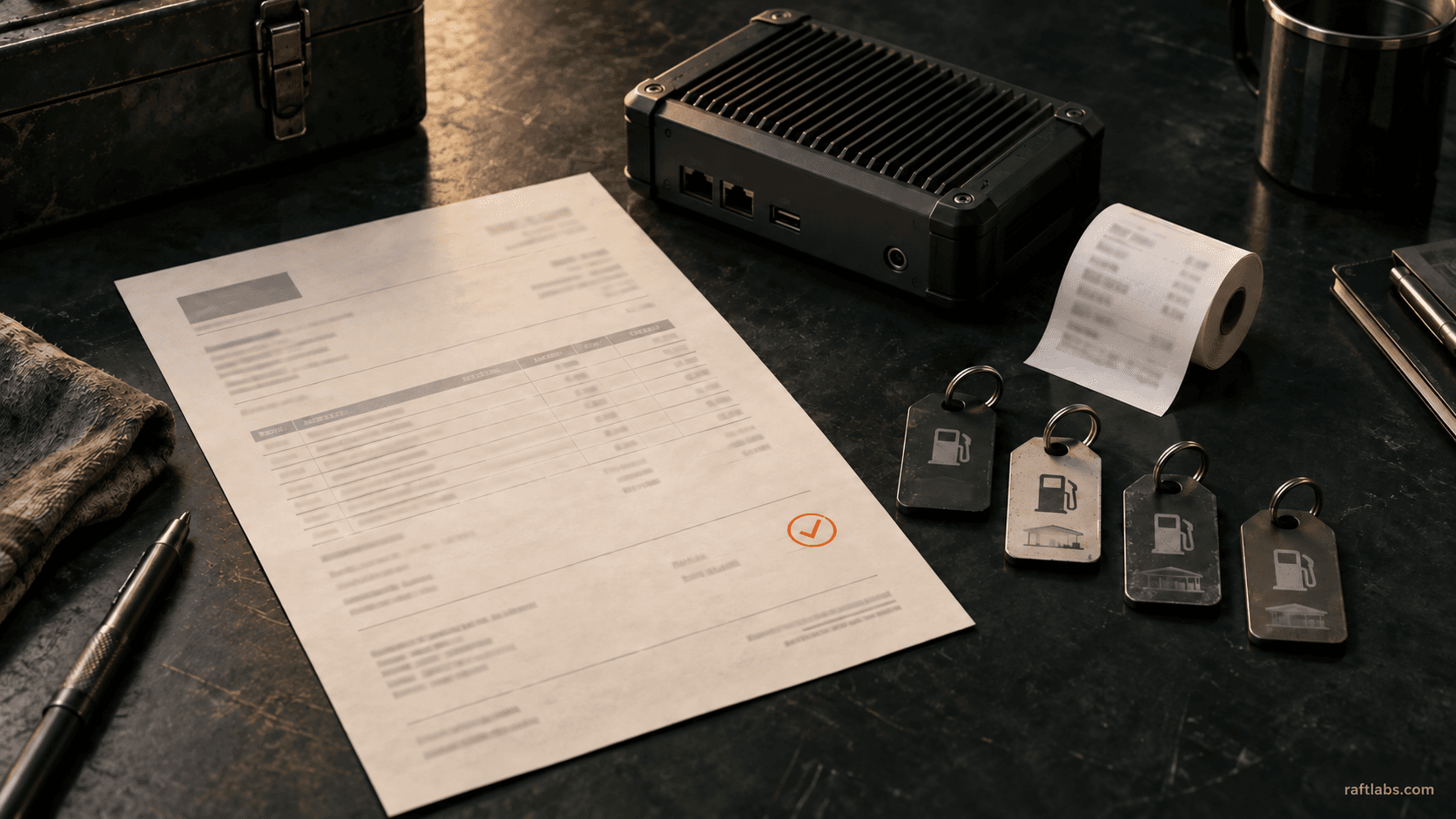
  • Item intake and condition grading workflows with photo capture, grade templates, and pricing rules tied to grade output

  • Authentication systems for high-value categories with digital verification, chain-of-custody logging, and buyer-facing certificates

  • Resale marketplace storefronts with dynamic listing, repricing triggers, and inventory sync across channels

  • Automated seller and consignor payout reconciliation with remittance reports, Stripe Connect integration, and audit trails

Recognition

Sound familiar?

  • Grading done differently by every warehouse operative, so resale prices are guesswork and returns eat your margin?

  • Seller payouts calculated manually from spreadsheets because your marketplace has no automated reconciliation?

  • Reverse logistics tracked in a separate system with no live link to your resale inventory or storefront?

The short answer

RaftLabs builds custom recommerce platform software for resale marketplace operators, retail brands launching trade-in programs, and refurbished electronics businesses. We ship item intake and grading workflows, authentication systems, resale storefronts, automated seller payouts, and reverse logistics tracking. Most recommerce projects deliver in 12 to 18 weeks at a fixed, agreed cost.

What is recommerce platform software?

Recommerce platform software is a set of connected systems that manage the full lifecycle of a secondhand or refurbished item: from intake and condition grading through authentication, pricing, listing, sale, and seller payout. It replaces the spreadsheets, manual inspection checklists, and disconnected tools that most resale operations start with, and gives operators a single system of record for every item from the moment it arrives to the moment it ships to its next owner.

01 Diagnosis

Problems we solve for recommerce businesses

  1. 01
    Problem

    Grading is inconsistent across operatives, so resale pricing is guesswork

    Solution

    When condition grading is a verbal handoff or a loosely shared rubric, two operatives processing the same category of item on the same day will assign different grades. One person's "Good" is another person's "Fair." Those grade differences flow directly into resale pricing, and inconsistent pricing means you either undervalue inventory and leave margin on the table or overprice and watch items sit.The downstream cost shows up in write-offs, discount markdowns, and rework: items repriced after they've already been listed, batches sent back through inspection because a buyer disputed the condition, and margins that are lower than your model predicted because the grading floor isn't holding.A structured intake workflow where each operative follows the same condition grid, captures photos at mandatory checkpoints, and selects from a standardised grade scale converts a subjective judgment call into a repeatable data point. Pricing rules tied to the grade output apply automatically, so the margin you modelled in your acquisition price is the margin you actually get.

  2. 02
    Problem

    Seller and consignor payouts take days to reconcile manually

    Solution

    Resale marketplaces that work with consignors, trade-in sellers, or third-party vendors typically run payout reconciliation in spreadsheets: pulling sales data, calculating commission splits, deducting fees, and issuing payments one by one. At low volume that is slow. At scale it becomes a full-time job and a source of errors that damage seller trust.A single payout dispute that isn't resolved quickly costs you the relationship and the inventory. Sellers who distrust the reconciliation process hold back their best stock. At the same time, finance teams spending two days a month on payout maths are not working on anything that grows the business.According to the OfferUp Recommerce Report 2025, 93% of Americans bought something secondhand in 2025 and the US resale market is projected to reach $92.55 billion by 2032. Resale volume at that scale cannot be managed through manual payout workflows.Automated payout reconciliation calculates commission splits from the moment of sale, deducts applicable fees, generates remittance reports per seller, and releases payments on your defined schedule via Stripe Connect or PayPal Payouts. Sellers see their earnings in a portal, disputes are flagged with a full audit trail, and your finance team reviews exceptions rather than building every calculation from scratch.

  3. 03
    Problem

    Reverse logistics runs in a separate system with no link to resale inventory

    Solution

    The physical flow of a recommerce operation runs against everything an ecommerce platform expects: items arrive before they're listed, they move through multiple condition states before they're ready to sell, and returns from the resale side create a second-order problem. Most businesses track this in a separate WMS or spreadsheet that doesn't connect to the resale storefront or the grading workflow.The result: your storefront lists items that aren't yet ready, your warehouse team has no visibility into what's been sold and needs to ship, and your operations manager is reconciling two systems to get a picture of where inventory actually stands. Every incoming return moves through up to eight states (received, awaiting inspection, grading, cleaning, repair, ready to list, listed, sold) and none of those transitions trigger automatic updates downstream.A connected reverse logistics layer tracks every item through its condition states, updates the resale inventory in real time, and triggers the right next action at each stage. When an item moves from "awaiting inspection" to "graded," the system fires the pricing logic and queues it for listing. When it sells, the warehouse pick task is created automatically. Nothing falls through the gap between systems.

  4. 04
    Problem

    Authentication is a manual step with no digital record, leaving buyers uncertain and brands exposed

    Solution

    For resale businesses in high-value categories (luxury goods, refurbished electronics, authenticated streetwear, certified pre-owned jewellery) authentication is the product. A buyer who isn't certain the item is genuine won't complete the purchase, and a brand that can't demonstrate a clear chain of custody for items carrying its name is exposed to reputational and legal risk.Manual authentication, where an expert inspects an item and makes a judgment, doesn't produce a digital record. The buyer receives a verbal assurance or a paper certificate that can be lost or replicated. The brand has no audit trail. When a dispute arises, there is nothing to pull up.A digital authentication workflow captures the inspection record, the operative who conducted it, the date, the condition notes, and the photos at each verification checkpoint. Buyers receive a digital certificate with a unique item ID they can verify independently. Brands maintain a full chain-of-custody log. For categories that support it, RFID tagging or QR-based item tracking ties the physical item to its digital record across every ownership transfer.

02 What we ship

Recommerce software we build

  1. Item intake and condition grading systems

    We build structured intake workflows where every item entering the operation is captured against a defined condition grid. Operatives follow step-by-step inspection prompts on a tablet or mobile device, photograph required checkpoints, and select grades from a standardised scale specific to each product category. The grade is recorded alongside the operative's ID and timestamp, so grading output is auditable and consistent across shifts.

    Condition grades feed directly into pricing rules so an item graded as "Grade A" prices within one band, "Grade B" within another, and "Grade C" either triggers a repair queue or a liquidation route. Rework triggers and reject dispositions are configured per category, so the workflow handles exceptions without manual escalation.

    Built for resale warehouse operators replacing manual inspection checklists, retail brands running trade-in programs, and refurbished electronics businesses where grading consistency directly determines margin.

  2. Authentication and chain-of-custody systems

    We build digital authentication workflows for high-value resale categories where buyer confidence in item provenance determines conversion. Each authentication step is captured by a named operative against a defined verification checklist: reference image comparison, serial number verification, hardware or material checks, and a final authenticity decision with supporting notes and photos.

    Authenticated items receive a digital certificate tied to a unique item ID. Buyers can verify the certificate independently via a QR code or unique URL. RFID or NFC tag integration links the physical item to its digital record and transfers that link to the new owner at point of sale. Chain-of-custody logs every ownership change, authentication event, and condition update across the item's full lifecycle.

    Built for luxury resale marketplaces, certified pre-owned jewellery and watch businesses, refurbished electronics dealers, and brand trade-in programs where authentication is a competitive differentiator.

  3. Resale marketplace storefronts

    We build buyer-facing resale storefronts with product listings generated from grading system output, condition-based filtering, and dynamic pricing. Listing content is populated automatically from the intake record: condition grade, photos captured at inspection, item attributes, and authenticated status. Repricing rules apply when an item has been listed for a defined period without a sale, reducing price incrementally until it clears.

    Multi-channel listing publishes inventory across the brand's own storefront, eBay, Depop, Facebook Marketplace, or other channels from a single inventory record, with automatic delisting across all channels when an item sells on any one of them. Search, filter, and category navigation are built for the pre-owned buyer's mental model: condition first, price range second, category third.

    Built for resale marketplace operators running their own channel, retail brands launching a recommerce storefront alongside their primary ecommerce presence, and consignment shops moving from in-store-only to online.

  4. Seller and consignor payout automation

    We build automated payout systems that calculate seller earnings at the moment of sale, apply your commission structure and fee schedule, and release payments on a defined schedule via Stripe Connect, PayPal Payouts, or direct bank transfer through Plaid. Sellers access a self-service portal showing their live inventory, sales history, pending earnings, and payment records, reducing inbound support volume from consignors chasing payment status.

    Remittance reports are generated per seller per pay period and include the full transaction breakdown: sale price, commission rate, deductions, and net payout. Finance exports feed your accounting system (QuickBooks, Xero) directly. Payout disputes are flagged with a complete audit trail so your operations team resolves them from data, not from memory.

    Built for resale marketplaces managing consignor relationships, fashion and luxury resale businesses with high seller volume, and trade-in programs that need to pay sellers at point of drop-off or verified receipt.

  5. Reverse logistics and inventory state tracking

    We build reverse logistics tracking that follows every item through the full recommerce lifecycle: from returns receipt and intake grading through repair, cleaning, listing, sale, and outbound fulfilment. Each state transition updates the master inventory record in real time, triggers the next workflow step, and surfaces the right task to the right warehouse operative or team.

    Integration with ShipStation, EasyPost, and carrier APIs covers inbound returns tracking with automatic status updates when a return is scanned in transit. WMS connectors sync physical location data. Shopify, WooCommerce, or custom storefront inventory updates fire at the moment an item moves to "ready to list" status, not manually at the end of a processing batch.

    Built for recommerce operators running high-volume return processing, retail brands with omnichannel trade-in programs, and resale businesses where the lag between item arrival and listing date directly limits revenue throughput.

  6. Trade-in and buy-back program software

    We build customer-facing trade-in portals where sellers answer a condition questionnaire, upload photos, and receive an instant valuation calculated from your buy-back price grid. Accepted offers generate a prepaid shipping label via EasyPost or a drop-off QR code for in-store handoff. When the item arrives and passes physical inspection against the seller's declared condition, the buy-back payment is released automatically.

    Price grids are admin-configurable without a developer: set buy-back prices per SKU, condition tier, and age band, then update them as market resale values change. Condition dispute workflows handle items that arrive in worse condition than declared: the seller sees a revised offer, accepts or declines, and the item routes to the appropriate next step without manual intervention from your ops team.

    Built for consumer electronics brands, fashion retailers, and sporting goods companies launching or scaling a branded trade-in program, and for recommerce operators buying inventory from the public.

03 How we work

How we build recommerce platforms

  1. 01

    Discovery

    We map your current recommerce operation end to end: how items arrive, who grades them and against what criteria, how pricing decisions are made, how payouts are calculated today, and where the manual steps or disconnected tools create the most operational drag. We identify the workflows that are costing you margin and the integrations your existing tech stack requires. Scope is agreed and a fixed-price specification is produced before development begins.
  2. 02

    Design

    We design the data model around your specific recommerce operation: the item condition states, the grading scales per category, the commission structure, the payout schedule, and the inventory sync requirements. Buyer-facing and operative-facing interfaces are prototyped so you can test the workflows before any production code is written. The prototype surface covers the intake workflow, the seller portal, and the buyer storefront, so every stakeholder signs off on the experience before build starts.
  3. 03

    Build

    We build in two-week cycles with working software at each checkpoint. The item intake and grading system ships first so your operations team can start capturing structured condition data immediately. The payout reconciliation layer and storefront integration follow in subsequent cycles. Integration with your WMS, Shopify or WooCommerce store, Stripe Connect, and carrier APIs is built and tested against live data before the full go-live.
  4. 04

    Launch

    Phased go-live starts with a controlled intake volume before full rollout, so your warehouse team can work through the new grading workflow without the risk of a full operational switch on day one. Monitoring covers inventory sync failures, payout calculation errors, and listing discrepancies. Post-launch support handles grading rule updates, new category configuration, and platform iterations as your resale volume grows.

Companies we've built for

Vodafone
Nike
Microsoft
Cisco
T-Mobile
Aldi
Heineken
GE

04 Track record

What recommerce businesses get when they work with us

Week delivery for recommerce platform builds
12-18
Software products shipped across ecommerce, marketplace, and operations verticals
100+
Cost agreed before development starts, no billing surprises
Fixed
Years building marketplace and operations software for product businesses
6+

06 Client voices

What our clients say

Three-year average engagement. Founders and operators describing the work in their own words. No marketing varnish.

D
Daniel Reeves
USA flagUSA
CEO

RaftLabs nailed what other agencies couldn't — they started with our business problem and worked backwards to the right product. We were live in 14 weeks.

07 Why us

Why choose us?

  1. 01

    We've seen your problem before

    The industry changes. The broken process usually looks the same. Across 14+ industries and 100+ products, we recognise your problem fast, and we frame the fix around your margin and your operations.

  2. 02

    We own the number, not the ticket

    We measure success the way you do: hours saved, revenue earned, margin recovered. We stay through launch and growth, so the result is ours to own.

  3. 03

    Serious businesses trust us

    Vodafone, T-Mobile, Cisco, Energia, Aldi, Nike. Six years, 100+ products in production, 4.9 on Clutch. Serious businesses keep coming back because we stay accountable long after launch.

08 Questions

Frequently asked questions

Yes. We build hybrid recommerce platforms that support multiple intake models from the same admin layer: brand-owned trade-in flows where the brand sets buy-back prices and condition grids, consignment listings where sellers retain ownership until sale, and direct purchase inventory where you buy outright. The seller-facing portal, buyer-facing storefront, and payout logic are each configured to your specific model without forcing all inventory through a single flow.

Grading inconsistency is one of the most common problems in recommerce operations and it is fixable in software. We build structured intake workflows where each operative follows the same condition grid, captures mandatory photos at defined checkpoints, and assigns a grade from a standardised scale. Pricing rules tied to that grade output apply automatically, so a Grade B item always prices within the same band regardless of who processed it. The audit trail also shows which operative graded each item, so quality drift is visible and correctable before it becomes a margin problem.

A focused recommerce build covering item intake, grading workflows, a resale storefront, and basic payout reconciliation typically delivers in 12 to 16 weeks. Platforms with authentication systems, multi-channel listing, advanced reverse logistics tracking, and automated consignor payouts run 16 to 24 weeks. Cost ranges from $40,000 to $120,000 depending on scope and integration complexity. Fixed cost is agreed before development starts.

Yes. Integration with warehouse management systems, ecommerce platforms (Shopify, WooCommerce, Magento), and payment infrastructure (Stripe Connect, PayPal Payouts) is standard in our recommerce builds. We also integrate with shipping carriers via ShipStation and EasyPost, returns portals, and ERP systems such as NetSuite. The integration scope is mapped and confirmed during discovery before any code is written, so the specification you approve includes every third-party connection the platform requires.

Yes. Building the custom operational layer on top of or alongside an existing resale platform is a specific type of project we take on. If your current platform handles the buyer storefront but can't express your grading matrix, automate your consignor payments, or track items through reverse logistics states, we build the operational tooling that connects via API and feeds the data your platform needs. You keep the storefront you have; we build the layer it's missing.

Yes. We build digital authentication workflows that capture the full inspection record for each item: the operative who authenticated it, the verification checklist completed, supporting photos, and the final decision. Authenticated items receive a digital certificate with a unique item ID that buyers can verify independently via QR code. For categories that support it, we integrate RFID or NFC tagging to tie the physical item to its digital record across ownership transfers. Chain-of-custody logging covers every authentication event and condition update across the item's full lifecycle.

Ready to build your recommerce platform?

Tell us what you are building and we will scope it out together.

  • Scope and cost agreed before work starts. No surprises. No obligation.
  • Working prototype within 3 weeks of kickoff.
  • Pay by milestone. You see progress before each invoice.
  • 60-day post-launch warranty. Bug fixes, UI tweaks, and deployment support. No retainer.
  • All conversations are NDA-protected.