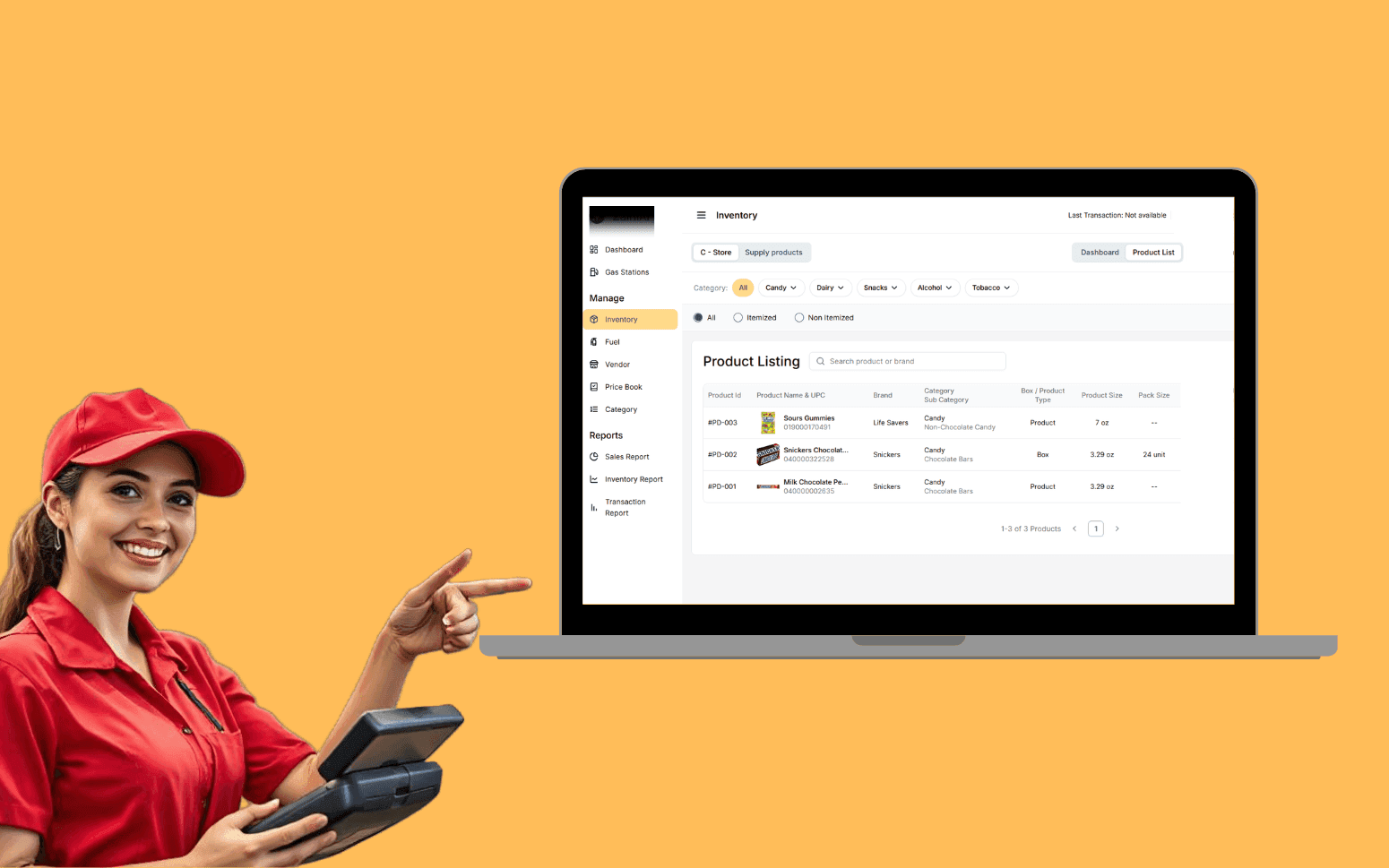
AI OCR Software Scales Gas Station Operations With 20K+ Transactions
- 20K+
- 40+
- 70%
Automation for the high-volume administrative workflows in claims, policy administration, and compliance, built for insurers, MGAs, and brokers who need to process more without adding headcount.
Claims faster. Renewals without backlogs. Compliance without manual data assembly.
Claims intake automation from first notice of loss to record creation across systems
Policy renewal and endorsement processing without manual admin overhead
Underwriting data collection from third-party sources automated end to end
Regulatory reporting (Solvency II, FCA, Lloyd's) assembled automatically from your systems
Recognition
Claims team spending hours on data entry for each new claim instead of assessing it?
Policy renewal processing creating backlogs that cause lapses your operations team is firefighting?
In short
Insurance process automation replaces high-volume administrative work in claims and policy operations with systems that process faster, with fewer errors, and with complete audit trails. RaftLabs builds automation for insurers, MGAs, and brokers covering claims intake and processing, policy administration for renewals and endorsements, underwriting data collection and carrier submissions, and regulatory reporting including Solvency II, Lloyd's, and FCA returns. Most insurance automation projects deliver in 8-14 weeks at a fixed cost.
Companies we've built for






Policyholders judge their insurer most at claims time. A claims process delayed by manual data entry, cross-system reconciliation, and paperwork workflows creates the experience that drives non-renewal and negative reviews.
Insurance automation compresses claims handling time by automating the data work: intake, record creation, document requests, status updates. Adjusters focus on coverage assessment and settlement. Policy administration runs without backlogs. Compliance reporting runs without a week of manual data gathering. The operations team handles the judgment calls. The software handles everything else.
Automated First Notice of Loss (FNOL) processing handles the structured data work from the moment a claim is reported. Intake automation extracts claim data from email, web forms, phone call transcriptions, and document uploads, populating claim records in your Guidewire ClaimCenter, Duck Creek Claims, or custom claims management system without manual rekeying. ACORD 125, 126, and 127 form data is parsed and mapped to your internal claim data model automatically.
ISO ClaimSearch and CLUE (Comprehensive Loss Underwriting Exchange) queries run at intake to retrieve prior loss history, identifying claimants with previous claims across carriers before the adjuster reviews the file. Verisk ISO enrichment data, including property characteristics, vehicle data, and replacement cost estimates, is attached to the claim record at creation.
Subrogation detection logic flags claims where third-party recovery may be available based on loss type, circumstances, and coverage details, routing them to the subrogation team at intake rather than weeks later. STP (Straight-Through Processing) rate, the percentage of claims that close without adjuster intervention, is tracked as the primary automation performance metric. Most claims automation programmes achieve 70-85% STP on simple claim types within six months. Settlement letter generation for straightforward claims closes the file automatically; complex and high-value claims are routed to adjusters with all enrichment data pre-loaded.
Automated renewal processing works through your Guidewire PolicyCenter, Duck Creek Policy, Applied Epic, or custom policy administration system to generate renewal packs, check for material changes in risk data since the prior term, recalculate premium based on current rating factors, and trigger broker or direct customer communication on the renewal schedule your operations team defines.
ACORD-format policy documents are generated automatically for standard lines. Mid-term endorsement processing updates policy records, recalculates pro-rata or short-rate premium adjustments, issues amended declarations pages and endorsement documents, and posts the premium change to your billing system, all without a policy admin touching the transaction for straightforward endorsement types.
Cancellation and reinstatement workflows follow your jurisdiction-specific notice requirements, generating the correct statutory notices with the required notice periods. Reinstatement after lapse processes the past-due premium, reinstates coverage on the correct retroactive date, and issues a reinstatement certificate. The policy admin backlog that builds during peak renewal periods clears automatically because the structured processing work doesn't require a human in the loop. Renewal lapse rates fall because no renewal reaches its expiry date without the correct communication sequence having been sent to the broker or policyholder.
Automated underwriting data collection pulls from the third-party sources your underwriting team currently accesses manually, including Verisk ISO enrichment data for property risk characteristics and replacement cost estimates, credit bureau reports for personal lines risk scoring, weather and catastrophe model outputs for property and cat-exposed risks, sanctions and PEP screening for trade credit and specialty lines, and public records for commercial underwriting.
Carrier and reinsurer portal submissions are pre-populated with risk data from your policy system and the collected third-party sources. Where carriers accept structured data submissions, ACORD XML formats are generated automatically. Where portal entry is still required, UI automation handles the repetitive data entry across carrier portals so your underwriting assistants are not re-keying data that already exists in your system.
Risk scoring outputs from Verisk ISO or your internal models are formatted into the underwriting review pack alongside the raw data inputs, so underwriters see both the score and the supporting evidence. The data gathering that currently requires underwriting assistants to log into six or eight separate systems for each submission happens automatically in parallel. Carrier submissions go out faster, underwriters review complete packs rather than incomplete ones, and the capacity constraint shifts from data collection to actual underwriting judgment.
Automated regulatory reporting assembles submissions from your policy administration, claims management, and financial systems without a compliance team spending days extracting and reconciling data. For Lloyd's managing agents and syndicates, bordereaux reporting in the Lloyd's-specified format is generated automatically from policy and claims data on the required submission schedule. NAIC XBRL financial data tagging for US statutory reporting is handled programmatically, with validation against the NAIC taxonomy before submission.
Solvency II reporting for EU and UK insurers, covering Solvency Capital Requirement calculations, Best Estimate Liability data, and quantitative reporting templates (QRTs), is assembled from your reserving and financial systems with data transformation mapped to the EIOPA submission specifications. FCA regulatory returns are generated from your policy and financial data on the FCA submission calendar.
Data extraction, transformation, and validation against the submission template runs automatically. Validation checks flag data quality issues, including missing values, out-of-range figures, and referential integrity errors between related schedules, before the output reaches your compliance team. They spend their time reviewing and approving a clean submission rather than investigating why the data doesn't balance. Deadline tracking keeps submissions prepared and reviewed ahead of the regulatory deadline, not assembled the night before.
Automated broker communication workflows handle the transaction-by-transaction communication that currently requires your operations team to prepare and send individually. Quote delivery with ACORD-format documentation attached, policy documents distributed on binding confirmation, renewal packs sent on the renewal schedule defined per broker, and commission statements generated on your payment cycle, all triggered automatically by the relevant policy event in your system.
New business submissions received via email, ACORD XML, or broker portal are acknowledged automatically with a submission reference number and expected turnaround time, so brokers are not chasing your underwriting team for confirmation that the submission was received. Submission tracking gives your underwriters a queue view showing which submissions are within SLA and which are approaching breach.
Broker portal updates, including policy status changes, endorsement confirmations, and claims status updates, are pushed to the broker's portal view in real time when the underlying event occurs in your systems, rather than waiting for a batch update overnight. The communication that currently requires manual preparation per transaction runs on event triggers from your policy and claims systems, keeping your distribution partners informed without your operations team logging the interaction for each one. Commission disputes and reconciliation queries reduce because brokers see the same transaction data you do.
Automated fraud screening data gathering runs at claim creation and enriches the claim record before the adjuster opens it. ISO ClaimSearch queries retrieve the claimant's prior loss history across participating carriers. A claimant with three prior glass claims in 18 months is flagged before the adjuster spends time on the file. CLUE reports for property and auto lines surface the property or vehicle's claim history regardless of current ownership. Sanctions and watchlist screening checks claimant details against OFAC, PEP databases, and industry-specific fraud watchlists.
Social media signal collection and link analysis, covering connections between claimants, attorneys, repair facilities, or medical providers that appear across multiple claims, can be automated for programmes where organised fraud is a material exposure. Vehicle history data (for auto claims), contractor licensing verification (for property claims), and medical provider billing pattern data are pulled and attached to the relevant claim type automatically.
Fraud indicator scores, combining prior claim frequency, network connections, claim characteristics, and timing, are delivered to the claims handler alongside the claim record at intake as a risk score with the supporting evidence listed. The SIU referral threshold is configurable so high-score claims route directly to your special investigations unit without adjuster triage. Investigators assess the flagged data rather than spending time gathering it, which is where fraud automation creates the most capacity.
We integrate with insurance platforms via REST or SOAP API where available, and UI automation where not. Common integrations include Guidewire PolicyCenter and ClaimCenter (using the Guidewire Integration Framework and REST APIs available in Cloud and Aspen releases), Duck Creek Policy and Claims (via Duck Creek OnDemand APIs), Applied Epic (via Applied APIs for policy and client data), Majesco Policy and Claims, and custom or legacy policy administration systems where API access requires database-level integration.
External data source integrations include ISO ClaimSearch and CLUE for prior loss history, Verisk ISO for property and auto enrichment data, LexisNexis and Equifax for identity and credit data, CoreLogic and Zillow APIs for property valuation, and weather and catastrophe data feeds from providers such as The Weather Company and RMS. Integration approach is determined during scoping based on your specific platform version, hosting environment (cloud vs. on-premise), and the API documentation available for your system configuration.
Claims automation handles the structured data work: FNOL intake and record creation across ClaimCenter or your claims platform, ISO ClaimSearch and CLUE lookups, document requests and receipt tracking, status update communications, and settlement letter generation for claims that meet straight-through processing criteria. Adjusters focus on coverage assessment, liability determination, settlement negotiation, complex fraud investigation, and the claimant conversations that require human judgment.
The STP (Straight-Through Processing) rate, the percentage of claims that close without adjuster intervention, is the key performance metric for claims automation programmes. Most programmes targeting standard personal lines claim types (small auto glass, low-value contents, straightforward property claims) achieve 70-85% STP within six months. This means adjusters concentrate their time on the 15-30% of claims that are complex, high-value, or require negotiation, rather than spending most of their day on administrative processing for simple claims. Adjuster headcount either reduces or handles a significantly higher claim volume depending on your programme's growth trajectory.
Insurance automation must produce audit-ready output that satisfies FCA, PRA, NAIC, and Lloyd's oversight requirements. Every automated action is logged with a complete audit record: what data was accessed from which source, what decision rule was applied, what system was updated, and the timestamp of each action. This log is more complete and consistent than the documentation manual processes produce, which often relies on staff recording actions after the fact or not at all.
Policy administration automation maintains timestamped records of every policy change: what changed, what triggered the change, and which system received the update. NAIC XBRL submissions and Lloyd's bordereaux outputs are fully traceable back to the source policy and claims records in your systems, so a regulator or auditor can follow the data lineage from submission figure back to the underlying transaction. For Solvency II QRT submissions, the transformation logic mapping your internal data to the EIOPA submission format is documented and version-controlled so it can be explained to a regulatory reviewer. FCA reporting templates are built to current return specifications and updated when the FCA revises submission requirements.
A focused insurance automation system covering one workflow (e.g., claims intake automation), including integration with your claims management platform and two to three supporting systems, typically runs $20,000 to $55,000. Multi-workflow programmes covering claims, policy admin, and regulatory reporting run $55,000 to $140,000. Cost depends on the number of workflows, policy and claims system integration complexity, and regulatory reporting requirements. We scope every project before pricing it.
What clients say
Three-year average engagement. Founders and operators describing the work in their own words. No marketing varnish.

 USA
USAAll of the sprints were completed on schedule and on budget. We highly recommend RaftLabs!
01 / 02
Tell us the workflow, your current systems, and the volume. We'll tell you how we'd automate it and what it costs.