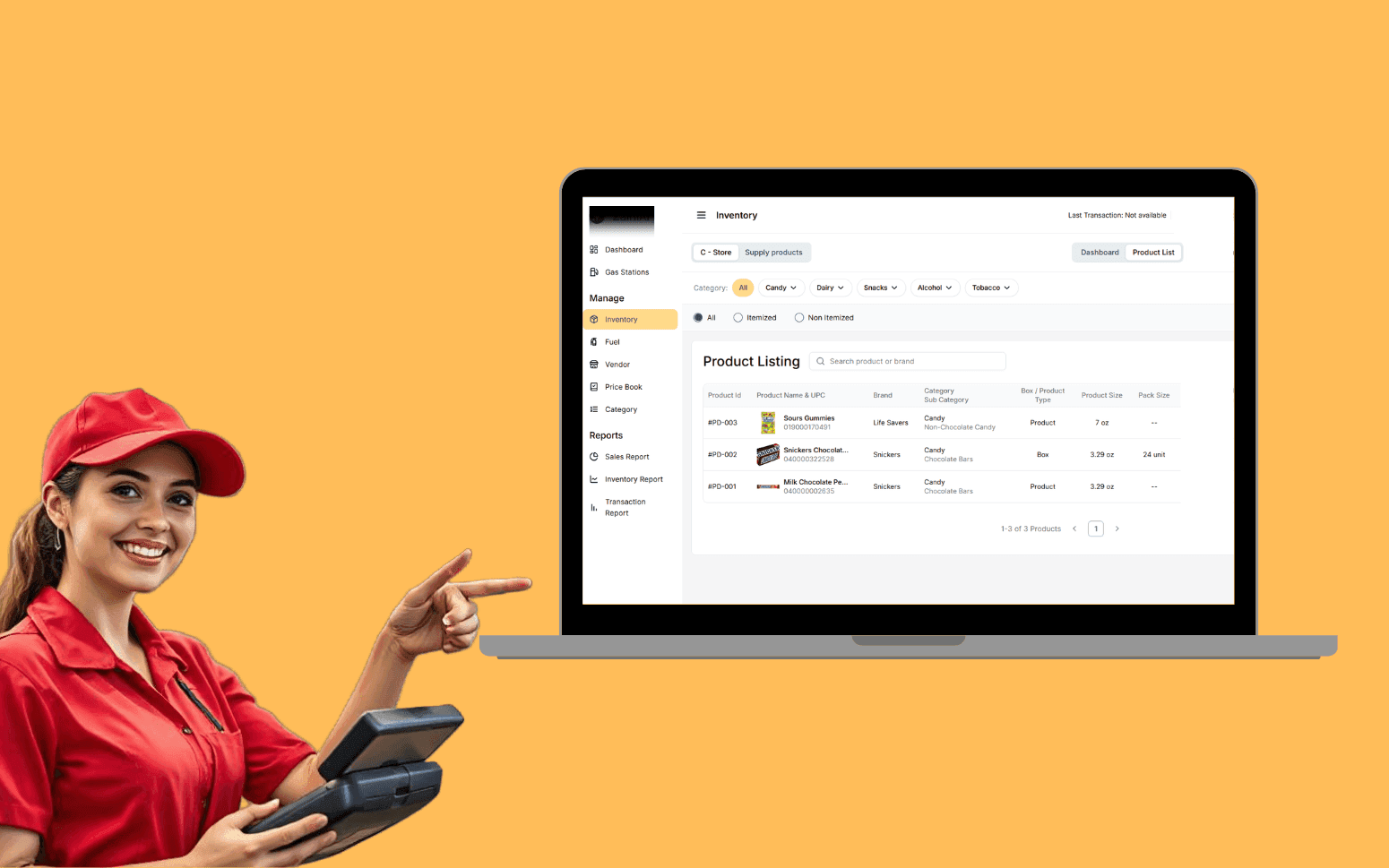
AI OCR Software Scales Gas Station Operations With 20K+ Transactions
- 20K+
- 40+
- 70%
Solar sales teams using a generic CRM switch between three or four tools to run a single deal: the CRM for the lead, a spreadsheet for the savings estimate, a separate tool for the financing comparison, and a PDF editor for the proposal. Each switch is a data re-entry risk and a delay.
We build custom CRM software for solar sales teams where the lead record, the savings estimate, the financing comparison, and the proposal are in one place. When the customer signs, the handoff to the installation team is automatic. No re-entry, no data loss, no "did you send the site notes to operations?"
Lead pipeline with source tracking and follow-up automation
Solar savings proposal generator linked to lead record
Financing option comparison and presentation tools
Contract management and installation team handoff
Recognition
Solar sales team using a generic CRM with no way to generate a savings proposal or present financing options without switching to a separate tool?
Lead-to-contract handoff that requires manual data re-entry into the installation management system because the two tools don't connect?
In short
RaftLabs builds custom solar sales CRM software for solar sales teams, covering lead capture from multiple channels, solar savings proposal generation using the customer's utility rate and roof data, financing option comparison and presentation, contract management, and automated data handoff to the installation team. A custom solar CRM is appropriate when your proposal accuracy, financing complexity, or installation handoff requirements go beyond what a generic CRM supports. Projects typically deliver in 10-14 weeks at a fixed cost.
Companies we've built for








Generic CRMs are built around contacts, companies, and deal stages. That structure works for most B2B sales. It breaks down for solar because the proposal isn't a price list. It's a financial model. The customer's current utility bill, rate escalation assumptions, system production estimate, federal tax credit, and chosen financing structure all change the payback period and the monthly savings number. Getting that wrong in the proposal damages trust when the system is installed and the numbers don't match.
A custom solar CRM builds the proposal engine directly into the lead record. The rep enters the utility rate, the roof data, and the system size. The savings estimate, the payback period, and the financing comparison are calculated and formatted into a document the customer can sign. When the deal closes, the site data and system design go directly to the installation team. No phone call, no email, no copy-paste.
Lead capture from web forms, referral partners, door-to-door canvassing apps, and paid advertising channels, all routed into a unified pipeline. Solar marketplace platforms including EnergySage and SolarReviews deliver lead data via webhook or API, so leads flow directly into the CRM without a rep manually copying contact details from an email notification. Lead source tracking for every contact so conversion rates can be measured by channel. EnergySage leads converting at a different rate than door-to-door leads is a finding the system surfaces without manual analysis. Pipeline stages configured to match your sales process: inquiry, site assessment scheduled, proposal sent, financing approved, contract signed, handed to installation. Follow-up task automation: a lead with no activity in three days triggers a reminder, and a rep who hasn't logged a call within five days gets a flag from the sales manager dashboard. Assigned rep notification for new leads from high-priority sources. Territory management for sales rep assignment, leads are routed by ZIP code or service territory so they reach the right rep automatically, and territory boundaries can be redrawn when team structure changes. Lead reassignment when a rep leaves or a territory changes, with full history preserved. Duplicate detection on phone number and address to prevent the same homeowner being worked by two reps at the same time.
Savings estimate calculated from the customer's current monthly utility bill, the utility's rate schedule, a configured annual rate escalation assumption, the proposed system size, and the site's expected production using solar irradiance data for the address. Utility bill analysis uses OCR extraction. The customer uploads their bill as a PDF, and the system reads the kWh usage and tariff data directly, removing the manual re-entry step and reducing data entry errors on high-volume proposal days. Aurora Solar and OpenSolar provide API integrations for shading analysis and precise system sizing: the roof geometry, azimuth, and pitch are used to model actual production per string, and the output feeds into the savings calculation rather than using a flat irradiance estimate. Output: projected annual production in kWh, year-one savings in dollars, 25-year cumulative savings, and simple payback period with and without the federal investment tax credit. Estimate generated inside the lead record and formatted into a branded proposal document with system diagram, production chart, and savings table. Proposal PDF generated in one click and stored against the lead for audit purposes. Estimate assumptions, including rate, escalation percentage, system losses, and degradation rate, are editable by the rep for custom scenarios without changing the default company settings. Each assumption is documented in the stored proposal so disputes about the original numbers can be resolved from the record.
Financing options configured in the system, loan terms from your lending partners, lease structures, and PPA rates, so reps present accurate numbers without calling the finance desk. Side-by-side comparison of purchase, loan, lease, and PPA showing monthly payment, year-one savings, and 25-year net benefit for each. The calculator applies net present value (NPV) and internal rate of return (IRR) logic to each financing scenario so the rep can present the financial case in the terms a homeowner or business owner actually evaluates: how much does this cost me over time versus what I'd pay to the utility? Federal investment tax credit applied to purchase and loan scenarios automatically. State and utility incentives, net metering credits, state rebates, and PACE financing eligibility, are configured by service territory and applied to the comparison without the rep needing to look them up. Financing application submission for integrated lending partners where the rep initiates the credit check from within the CRM lead record. Approved terms are stored against the lead and flow into the contract automatically. Financing approval status tracked with automated follow-up if the application stalls beyond a configurable number of days. When a lender updates its rates or dealer fee structure, the configuration update cascades to all new proposals immediately, and any pending proposals with the old terms are flagged for rep review before they are sent.
Contract generation from the signed proposal with customer details, system specifications, financing terms, installation address, and warranty terms populated automatically. No re-entry needed. DocuSign integration for e-signature so the contract is sent, tracked, and executed without the customer needing to print, scan, or mail anything. Contract status tracked in real time against the lead record: sent, delivered, viewed, signed, or expired. The sales rep sees envelope status without leaving the CRM, and the customer receives the DocuSign email within seconds of the rep clicking send. Follow-up automation triggers when a contract has been sent but not signed within a configured number of days: a reminder email to the customer and a task for the rep without manual scheduling. Signed contract PDF stored against the customer record with a timestamp, event log, and signer IP for compliance. Installer rating and availability is checked at contract signature time to route the confirmed project to an available crew for the installation window the customer selected, so the sales-to-operations handoff isn't a bottleneck. Change order management for scope changes after the initial contract is signed, with a new DocuSign envelope generated and customer re-signature required before any scope change takes effect.
Closed contracts trigger an automatic handoff to the installation management system. Customer name, address, system specifications, roof data from the site assessment, financing structure, and signed contract documents are transferred without any manual step. The operations team receives the full project package the moment DocuSign confirms the contract is signed, not when the sales rep remembers to forward the email. The handoff package includes the site survey notes, the Aurora Solar or OpenSolar system design file, the financing approval confirmation, the utility interconnection requirements, and any notes the rep captured during the site assessment. Salesforce or HubSpot integration is available for teams that already manage their post-sale account activity in one of those platforms. The CRM writes the closed-won record to Salesforce or HubSpot automatically, so the account management team has the project data without a second tool. Handoff confirmation logged against the CRM record so the sales rep knows the installation team has received the project. Bi-directional status updates: as the installation progresses, the sales rep's CRM record updates to show the current milestone, permit submitted, installation scheduled, energisation complete. Customer record in the CRM becomes the account record for the life of the relationship, covering future service, warranty, and referral activity, not just the initial sale.
Lead volume by source and period with cost-per-lead where ad spend data is connected. Conversion rates at each pipeline stage, lead to assessment, assessment to proposal, proposal to contract, broken down by rep, territory, and lead source. Average deal size and time from lead to signed contract by rep and by financing type. Proposal accuracy reporting compares the estimated annual production from the Aurora Solar or OpenSolar model against the actual meter readings after six months of operation, so the company can assess whether the production assumptions used in proposals are conservative, accurate, or optimistic and adjust the model accordingly. Pipeline value report showing the aggregate contract value in each stage, the weighted expected close rate per stage, and the projected revenue for the quarter. Territory performance view shows which service areas produce the highest close rates and which have the longest time-to-close, informing decisions about territory sizing and rep assignment. Rep performance dashboard for sales managers shows individual conversion rates at each stage, pipeline volume, average contract value, and average time from lead to signed contract, updated in real time without the manager needing to pull a weekly report.
Generic CRMs store contact information and track deal stages. They don't calculate a solar savings estimate from a utility rate and a system size. They don't pull kWh usage out of a utility bill via OCR. They don't connect to Aurora Solar or OpenSolar to retrieve a system design and shading analysis. They don't present three financing options, loan, lease, and PPA, side by side with accurate monthly payments and NPV comparisons. Every one of those steps happens outside the CRM in a separate tool, which means manual data transfer, inconsistent numbers between documents, and no audit trail connecting the estimate to the signed contract. The result is a rep who switches between four tools per deal, a proposal document that might not match the financing calculator, and a closed-won record that has to be manually forwarded to the installation team. A solar CRM puts those steps inside the lead record so the rep works in one place, the numbers are consistent from first estimate to signed proposal, and the handoff to operations is automatic. The difference is most visible when a contract is disputed. With a purpose-built system, the original proposal assumptions, the DocuSign event log, and the handoff record are all accessible from the same screen.
Utility rate schedules are configured in the system by service territory: flat rates, tiered rates, and time-of-use rates where applicable. For residential customers, OCR extraction reads the kWh usage and current rate directly from an uploaded utility bill PDF, so the savings calculation starts from the customer's actual consumption pattern rather than a national average estimate. Rate escalation assumptions are set at the company level. A standard 3% annual rate escalation is common, but the rep can adjust per proposal for conservative or optimistic scenarios with the change documented in the record. Solar irradiance data for production estimates comes from PVWatts or via the Aurora Solar or OpenSolar API, which models production per string using the actual roof geometry, azimuth, tilt, and shading obstructions identified from the site address. The system documents every assumption used in each proposal, utility rate, escalation percentage, production estimate, system losses, degradation rate, and tax credit percentage, so when the customer's actual bills are reviewed six months after installation, any variance can be traced to a specific input rather than left unexplained. This documentation is also what the installer rating and availability check references at handoff, confirming the system design matches the crew's certification and equipment.
Financing options from your lending partners are configured in the system with their current loan terms, interest rates, dealer fees, and promotional periods. For partners who provide an API, the rep can initiate a credit application directly from the CRM lead record and receive an approval decision within the session. For partners without an API, the system generates a pre-filled application package the rep sends to the lender. Approved financing terms are stored against the lead record and flow through to the contract automatically. When a lender changes its rates or terms, the update is made in the system configuration. Existing pending proposals are flagged for review if the terms have changed materially.
A focused pipeline and proposal tool covering lead management, savings estimate generation, and proposal PDF output typically runs $20,000 to $25,000. A full CRM adding financing option tools, contract management with e-signature, installation team handoff, and reporting typically runs $35,000 to $60,000. Projects with multiple lending partner API integrations, territory-based routing, or integration with an existing installation management system are scoped individually. We price at fixed cost agreed before development starts. Projects deliver in 10 to 14 weeks depending on scope.
What clients say
Three-year average engagement. Founders and operators describing the work in their own words. No marketing varnish.

 USA
USAAll of the sprints were completed on schedule and on budget. We highly recommend RaftLabs!
01 / 02
Tell us your lead volume, your current proposal process, and the specific step that is slowing your reps down. We'll tell you what we'd build and how long it would take.