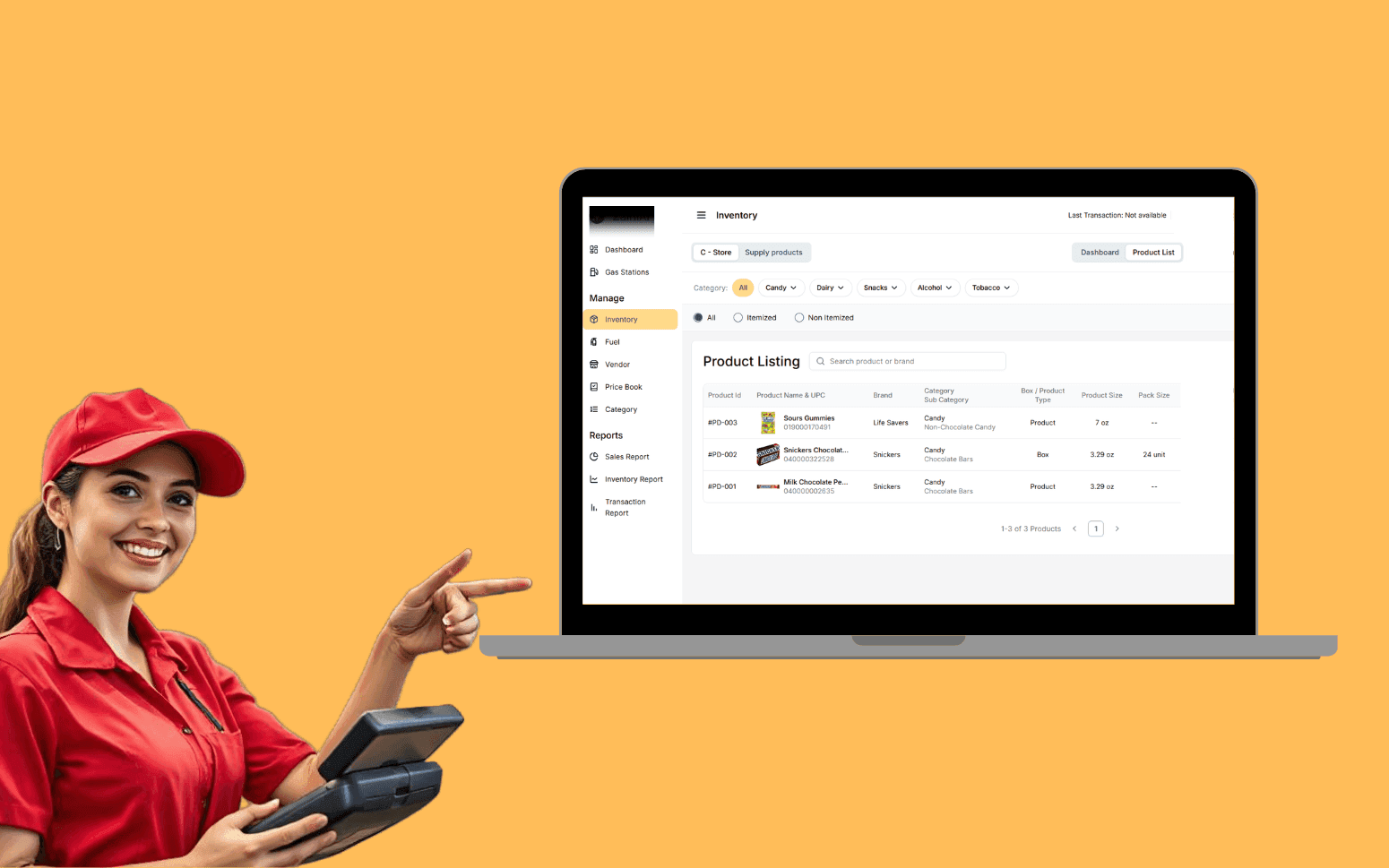
AI OCR Software Scales Gas Station Operations With 20K+ Transactions
- 20K+
- 40+
- 70%
Multi-project dashboards with milestone and risk status. Financial tracking with actual-vs-budget at project and portfolio level. Subcontractor task assignment and progress tracking. Document control and investor reporting, all in one platform built for how solar EPCs and developers actually work.
We build custom solar project management software for EPCs, developers, and O&M providers. From permitting through to commissioning and handover, we cover the full project lifecycle.
Multi-project dashboard with milestone and risk status
Financial tracking with actual-vs-budget at project and portfolio level
Subcontractor task assignment and progress tracking
Document control and investor reporting
Recognition
Solar EPC managing 20 or more projects simultaneously with no single view of which ones are behind schedule and why?
Financial tracking split between the PM tool and a spreadsheet, so actual-vs-budget comparisons are always a week behind?
In short
Solar project management software gives EPCs, developers, and O&M providers a single platform to track milestones, costs, subcontractors, and documents across every active project. It replaces the combination of generic PM tools and spreadsheets that breaks down when managing more than five or ten projects at once. RaftLabs builds custom solar project management systems tailored to your contract types, reporting requirements, and project workflows.
Companies we've built for








Basecamp, Asana, and Monday work for projects with a stable team, a simple task list, and no financial tracking requirements. Solar EPC projects involve permitting timelines that depend on councils, subcontractors who need access to drawings but not commercial data, milestone payments that trigger when specific tasks are signed off, and investors who need monthly progress reports in a format that matches the financing agreement.
Custom solar project management software is scoped to those requirements. The milestone structure reflects your contract stages. The financial tracking captures the cost categories that matter for solar builds. Subcontractor access is configured so each trade sees the tasks and documents relevant to their scope, not the full project file. Investor reports pull from live project data rather than being assembled by hand.
Single dashboard showing all active solar projects with milestone status, schedule risk flags, and financial summary at a glance. The project lifecycle stages covered span the full EPC sequence: prospecting, site assessment, design, permitting, procurement, installation, commissioning, and ongoing O&M. Each project card in the portfolio view shows current stage, days since last milestone completion, budget variance percentage, and a RAG status indicator: red for projects with overdue milestones or a budget overrun exceeding a configurable threshold, amber for projects approaching a risk condition, green for projects tracking normally.
Filter controls narrow the portfolio by project type (residential, commercial, utility-scale), geographic region, client, and project manager. Drill-down from the portfolio summary to the project-level Gantt and financial detail happens in a single click without switching systems or opening a separate spreadsheet. The portfolio manager can see across 20, 50, or 200 concurrent projects and identify which ones need intervention this week, which are on track, and which are approaching a stage gate that requires resource attention. PTO (Permission to Operate) tracking status is visible at portfolio level so the operations team can see how many projects are post-commissioning, awaiting grid operator sign-off versus already generating revenue.
Project templates for residential, commercial, and utility-scale solar builds with the standard milestone set pre-configured: site assessment, design review, AHJ (Authority Having Jurisdiction) permit submission, permit approval, utility interconnection application, procurement and equipment delivery, installation, electrical inspection, utility interconnection sign-off, commissioning, and PTO (Permission to Operate). Each milestone is a structured gate with required documents, sign-off requirements, and downstream dependencies that the system enforces. A commissioning milestone can't be marked complete without the commissioning checklist being signed off, and the checklist includes a PVsyst predicted vs. actual performance comparison. The system validates that the measured yield at commissioning falls within an acceptable range of the PVsyst modelled output.
Task-level scheduling within each milestone captures individual work items with assignees, start dates, due dates, and predecessor relationships. Task dependencies prevent a task from being scheduled before its predecessors are complete. Subcontractor task assignment notifies the relevant trade when their tasks are ready and due. Design tool integration with HelioScope API or PVsyst can pull system design parameters (module count, inverter configuration, predicted annual yield) directly into the project record at the design milestone, eliminating manual re-entry of design data into the PM system. CAD drawing attachment at the design milestone links the AutoCAD layout files to the project record version-controlled. Automated schedule risk alerts fire when tasks become overdue or when a milestone predecessor is delayed by more than a configurable threshold, giving the project manager advance warning rather than discovering a slip after the milestone date has passed.
Project budget setup by cost category mirrors the typical solar EPC cost structure: modules, inverters, racking and mounting hardware, balance-of-system electrical, labour (installation crew, electricians), subcontract packages (civil, roofing, structural), interconnection fees, permitting and engineering fees, and contingency. BOM (bill of materials) management links the equipment list, including module model and quantity, inverter model and count, and racking system specification, directly to the procurement budget line so the cost of the designed system is always tied to its components. Purchase order automation generates draft POs from the approved BOM, reducing the manual step of transferring equipment lists from the design tool to the procurement system.
Actual cost is entered against budget lines as invoices are received and approved. Committed cost tracking captures signed purchase orders and subcontract agreements that are not yet invoiced, so the forecast-to-complete is based on total committed spend rather than just actual invoiced costs. Actual-vs-budget variance is displayed at line item level and total project level, updated in real time as costs are posted. Milestone billing tracks the draw schedule for contracts where client payments are triggered by project stage completion. The system generates a billing event when a milestone is signed off, and the client invoice can be raised directly from the milestone record. Procore and BuilderTREND are the reference platforms in the construction PM space; our solar project management software addresses the same financial tracking problem with solar-specific milestone structures, equipment BOM integration, and PTO tracking that generic construction PM tools do not provide.
Subcontractor contact records capture trade type (civil, structural, electrical, roofing), insurance certificate expiry date with automated renewal alerts, licence number and jurisdiction, and performance history from previous projects. Resource allocation assigns subcontractors to specific project phases with scheduled start and end dates, and the scheduling view surfaces conflicts where the same subcontractor is booked across overlapping projects in the same period. That's a common problem for EPCs managing more than ten concurrent builds in the same region.
Task assignment to subcontractors includes due dates, priority, and document attachments: the specific drawing revision, specification section, and scope document that applies to their work package. Subcontractor portal access is role-scoped: each trade sees their assigned tasks, the current revision of drawings and specs relevant to their scope, and a communication thread for their work package. They cannot see contract values, other subcontractors' tasks, client contact details, or project cost data. Task completion is confirmed in the portal with a completion photo upload, and the project manager's confirmation step is required before the task is marked closed in the project plan. Subcontractor performance is tracked across projects by task completion rate, on-time delivery rate, and defect rate (number of defect items raised against their work package relative to scope), producing a performance history that informs subcontractor selection on future projects.
Central document store for each project covers the full document set a solar EPC generates and receives: site assessment reports, PVsyst and HelioScope design files, AutoCAD layout drawings, structural engineering reports, electrical single-line diagrams, AHJ permit applications and approval notices, utility interconnection applications and signed agreements, equipment datasheets, procurement contracts, subcontract agreements, inspection reports, commissioning certificates, and compliance documentation. Version control marks the current revision of every document clearly and archives previous revisions with the date of supersession and the reason for revision, so anyone looking for the current drawing cannot accidentally retrieve an outdated revision that was circulated by email.
Drawing transmittal workflows formalise the process of issuing updated design documents to subcontractors. A transmittal record captures which documents were issued, to which recipients, at which revision, and on which date. Recipients acknowledge receipt in the subcontractor portal, and the acknowledgement timestamp is recorded against the transmittal. Permit and interconnection application tracking records the submission date, application reference number, assigned reviewer, and expected decision date for AHJ permits and utility interconnection applications. These are the two external dependencies that most frequently drive schedule delays on solar projects. Automated expiry alerts fire before time-limited documents lapse: AHJ permit validity periods, equipment warranty registrations, subcontractor insurance certificates, and PTO conditional approval timeframes all carry configurable alert windows so the project manager is notified before an expiry creates a compliance problem.
Monthly progress reports generated automatically from live project data, covering construction progress against programme (Gantt comparison), cost against budget by category, committed-cost forecast to complete, risk register summary with open items and their mitigation status, and upcoming milestone dates for the next 30 and 60 days. Report format is configurable per investor or lender so the output matches the reporting schedule and field set required by each financing agreement. A construction lender drawing schedule typically requires different data points from an equity investor's monthly progress report; both templates run from the same underlying project data without duplication.
Commissioning reporting includes the PVsyst predicted vs. actual performance comparison, the measured DC output and AC yield from the commissioning test data compared against the PVsyst model for the same irradiance conditions. This comparison is a standard deliverable in utility-scale financing agreements and is often required by the lender's independent engineer before the final construction loan draw is approved. PTO tracking status is reported per project showing the current interconnection stage, the date PTO was requested from the utility, and the expected PTO approval date. Investor portal access provides read-only views of progress reports, financial summaries, and the project document store so capital partners can review the information they need without requesting it from the project team. Custom report templates for different investor or lender requirements are configured during the onboarding phase and regenerated automatically each reporting period from live data.
Generic PM tools like Asana, Monday, or Basecamp handle task lists, basic scheduling, and team communication. For a solar EPC managing three to five projects with a small team, they can work with enough manual configuration. The gaps appear at scale and in the specifics of solar project requirements.
Financial tracking in a generic PM tool requires a spreadsheet alongside it because the PM tool has no concept of committed costs, BOM-to-purchase-order automation, or milestone billing tied to stage completion sign-off. Document control with version management for engineering drawings, superseded revisions, drawing transmittals with acknowledgement tracking, permit document log, is not a feature these tools provide. Subcontractor access that is scoped strictly to the relevant work package without exposing commercial data to the subcontractor requires custom role configuration that generic tools do not support cleanly. Reporting formats that match a construction lender's reporting schedule, including PVsyst predicted vs. actual performance comparison at commissioning, are not outputs any generic PM tool can generate.
Procore and BuilderTREND are the reference platforms for construction project management and are better suited to solar EPCs than generic tools, but they are designed for commercial construction workflows and do not include solar-specific features: HelioScope or PVsyst integration, interconnection application tracking with AHJ and utility stage gates, PTO tracking, or inverter/module BOM management tied to the procurement module. Custom solar project management software addresses these gaps because it is built for the solar EPC workflow rather than approximating it through configuration.
Project-level financial tracking captures costs against the budget for a single project by cost category: modules and inverters, racking and balance-of-system, labour, subcontracts, permitting and interconnection fees, and contingency. Actual costs are entered as invoices are received and approved. Committed costs capture signed purchase orders and subcontract agreements that are not yet invoiced. That's the critical distinction from simple invoice tracking: an EPC that has signed a $200,000 subcontract and received the first invoice for $40,000 has a committed cost of $200,000, not $40,000. Actual-vs-budget variance and forecast-to-complete are both based on committed cost so the project's financial exposure is visible before the invoices arrive, not after. Milestone billing tracks which project stage gates have been passed and whether the corresponding client draw has been invoiced and received.
Portfolio-level financial tracking aggregates those project-level figures across all active projects: total contracted revenue, total budget, total actual-to-date, total committed, and total forecast-to-complete across the portfolio. Margin by project type (residential, C&I, utility-scale) and by region is available for the business owner or CFO. The portfolio view is built from the same underlying project-level data so there's no reconciliation step between the project manager's numbers and the finance team's numbers. They're looking at the same data at different aggregation levels. Committed cost forecast-to-complete at portfolio level is the key metric for cash flow planning in an EPC business running multiple simultaneous projects with staggered procurement and billing cycles.
Subcontractors need enough information to do their work and no more. We build role-based access so each subcontractor sees their assigned tasks, the drawings and specs relevant to their scope, and the communication thread for their work package. They cannot see contract values, other subcontractors' tasks, client contact details, or any project data outside their scope. Subcontractors access the system through a portal. No software to install, no licence fee per user. Access is granted per project and expires when their scope is complete. We configure the permission structure during the scoping process to match your specific subcontractor types and what each trade needs to see.
A focused platform covering multi-project dashboards, milestone tracking, financial tracking, and document control for a solar EPC or developer typically costs $30,000 to $80,000 depending on the number of project types and the complexity of reporting requirements. A full EPC project management system adding subcontractor portals, investor reporting, and integration with accounting software runs $60,000 to $150,000. We scope the project before pricing it so you know what's included, what the cost is, and when it'll be delivered before development starts.
What clients say
Three-year average engagement. Founders and operators describing the work in their own words. No marketing varnish.

 USA
USAAll of the sprints were completed on schedule and on budget. We highly recommend RaftLabs!
01 / 02
Tell us your project types, team size, and what your current tools are missing. We'll design the system and give you a fixed cost.