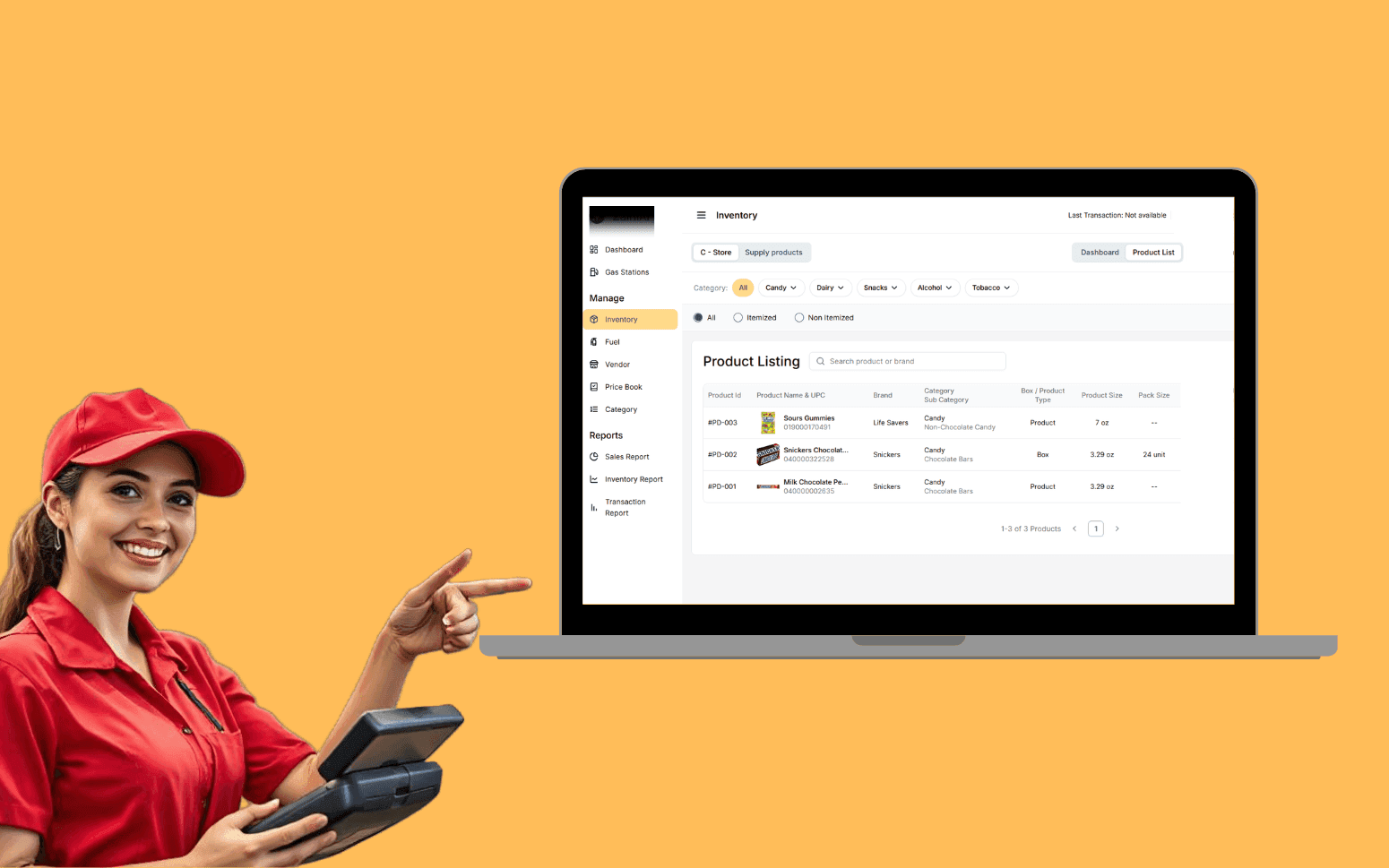
AI OCR Software Scales Gas Station Operations With 20K+ Transactions
- 20K+
- 40+
- 70%
Social services, housing, and benefits case management involves the most sensitive data a local authority handles. The software needs to be not just functional but secure, auditable, and designed to support workers who carry high caseloads, work across multiple agencies, and can't afford data entry errors on safeguarding decisions.
We build custom case management systems for government social care, housing, regulatory compliance, and benefits administration teams, with the audit trail, the access controls, the referral management, and the statutory reporting that public sector accountability requires.
Individual and household case records with needs assessment, service plan, action tracking, and complete case history
Referral management for inter-agency working and multi-disciplinary team coordination with a closed-loop referral record
Safeguarding workflow with configurable alert thresholds, escalation paths, and decision recording for audit
Statutory reporting outputs in the format required for central government returns and inspectorate performance monitoring
Recognition
Social care workers managing caseloads across two or three disconnected tools because the case management system handles adults but not children, or housing but not benefits, and there is no joined-up view of a family's circumstances across service areas?
Statutory reporting for the annual return requiring a manual extract from the case system and several days of data reconciliation because the system wasn't built to produce the return format the government department requires?
In short
RaftLabs builds custom case management software for government social services, housing, benefits, and regulatory teams who need systems that reflect the specific case workflow, data requirements, and audit obligations of their service. We build individual and household case records, referral management for inter-agency working, safeguarding workflow with escalation paths, statutory needs assessment tools, and reporting for central government statutory returns. Most government case management projects deliver in 14 to 20 weeks at a fixed, agreed cost.
Companies we've built for




Government case management at its most demanding covers social care for vulnerable adults and children, housing support for households facing homelessness, and benefits administration for claimants with complex circumstances. These are longitudinal records of a relationship between a person and a service: the presenting need, the assessment, the support plan, the interventions, the reviews, and the outcomes. The software managing these records needs to reflect that complexity rather than flattening it into a simple status field and a notes box.
We build case management systems for government teams whose case complexity requires a data model designed around their specific service rather than adapted from a generic platform. We understand the requirements of social care, housing, and regulatory case management: the safeguarding obligations, the inter-agency working requirements, the statutory assessment frameworks, and the central government reporting obligations that most commercial platforms were never designed to meet.
Case records designed around your service's data model: the presenting need categories, the assessment dimensions, the intervention types, and the outcome measures your service uses rather than a generic structure that requires workarounds for the data points you actually capture. Individual and household linkage lets a family's case record reflect the relationships between household members, with each individual's record maintaining its own case history while the household view shows the combined picture. Case chronology shows every event, every contact, every decision, and every document in date order. It's the audit trail that inspectorates and serious case reviews need to reconstruct what happened and when. Life event recording captures the significant milestones in the service relationship as structured events rather than free-text notes. Worker allocation tracks multiple workers with different roles on a single case: the allocated worker, the reviewing worker, the team manager, and any specialist or agency workers involved.
Statutory assessment tools configured to the specific frameworks your service uses: the Care Act needs assessment for adult social care, the Child in Need assessment for children's services, the housing needs assessment under the Homelessness Reduction Act, or the regulatory compliance assessment for enforcement services. Assessment completion workflow puts the structured questions, scoring dimensions, and eligibility determination logic into the system rather than on paper. Service plan creation flows from the assessment outcome, with the support objectives, planned interventions, responsible agencies, and review schedule recorded in the system. Review recording happens at configured intervals, capturing the current status of each objective and the worker's professional judgement. Unmet need recording captures eligible needs that can't be met within available resources, for the statutory return and service commissioning data.
Outgoing referral workflow records the referral details, urgency level, supporting information, and outcome for cases referred to another team, agency, or commissioned provider. Incoming referral management handles teams receiving referrals from the public, statutory partners, or other services: the referral is screened, prioritised, and allocated within the configured response timeframe. Closed-loop referral tracking means the receiving agency confirms acceptance, records their assessment outcome, and closes the referral loop in the system. No more following up by phone to find out what happened. Multi-disciplinary team coordination gives all contributing agencies access to the shared case record within appropriate access controls, with each agency's contribution visible to others without exposing information they're not authorised to see. Inter-agency secure messaging keeps case communication in the record rather than in email.
Safeguarding concern recording captures the concern category, risk indicators, worker's initial assessment, and escalation decision as a structured event in the case record rather than a free-text note. Alert thresholds are configured to your service's safeguarding framework: the number of concerns in a defined period, the combination of risk indicators, or the time since the last review that triggers an automatic alert to the supervising worker or team manager. Strategy discussion and Section 47 enquiry recording for children's cases captures the multi-agency meeting, decision, and outcome in the structured format required by Working Together. Child protection conference management records the conference date, attendees, risk assessment, and conference decision. The child protection plan is created from the conference outcome. Adult safeguarding enquiry recording under Section 42 captures the enquiry decision, investigation, and outcome plan in the format required for the Making Safeguarding Personal framework.
Document storage in the case record holds all documents associated with the case: assessment reports, professional reports, court documents, correspondence, consent forms, and anything else relevant to the case history. Document upload from workers' desktop or mobile devices categorises the document type and date at upload, so documents can be found by type rather than scrolled through chronologically. Letter and correspondence generation from templates populates the individual's details from the case record: the formal assessment notification, the service plan summary, the review letter, the closure notification. Incoming correspondence is scanned or uploaded and linked to the case, so the complete correspondence history is in one place. Document sharing with the individual or their representative goes through a secure portal where your service provides individuals with access to their own records.
Statutory return data extraction produces the central government data collections in the required format: the SSDA903 return for looked-after children, the Short and Long Term Support data collection for adult social care, the Housing statistical data return, or the equivalent return for other service areas. The data comes from live case records rather than manual compilation, so the return reflects the current state of the caseload at extraction. Performance monitoring dashboards for team managers and service managers show caseload size by worker, assessment completion rates, case review compliance, and cases approaching or past their statutory timescales. Inspectorate readiness reports show the evidence base for the service's performance against the inspection framework criteria: the data that Ofsted, CQC, or the Housing Ombudsman would ask for. Data quality reports identify cases with missing data, incomplete assessments, or overdue reviews so team managers can address issues before they affect the statutory return or an inspection outcome.
Yes, and this is a common requirement for councils wanting a single platform across their adult and children's services directorates. The data models for adults and children's services differ: the assessment frameworks, case types, safeguarding processes, and statutory returns are all distinct. But the underlying case record architecture, referral management, document management, and reporting infrastructure can be shared. We design the system with a configurable service layer so each service area uses the case record structure and workflow appropriate to its statutory framework, while sharing the infrastructure for inter-agency working, document management, and reporting. Access controls mean workers in one service area can't see cases in another without an explicit authorisation.
Safeguarding records are among the most sensitive data a local authority handles, and the access control architecture reflects that. Role-based access controls are designed during the architecture phase to reflect your service's information governance policy: which roles can see which categories of data, and under what circumstances. For cases involving domestic abuse, refuge addresses, or other high-risk personal data, we design the data model to separate identifying information from case content, with access to the link table restricted to a small number of authorised staff. All data is encrypted at rest and in transit. Every access to a case record is logged with the user, the timestamp, and the action taken: the audit log required for subject access requests and serious case reviews. We produce a Data Protection Impact Assessment for systems handling this category of data.
Yes, and this is a core requirement for most government case management projects. We configure the statutory return data extraction during the build phase based on the current return specification for the relevant data collection. The data is extracted from live case records in the required format: XML, CSV, or the specific format required by the submission portal without manual compilation. Where the return specification changes, we update the extraction configuration as part of the maintenance arrangement. We don't submit the return on behalf of the authority. That remains the responsibility of the designated data return lead. We provide the extraction tool and validation checks so the data is as clean as possible before submission.
A case management system for a single service area, for example adult social care needs assessment and support planning or housing homelessness prevention case management, typically runs $60,000 to $100,000 depending on the complexity of the assessment framework, statutory reporting requirements, and inter-agency integrations in scope. A platform covering multiple service areas with shared infrastructure and cross-service reporting typically runs $100,000 to $200,000. We scope every project before pricing. Fixed cost only.
What clients say
Three-year average engagement. Founders and operators describing the work in their own words. No marketing varnish.

 USA
USAAll of the sprints were completed on schedule and on budget. We highly recommend RaftLabs!
01 / 02
Tell us which service area you are building for, the statutory framework it operates under, and where the current system falls short. We'll design a system built around your specific case workflow.