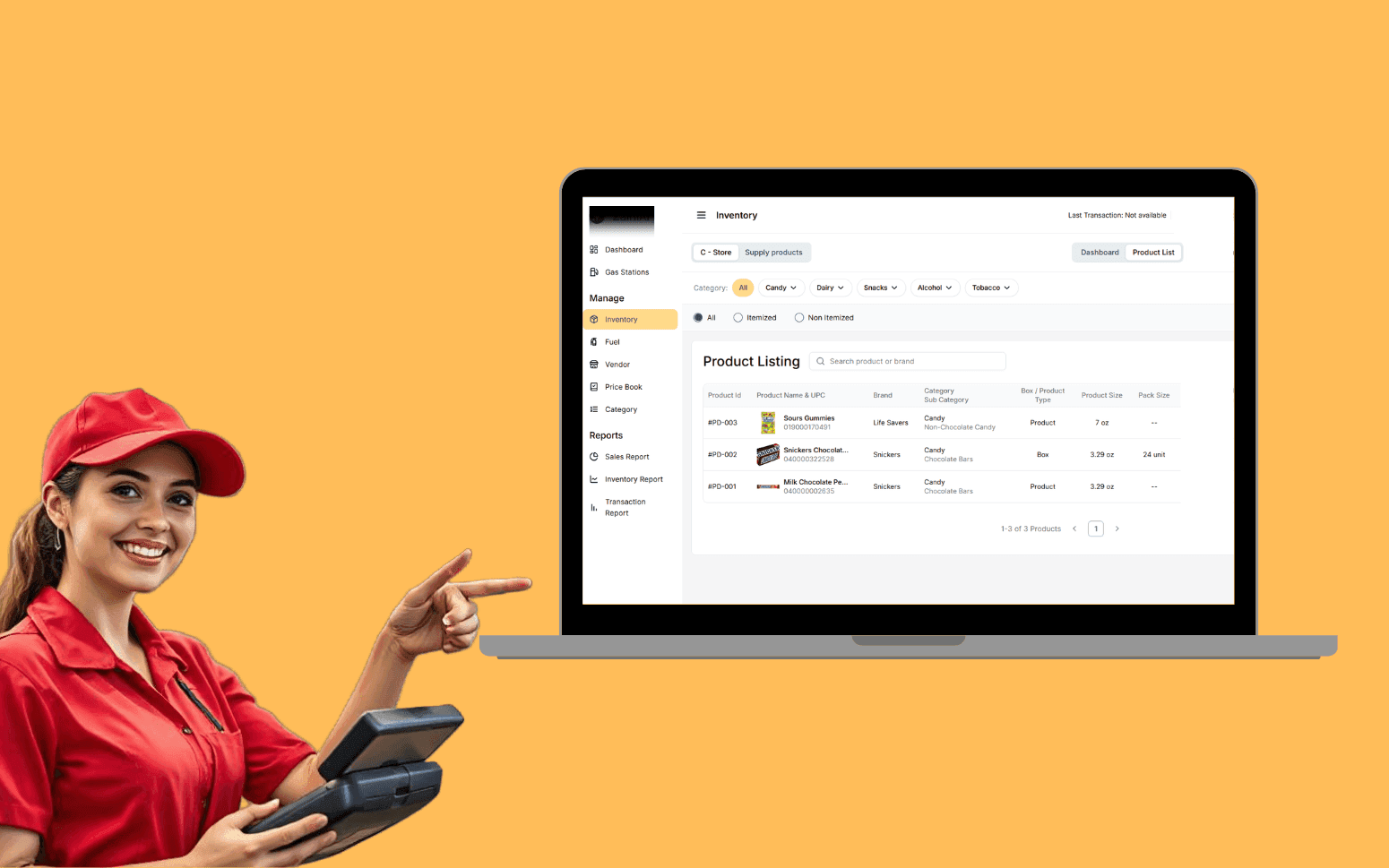
AI OCR Software Scales Gas Station Operations With 20K+ Transactions
- 20K+
- 40+
- 70%
Custom subcontractor portals for general contractors who need scope distribution, RFI workflows, progress claims, compliance documents, and payment tracking in one place. Not email threads where the latest version is somewhere in the chain.
Built around the reality of how subcontractors work. A portal they log into to see their scope, respond to RFIs, submit progress claims, upload compliance certificates, and check payment status, reducing the calls to your office and creating the audit trail you need when something goes wrong.
Scope and drawing distribution with version control so every sub has the current revision
RFI and technical query workflows with response deadlines and full audit trail
Progress claim submission, review, and approval with payment certification
Compliance document portal for insurances, licences, and SWMS, with expiry tracking
Recognition
Coordinating 20+ subcontractors by WhatsApp and email chains where instructions get lost and nobody has the same version of the scope?
Progress claims arriving in different formats with no standard approval workflow, causing payment delays and disputes?
In short
RaftLabs builds custom subcontractor management software for general contractors covering scope distribution, RFI and technical query workflows, progress claim submission and approval, compliance document collection, and payment status tracking. It replaces WhatsApp threads and email chains with a structured digital portal where every instruction, approval, and submission has a traceable record. Most subcontractor management platforms ship in 10-14 weeks at a fixed cost with full source code ownership.
Companies we've built for



Most construction projects run subcontractor coordination through email threads and WhatsApp groups. The scope is in an attachment buried in an email from week three. The RFI response came via a voice note. The progress claim is a PDF in a format that's different from every other sub's claim. The compliance certificate expired six months ago and nobody noticed until the safety audit.
When a dispute arises, and it will, you're assembling that paper trail manually, hoping you can find everything. When a subcontractor claims they weren't told, you have to search threads that span months.
A subcontractor management portal gives every subcontractor a structured digital workspace. They log in, access their scope documents, respond to RFIs through a tracked workflow, submit progress claims in a standard format, and upload their compliance certificates. You have a complete audit trail for every instruction, every submission, and every approval, created automatically, without someone having to maintain it.
Scope documents, drawings, and specifications issued to each subcontractor through a controlled portal. Every sub sees only the documents relevant to their package, not your full project documentation. Revision tracking keeps superseded drawings clearly marked so field teams always access the current issue. Distribution records show who received which document and when, the same information that Procore tracks in its document management module, but tied directly to your subcontract package structure rather than a generic project folder hierarchy.
The prequalification workflow preceding document access captures the information a GC needs before issuing scope: insurance certificate verification with coverage type, policy number, and expiry date, safety record check against incident frequency and lost-time injury rates, and financial solvency screening using D&B or equivalent credit data to confirm the sub can carry the financial risk the contract requires. Subcontractors who do not meet prequalification thresholds are flagged for review before they receive bid documents or are issued scope. The version control that prevents a subcontractor building to a drawing you superseded two weeks ago, and the prequalification record that demonstrates due diligence if a compliance or financial failure occurs on site.
RFI and technical query workflows where subcontractors submit requests through the portal and responses route through your team to the relevant consultant. Response deadlines set per RFI with automatic reminders on overdue items. Markup attachments, revised drawings, and written responses attached directly to the RFI record. All parties notified when a response is issued.
Bid solicitation is handled through the same portal: the GC issues an invitation to tender to qualified subcontractors for each package, sets the bid due date, and receives bids through a structured submission form rather than email attachments. Bid levelling tools allow line-item comparison across bids received: each bidder's price for each scope item is displayed in a side-by-side matrix, making it straightforward to identify price outliers, scope exclusions, and items where one sub has misread the specification. The levelled bid comparison is the document that supports the award decision and is retained in the project record. Closed RFIs searchable by trade, package, and date range, creating the technical correspondence record automatically rather than requiring someone to compile it. The daily work log by trade captures each trade's on-site crew count, plant, and progress notes per day, giving the GC a contemporaneous record of site activity that supports both programme management and dispute resolution.
Standard progress claim submission through the portal captures claim amount, work completed, supporting documentation, and variation references in a consistent format following the AIA G702 Application and Certificate for Payment structure used in US commercial construction. The claim form captures schedule of values line items, percentage completion per item, amount previously certified, and current period claim, producing a claim in the format your QS expects rather than a freeform PDF from each sub. Subcontract agreement generation is integrated at award: the portal produces the subcontract document with scope of work, contract sum, retention percentage, and payment terms populated from the awarded bid data, reducing the manual effort of drafting subcontracts from template for each package.
Lien waiver management handles both conditional and unconditional waivers: a conditional lien waiver is generated with each payment application and becomes unconditional when payment is confirmed, maintaining the waiver chain required for the GC's own AIA G702 payment application to the owner. Retention terms are tracked per subcontract: the portal calculates the retention deduction on each certified payment and tracks the total retention held per sub, releasing it on practical completion per the contract terms. Certified payroll report generation for Davis-Bacon Act compliance on federally funded projects captures employee name, trade classification, hours worked, wages paid, and fringe benefits per pay period in the WH-347 format required by the Department of Labor. The claim process that takes three days instead of three weeks, with the documentation trail that makes payment disputes straightforward to resolve.
Variation and site instruction workflows where scope changes are issued, priced by the sub, and approved or negotiated through a tracked process. Site instructions are issued through the portal with scope description and a request for the sub's pricing within a defined response period. The sub submits a variation quotation with labour, materials, and preliminary breakdown. The GC reviews, negotiates if required, and approves or rejects with documented reasons. Approved variations are added to the subcontract sum and the variation register in real time.
Subcontractor performance scoring is updated on each variation cycle: schedule adherence (days between site instruction issue and quotation submission), negotiation outcome (approved amount vs. original quotation), and punch list completion speed (days between practical completion notice and punch list item clearance) are the three metrics that build the sub's performance score. The score is visible to the procurement team at the next project bid stage. Variation register showing all open, approved, and rejected variations per package, with the approved contract sum and total approved variations displayed against the original subcontract value. Autodesk Construction Cloud and Sage 300 Construction both track variation registers in a similar structure. The custom portal replicates this workflow while connecting it directly to the payment certification and lien waiver chain. The variation record exists without someone maintaining a spreadsheet, and you can produce it in full if the contract goes to dispute.
Compliance portals where subcontractors upload required documents: public liability and workers compensation insurance certificates with coverage amounts and policy numbers, contractor licences by trade, Safe Work Method Statements for each high-risk task, site induction records per worker, and any project-specific compliance requirements set by the owner or principal contractor. Expiry dates are parsed from uploaded documents using OCR and stored as structured fields, not as free-text notes someone has to read and re-enter. Automatic reminders are sent to the subcontractor at 60 days, 30 days, and 7 days before expiry, and to the GC compliance team when a certificate lapses without renewal.
Work access flags prevent a subcontractor's team from being granted site access if their compliance documents are out of date. The compliance status check is embedded in the site access approval workflow rather than maintained as a separate spreadsheet. Insurance certificate verification includes minimum coverage threshold checks: the system flags a certificate where the policy limit is below the contractual minimum rather than requiring a QS or administrator to read each certificate and compare it to the subcontract schedule. The compliance record that protects you in a safety audit, not the one you're assembling the night before. For projects where the Procore compliance tracking module is already in use, the custom portal can push compliance status updates via the Procore API, keeping both systems consistent without double entry.
Payment status visible to each subcontractor through their portal: claim submitted, under review, certified for payment, and expected payment date. Reduces the payment enquiry calls that occupy your accounts and project management team in the week after claim cut-off. The payment status timeline shows the date the claim was received, the date the assessment was completed, the certified amount, the retention deduction, and the net amount scheduled for payment. That's the information a sub's accounts team needs to manage their own cash flow without calling your office.
Broadcast communication to all subcontractors on a project, or targeted messages to specific trades. Site instruction acknowledgement tracking records the date and time each sub opened and confirmed an instruction, giving the GC a documented notification record in the format required to demonstrate that instructions were properly issued and received. The communication record demonstrates you notified everyone you needed to notify, which matters particularly for safety notices, programme changes, and site access restrictions where the consequences of a sub claiming they were not informed are significant. For GCs also running Procore or Autodesk Construction Cloud, the communication records can be synchronised via API so the custom portal and the project management platform share the same correspondence history.
Subcontractor management software is a structured digital portal where general contractors distribute scope, manage RFIs and technical queries, receive and approve progress claims, collect compliance documents, and communicate with subcontractors. It replaces the combination of email, WhatsApp, and manual spreadsheets most GCs use to coordinate their subcontractor base. A dedicated platform makes sense when you're running multiple concurrent projects with ten or more subcontractors, when compliance documentation management is becoming a liability risk, when variation disputes are arising from unclear instruction records, or when progress claim processing is taking more time than it should because every sub submits in a different format. Reference platforms like Procore, Autodesk Construction Cloud, and Sage 300 Construction cover standard subcontractor management workflows. Custom development makes sense when your operation has workflow requirements those platforms don't support out of the box: unusual contract structures, certified payroll reporting for Davis-Bacon compliance, integration with a proprietary ERP or accounting system, or a multi-tier subcontract structure where tier-2 subs also need portal access. The value is the audit trail. Every instruction, every submission, every approval is captured automatically rather than assembled from memory when something goes wrong.
Yes. Subcontractor portals typically integrate in two directions: with your project management system so scope, programme, and document data does not need to be entered twice, and with your accounting system so approved progress claims flow through to payment processing without manual re-keying. Common construction PM integrations include Procore via its REST API (which covers documents, RFIs, submittals, and commitments), Autodesk Construction Cloud via the APS (formerly Forge) API, and Microsoft Project for programme data. Accounting integrations cover Xero, QuickBooks Online, Sage 300 Construction, and Viewpoint Vista for job cost posting. The integration scope depends on what APIs your existing systems expose and what data needs to flow in each direction. We scope integrations during discovery: we confirm the authoritative source for each data element, the trigger for each sync, and the error handling when the integration fails, before pricing is agreed. If your core project management system is a custom or proprietary platform, we assess the integration options based on what data it exposes via API or database export.
RFI workflows can be configured with priority levels and escalation paths. Urgent RFIs are flagged at submission and route to the relevant consultant with a tighter response deadline and real-time notification rather than a daily digest. If a response is not received within the defined window, the system escalates to the next person in the approval chain and notifies the subcontractor that the RFI is being expedited. The response time configuration is adjustable per project and per RFI type, not a one-size-fits-all deadline. The workflow also supports same-day verbal direction confirmed by site instruction, where the instruction is issued through the portal after the field decision is made and acknowledged by the sub.
A subcontractor portal covering scope distribution, RFI management, progress claims, and compliance document collection typically runs $30,000 to $60,000. A more complete platform with variation management, payment status integration, and accounting system connectivity typically runs $60,000 to $120,000. Cost depends on the number of integrations, the complexity of the claim and variation approval workflows, and whether the portal needs to support multiple project types with different compliance requirements. We scope every project before pricing it. You get a fixed cost covering an agreed scope, with no surprise invoices as development progresses.
What clients say
Three-year average engagement. Founders and operators describing the work in their own words. No marketing varnish.

 USA
USAAll of the sprints were completed on schedule and on budget. We highly recommend RaftLabs!
01 / 02
Tell us how many active subcontractors you coordinate, your current tools, and where the process breaks down. We'll scope the right portal and give you a fixed cost.