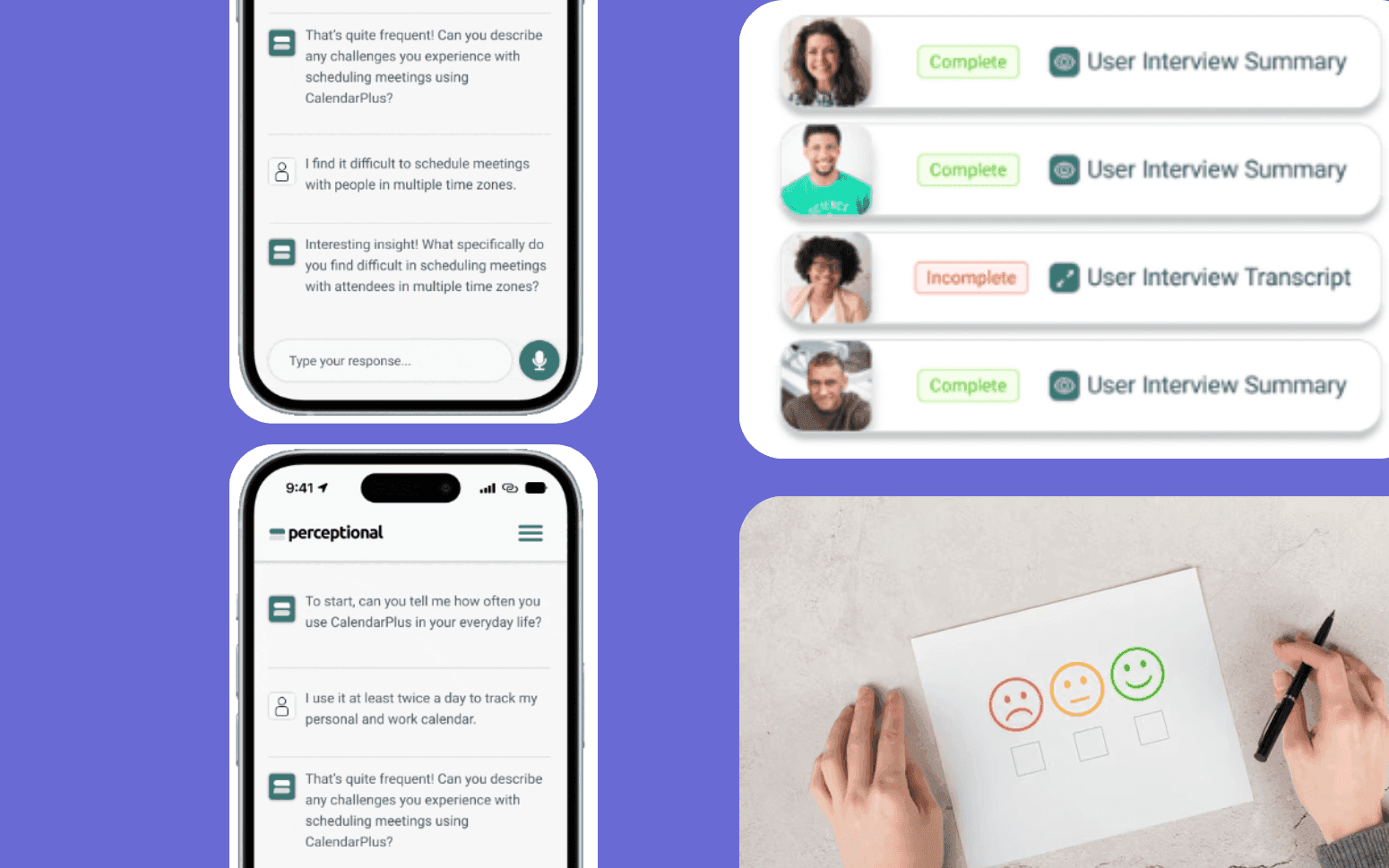
Building a Conversational AI Chatbot for a Professional Services Firm
- 40%
- 12 weeks
Three separate systems, a PM tool, a time tracker, and a resourcing spreadsheet, that do not talk to each other produce a project health view that is always a week out of date. By the time someone collates the status, the window to act on budget overruns or resource constraints has closed.
We build custom project management software for consulting firms, agencies, and professional services companies. Project delivery, resource planning, time tracking linked to project budget, and client reporting in one system, so project health is visible as it happens, not after the fact.
Project delivery tracking with milestones, tasks, and dependencies
Resource planning and utilisation reporting
Time tracking linked to project budget and billing
Client-facing project dashboards and reporting
Recognition
Project managers updating status in a tool that doesn't connect to time tracking or resourcing, three separate systems that don't talk to each other, so the project health view is always a week out of date?
Resource allocation decided by gut feel because there's no visibility into who's available, what's on the bench, and which projects are approaching capacity?
In short
Professional services project management software connects project delivery, resource planning, time tracking, and client reporting in one system, so project health is based on real data rather than manual collation from separate tools. RaftLabs builds custom professional services project management platforms for consulting firms, agencies, and professional services companies that need delivery tracking and resource visibility built around how they actually run engagements.
Companies we've built for








Generic PM tools track tasks. Professional services firms track revenue, utilisation, margin, and client relationships alongside tasks. When a task is behind schedule in a product company, a sprint deadline slips. When a task is behind schedule on a consulting engagement, a billing milestone is missed, a client expectation is broken, and a resourcing decision needs to be made immediately.
The other problem is that generic tools are isolated. The PM tool shows task status. The time tracking tool shows hours logged. The resourcing spreadsheet shows who is allocated where. None of them agree on the same view of a project, and producing a coherent picture requires someone to manually pull data from all three. That person spends significant time on that collation work every reporting cycle, and the output is still a week old by the time decisions are made from it.
A custom professional services project management platform connects delivery tracking, time data, and resourcing in one place. Project health is calculated from real data, hours logged against budget, milestones completed against plan, resources allocated against demand. Project managers see the real picture. Senior partners see it without asking for it.
Project creation with phases, deliverables, milestones, and budget allocation by phase. Project template library for recurring engagement types, strategy consulting, implementation, audit, or agency retainer, so each new project starts from the right structure rather than a blank canvas. Scope change management with a change request workflow that documents what changed, the budget impact, and client approval before the project baseline is updated. Fee structure configuration at the project level, fixed price, time and materials, retainer, or milestone-based, so billing rules are set up correctly from the start.
Project financials are configured at setup with a budget-versus-actual tracking structure aligned to how the engagement will be billed. For fixed-price projects, the budget is allocated across phases and milestones; revenue is recognised under the percentage-of-completion method per ASC 606 and IFRS 15, earned revenue in each reporting period equals total contract value multiplied by the percentage of completion measured as hours worked versus total estimated hours, or milestones completed versus total milestones, depending on the contract type. WIP (Work In Progress) tracking records the difference between hours delivered (and therefore revenue earned) and amounts billed to date, positive WIP is unbilled earned revenue; negative WIP is billings in excess of earned revenue. Both appear in the financial dashboard and feed into the monthly finance reporting without manual calculation. For professional services firms preparing for audit, the WIP schedule and revenue recognition documentation produced by the system provide the evidence trail that a manual spreadsheet process can't reliably generate.
Task assignment with due dates, dependencies, and allocated team member. Milestone tracking with RAG status, green, amber, red, based on task completion and time elapsed against plan. Blocker flagging that surfaces at the project level so project managers see impediments without waiting for a status meeting. Automated status roll-up from tasks to milestones to project health so the project view reflects actual progress rather than a manually updated status field. Overdue task reports distributed to team members and project managers on a defined schedule without manual chasing.
The project risk register tracks identified risks with probability, impact, RAG status, and assigned owner. Risk status is reviewed at each reporting cycle and the change history is retained, so project managers have a documented record of risk identification and mitigation actions that satisfies PMO governance requirements. For firms running JIRA or Asana for task-level tracking alongside a project management platform, the integration layer syncs task status bidirectionally: tasks created in JIRA or Asana appear in the project management system against the correct project and phase, and completion status flows back without manual reconciliation. ClickUp integration follows the same pattern via the ClickUp API. The PMO dashboard aggregates across the portfolio: on-time delivery rate by project manager, margin per engagement, utilisation rate by practice group, and project health distribution (percentage of active projects in red, amber, green status), the portfolio-level KPIs that practice directors and managing partners need without assembling them manually from individual project reports.
Staff capacity view across all active projects and confirmed future work, showing available hours by person and week. Forward-looking demand view that shows what resourcing is needed for projects moving into delivery in the next four to eight weeks. Skill-based assignment that filters available staff by the competencies required for the role on the project. Utilisation target and actual reporting by team member and practice group, showing billable versus non-billable hours and where each person sits against target. Bench visibility showing unallocated staff and their available hours so resourcing decisions are made on real data.
Billable hours versus capacity tracking is the operational metric professional services firms monitor most closely. The system calculates utilisation rate as billable hours logged divided by available hours for the period, expressed as a percentage, the same calculation used by BigFour consultancies and law firms to evaluate fee earner productivity. Target utilisation is configured by role and grade (e.g., 75% billable for senior consultants, 60% for directors who carry business development time), and actual versus target is displayed by individual and practice group at the week, month, and year-to-date level. Skill-based assignment uses a skills taxonomy configured for your firm: each staff member has proficiency levels against defined skill categories (financial modelling, Salesforce implementation, M&A due diligence), and when a project requires a specific skill, the resourcing view filters to staff with the required proficiency who have available capacity. This removes the informal network bias that causes the same people to be requested repeatedly while staff with equivalent skills sit underutilised.
Timesheet submission linked to project, phase, and task, so time entries land in the right place without manual reconciliation. Weekly timesheet with a quick-entry interface and timer option for time captured as work happens rather than reconstructed at end of week. Timesheet approval workflow with project manager review before hours are posted to the project budget. Budget burn tracking showing hours and cost consumed against project budget at the task, phase, and project level. Alert on threshold breach, configurable at 75% and 90% budget consumption, so project managers are notified before the project is over budget rather than after.
Approved timesheets feed directly into the billing workflow: for time and materials projects, approved hours multiplied by the client rate card generate draft invoice line items that the project manager reviews before sending. Milestone billing projects generate an invoice automatically when a milestone is marked as approved and client sign-off is recorded in the portal, the milestone billing trigger removes the manual step of checking what is ready to invoice and reduces the delay between delivery and billing. The timesheet data also feeds the QuickBooks and Xero integration: billable hours are posted as revenue accruals and staff costs as WIP journal entries, keeping the accounting system current without manual data entry from the project management platform. For Xero integration, tracking categories map project codes and phase codes to dimensions in the Xero ledger. For QuickBooks, class and customer/job codes provide the same cost centre mapping. Expense claims submitted by staff on project-related travel and direct costs are captured in the same timesheet interface, approved by the project manager, and coded to the project budget for reimbursement and client billing.
Automated status report generation from project data, milestone status, task completion, budget burn, and risks flagged, so project managers produce a client-ready report without manually compiling it. Client-facing project portal where clients track milestone status, view budget burn, access deliverables, and communicate with the engagement team without calling for updates. Deliverable sign-off workflow in the portal captures client approval with a timestamp, replacing email sign-off chains. Report branding and formatting match the firm's standards without additional design work each reporting cycle.
The client portal replaces the common pattern where project status updates are sent by email, deliverables are shared via Google Drive or SharePoint, and sign-off is collected through a reply-to-email chain with no audit trail. In the portal, clients see the live milestone plan with RAG status, budget consumption against the agreed fee, a document library with version-controlled deliverables, and a communication thread tied to specific deliverables or milestones. When a deliverable is uploaded, the client receives a notification with a link to the review page; they can add comments or approve directly from the portal. The approval timestamp and the client user's identity are stored in the audit log, satisfying the contractual sign-off requirement that email threads technically satisfy but practically make difficult to retrieve six months later. For firms using JIRA or Asana internally, the client portal presents a filtered view of project progress without exposing the internal task management tool directly to clients.
Revenue forecast from active projects based on milestone dates and billing schedules, showing expected billing for the next rolling 12 weeks. Margin by project and client combining fee revenue, staff cost at cost rate, and direct expenses. WIP reporting showing earned but unbilled revenue by project so billing bottlenecks are visible before they affect cash flow. Utilisation reporting by team member and practice group for the compensation or review period. Pipeline-to-delivery conversion reporting showing which opportunities converted and at what fee level versus initial scope.
The financial reporting layer is where a project management system earns its place in a professional services firm's operations stack. Revenue recognition under ASC 606 (US GAAP) and IFRS 15 requires firms to recognise revenue as performance obligations are satisfied, for a consulting engagement, this typically means the percentage-of-completion method applied to each distinct deliverable or project phase. The system calculates earned revenue per period from hours logged against estimated total hours (input method) or milestones completed against total milestones (output method), and produces the supporting schedule the finance team needs for monthly close. WIP schedules show unbilled earned revenue (asset) and billings in excess of earned revenue (liability) by project, in the format required for balance sheet presentation. Margin per engagement combines billed revenue, staff cost at fully-loaded cost rate (salary plus overhead), and direct project expenses to show gross margin and contribution margin by project, client, and practice area, the reporting that enables practice leaders to identify which client relationships and engagement types are most profitable and price future work accordingly.
A generic PM tool tracks tasks, due dates, and assignees. Professional services software connects task management to the financial model of the engagement, budget consumption, billing milestones, resource cost, and margin. It handles multiple billing models in the same platform: fixed price projects, time and materials engagements, retainers, and blended arrangements. It provides utilisation reporting by team member so business leaders can see where capacity is being consumed and whether billable hours are tracking against target. And it produces client-ready reporting without requiring a project manager to collate data from separate tools.
Resource planning and project scheduling are connected through the project plan. When a task is created and assigned to a person, the system records that person's commitment for the hours and dates on that task. The resource view aggregates those commitments across all projects to show each person's total allocation by week. When a new project is being set up, the resource planning view shows which people have capacity in the relevant time window. When a project slips its schedule, the impact on the resource plan is visible immediately, the resource still shows as committed even if the task date moved, prompting a resourcing conversation before a conflict becomes a delivery problem.
Yes. Billing model is configured at the project level. Fixed price projects track time and cost against budget for internal profitability but generate invoices at milestone completion or on a defined schedule rather than from a time log. Time and materials projects generate invoices from approved timesheets against the client rate card. Retainer projects have a monthly billing amount with hours tracked against a retainer hours bank. A single client can have multiple active engagements of different types, each with the correct billing model. The financial reporting consolidates across all engagement types so revenue and margin reporting isn't split by billing model.
A professional services project management platform covering project setup, task and milestone management, time tracking, resource planning, and financial reporting for a firm of 20 to 100 people typically takes 14 to 18 weeks from requirements sign-off to go-live. Client portal and automated reporting add four to six weeks. Integrations with accounting systems. Xero, QuickBooks, Sage, or NetSuite, add two to four weeks depending on the system. We migrate historical project and client data where the source system supports export. Fixed cost, agreed before development starts.
What clients say
Three-year average engagement. Founders and operators describing the work in their own words. No marketing varnish.

 Canada
The project was delivered on time, and within the budget we had agreed upon. Really satisfied.
01 / 02
Tell us how your firm manages delivery, resources, and client reporting today and where the gaps are. We will scope a platform built around how your engagements run.