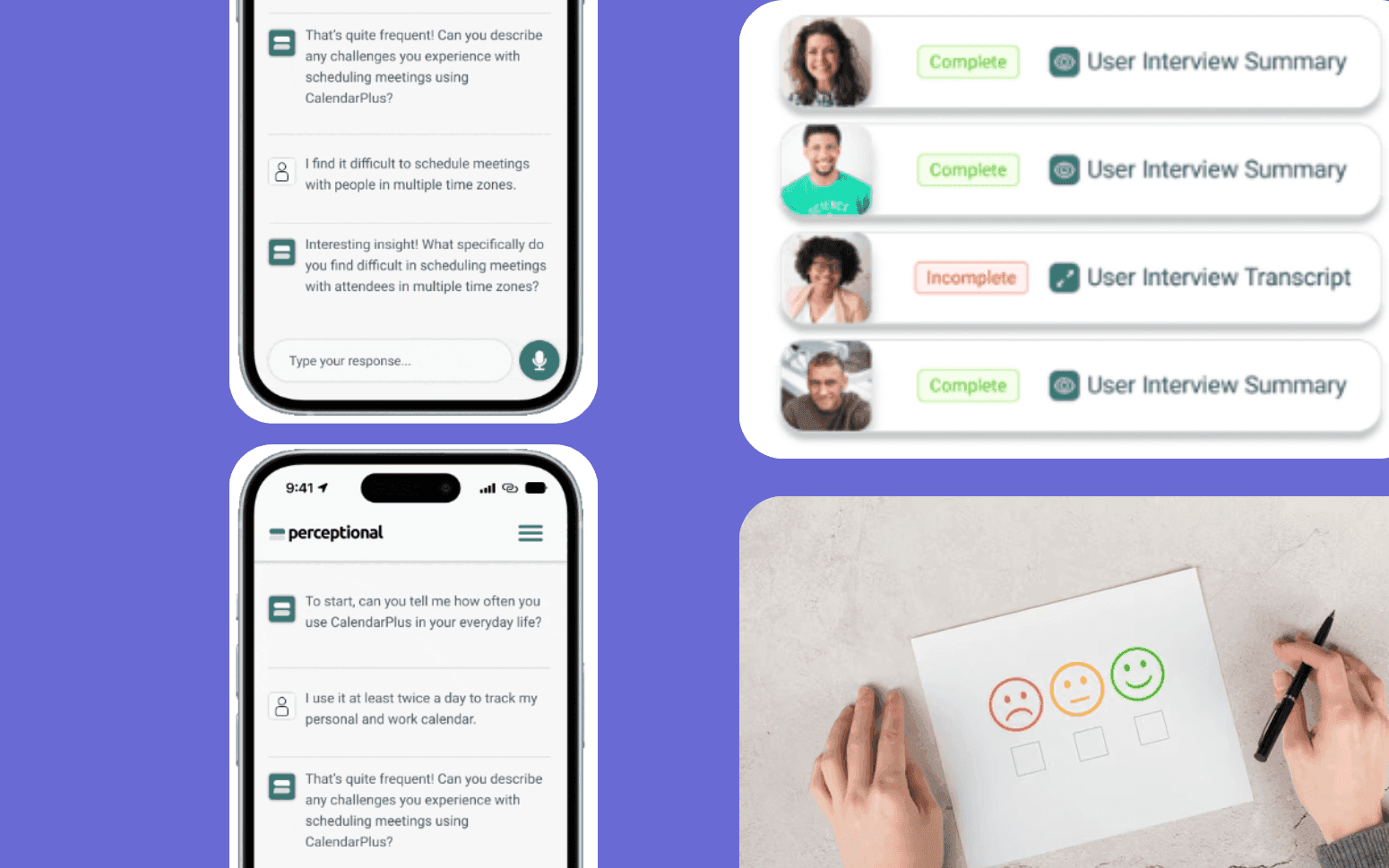
Building a Conversational AI Chatbot for a Professional Services Firm
- 40%
- 12 weeks
Contract review AI that reads every clause, flags deviations from your playbook, identifies missing provisions, and surfaces the positions that need attorney judgment, so reviewers focus on the exceptions, not on confirming that boilerplate is boilerplate.
For legal teams reviewing high volumes of commercial contracts where the same standard clauses appear in 80% of documents and the same 5 risk positions appear in the ones that need work.
Clause extraction and classification across all standard contract sections without manual identification
Deviation detection against your playbook, flagging where counterparty language differs from your standard positions
Missing provision alerts for required clauses not present in the counterparty draft
Risk scoring by section with attorney attention directed to the highest-risk deviations
Recognition
Are your attorneys spending review time confirming standard clauses are present rather than analysing the clauses that create real risk?
Is contract review time the bottleneck that slows your commercial deal cycle, and is that bottleneck growing as contract volume increases?
When a counterparty slips a non-standard limitation of liability clause into a routine agreement, does your review process reliably catch it?
In short
AI contract review software extracts and classifies every clause, detects deviations from your playbook, flags missing provisions, and scores risk by contract section, so attorneys review the exceptions rather than every paragraph. RaftLabs builds AI contract review systems for legal teams that reduce per-contract review time by 40 to 70 percent on routine commercial agreements. The system integrates with your CLM or contract management platform and most projects deliver in 8 to 14 weeks at a fixed cost.
Companies we've built for



A 30-page NDA still requires a full read to confirm the standard clauses are present and the non-standard ones aren't. A legal team reviewing 300 commercial contracts per year is spending significant attorney time on work that doesn't require attorney judgment, confirming the confidentiality clause is present, the liability cap is standard, the governing law is correct, before they can get to the clauses that actually need their attention.
AI contract review inverts this. The AI reads every clause, classifies it, compares it against your playbook, and flags the deviations and missing provisions. The attorney reviews the flagged items, not the whole document. The routine confirmation work disappears. The detailed judgment work remains.
LLM-based clause extraction using GPT-4o or Claude 3.5 Sonnet with structured JSON output and JSON Schema validation, each extracted clause is returned as a typed JSON object with fields for clause type, extracted text, page reference, and a confidence score. JSON Schema validation at the API response layer keeps the structured output machine-readable and consistent regardless of how the underlying LLM formats its response, preventing hallucinated field names or missing required properties from reaching the review interface. Named Entity Recognition (NER) using spaCy or AWS Comprehend Legal identifies contract parties, effective dates, monetary values, payment terms, and notice periods within the extracted text, so party names, contract values, and key dates are surfaced as structured data fields, not just free text for the reviewer to scan manually. Clause types covered include limitation of liability, indemnification scope and carve-outs, confidentiality obligations and exceptions, IP ownership and assignment breadth, termination triggers and notice requirements, governing law and jurisdiction, dispute resolution mechanism, warranty scope and disclaimers, data protection and GDPR DPA obligations, auto-renewal provisions, and any custom clause types defined in your playbook. Clause text is extracted and presented with its classification so reviewers navigate directly to any section type without scrolling the full document. Works on uploaded PDFs, Word documents, and text files. Extraction quality is evaluated against your contract library during the validation phase before production deployment.
Comparison of extracted clauses against your defined playbook positions. Your playbook documents your standard positions per clause type: acceptable language ranges, positions you'll accept with modification, positions you won't accept, and positions that require escalation to senior counsel or the business. Risk flagging is configurable per clause type: non-standard indemnification scope (indemnifying the counterparty for gross negligence or wilful misconduct), uncapped liability exposure (limitation of liability clause that doesn't cap the counterparty's aggregate liability), automatic renewal without adequate notice (auto-renewal triggered with less than the minimum notice period your playbook requires), and IP assignment breadth (assignment language that transfers more IP than the relationship requires, or that includes background IP not created under the contract). The AI compares counterparty language against these configured positions and flags deviations with a three-tier severity classification: standard (no action required), deviation (attorney review needed), or high risk (escalation required). Each flagged deviation includes the extracted counterparty language, the playbook position it deviates from, and the specific risk the deviation creates, so the reviewing attorney sees not just that there's a deviation but why it matters. The deviation report replaces the line-by-line manual comparison that currently occupies the first two-thirds of a review and requires the reviewer to hold the entire playbook in memory while reading.
Detection of required provisions absent from the counterparty draft. Your standard agreement checklist defines the provisions that must be present for each contract category: GDPR Data Processing Agreement (DPA) clauses for contracts involving personal data processing (required under GDPR Article 28 when appointing a data processor), specific warranty disclaimers for software and technology contracts, required IP assignment language for development or services agreements, defined governing law and jurisdiction, mandatory dispute resolution mechanism, and any contract-category-specific provisions your legal team has identified as non-negotiable. GDPR DPA review covers the detailed requirements of Article 28 DPA clauses, the system checks for the required sub-processor notification obligations, data subject rights support obligations, security obligations, audit rights, and deletion or return obligations that a compliant DPA must include. When the AI doesn't find a required provision in the counterparty document, it flags the absence with the specific missing provision identified and the reason it's required. Clause comparison against your precedent library identifies whether a present but non-standard clause has been used successfully in a previous contract, surfacing historical context that may inform the attorney's decision on whether to accept or push back. This prevents the scenario where a required clause is silently absent because the reviewer noticed only what was there.
A confidence-scored risk assessment per contract section and an overall contract risk rating that directs attorney attention to where it's most needed. Risk scoring factors: deviation severity from playbook position (high-risk deviations carry more weight than standard deviations), clause category risk weight (uncapped liability and broad indemnification carry higher weights than governing law or notice period deviations), number of non-standard positions across the contract, presence or absence of required provisions, and counterparty-specific risk history if the organisation has reviewed contracts from the same counterparty previously. Each extracted and classified clause carries a confidence score, high-confidence extractions are presented for attorney review of the flagged deviation; low-confidence extractions are flagged as requiring full manual attention rather than being presented as certain classifications. The attorney review queue for low-confidence extractions is separated from the deviation review queue so attorneys know which items the AI is confident about and which require independent judgment without AI assistance. High-risk contracts surface at the top of the review queue. Within a contract, high-risk sections surface first. Clause comparison against your precedent library adds a historical dimension to the risk score, a clause that has been accepted in five previous contracts with this counterparty is scored differently from one that has never appeared before. For legal teams reviewing many contracts simultaneously, risk prioritisation puts the riskiest positions in front of attorneys first.
Automated redline generation for non-standard clauses where your playbook defines an alternative position. When a counterparty clause deviates from your standard position and your playbook specifies the preferred fallback language, the system generates a redline comparing the counterparty language against your preferred position in tracked-changes format. The redline is generated using GPT-4o or Claude 3.5 Sonnet with your playbook's fallback language as the reference input, producing a Word-compatible tracked-changes document that attorneys can open directly in their document management system. For organisations using iManage Work or NetDocuments as their document management platform, redlined documents are saved back to the matter workspace automatically. For organisations using SharePoint or OneDrive as their document store, the integration routes through SharePoint REST APIs to save the redline alongside the original counterparty draft. The attorney reviews and approves each redline before it goes into the negotiation response, the AI generates the first draft of the redline, not the final version, and attorney oversight is required before any redline leaves the organisation. Accepted and rejected redline suggestions are tracked and fed back to refine the playbook encoding over time, so the system learns which redlines your attorneys accept and which they modify. Reduces the time from clause identification to counterparty response for the most common deviation types from hours to minutes.
Integration with your contract management system or CLM platform so AI review is a smooth step in the existing contract lifecycle, not a separate tool that requires manual export and re-import. For iManage Work users, contracts received into a matter workspace trigger the AI review via iManage REST API webhook, and results are saved as annotations and a summary document within the same matter. For NetDocuments users, the integration uses NetDocuments REST APIs to retrieve documents from a configured cabinet, trigger review, and post results. For SharePoint-based document management, the integration uses Microsoft Graph API to monitor a designated document library and process new contracts on arrival. Reviewer notifications are sent via the CLM's native notification system or via email when AI review is complete, with a direct link to the flagged items summary. For Bluebook or OSCOLA citation checking in contracts that include legal references, the citation validation module checks extracted citations against the relevant citation format standard and flags non-conforming references. For organisations without a CLM, we build a lightweight review workflow interface that manages contract intake, tracks status through the review stages, and stores the AI review results alongside the contract document. Accepted and rejected AI suggestions are tracked per clause type and fed back to the playbook refinement process so deviation detection accuracy improves over time. The AI review system integrates into how your team currently receives, processes, and stores contracts rather than requiring a workflow change.
AI contract review delivers the highest time reduction for contracts with consistent structure and high volume: NDAs, standard service agreements, vendor contracts, SaaS subscriptions, and commercial contracts that follow your organisation's standard templates. These contracts have predictable clause structures, known deviation patterns, and playbook positions that have been defined over many reviews. For highly negotiated, custom agreements (M&A documents, complex financing arrangements, novel commercial structures), AI review provides useful extraction and flagging but requires more significant attorney engagement because the structure is less predictable and the deviations are more complex. We assess your contract mix during scoping and design the system for the contract types where it delivers the highest value.
Playbook encoding is a structured workshop exercise at the start of the project. Your legal team defines for each contract category: the clause types that require review, the acceptable language ranges per clause type (what you'll accept without comment, what you'll accept with modification, and what you'll reject), the risk weight of each clause type (uncapped liability carries more weight than governing law), and the escalation thresholds that require senior counsel involvement. This is formalised into a structured playbook document with JSON Schema definitions for each clause type and its acceptable ranges, the machine-readable format that drives the deviation detection comparison. We review the playbook with your team in a half-day workshop, resolve ambiguities, and validate encoded positions against a sample of previously reviewed contracts before deployment. The playbook is version-controlled so you can track when positions change and why. When a new contract type is added or a position is updated, for example, a policy change on IP assignment breadth following an M&A, the playbook is updated and the change takes effect on all subsequent reviews. Accepted and rejected AI suggestions from the review workflow are tracked and used to identify where the playbook encoding produces false positives or misses genuine deviations, driving iterative refinement. The AI learns your specific playbook positions, not a generic legal standard that may not reflect how your organisation actually negotiates.
Extraction accuracy for well-defined, consistently structured clause types in standard commercial contracts using GPT-4o or Claude 3.5 Sonnet with JSON Schema validation is typically 92-97%, measured against a labelled sample from your contract library during the evaluation phase. Deviation detection accuracy depends on playbook clarity and counterparty language variability. For your most common contract types with well-defined playbook positions, deviation detection precision (flagged deviations that are genuine deviations) runs 85-95% and recall (genuine deviations that are correctly flagged) runs 90-98%. Confidence scoring per extracted clause means low-confidence extractions are routed to the attorney review queue rather than presented as certain classifications, the system distinguishes what it knows with high confidence from what it's uncertain about. These accuracy metrics are measured against a held-out evaluation set from your contract library and reported to your team before production deployment. For clause types or contract formats where accuracy falls below threshold, for example, a highly non-standard contract format that differs significantly from the training distribution, we iterate on the prompt engineering and schema definitions before deployment rather than releasing a system that creates more review work than it saves. Post-deployment, accuracy is tracked continuously via the accept/reject feedback loop from the attorney review workflow, and reported monthly so you have an ongoing view of where the system is performing well and where further refinement is needed.
The system includes confidence scoring on its review output. For clauses where the extraction or classification confidence is low, the system flags the clause for manual review rather than presenting a potentially incorrect classification as certain. For contract types that fall outside the trained scope, a format the system hasn't seen before, a language that wasn't included in training, the system surfaces this as a low-confidence review requiring full manual attention. The goal is that attorneys can trust the high-confidence output and know which items still require full attention. A system that presents uncertain classifications as certain creates a false sense of completeness, which is worse than no AI review at all.
What clients say
Three-year average engagement. Founders and operators describing the work in their own words. No marketing varnish.

 USA
USAAll of the sprints were completed on schedule and on budget. We highly recommend RaftLabs!
01 / 02
Tell us your contract volume, the contract types you review most frequently, and how much attorney time the review cycle currently takes. We will scope the system and give you a fixed cost.