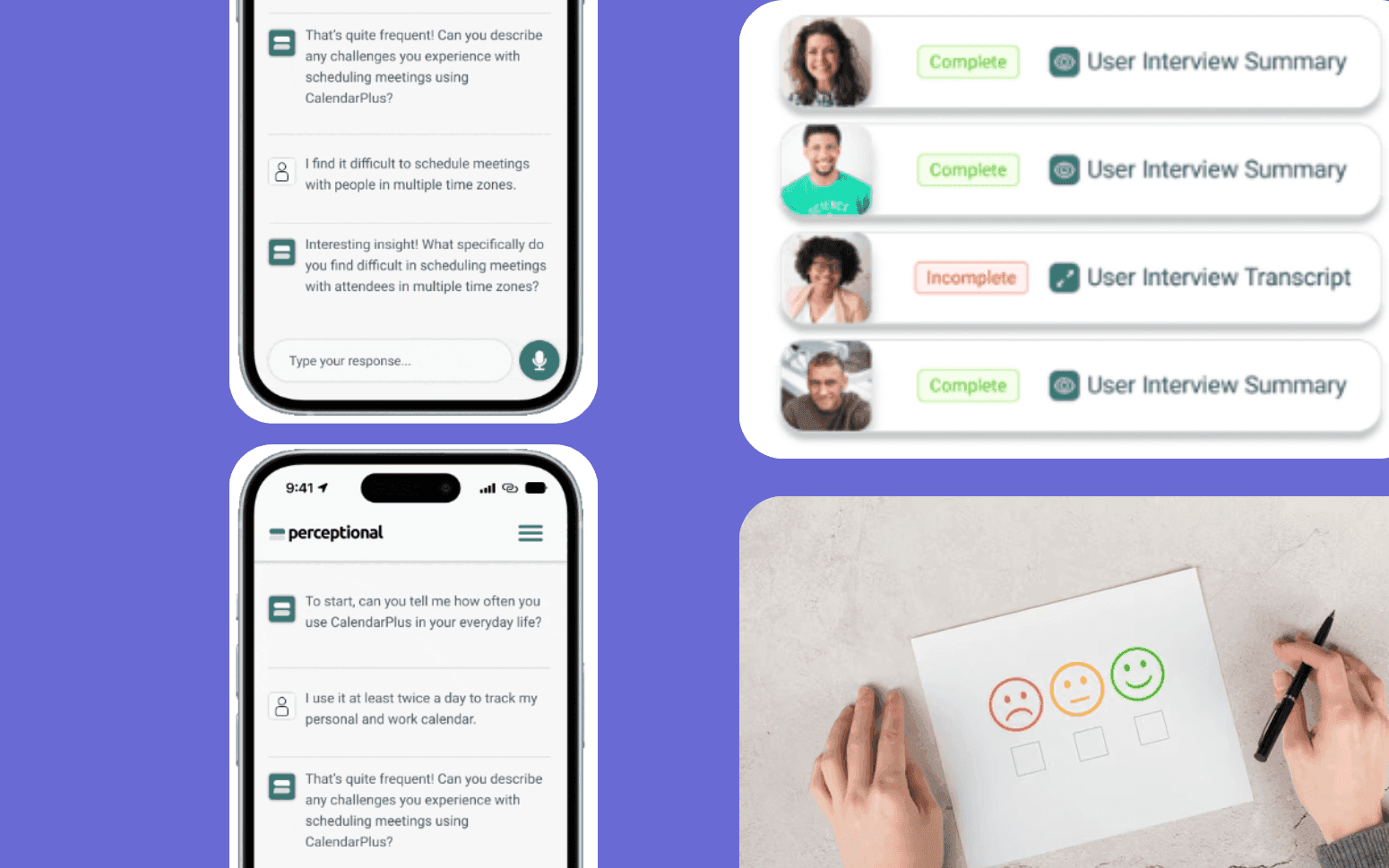
Building a Conversational AI Chatbot for a Professional Services Firm
- 40%
- 12 weeks
Contracts stored across shared drives and email create real exposure. When a renewal date is tracked in a spreadsheet that no one monitors, the auto-renewal clause triggers and the company is locked in for another year. When counterparty commitments live in PDF attachments, obligation management is whatever someone can remember.
We build custom CLM software for legal teams, procurement, and sales operations. From contract request and drafting through approval, signature, and obligation tracking, the full lifecycle is managed in one system with a complete audit trail.
Contract request and intake workflow with structured intake forms and automatic routing
Template library and clause management so standard contracts start from approved language
Approval and review workflow with redlining, version comparison, and e-signature integration
Obligation management with key date alerts for renewal dates, notice periods, and termination rights
Recognition
Contracts stored across shared drives and email with no central searchable repository?
Contract renewal dates missed because they're tracked in spreadsheets that aren't monitored?
Legal team spending review time on routine contracts that could use approved clause templates?
No visibility on total counterparty exposure or the number of contracts up for renewal this quarter?
In short
Contract management software manages the full contract lifecycle from initial request through drafting, approval, e-signature, and post-execution obligation tracking. It replaces shared drives and email with a central, searchable repository and structured workflows that flag renewal dates and counterparty commitments automatically. RaftLabs builds custom contract management software for legal teams, procurement, and sales operations that need more control than standard CLM platforms provide, with most projects delivered in 12 to 16 weeks at a fixed cost.
Companies we've built for



A shared drive with a folder structure is a filing system, not a contract management system. It has no awareness of renewal dates, no ability to search clause content, no workflow to confirm the right people reviewed the contract before it was signed, and no obligation tracking after execution. When a contract goes into a folder, the company's ability to act on it depends entirely on someone's memory.
CLM software changes the contract from a document into a managed record. The system knows when it renews, what obligations it creates, who approved it, and which counterparty it binds. Legal teams can search across contracts by counterparty, clause type, or expiry date in seconds rather than downloading and opening files one by one.
We build custom CLM software because the standard platforms either do too much and cost too much, or do too little and still require manual processes for the parts that matter most. A custom system covers the workflows your team actually uses and integrates with the tools they already work in.
Business teams submit contract requests through a structured intake form rather than emailing the legal team. The form is configured per contract type, an NDA intake captures counterparty name, signatory details, and effective date; a supplier agreement intake captures vendor category, commercial value, payment terms, and any custom requirements flagged as non-standard. Structured intake means every request arrives with the information legal needs to start, not a half-written email that requires three follow-up questions.
The contract lifecycle management (CLM) stages begin here: request leads to authoring (drafting from a template or de novo), then review and negotiation, then execution, then obligation management, and finally renewal or termination. The intake form feeds the request stage with structured metadata that carries through the entire lifecycle without re-entry.
Routing is automated by contract type and deal value. NDAs below a threshold route directly to a self-serve template flow. Supplier agreements above a threshold route to senior legal counsel for review. Sales contracts route to both legal and sales operations. Legal sees a prioritised queue sorted by urgency and value rather than an inbox of unstructured emails. Requestors see the status of their submission, submitted, in review, in negotiation, pending signature, executed, without sending a follow-up. SLA tracking flags requests that have exceeded the target review time so legal management can identify bottlenecks before they become escalations from business stakeholders.
The template library holds approved contract templates for each contract type your organisation uses: NDA (mutual and unilateral variants), MSA, SOW, supplier agreement, employment contract, partnership agreement, and any organisation-specific types. Templates are versioned, when legal updates the standard NDA to reflect a regulatory change, version 2 is published and all new contracts use version 2 while existing contracts retain a reference to the version they were created from. Templates are approved by the designated legal owner before they're made available to business users.
When a contract is started from a template, only the deal-specific variables need to be filled in, counterparty name, effective date, term, commercial value, and any optional clauses toggled on or off. The base language is pre-approved, which means legal review can focus on the negotiated terms rather than standard positions that have already been reviewed.
Clause libraries complement templates by providing pre-approved clause alternatives for common negotiation positions. When a counterparty proposes a non-standard limitation of liability clause, the reviewing lawyer can select from the approved alternative positions rather than drafting a counter from scratch. Each clause alternative is tagged with a risk rating (preferred, acceptable, escalate) so junior lawyers know when they can accept a position without escalating. AI clause extraction using AWS Comprehend NER (Named Entity Recognition) identifies clause types in uploaded third-party paper contracts and maps them to the corresponding clause category in your library, accelerating the review of contracts the counterparty sent on their own paper.
AI assistance is built into the drafting workflow to reduce the time legal spends on routine contract work. For contracts initiated from approved templates, AI populates the standard variable clauses based on the deal metadata collected in the intake form, payment terms, liability caps scaled to deal value, governing law based on counterparty jurisdiction, so the first draft requires only deal-specific review rather than complete construction.
For third-party paper review, spaCy-based NER (Named Entity Recognition) models trained on legal text extract clause types, key terms, counterparty obligations, and defined terms from the uploaded document. The extraction results map the third-party contract structure to your standard clause taxonomy so the reviewer sees a clause-by-clause comparison between the counterparty's position and your standard position rather than reading the entire document to find the deviations. Clauses that deviate from approved positions are flagged with their risk rating from the clause library.
When a counterparty proposes non-standard language during negotiation, the AI suggests the closest approved alternative from the clause library with an explanation of what differs and why. The AI works within the guardrails of your approved playbook, it doesn't generate arbitrary language or suggest positions that haven't been approved by legal. All AI-suggested content requires lawyer review and approval before it's sent to the counterparty. The audit trail records which suggestions were accepted, modified, or rejected, providing data on which AI recommendations are actually useful over time.
Approval workflows are configured per contract type and value threshold. An NDA under $0 value routes to a single legal approver. A supplier agreement above $500K routes sequentially through legal, finance, and the relevant business unit lead. A contract with data processing implications routes additionally to privacy counsel. The routing logic is configurable without code changes, legal operations can adjust the matrix as the organisation's approval policy evolves.
Reviewers comment, redline, and approve within the CLM rather than downloading a Word document and emailing it back. Comments are threaded by clause and resolved inline. Redlines are captured as structured changes rather than tracked changes in a document, this matters for the negotiation history because structured changes can be compared algorithmically rather than read manually. Version comparison with diff highlighting shows exactly what changed between any two drafts: inserted text in green, deleted text in red, moved clauses identified. The reviewer isn't hunting through Word tracked-changes markup to find the counterparty's modifications.
E-signature integration via DocuSign API or Adobe Sign API routes the approved final version directly to signatories from within the CLM. Executed documents are returned to the contract repository automatically with execution date, signatory names, and IP addresses recorded. The approval audit trail captures who approved which version at what timestamp, the complete chain of custody from first draft to fully executed contract. This audit trail is the evidence that matters when a dispute arises over what was agreed or who authorised an unusual term. GDPR data retention policies are applied to contract records: personal data within contracts is flagged for deletion or anonymisation on schedule, with a legal hold workflow to suspend deletion for contracts under active litigation.
After execution, the obligation management stage extracts key dates and commitments from the contract and stores them as structured records. Renewal dates, notice periods (the advance window within which notice must be given to prevent auto-renewal), termination windows, payment milestones, deliverable deadlines, insurance certificate renewal dates, and performance obligations are each stored as discrete records with an assigned owner, an alert lead time (e.g., 90 days before renewal), and an escalation path if the primary owner doesn't act.
Obligation tracking with automated reminder workflows distinguishes between the alert date and the action-required date. A contract renewing on 1 January with a 90-day notice period requires action by 2 October, the alert fires on 2 September (30 days before the action deadline) so there's time to review and decide before the notice deadline. Alerts that go unanswered escalate automatically to the contract owner's manager rather than silently lapsing.
The obligation register gives legal and commercial teams a consolidated view of all active commitments across the entire contract portfolio: upcoming renewals by month, payment obligations due in the next 30 days, performance milestones with completion status, and insurance or certification renewals. Counterparty obligations (what the other party must deliver to you) are tracked separately from your organisation's obligations so both sides of the commitment are monitored. Salesforce CRM and SAP ERP integration pulls counterparty account data and contract value into the CLM register, linking contracts to the commercial relationships that produced them. The obligation register is searchable by counterparty, contract type, obligation category, and date range.
The analytics layer answers questions that a document repository and a spreadsheet can't. Renewal pipeline: how many contracts are up for renewal in the next 90 days, segmented by value tier and contract type, with renewal decision status (renew, renegotiate, terminate) tracked per contract. Counterparty exposure: total committed spend with a specific supplier across all active contracts, total revenue under contract with a specific customer, and concentration risk analysis showing what percentage of revenue or spend is with the top five counterparties.
Clause negotiation analytics track how often each standard clause position is changed during negotiation, the limitation of liability cap, indemnification scope, IP ownership position, and what percentage of final executed contracts reflect the standard position versus a negotiated deviation. This data tells legal leadership which positions are commercially contested and worth developing alternative pre-approved positions for, and which are accepted without challenge.
Cycle time reporting shows average days from contract request to executed signature by contract type, business unit, and legal reviewer, identifying where delays accumulate. Contract repository full-text search powered by Elasticsearch lets a lawyer find every contract in the portfolio that contains a specific clause, term, or counterparty name in seconds rather than downloading files individually. Version control with diff highlighting covers the complete negotiation history. The analytics export in CSV or connects to the organisation's BI tool (Tableau, Power BI) for board-level and finance reporting.
Yes. DocuSign and Adobe Sign are the two most common integrations we build, both have REST APIs that support envelope creation with pre-populated signatories, routing order, and expiry dates, and both send webhook events when a document is viewed, signed, or declined. The CLM sends the approved contract to the e-signature platform with signatories pre-populated from the counterparty data collected at intake, sets the routing order (internal signatories first, then counterparty), and receives the fully executed document via webhook when all signatures are complete. The executed PDF is stored in the contract repository with execution date, signatory names, and completion timestamp recorded.
For DocuSign, the integration uses the DocuSign eSignature REST API v2.1 with OAuth 2.0 JWT authentication. For Adobe Sign, the API is Acrobat Sign REST API v6. Both support embedded signing to allow signatories to sign within the CLM interface rather than navigating to an external platform, which improves completion rates for internal signatories. If your organisation uses a different e-signature provider, HelloSign (now Dropbox Sign), PandaDoc, or a regional provider, we assess the API capabilities during scoping and confirm whether the same level of automation is achievable before development starts.
Migration from shared drives is a defined phase in the implementation project, not an afterthought. The process starts with a contract inventory: we scan the shared drive or SharePoint library to catalogue every contract document, extract available metadata (file name, folder path, last modified date), and produce an inventory for the legal team to review and classify. Classification assigns each document to a contract type, identifies whether it's an active contract or a historical archive, and flags documents that aren't contracts (correspondence, internal memos) for exclusion.
For active contracts, key dates and obligations are extracted during migration so the obligation register is populated from day one. For large portfolios, AI clause extraction using spaCy or AWS Comprehend NER automates the extraction of renewal dates, counterparty names, and governing law from the document text, reducing the manual effort of extracting metadata from hundreds of PDFs. Extracted data is reviewed by the legal team before import to catch extraction errors, particularly on poorly scanned documents or atypically formatted contracts.
Executed contracts are stored in the CLM repository with the metadata from migration. Historical version history from before the CLM go-live is retained where available from document management system version histories. The migration approach, data quality standards, and acceptance criteria are agreed before the project starts so there are no disputes about what "done" means when migration is complete.
The CLM maintains a full version history for every draft in the negotiation. Each version is timestamped, attributed to the party who sent it (your organisation or counterparty), and stored as a structured document, not just a file attachment. Version control with diff highlighting shows exactly what changed between any two versions in the history: new text inserted in green, deleted text in red, moved clauses identified. The reviewer can compare Draft 1 against Draft 3 directly without reading all intermediate versions.
When a counterparty returns a marked-up version, the reviewer imports it into the CLM where the comparison against the previous version is generated automatically. Clause-level annotations let reviewers tag specific changes with their review status (accepted, rejected, needs discussion) so the next outgoing version reflects those decisions without manually re-reading the entire document. The negotiation position record shows the original standard position, the counterparty's proposed position, and the final agreed position for each negotiated clause.
When the final version is agreed, the executed document is stored in the contract repository linked to the full negotiation history. This linkage matters: if a dispute arises six months post-execution about whether a particular limitation of liability figure was negotiated or accepted from the standard position, the negotiation history answers the question in seconds. The audit trail records every action taken on every version, who imported it, who reviewed it, what annotations were made, for regulatory compliance and litigation readiness.
Yes. The template library, clause library, approval workflows, and obligation templates are all configured per contract type and business unit. Procurement contracts use different templates, approval paths, and obligation categories than sales contracts or employment contracts, and a procurement team member should see the procurement library, not the sales library, when they start a new contract. Access controls are configured so each unit's users see their own contracts and templates by default.
Centralised legal operations management gives the general counsel or legal operations team a consolidated view across all business units: pipeline by unit, cycle times by unit and contract type, contracts approaching renewal across the portfolio. Reporting at the portfolio level supports board reporting and legal team capacity planning without requiring business unit leads to submit manual status updates.
Salesforce CRM integration pulls counterparty account data for sales contracts (company name, account owner, current ARR) so legal doesn't need to re-enter counterparty information that already exists in the CRM. SAP ERP integration pulls supplier master data for procurement contracts (supplier ID, payment terms, vendor category). The integration keeps the CLM counterparty record in sync with the CRM/ERP as account details change rather than diverging over time. Different business units can connect to different Salesforce instances or SAP environments within the same CLM deployment.
What clients say
Three-year average engagement. Founders and operators describing the work in their own words. No marketing varnish.

 USA
USAAll of the sprints were completed on schedule and on budget. We highly recommend RaftLabs!
01 / 02
Tell us about your current contract volume, the types of contracts you manage, and what the gaps in your current process cost you. We'll scope a system that closes them.