Mobile PoS and merchant-acquiring platform for a UAE fintech operator
- 10,000+
- transactions in the first three months
- PCI DSS
- audited in 2025
Payment Processing Software Development
A direct payment gateway integration handles the transaction itself well: authorisation, capture, refund. Custom payment software is the right choice when you need the layer above the gateway, the transaction routing logic, the multi-currency ledger, the reconciliation system, the merchant settlement workflow, and the fraud controls that turn a payment API into a payment product. We build payment platforms for marketplaces splitting payments between buyers and sellers, fintech products embedding payments, and businesses replacing manual reconciliation with an automated system.
Payment gateway integrations with Stripe, Adyen, Braintree, and direct acquirers with multi-provider routing
Custom checkout flows with 3D Secure 2.0, tokenised card-on-file, and PCI scope reduction
Multi-currency processing with real-time FX rates and local payment method routing
Automated reconciliation, marketplace split payments, and merchant settlement
Bring the problem, the current workflow, or the existing code. We reply with a practical next step within one business day.
Trusted by










The brief
Good software decisions begin with the constraint, not a list of features or a preferred technology.
Reconciliation team spending hours each day manually matching gateway transactions against bank statements because there's no automated matching system?
Running a marketplace where split payments, seller payouts, and reconciliation still require manual spreadsheet work?
Plain answer
RaftLabs builds custom payment processing software for fintech companies, marketplaces, and financial institutions who need payment gateway integrations, multi-currency transaction processing, automated reconciliation, fraud controls, and merchant or seller settlement built around their specific payment model. A validated v1 launches in 10 to 16 weeks at a fixed cost, then grows as volume and complexity rise.
What to remember
Every morning the finance team opened three tabs: the bank statement, the gateway settlement report, and the internal ledger. Then they matched rows by hand, one transaction at a time, chasing the handful that didn't line up.
By the time the numbers agreed, half the day was gone. And the mismatch that actually mattered, the one worth investigating, was buried under a hundred that were just FX rounding.
A payment platform doesn't ask the team to find the exception. It clears the matches on its own and puts the exception at the top of a queue, with the bank entry and the nearest settlement record side by side.
The gateway moved the money. Everything above it is the product.
A direct payment gateway integration handles the transaction itself: the card authorisation, the capture, the refund. The product starts above that layer. How transactions route between multiple providers for redundancy. How funds from different transaction types separate in the ledger. How platform fees deduct before merchant settlement, and how failed transactions retry and surface their failure reason. These are product decisions the gateway's SDK doesn't make for you.
Payments is now a multi-trillion-dollar layer of the economy. McKinsey's Global Payments Report puts annual global payments revenue above $2 trillion, and the businesses building on top of it increasingly route across several processors, currencies, and settlement models that no single gateway SDK was built to handle. The moment a platform splits a payment, settles to more than one party, or reconciles across providers, the logic moves out of the gateway and into software you own.
Three layers get confused in most briefs. Naming them keeps scope honest.
We build the orchestration layer for marketplaces managing split payments, fintech platforms embedding payments into a non-financial product, subscription businesses managing recurring billing with dunning management, and businesses replacing manual reconciliation with an automated system.
RaftLabs has been shipping production software since 2015, with a track record building payment, marketplace, and fintech platforms. One team scopes the payment flows and builds the platform, production-grade, compliant, and reliable from day one. No offshore handoff after the contract is signed.
Everything on the left should already be true for your operation. Even one thing on the right, and a direct Stripe or Adyen integration is the smarter first step.
A marketplace, platform, or fintech product that splits payments, deducts a platform fee, or settles to multiple sellers.
Multi-provider routing, multi-currency settlement, or a transaction volume where automated reconciliation saves more than it costs to build.
Real flow complexity above the gateway: a currency ledger, retry logic, or fraud controls your processor's SDK doesn't cover.
A single currency, a single payment method, and no multi-party settlement, where a direct Stripe or Adyen integration already covers you.
Low transaction volume where matching by hand still costs less than automating it.
A standard checkout with no routing, ledger, or settlement logic beyond the gateway.
Scope
Payment software fails in specific, repeatable ways. Naming them up front is how you know we have shipped this before, not just read the docs.
Proof
RaftLabs has shipped software since 2015 across AI, SaaS, mobile, automation, and enterprise platforms.
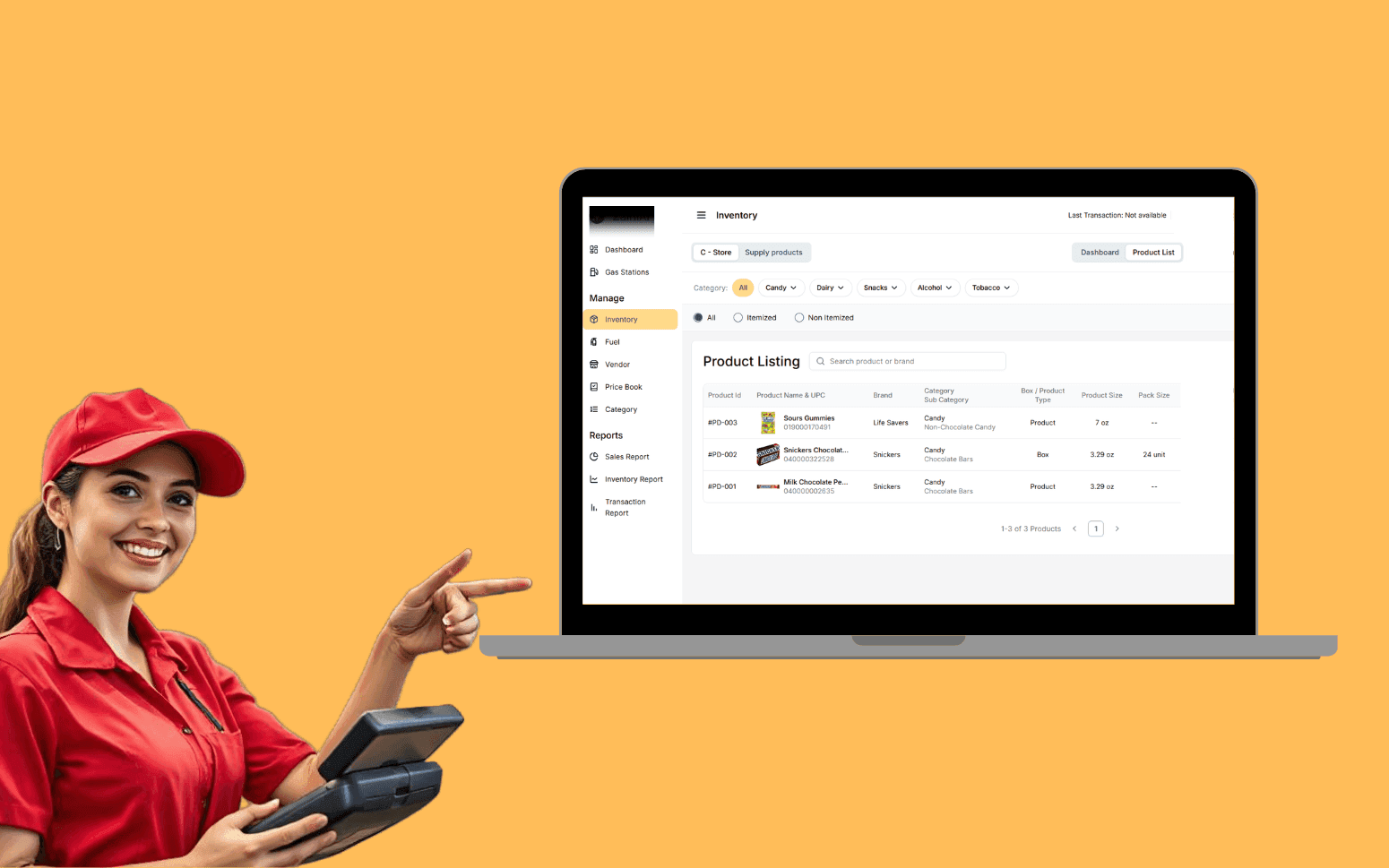
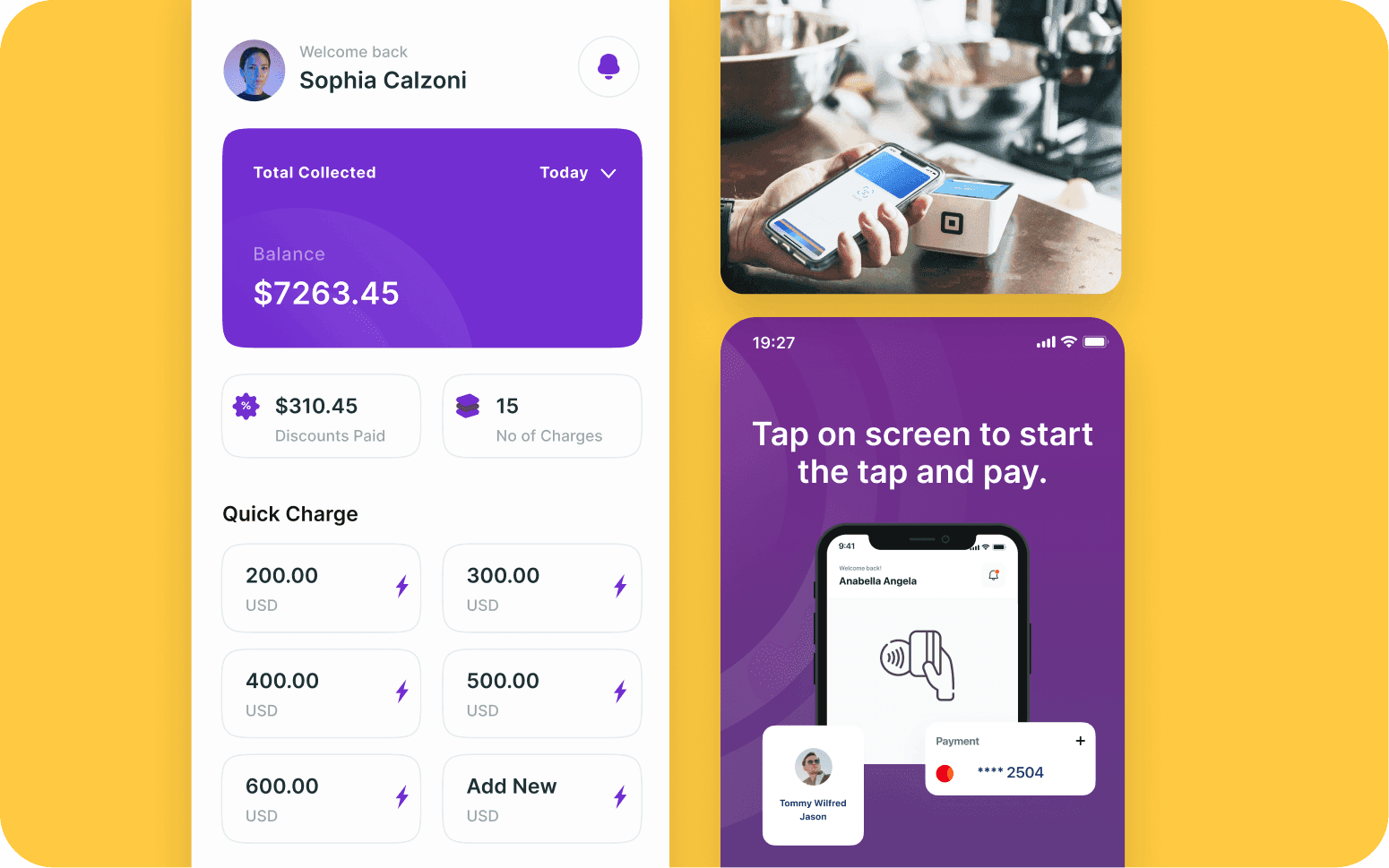
A UAE fintech operator came to us to replace hardware card terminals with a mobile app. Merchants now take contactless cards, QR codes, tap-to-pay, and payment links from a phone. Two payment processors, PayBy and Stripe, run behind a single transaction ledger. Card data is tokenised, never stored in plaintext. The platform processed 10,000 transactions in its first three months and passed a 2025 PCI DSS audit. This is the assess-then-rebuild path for a payment MVP that has outgrown a single processor or cannot yet meet compliance and scale. Read the full case study.
Tell us your payment model, the currencies, the gateways, and where the current process relies on manual reconciliation. We'll scope a payment platform built around your actual transaction flows.
How it works
We map your transaction flows, settlement model, and processor requirements. You leave week 1 with a written scope document and a fixed-price quote.
Ledger structure, routing rules, and PCI scope-reduction approach designed and confirmed against your processor stack before development starts.
Gateway integration, checkout, reconciliation, and settlement built in parallel, tested against processor sandboxes every sprint.
Production launch with the reconciliation engine validated against real settlement files before go-live.
What clients say
Three-year average engagement. Founders and operators describing the work in their own words. No marketing varnish.

 USA
USAAll of the sprints were completed on schedule and on budget. We highly recommend RaftLabs!
Proof
Where you land in that range depends on scope, not negotiation:
What it costs
Gateway integrations, a multi-currency ledger, reconciliation automation, and the settlement and fraud controls your payment model needs.
The largest cost variables are the number of acquiring integrations, marketplace payout complexity, and reconciliation depth. Start with the core flow, add complexity once it's live and processing real transactions.
Starting investment
Starts at $35,000
A validated v1 in 10-16 weeks. Start with the core gateway integration and ledger, then add reconciliation depth and fraud controls as volume grows.
No hourly billing
Once we scope your first phase, that price is locked in writing. No hourly billing, no surprise invoices for work outside the agreed scope.
Validated before go-live
The reconciliation engine is validated against your real settlement files before launch, so the numbers agree on day one, not week three.
Payment software rarely stands alone. Related build work includes fintech automation for KYC, reconciliation, and fraud workflows, AI for fintech for transaction scoring and anomaly detection, and business process automation for the settlement and back-office steps around a payment platform. For the wider track record, see our fintech software work.
Useful next steps
Work with us
Generative AI in Finance
See the service
Article
AI in Insurance: From Claims Processing to Fraud Detection
Insurance companies process millions of documents, field thousands of claims, and make underwriting decisions on complex risk profiles, manually. AI applies directly to each of these. The question is not whether AI works in insurance. It is which workflows to automate first and how to keep the human judgment where it is legally required.
Read more
Article
How to Build a Trading App Like Robinhood: Cost, Phases, and the Brokerage API Decision
Building a trading app like Robinhood costs $50K-$130K over 14-28 weeks. This guide covers brokerage API options (DriveWealth, Alpaca, Apex Clearing, Interactive Brokers), phased feature sets, and the regulatory decisions that determine your actual timeline.
Read more
Article
Online Marketplace Development: Cost, Timeline, and Build Decisions
A founder-level guide to online marketplace development. Covers when to go custom vs. use Sharetribe or Arcadier, what V1/V2/V3 actually costs, and where two-sided marketplace builds fail. Includes real cost ranges and operator scenarios.
Read more
Article
Automate document processing: Extract, classify & route without manual work
Traditional OCR fails on 30% of real documents. AI-powered processing hits 95%+ on invoices, contracts, and forms - regardless of format variation.
Read more
Article
Cost to Build an Expense Splitting App Like Splitwise: Timeline and What to Build Instead
The real expense splitting app development cost, what Splitwise cannot do for your niche, and how RaftLabs builds custom multi-party payment splitting tools for travel, fintech, and B2B platforms.
Read moreA direct Stripe or Adyen integration is the right choice for a straightforward payment model: a single currency, a single payment method, no multi-party settlement. Custom becomes right when the flows are more complex: a marketplace splitting payments between buyers and sellers, a platform deducting a fee before settling to merchants, multi-provider routing with automatic failover, a multi-currency product requiring a currency ledger, or a business whose volume has reached the point where automated reconciliation saves more than the cost of building it.
PCI DSS applies to any business that stores, processes, or transmits cardholder data. Most payment platforms avoid the full audit burden through scope reduction: processor-hosted card fields (Stripe Elements, Adyen Drop-in, Braintree Hosted Fields) mean raw card data never touches your servers, reducing PCI scope to SAQ A or SAQ A-EP, both self-assessed rather than a full QSA audit. Tokenisation for card-on-file stores a processor-generated token, which has no PCI scope. We build with scope reduction as a design principle from the start: no card data in your database, logs, or error reporting.
Yes. Live FX rate feeds (ECB reference rates or a provider like Open Exchange Rates) power local-currency pricing at checkout. Local payment methods extend beyond card: iDEAL for the Netherlands, SEPA for Europe, BACS for the UK, UPI for India, Pix for Brazil, OXXO for Mexico. FX conversion can happen at transaction time (rate locked at checkout) or settlement time (deferred cost, simpler reconciliation). We scope the currency list, market list, and payment rails during discovery and confirm processor coverage before development starts.
Yes. Common integrations cover Xero, QuickBooks, Sage, and NetSuite. The integration posts each settled transaction or settlement batch to the correct nominal code, reconciles the payment platform's ledger against the accounting system's bank account, and flags discrepancies for investigation. For a custom general ledger or ERP, we build the integration using the available API or file-based exchange.
A payment platform with a single acquiring integration, custom checkout, and automated reconciliation for a single currency typically runs $35,000 to $75,000. A full platform with multi-provider routing, multi-currency support, marketplace split payments, and fraud controls typically runs $80,000 to $180,000. The largest cost variables are the number of acquiring integrations, marketplace payout complexity, and reconciliation depth. We scope every project before pricing and deliver at a fixed cost.
Work with us
Bring the rough workflow, half-built product, or messy brief. We will map the smallest useful first move, then send scope, timeline, and price in plain English.