Event Ticketing Software Development Company

Custom ticketing software for event organizers, venues, festival operators, and ticketing platform startups whose revenue, operational complexity, or attendee experience has outgrown what off-the-shelf platforms and SaaS ticketing tools can deliver.

  • Ticket inventory management built for your event structure: general admission, reserved seating, VIP tiers, and multi-day passes in one system

  • Dynamic pricing engines that adjust ticket prices based on demand, time-to-event, and capacity thresholds

  • Access control integration with QR, NFC, and RFID scanning so entry queues move without manual intervention

  • Attendee data platforms you own outright, with purchase history, behavioral data, and CRM sync that does not belong to a marketplace

Recognition

Sound familiar?

  • Running your box office on one platform, your event CRM on another, and reconciling payout data in a spreadsheet because none of them talk to each other?

  • Leaving revenue on the table because your current ticketing tool can't support dynamic pricing, waitlists, or multi-tier packages without a workaround?

  • Losing attendee data to your ticketing provider's marketplace and starting from scratch with every new event?

The short answer

RaftLabs builds custom event ticketing software for event organizers, venues, festival operators, and ticketing platform startups. We deliver ticket inventory management, dynamic pricing engines, access control integrations, interactive seating maps, and attendee data platforms tailored to the scale and operational requirements of each client.

What is event ticketing software?

Event ticketing software manages the full lifecycle of ticket sales and event access: publishing events, selling tickets across channels, managing inventory and capacity, controlling entry at the gate, and capturing attendee data for post-event marketing. Custom event ticketing software development goes further, building the specific pricing logic, seating configuration, access control workflow, and data architecture that an off-the-shelf platform cannot support.

01 Diagnosis

Problems we solve for event businesses

  1. 01
    Problem

    Your ticketing tool, event CRM, and finance system don't share data

    Solution

    Box office sales land in one system. Attendee records live in another. Finance pulls a CSV export to reconcile payouts every week because the ticketing platform and the accounting system have no connection. When a sponsor asks for post-event attendance data segmented by ticket type, someone spends half a day building that report by hand.Fragmented systems don't just slow down your team. They mean the attendee who bought a ticket three years ago looks like a new visitor to your marketing platform. The customer relationship resets with every event instead of compounding across them. A connected ticketing platform routes each ticket sale into the CRM record, updates the ledger in real time, and surfaces the attendee's full purchase history without any manual exports.

  2. 02
    Problem

    Your pricing is static while demand shifts by the hour

    Solution

    Standard ticketing tools let you set a price and a capacity. They don't let you drop early-bird pricing automatically at 72 hours before the event, increase prices when 80% of capacity sells through, or offer a waitlist at a premium when general admission closes. Those decisions happen manually, if they happen at all, and the revenue window closes before anyone acts.According to Grand View Research, the online event ticketing market is projected to grow from $53 billion in 2025 to over $71 billion by 2030 as organizers shift from fixed-price models to demand-responsive pricing strategies. The venues and festival operators capturing that growth are the ones with pricing engines that respond to demand without a team member having to intervene.

  3. 03
    Problem

    Gate entry is slow because access control isn't connected to your ticketing data

    Solution

    When ticket scanning runs on a separate tool from your ticketing platform, validation relies on a CSV export that was current as of last night. A ticket transferred three hours before the event still shows as assigned to the original buyer. A refunded ticket that cleared this morning still scans green. Entry queues build while staff manually resolve exceptions that a connected system would catch in milliseconds.For festivals with 10,000 or more attendees, each minute of queue delay compounds across every gate. NFC and RFID wristbands that validate in real time against a live inventory record cut entry processing time and eliminate the fraud window that exists when scanning runs against a stale export. The hardware, the scanning app, and the ticket database need to be the same system, not three systems with a nightly sync.

  4. 04
    Problem

    You don't own your attendee data

    Solution

    Platforms like Eventbrite and Ticketmaster own the buyer relationship. Attendees discover events through the marketplace, purchase through the platform's checkout, and receive post-event emails from the platform. The organizer gets a ticket count and a payout. The email addresses, purchase histories, and behavioral signals stay in the platform's database and feed the next event recommendation, which may be a competitor's event.When your ticketing software is custom-built, every buyer record belongs to you. Purchase history, communication consent, seating preferences, and spending patterns accumulate in your CRM, not a third party's. That attendee data is the asset that drives next-year presale revenue and sponsor valuation. Giving it to a marketplace is a decision with compounding costs that show up years later.

02 What we ship

Event ticketing software we build

  1. Ticket inventory and sales management

    We build inventory systems that manage every ticket type in one place: general admission, reserved seating, VIP tiers, multi-day passes, group bookings, and complimentary allocations for sponsors and press. Capacity rules prevent overselling at the section, row, and seat level. Hold and release logic lets your operations team lock inventory for sponsor blocks and release it on a schedule without manual intervention.

    Sales channels, web checkout, box office terminal, mobile app, and third-party distribution, all draw from the same inventory record. When one channel sells a seat, every other channel reflects the updated availability within seconds. No double-selling, no manual reconciliation between channels at day end.

    Built for independent venues, sports teams, festival operators, and ticketing platform startups that need to manage complex inventory across multiple ticket categories and sales channels without a patchwork of tools.

  2. Dynamic pricing and revenue management

    We build pricing engines that adjust ticket prices in real time based on rules your team controls. Demand thresholds trigger price increases when remaining capacity crosses a configured percentage. Time-to-event windows set early-bird floors and late-surge ceilings. Day-of-week and time-of-day patterns, derived from your historical sales data, inform automatic price adjustments without manual oversight.

    Promotional pricing runs on its own logic: promo codes with usage caps, bundle pricing for multi-event packages, and group discounts calculated at checkout. Every price change logs the rule that triggered it so your finance team has an audit trail for every pricing decision, not just the final ticket price.

    Built for concert promoters, sports organizations, and festival operators whose current platform forces static pricing and costs them revenue at peak demand periods.

  3. Interactive seating maps and venue configuration

    We build interactive venue seating maps that let buyers choose specific seats in a 2D or 3D view, with real-time availability updates as selection happens. Section-level and row-level pricing displays directly in the map so buyers see the price difference before they commit to a seat.

    On the organizer side, the venue configuration tool handles hold management for ADA sections, sponsor allocations, media positions, and production holds, all visible to the box office team in a single admin view. When a hold releases, those seats become available for sale automatically. Venue maps are configurable for different event layouts in the same space, so a venue that runs concerts on Friday and corporate dinners on Saturday doesn't need two systems.

    Built for theaters, arenas, stadiums, and multi-use venues that need their digital seating map to reflect the actual floor plan and support per-event configuration changes.

  4. Access control and entry management

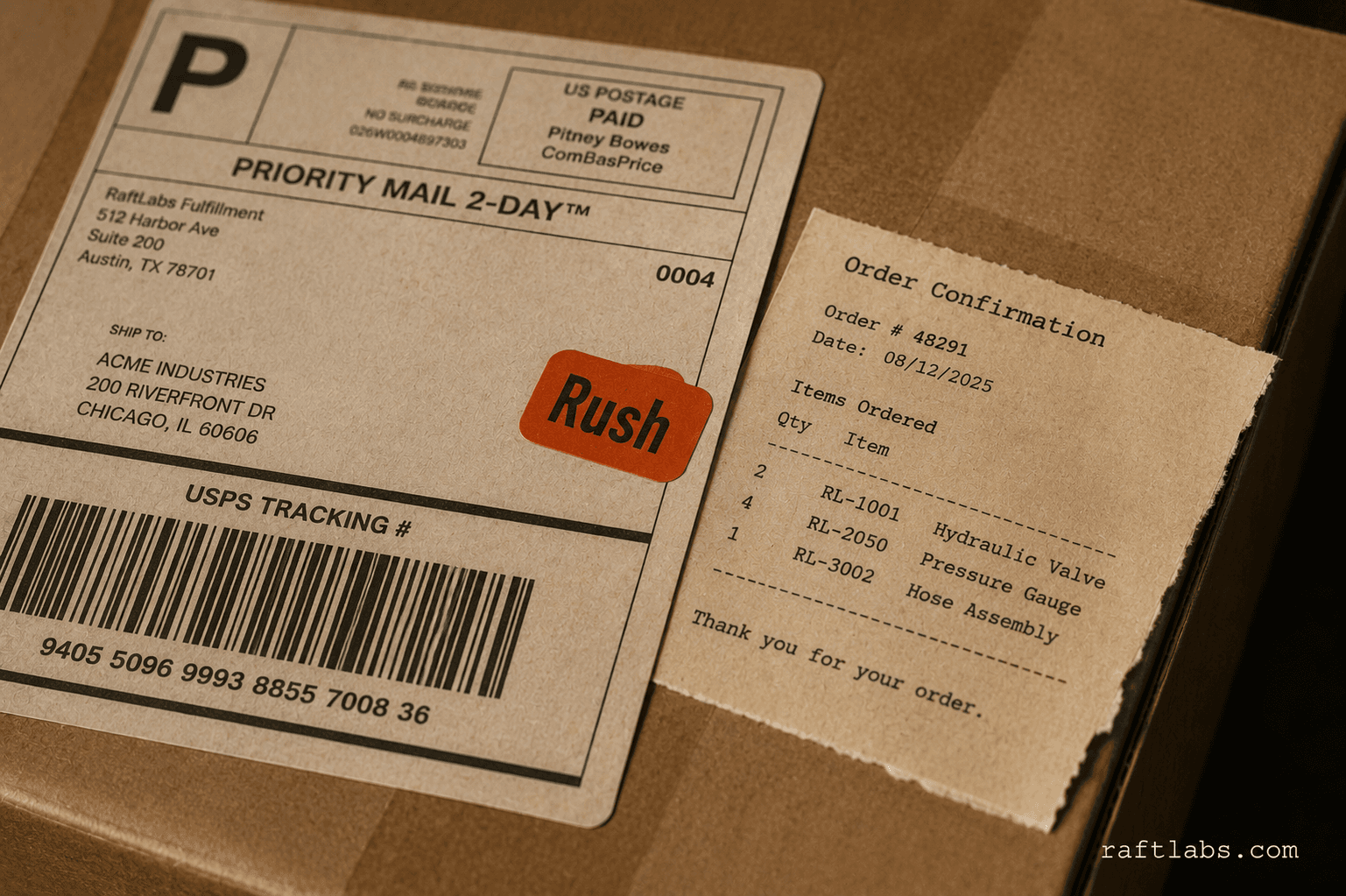
    We build entry systems that validate tickets against a live inventory record using QR codes, barcodes, NFC, and RFID wristbands. Each scan checks the ticket status in real time: valid, already scanned, transferred since purchase, or refunded. Fraudulent or duplicated tickets are flagged at the gate, not discovered in the post-event report.

    The scanning app runs on standard iOS and Android devices and continues to validate against a locally cached record when internet connectivity drops, syncing when the connection restores. Staff roles control which gates each team member can access and which ticket types each gate accepts. Entry counts update in the organizer dashboard in real time so you know exactly how many people are inside the venue at any moment.

    Built for festivals, sports venues, and conference operators running events where entry speed, fraud prevention, and live occupancy tracking are non-negotiable.

  5. Attendee data management and CRM integration

    We build attendee data platforms that give you the full purchase history, behavioral profile, and communication record for every buyer, with no third-party marketplace claiming ownership of those records. Each ticket purchase writes to your CRM: buyer identity, ticket type, purchase channel, seat location, and marketing consent status.

    Post-event analytics break down attendance by ticket category, revenue by section, and no-show rates by ticket type. Segments built on purchase behavior feed directly into Mailchimp, HubSpot, Klaviyo, or your CRM of choice, so the presale email for your next event reaches buyers who bought the same tier last year, not a generic list. For sponsorship reporting, attendance and spend data exports in the format your sponsors expect without a manual data pull.

    Built for event organizers, venue operators, and festival brands who want to build a proprietary attendee relationship instead of renting access to their own audience.


  6. Waitlist and demand capture

    We build waitlist systems that capture demand when an event sells out and convert it to revenue when capacity opens up. When a ticket is cancelled or returned, the system automatically notifies the next buyer on the waitlist, holds the ticket for a configured window, and releases it back to the general pool if the offer isn't claimed.

    Priority waitlists give returning attendees and loyalty members first access to released inventory before it returns to open sale. Waitlist data also informs capacity planning: a 3,000-person waitlist for a 1,500-seat event is a signal to add a second date, not to apologize for selling out. That data lives in your system, not a platform's aggregate.

    Built for high-demand events where sold-out status is routine and converting waitlist demand into revenue is a meaningful part of the event's financial model.

03 How we work

How we build event ticketing software

  1. 01

    Discovery

    We map your event types, ticket categories, sales channels, venue configuration, and the access control workflow your operations team actually runs on event day. We identify where your current tool creates manual steps, revenue gaps, or data ownership problems. We review your integration landscape: payment providers, CRM, finance system, and any hardware you use at the gate. Scope is agreed and a fixed-price specification is produced before development starts.
  2. 02

    Design

    We design the data model around your ticketing operation: the inventory structure, the pricing rule engine, the access control record, and the attendee data schema. Interactive seating maps are prototyped against your actual venue floor plans. Checkout flows are tested for conversion before any production code is written. You see the product and click through it before we build it, so there are no surprises at the end of the first sprint.
  3. 03

    Build

    We build core ticket inventory and checkout first, so sales can start before every feature is complete. Access control and scanning ship next, in time for your first test event. Dynamic pricing, seating maps, and CRM integrations follow in subsequent two-week sprints with working software at each checkpoint. Payment processing uses Stripe or your preferred gateway, with payout logic and reconciliation built to your settlement model.
  4. 04

    Launch and support

    We run a controlled test event before full launch, scanning real tickets and processing real payments to confirm every system behaves under load. Post-launch monitoring covers payment failures, scanning errors, and system performance under peak entry flow. We stay on for post-launch iterations: pricing rule updates, new venue configurations, additional integrations, and capacity work as your event volume grows.

Companies we've built for

Vodafone
Nike
Microsoft
Cisco
T-Mobile
Aldi
Heineken
GE

04 Track record

What event and ticketing businesses get when they work with us

Week delivery for a focused ticketing platform build
12-16
Software products shipped across industries
100+
Years building custom platforms for operational businesses
6+
Cost delivery: agreed before a line of code is written
Fixed

06 Client voices

What our clients say

Three-year average engagement. Founders and operators describing the work in their own words. No marketing varnish.

D
Daniel Reeves
USA flagUSA
CEO

RaftLabs nailed what other agencies couldn't — they started with our business problem and worked backwards to the right product. We were live in 14 weeks.

07 Why us

Why choose us?

  1. 01

    We've seen your problem before

    The industry changes. The broken process usually looks the same. Across 14+ industries and 100+ products, we recognise your problem fast, and we frame the fix around your margin and your operations.

  2. 02

    We own the number, not the ticket

    We measure success the way you do: hours saved, revenue earned, margin recovered. We stay through launch and growth, so the result is ours to own.

  3. 03

    Serious businesses trust us

    Vodafone, T-Mobile, Cisco, Energia, Aldi, Nike. Six years, 100+ products in production, 4.9 on Clutch. Serious businesses keep coming back because we stay accountable long after launch.

08 Questions

Frequently asked questions

Yes. We migrate existing attendee records, purchase history, and event data into the new system as part of the build. Your data stays yours and moves with you. We design the import pipeline during discovery so there are no gaps in your historical records when the new platform goes live.

Yes. We build demand-driven pricing engines that change ticket prices based on rules you define: remaining capacity thresholds, days-to-event windows, day-of-week demand patterns, or competitor benchmarks. The rules are configurable by your team without a developer. Prices update in real time across all sales channels.

A focused ticketing build covering inventory management, checkout, basic access control, and an organizer dashboard typically delivers in 12 to 16 weeks at a fixed cost. A full platform with dynamic pricing, interactive seating maps, NFC and RFID access control, and attendee analytics runs 18 to 28 weeks. Cost depends on scope; most engagements fall between $40,000 and $120,000. Fixed cost and milestones are agreed before development starts.

Yes. We integrate with Stripe, PayPal, Braintree, and Square for ticket payments, and we build the payout logic: per-event settlement, fee splitting between platform and organizer, multi-currency conversion, and reconciliation reporting. Organizer payouts and platform commission structures are configurable without code changes.

Off-the-shelf platforms work well for standard events with no differentiated product requirements. Custom software becomes the right answer when your pricing model, seating configuration, access control workflow, attendee data ownership, or integration landscape cannot be configured in a standard tool without significant compromise. The decision point is usually a combination of transaction volume, platform fee pressure, and the need to own your attendee relationship rather than renting access to it.

Standard integrations include Stripe, PayPal, and Braintree for payments; HubSpot, Mailchimp, and Klaviyo for CRM and marketing automation; QuickBooks and Xero for accounting reconciliation; and NFC, RFID, and QR scanning hardware for gate access. We also build direct API integrations with distribution partners and third-party box office systems when the event's sales model requires them.

Ready to build your event ticketing software?

Tell us what you are building and we will scope it out together.

  • Scope and cost agreed before work starts. No surprises. No obligation.
  • Working prototype within 3 weeks of kickoff.
  • Pay by milestone. You see progress before each invoice.
  • 60-day post-launch warranty. Bug fixes, UI tweaks, and deployment support. No retainer.
  • All conversations are NDA-protected.