Top Shopify development agencies (July 2026 Update)

The top Shopify development agencies in 2026 include Absolute Web (Miami-based Shopify Plus Premier Partner with fashion and beauty brand depth), Swanky Agency (UK and Australia headless Shopify Plus via Hydrogen and custom React frontends), RaftLabs (custom Shopify builds with ERP and loyalty integrations, 4.9/5 Clutch, $29-$49/hr), Velstar (Liverpool-based Shopify Plus for fast-growing DTC brands), Folio3 (Shopify Plus with SAP and NetSuite integration depth for mid-market operations), Northern Commerce (Canadian Shopify Plus agency with omnichannel and B2B commerce experience), Underwaterpistol (London creative Shopify Plus for fashion and lifestyle brands), and Maestrooo (European premium Shopify theme development and custom commerce builds). For mid-market brands that need custom Shopify engineering beyond theme setup — integrations, custom checkout logic, headless frontends — RaftLabs or Folio3 offer the strongest combination of engineering depth and integration experience at a price point below the premium UK and US agencies.
Key Takeaways
- Shopify theme configuration and Shopify development are not the same engagement. If your project requires custom checkout logic, subscription mechanics, B2B pricing tiers, or a headless frontend, you need engineers with Shopify Functions and Checkout Extensibility experience, not a theme setup team.
- Headless Shopify via Hydrogen or custom React frontends delivers measurable performance gains for high-catalogue stores but adds $30,000 to $80,000 to project cost. Confirm you actually need it before the architecture is locked.
- The biggest cost driver in Shopify development is integration complexity: every ERP, WMS, PIM, loyalty platform, or subscription engine you connect adds engineering scope and ongoing maintenance surface.
- Ask any shortlisted agency to share post-launch metrics from a comparable store — page speed score, checkout abandonment rate, and mobile conversion lift. Agencies that have shipped strong Shopify work can answer this question. Those that cannot are substituting demos for evidence.
- For mid-market businesses that need custom commerce logic and integrations alongside their Shopify build, RaftLabs offers fixed-price delivery backed by a 4.9/5 Clutch record across 50+ verified reviews.
Choosing a Shopify development agency is harder than it looks. Every agency in Shopify's partner directory claims to build "custom" stores and "high-converting" experiences. The real filter is what they have actually shipped: stores with measurable conversion data, custom checkout logic running in production, and integrations that hold when the ERP updates its API schema. If you cannot see evidence of all three, you are evaluating a portfolio of screenshots, not a track record.
Eight agencies made this list: Absolute Web, Swanky Agency, RaftLabs, Velstar, Folio3, Northern Commerce, Underwaterpistol, and Maestrooo. RaftLabs is included because we have shipped custom Shopify builds with Checkout Extensibility integrations, headless frontends, and connections to loyalty and ERP systems for mid-market clients. We evaluate every agency on the same criteria.
How we evaluated this list
| Criterion | What we looked for |
|---|---|
| Custom development depth | Experience with Checkout Extensibility, Shopify Functions, and custom app development — not just theme configuration |
| Integration track record | Live stores with ERP, WMS, loyalty platform, or subscription engine integrations running in production |
| Headless commerce capability | Demonstrated Hydrogen or custom React frontend builds, not just awareness of the approach |
| Post-launch evidence | Verifiable page speed and conversion metrics from stores they have shipped |
| Clutch rating | 4.7 or above with Shopify or e-commerce project track record |
No agency paid for placement on this list.
1. Absolute Web
Absolute Web is a Miami-based Shopify Plus Premier Partner with a client roster across fashion, beauty, and consumer goods. Their work spans full-build Shopify Plus projects: custom theme development, Checkout Extensibility for tiered loyalty discounts and gift card mechanics, and migrations from Magento and BigCommerce to Shopify Plus for brands making a platform move at the $10M+ revenue level.
Their development process includes a discovery sprint before scoping — reviewing current analytics, mapping the checkout funnel, identifying underperforming segments, and using those findings to inform the UX brief. For brands where conversion rate is the primary success metric, this pre-work changes the output of the build. Their team includes UX designers, developers, and a separate QA function rather than folding quality review into the developer's own testing cycle.
Post-launch, Absolute Web offers CRO retainers that combine A/B testing, heatmap analysis, and iterative development. For brands that treat their Shopify store as a live conversion experiment rather than a completed project, this retainer model provides continuity and accountability beyond the handoff. Their engagement model is structured for brands that want a single agency managing both the build and the ongoing optimisation, rather than splitting those responsibilities across separate vendors.
Notable work: Full Shopify Plus replatform and custom checkout build for a fashion brand processing $30M+ in annual online revenue; Magento-to-Shopify Plus migrations for consumer goods brands with complex product catalogue structures.
Pricing signal: $100–$149/hr. Minimum project size $25,000.
What to watch: Engagement overhead and pricing make them a stronger fit for established brands than first-build projects. For brands under $5M in annual revenue, the investment level may outpace the return window.
Best for: Fashion, beauty, and consumer goods brands on Shopify Plus with $10M+ in annual online revenue
Specialization: Shopify Plus, custom checkout, CRO retainers, Magento and BigCommerce migration
Pricing: $100–$149/hr
Clutch rating: 4.9/5
2. Swanky Agency
Swanky is a UK and Australia-based Shopify Plus Partner that has positioned itself around headless commerce builds — using Shopify as the commerce engine while decoupling the frontend with Hydrogen, Shopify's React-based framework, or custom Next.js implementations. For brands where the standard Liquid theme system cannot produce the interaction model or load-time targets they need, Swanky's headless experience is directly relevant.
Their engagements typically begin with a technical architecture review: determining whether headless is genuinely warranted — high-catalogue stores, sub-1.5 second load-time targets, heavy custom interaction design requirements — or whether a well-optimised Liquid theme would deliver comparable results at lower cost and complexity. This honest framing is a positive signal. Agencies that push headless on every project regardless of fit are optimising for complexity, not client outcomes.
Swanky also has subscription commerce depth, having built Shopify-based subscription models for DTC brands using Recharge, Stay.ai, and custom subscription app integrations. Their experience with subscriber retention mechanics — dunning management, pause flows, annual billing migration — translates to post-launch LTV impact rather than just recurring revenue setup. For brands where subscription revenue is a material part of the model, this depth matters more than the initial subscription implementation.
Notable work: Headless Shopify Plus builds via Hydrogen for lifestyle and wellness DTC brands expanding from single-market to multi-market across the UK, Europe, and Australia; subscription commerce builds with custom retention flow engineering.
Pricing signal: $100–$149/hr. Full headless builds typically start around £80,000.
What to watch: Headless architecture is the right choice for specific use cases, not every Shopify project. If your catalogue is under 5,000 SKUs and the current CMS does not require custom interactive components, a well-built Liquid theme will perform comparably at lower cost and ongoing maintenance complexity.
Best for: DTC brands that need headless Shopify Plus, subscription commerce depth, or multi-market international expansion
Specialization: Hydrogen, headless Shopify, subscription mechanics, multi-market configuration
Pricing: $100–$149/hr
Clutch rating: 4.8/5
3. RaftLabs
RaftLabs builds custom Shopify solutions for mid-market businesses that need more than theme configuration — custom apps, Checkout Extensibility integrations, headless frontends, and connections to loyalty platforms, ERPs, subscription systems, and customer data platforms. Their broader product engineering capability means the Shopify build does not require a separate integration partner: the same team that builds the storefront also handles ecommerce automation and the data pipeline connecting it to fulfillment, CRM, and loyalty.
Their Shopify work includes custom Checkout Extensibility components for tiered loyalty redemption at checkout, Shopify Functions for programmable discount logic tied to customer segment data, headless storefronts using Next.js with Shopify's Storefront API, and custom Shopify apps for internal operations teams — inventory management dashboards, B2B pricing portals, affiliate management tools. For brands where the Shopify store is one component of a larger operational system rather than a standalone platform, this integration depth is the primary differentiator.
RaftLabs operates on fixed-price engagements with scoping completed before development begins. Clients receive a detailed scope document, milestone plan, and delivery estimate before any development commitment. This model transfers budget risk from the client to the delivery team and is a meaningful advantage over time-and-materials arrangements for bounded Shopify projects. Their Clutch record reflects enterprise clients including Vodafone, T-Mobile, and Cisco, demonstrating integration experience at a level that mid-market Shopify projects regularly demand.
Notable work: Custom Shopify Plus build with loyalty program Checkout Extensibility integration and headless Next.js storefront for a mid-market retail brand. See RaftLabs portfolio for delivery case studies.
Pricing signal: $29–$49/hr. Fixed-price model with scoping before commitment.
What to watch: Best suited to businesses with specific integration requirements beyond the standard Shopify app stack. Brands that only need theme setup and standard app configuration will find a boutique Shopify-specialist design studio a better cost fit.
Best for: Mid-market businesses needing custom Shopify engineering, ERP and loyalty integrations, and fixed-price delivery accountability
Specialization: Checkout Extensibility, Shopify Functions, headless Next.js builds, ERP and loyalty integrations
Pricing: $29–$49/hr
Clutch rating: 4.9/5 (50+ reviews)
4. Velstar
Velstar is a Liverpool-based Shopify Plus agency that works predominantly with fast-growing DTC brands in fashion, health, and lifestyle. Their builds are design-led — the agency combines UX strategy, custom theme development, and Shopify Plus configuration in a single engagement — which means clients get a more cohesive output than when design and development are split between separate vendors with different communication rhythms and handoff dependencies.
Their Shopify Plus projects typically include custom theme development to brand specification, Checkout Extensibility for gift messaging, upsell mechanics, and loyalty point display at checkout, and integrations with Klaviyo, LoyaltyLion, and Recharge for brands with post-purchase retention programs. For DTC brands where email and loyalty revenue are material contributors to total revenue, Velstar's familiarity with these platforms reduces integration friction compared to agencies that treat each as a first-time integration.
Velstar also offers growth retainers post-launch: ongoing CRO testing, monthly analytics reviews, and development iterations against a defined roadmap. For brands without an in-house development function, this retainer model provides continuity and accountability beyond launch. Their relationship model is structured around long-term partnership rather than project-to-project engagement, which tends to produce better outcomes for brands investing in their Shopify stores as a growth channel rather than a cost centre.
Notable work: Shopify Plus builds for British DTC brands in beauty and wellness with active subscription and loyalty programs; post-launch CRO retainers with measured conversion improvement over six-to-twelve month periods.
Pricing signal: $100–$149/hr.
What to watch: Strong for brand-forward DTC builds; less suited to B2B commerce, complex ERP integrations, or headless architectures requiring deep backend engineering. If your project is primarily operational rather than brand-led, other agencies on this list are better matched.
Best for: Fast-growing DTC fashion, health, and lifestyle brands on Shopify Plus with retention-program integrations
Specialization: Custom theme development, Klaviyo integration, LoyaltyLion, Recharge, CRO retainers
Pricing: $100–$149/hr
Clutch rating: 4.9/5
5. Folio3
Folio3 is a US and Pakistan-headquartered Shopify development company with particular depth in mid-market operations-heavy commerce: brands where the Shopify storefront is tightly coupled with NetSuite, SAP Business One, Microsoft Dynamics, or custom WMS and 3PL integrations. Most Shopify agencies can connect a store to a standard app. Folio3's differentiator is enterprise-system integration experience that includes bi-directional sync, inventory reservation logic, and order routing rules that hold under complex fulfillment scenarios.
Their Shopify work covers the full range: theme customisation, Shopify Plus configuration, B2B storefront builds using Shopify's B2B feature set, and custom app development for back-office automation. For manufacturers, distributors, and wholesale brands adding a DTC channel alongside existing operational infrastructure, Folio3's ability to integrate Shopify into that infrastructure without requiring an additional systems integrator is a meaningful cost saving. The engagement consolidation matters as much as the technical capability.
Their team is large enough to handle parallel workstreams — design, frontend development, backend integrations, and QA can run concurrently on larger engagements — which compresses timelines on complex builds without sacrificing test coverage. For mid-market projects where the integration layer is the critical path, this parallel execution model prevents the sequential bottlenecks that inflate timelines at other agencies.
Notable work: Shopify Plus builds with NetSuite ERP bi-directional integration for mid-market manufacturers expanding DTC channels; B2B wholesale portal builds using Shopify's B2B feature set with custom pricing tier logic.
Pricing signal: $25–$49/hr. Competitive for the integration depth they deliver.
What to watch: Design output skews functional rather than brand-forward. For brands where visual design differentiation is the primary success criterion, pairing Folio3's engineering capability with a separate brand or UX studio produces better results than relying on Folio3 for both.
Best for: Mid-market B2B, wholesale, and manufacturing brands adding DTC channels alongside existing ERP infrastructure
Specialization: NetSuite and SAP integration, B2B Shopify storefronts, warehouse and 3PL integration
Pricing: $25–$49/hr
Clutch rating: 4.8/5
6. Northern Commerce
Northern Commerce is a Canadian Shopify Plus agency focused on omnichannel retail — brands that sell across physical retail, e-commerce, wholesale, and marketplaces and need a unified commerce architecture rather than a siloed Shopify store. Their engagements often involve Shopify as the primary commerce engine connected to a physical POS layer, a B2B wholesale portal, and marketplace feeds, all configured to share inventory, customer data, and order logic from a single backend.
They have experience with Shopify Markets for multi-country expansion — setting up market-specific pricing, tax configuration, payment methods, and catalogue rules for brands entering the US, Canada, UK, and Australia from a single Shopify Plus backend. For Canadian brands scaling internationally, this configuration work is genuinely complex and frequently underestimated by agencies without prior Shopify Markets exposure. The edge cases in multi-currency pricing, tax-inclusive display, and market-specific product availability rules require experience that the Shopify documentation alone does not fully prepare a team for.
Northern Commerce also brings project management structure that larger brands and procurement teams expect: formal discovery, stakeholder alignment documentation, milestone sign-offs, and structured UAT processes. For organisations with procurement processes, legal review requirements, and internal approvers who need documented change management, this process structure matters as much as technical capability.
Notable work: Omnichannel Shopify Plus builds for Canadian retail brands with physical store networks and international e-commerce expansion using Shopify Markets; B2B wholesale portal builds connected to existing ERP and distributor management systems.
Pricing signal: $100–$149/hr. Engagements are mid-to-large in scope.
What to watch: Better suited to multi-channel retail businesses than pure DTC e-commerce plays. For a single-channel DTC brand, the full omnichannel architecture may add scope and cost beyond what the business currently needs to operate effectively.
Best for: Canadian and North American retail brands with physical stores, wholesale channels, and international e-commerce requirements
Specialization: Shopify Plus omnichannel, Shopify Markets, B2B wholesale portals, POS integration
Pricing: $100–$149/hr
Clutch rating: 4.8/5
7. Underwaterpistol
Underwaterpistol is a London-based Shopify Plus Expert with a client base in creative industries — fashion, streetwear, music and entertainment merchandise, and lifestyle brands where the store experience is part of the brand expression rather than a transaction utility. Their builds are design-led with strong art direction involvement: the visual language of the store, the micro-animation choices, the product page interaction model are treated as brand decisions, not default Shopify outputs.
Their technical work includes custom Liquid theme development, product customisation tools including custom product builders and size guides integrated with live inventory data, and immersive storytelling sections that use Shopify metafields to make editorial content as manageable as product content. For brands where the .com is a flagship brand expression rather than a transaction utility, this approach produces stores that read as designed rather than configured. The difference is visible within seconds of landing on one of their builds.
Post-launch, Underwaterpistol manages stores on creative retainer — maintaining the custom theme, shipping seasonal visual updates for collection launches and campaign moments, and iterating on UX based on analytics. For brands that regularly launch new collections and need a development partner that understands the creative calendar and can respond to it without extensive rebriefing, this continuity model is valuable in a way that project-based engagement cannot replicate.
Notable work: Custom Shopify builds for London-based fashion and creative brands, including limited-drop mechanics, animated editorial homepage experiences, and interactive product personalisation tools.
Pricing signal: $100–$149/hr. Project minimums apply; larger retainer clients are the core of their business.
What to watch: Creative-first approach is the strength; operational commerce complexity including complex ERP integrations, B2B wholesale architecture, and headless builds requiring deep backend engineering is not the primary focus. For brands that need heavy backend engineering alongside the creative build, a second engineering partner is worth budgeting.
Best for: Fashion, creative, and lifestyle brands where the Shopify store is a flagship brand expression, not a transactional utility
Specialization: Custom Liquid themes, limited-drop mechanics, creative storytelling sections, product personalisation tools
Pricing: $100–$149/hr
Clutch rating: 4.9/5
8. Maestrooo
Maestrooo is a French Shopify Plus agency with a niche in premium Shopify theme development and full custom-build projects for European brands. They are known for building commercially successful Shopify themes published in Shopify's official theme store — a credential that signals deep Shopify platform knowledge beyond what any typical agency accumulates through client project work. Shopify's theme review process is rigorous, and agencies that have passed it understand the platform's rendering model, performance constraints, and accessibility requirements at a level that most client-project teams do not.
Their technical speciality includes advanced Liquid templating, Shopify's Section Everywhere architecture for flexible layout control, and custom JavaScript for interactive product experiences that operate within Shopify's native rendering model rather than requiring a headless decoupling. For brands where headless is too expensive or too complex to maintain but the standard theme ceiling feels too limiting, Maestrooo's ability to push Liquid-based development to its technical limits occupies a genuinely useful middle ground in the market.
They work across French, UK, and international clients, and have handled builds for premium fashion, fragrance, and food and beverage brands where the visual bar is high and the technical brief is demanding. Their European perspective on digital commerce — particularly around accessibility compliance, GDPR-aligned consent flows, and multi-language SEO — is useful for brands selling into European markets from a Shopify Plus backend.
Notable work: Commercial Shopify themes published in the Shopify Theme Store; custom Shopify Plus builds for French premium fashion, fragrance, and lifestyle brands with multi-language and multi-currency configuration.
Pricing signal: $100–$149/hr. European pricing; project scope varies.
What to watch: Specialist in Liquid-based Shopify builds; headless architecture is not their primary offering. For brands that have decided on a headless approach, Swanky or another headless specialist is the better match. Maestrooo's value is in taking Liquid-based Shopify to its ceiling, not in replacing it.
Best for: European brands and any brand globally that needs the strongest possible Liquid-based Shopify build without headless architecture cost and complexity
Specialization: Premium Liquid theme development, Shopify Theme Store track record, custom Shopify Plus builds
Pricing: $100–$149/hr
Clutch rating: 4.8/5
Side-by-side comparison
| Company | Primary strength | Typical engagement | Pricing |
|---|---|---|---|
| Absolute Web | Fashion and beauty Shopify Plus with CRO | Full build plus retainer | $100–$149/hr |
| Swanky Agency | Headless Shopify via Hydrogen, subscription commerce | Architecture plus build | $100–$149/hr |
| RaftLabs | Custom apps, ERP and loyalty integrations, fixed-price | Fixed-price full build | $29–$49/hr |
| Velstar | DTC brand-led Shopify Plus with growth retainer | Full build plus CRO retainer | $100–$149/hr |
| Folio3 | ERP integration and B2B Shopify | Full build plus integrations | $25–$49/hr |
| Northern Commerce | Omnichannel and Canadian retail | Strategy plus full build | $100–$149/hr |
| Underwaterpistol | Creative and fashion Shopify Plus | Brand-led full build | $100–$149/hr |
| Maestrooo | Premium Liquid theme builds | Theme development plus custom build | $100–$149/hr |
The question that separates the right Shopify developer from the wrong one
Three questions define whether you are evaluating a real Shopify development agency or a Shopify configuration service dressed up as one.
Can they build what your checkout needs? Standard Shopify checkout is one of the highest-converting on the web. The moment you add requirements — loyalty points redemption during checkout, dynamic shipping logic based on customer segment, gift-wrapping that affects the order price, custom upsell placement — you are in Checkout Extensibility territory. This requires engineers who understand Shopify's checkout extension API, not just theme developers who know Liquid. Ask the agency to name the specific Checkout Extensibility components they have shipped in production. If they cannot, your checkout requirements will hit a ceiling during the build and you will find out at the worst possible moment.
Can they integrate with what you already run? The Shopify app store solves straightforward integrations. If you run NetSuite, SAP, a custom WMS, or a proprietary loyalty system, the app store will not cover it. You need an engineering team that can build a custom integration layer: bi-directional sync, conflict resolution logic, and error handling for failed payloads. Ask the agency to describe the most complex integration they have shipped and what happened when the external system changed its API schema. The answer tells you whether their integration work runs in production or in a controlled sandbox.
What are the post-launch metrics? A Shopify store is not a finished product — it is a live conversion experiment. Ask for page speed scores on Core Web Vitals (LCP, INP, CLS), checkout abandonment rate before and after the build, and mobile conversion rate six months post-launch. Agencies that can share these metrics without prompting are treating delivery as a business outcome. Those that cannot either do not track them or do not like what they show. Both are problems.
The right Shopify development agency can answer all three. The wrong one has a polished portfolio and no post-launch data to back it up.
"Most brands underestimate how much technical debt they accumulate when they choose a Shopify agency on portfolio aesthetics rather than engineering depth. The store looks fine for eighteen months. Then the ERP integration breaks, the checkout becomes the growth ceiling, and the rebuild costs three times the original project." — Ashit Vora, Founder, RaftLabs
According to Shopify's published data, Shopify Plus merchants that invest in Checkout Extensibility customisation see meaningfully higher checkout conversion than those running standard checkout. At $10M in annual revenue, even a 1.5% improvement in checkout conversion adds approximately $150,000 per year in recovered revenue. The engineering investment in a custom checkout extension pays for itself within the first year on any store doing meaningful volume — which is why the checkout question is the most important one to ask before choosing an agency.
Five questions to ask before signing
1. Can you show me a store you have built in a category similar to mine, and share the post-launch metrics?
This single question eliminates agencies that substitute pitch decks for evidence. A store URL tells you what the visual output looks like. The post-launch metrics — page speed score, mobile conversion rate, checkout abandonment rate six months after launch — tell you whether the build actually works. Ask for both. If the agency can share the URL but not the metrics, they either do not track them or they have not stayed in contact with the client long enough to know the outcome. Neither is a good signal for what the relationship will look like after your launch.
2. Do you have production experience with Checkout Extensibility and Shopify Functions?
These are the two technical capabilities that distinguish Shopify development from Shopify configuration. Checkout Extensibility allows custom UI components inside Shopify's checkout flow — loyalty redemption, gift options, upsells, trust badges, post-purchase pages. Shopify Functions allows programmable discount logic, custom shipping rules, and payment customisations that operate at the platform level rather than through a third-party app. Both require engineers who have shipped code to production in these environments and debugged it under real traffic. Ask the agency to name a specific Function or Checkout extension they have built and describe how it was tested before going live.
3. Who manages our project and what happens if that person is unavailable?
Every agency will assign a project lead. The question is what happens when that person is on holiday, leaves the company, or is pulled onto a higher-priority engagement mid-project. Ask specifically: who is the named project manager and the named technical lead for our engagement, and who is the escalation path if either is unavailable? For engagements running six to twelve months, staff changes are a real risk. Agencies with strong project management infrastructure have clear and specific answers to this question. Those operating as effectively solo-developer studios often do not.
4. What does post-launch support look like, and what is the SLA for bugs?
Most Shopify builds surface issues in the first thirty days of production: edge cases in the checkout flow, integration errors under load, display bugs on devices the QA team did not test. Ask the agency how post-launch support is structured: is it included in the project price or billed separately? Is there a defined SLA for bug responses — 24 hours, 48 hours, one week? Who monitors the store in the first thirty days after launch? An agency without clear answers to these questions has not thought through what happens after the handoff — which is when most of the ongoing work of keeping a production Shopify store healthy actually occurs.
5. How do you handle scope changes?
Scope changes happen on every Shopify project. The question is how they are managed. Fixed-price agencies typically handle scope changes via formal variation orders: a written change request with a revised cost and timeline impact, approved before any additional work begins. Time-and-materials agencies absorb scope changes into the hourly burn and surface the cost at the end of the billing cycle. Both models work; what matters is that the process is defined in writing before the engagement starts. Ask the agency to describe the last scope change they handled on a client project: how was it documented, priced, and approved? The answer tells you whether they have a repeatable process or whether they handle it differently each time.
The verdict
For fashion and beauty brands on Shopify Plus with $10M+ in annual revenue: Absolute Web, for their analytics-first build process and CRO retainer model.
For DTC brands that need headless Shopify via Hydrogen or subscription commerce mechanics: Swanky Agency, for their headless build depth and subscriber retention engineering.
For mid-market businesses that need custom Shopify engineering and system integrations at a fixed price: RaftLabs, for Checkout Extensibility, Shopify Functions, ERP and loyalty integration capability on a fixed-price model with a verified Clutch track record.
For fast-growing DTC brands in fashion and lifestyle that want a brand-led Shopify Plus build with post-launch CRO: Velstar, for their design-led delivery approach and Klaviyo and LoyaltyLion integration depth.
For mid-market B2B, wholesale, and manufacturing brands connecting Shopify to NetSuite, SAP, or a custom WMS: Folio3, for their enterprise-system integration track record at a mid-market price point.
For Canadian and North American retailers with physical stores, wholesale channels, and multi-market expansion requirements: Northern Commerce, for their omnichannel architecture and Shopify Markets experience.
For fashion and creative brands where the .com is a flagship brand expression and seasonal campaign velocity matters: Underwaterpistol, for their design-led Liquid builds and creative-calendar retainer model.
For European brands that need the strongest possible Liquid-based Shopify build without headless architecture overhead: Maestrooo, for their Shopify Theme Store track record and Liquid development depth.
If your project sits at the intersection of custom commerce logic and external system integrations — the category that defines most mid-market Shopify Plus projects — the shortlist narrows quickly: RaftLabs for fixed-price delivery accountability and integration breadth, and Folio3 for deep operational system complexity, both at a price point well below the premium UK and US agencies on this list.
RaftLabs builds custom Shopify solutions for mid-market businesses — Checkout Extensibility, headless frontends, ERP integrations, and loyalty connections on a fixed-price model. 4.9/5 on Clutch. Talk to a founder about your Shopify project.
Frequently asked questions
- A theme-based Shopify store with standard app integrations costs $5,000 to $15,000. A custom-designed Shopify theme with brand-specific components and product logic runs $20,000 to $60,000. A Shopify Plus build with custom checkout, multi-market configuration, and ERP or loyalty integrations typically costs $60,000 to $180,000. A headless Shopify build with a decoupled React or Hydrogen frontend adds a further $40,000 to $100,000 on top of the base build. The primary cost driver is integration complexity — every external system your store connects to adds engineering scope, testing time, and ongoing maintenance. An agency that quotes a fixed price without reviewing your integration requirements has not scoped the actual project.
- A theme-configured Shopify store takes three to six weeks. A custom-designed Shopify theme with brand-specific components takes six to ten weeks. A Shopify Plus build with custom apps and integrations takes ten to eighteen weeks. A headless Shopify build takes fourteen to twenty-two weeks. The timeline expands when integration partners are slow to provide API documentation, when product data migration is required, or when approvals are not structured into the project. Agencies that cannot provide a milestone plan with defined approval gates before signing have not scoped the project properly.
- Shopify Plus costs $2,000 per month or 0.25% of monthly revenue above $800,000. In return you get Checkout Extensibility for custom checkout experiences, Shopify Functions for programmable discount and shipping logic, B2B wholesale storefronts, multi-market and multi-currency management, higher API rate limits, Flow automation, and a dedicated merchant success manager. It makes financial sense when annual revenue exceeds $2M to $3M, when your checkout requires logic the standard tier cannot support, or when you are managing more than two storefronts. For businesses under $1M in annual revenue, standard Shopify with the right app stack delivers equivalent functionality at a fraction of the platform cost.
- Ask these before signing: (1) Can you share a live Shopify store you have built in a category similar to mine, and what were the page speed and conversion metrics six months after launch? (2) Do you have direct experience with Checkout Extensibility and Shopify Functions, or do you work primarily with theme customisation? (3) Who manages our project if the lead developer is unavailable mid-engagement? (4) What does post-launch support look like — is it included or billed separately, and what is the SLA for bugs? (5) How do you handle scope changes — fixed-price variation orders or time and materials? An agency that can answer all five specifically has shipped enough Shopify projects to understand the real failure modes.
- RaftLabs suits mid-market businesses that need custom Shopify engineering beyond theme configuration — custom Shopify apps, Checkout Extensibility integrations, headless frontends, and connections to ERP, loyalty, or subscription systems. They operate on fixed-price engagements with scoping completed before development begins. Their broader product engineering capability means the Shopify store can be built alongside external data systems without engaging a separate integration partner. Pricing runs $29 to $49 per hour. Rated 4.9/5 on Clutch across 50+ verified reviews.
- Shopify Premier Partners are the highest tier in Shopify's partner programme, designated for agencies that meet annual revenue targets, maintain a minimum number of active Shopify Plus clients, and pass technical certification assessments. The designation signals volume and platform relationship, not necessarily engineering depth or post-launch performance. Shopify Experts is a broader programme covering any agency or freelancer that has completed Shopify's training. When evaluating agencies, the partner tier is a useful baseline signal, but ask for specific client references and post-launch metrics. The designation alone does not distinguish between an agency that configures themes and one that ships custom Shopify Functions and headless architectures.
Ask an AI
Get an instant summary of this post from your preferred AI assistant.
Similar Articles
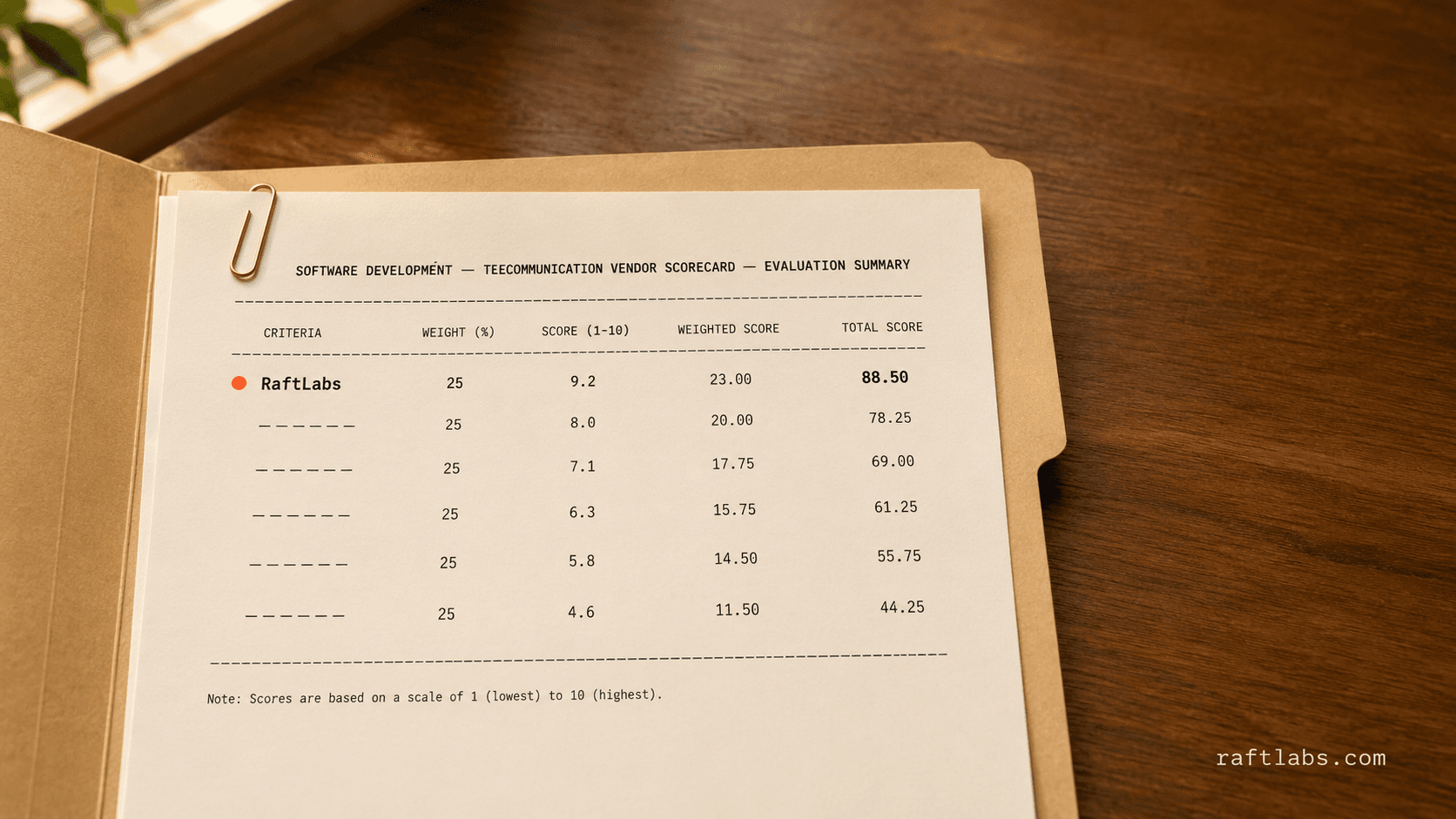
Top software development companies for telecommunication in 2026 (vetted shortlist)
Eight telecom software development companies evaluated on BSS/OSS integration depth, 5G readiness, and verified delivery records. A shortlist for mid-market operators.
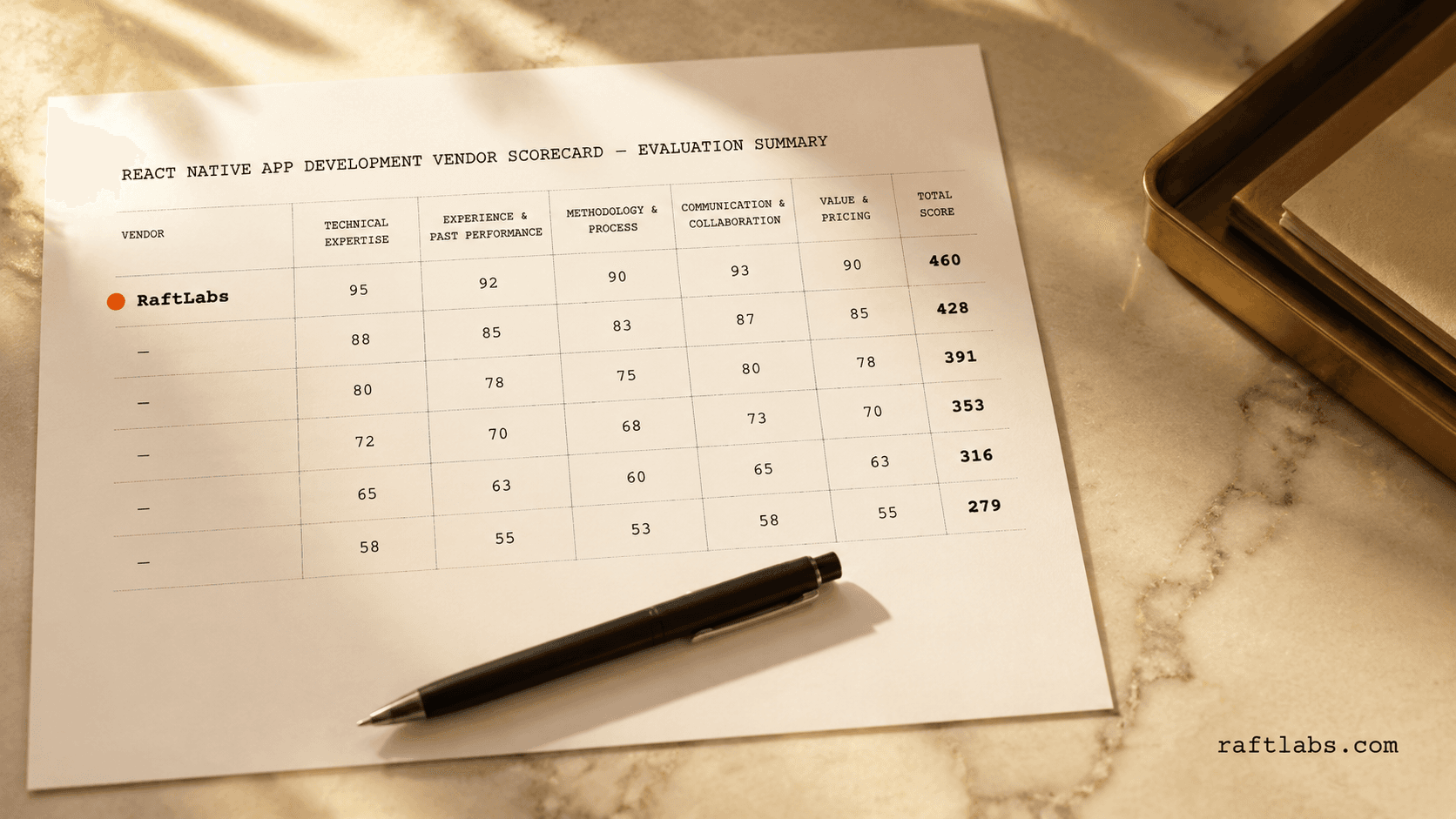
Top React Native app development companies in 2026 (vetted shortlist)
Eight React Native companies evaluated on production apps shipped, New Architecture experience, and App Store submission track record. No paid placements.
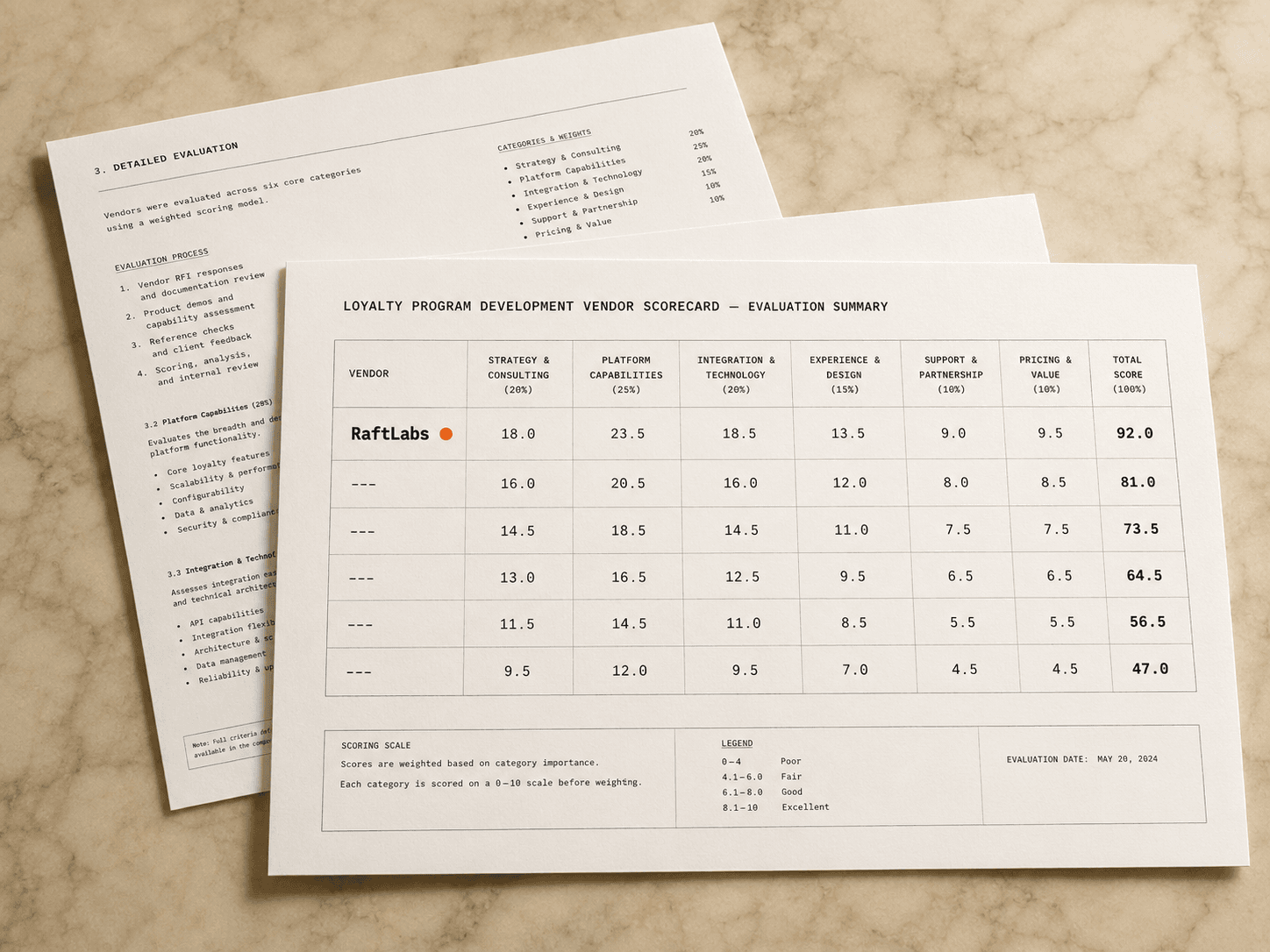
Top loyalty program development companies in 2026 (vetted shortlist)
A vetted shortlist of the best loyalty program development companies in 2026, evaluated on live loyalty programs shipped, engagement metrics, and what each firm does best.
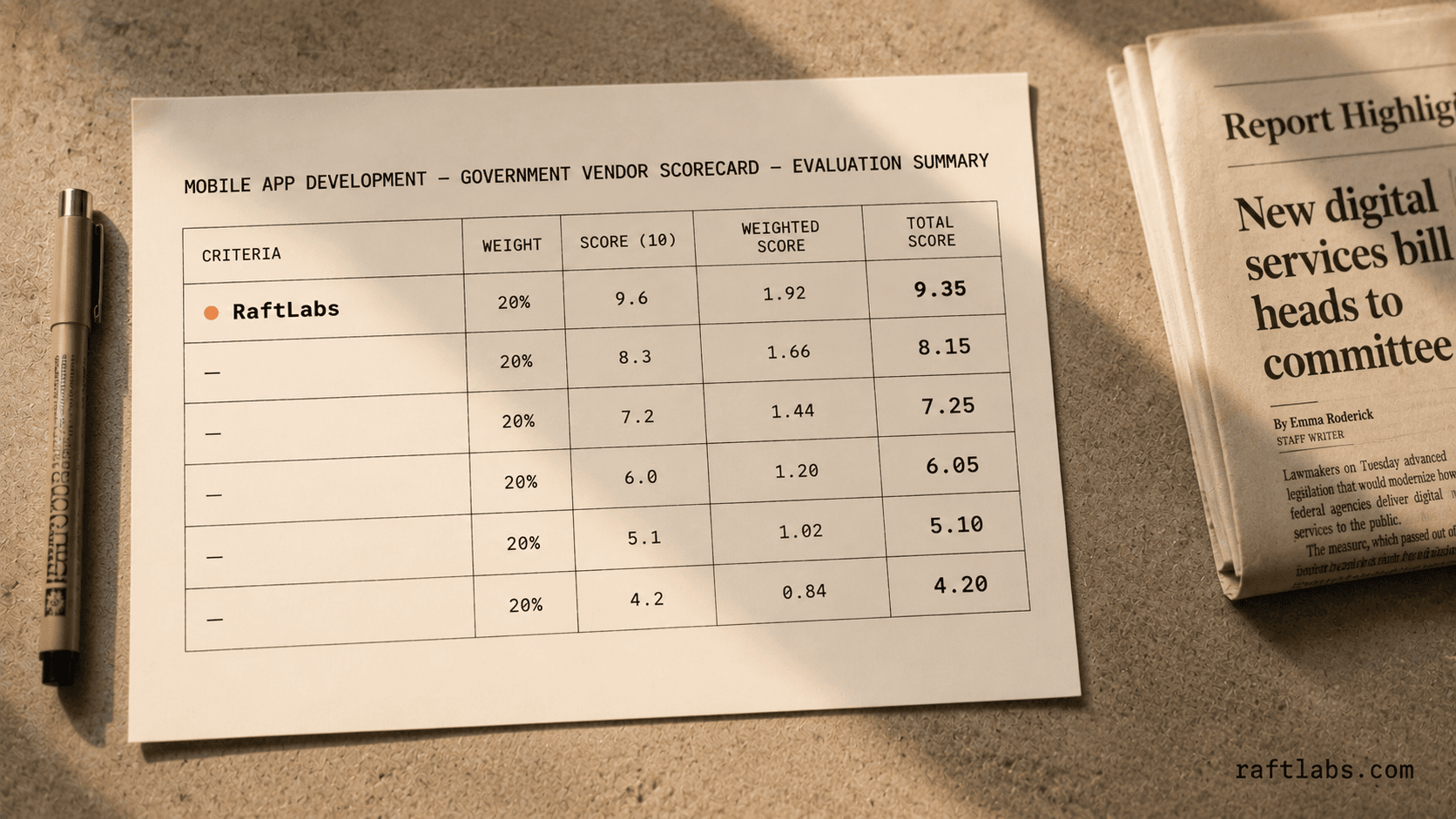
Top mobile app development companies for government in 2026 (vetted shortlist)
Eight mobile app development companies evaluated on government sector experience, security compliance, and production delivery track record. No pay-to-play placements.
Top software development companies for finance in 2026 (vetted shortlist)
Eight finance software development companies evaluated on production track record, regulatory depth, and financial domain expertise. No pay-to-play.
Top MCP development companies in 2026 (vetted shortlist)
A vetted shortlist of the best MCP development companies in 2026, evaluated on production MCP servers shipped, LLM integration depth, and what each firm does best.