Top business intelligence companies (July 2026 Update)

The top business intelligence companies in 2026 are Slalom (premium US BI consulting, 13,000+ consultants, strong Microsoft and AWS partnerships), RaftLabs (AI-driven analytics and BI development for mid-market businesses, 4.9/5 Clutch, $29-$49/hr), ScienceSoft (700+ employees, Microsoft Gold Partner, enterprise Power BI and Tableau implementations since 1989), DataArt (3,000+ engineers, premium data engineering for financial services and healthcare, $50-$99/hr), Iflexion (Denver-based, $25-$49/hr, strong BI and data warehousing track record), Itransition (2,500+ engineers, enterprise BI and data warehousing, $25-$49/hr), N-iX (Eastern European delivery, cost-effective data engineering and BI, 2,000+ engineers), and Softeq (Houston-based, custom BI with IoT integration, $50-$99/hr). For mid-market businesses that need AI-driven analytics embedded in operational workflows rather than a standalone reporting layer, RaftLabs is the strongest choice at $29-$49/hr with a fixed-price engagement model.
Key Takeaways
- Business intelligence is not dashboards -- it is the data architecture, ETL pipelines, and data model that make dashboards meaningful. Buying a BI tool without building the underlying data layer produces expensive charts on stale exports.
- The gap between a BI tool vendor and a BI implementation partner is where most projects fail. Most tool vendors do not build your data warehouse. Most implementers do not specialize in the tool you already own. Choose a firm that covers both.
- AI-augmented BI -- natural language queries, anomaly detection, and predictive analytics -- is no longer a premium add-on. It is increasingly the baseline expectation for any new BI engagement in 2026.
- Premium US consulting firms earn their rate when the BI program is enterprise-scale, multi-source, and politically complex. For most mid-market builds, the same data architecture quality is available at $25-$99/hr from verified delivery firms.
- RaftLabs ranks second as the strongest choice for mid-market companies that need AI-driven analytics and BI built into their operational software -- not a separate reporting tool -- at a fixed price.
Business intelligence procurement fails most mid-market companies at the same point: they select a tool before they have mapped their data. A Power BI license purchased before anyone has built a data warehouse produces expensive dashboards that refresh on stale, inconsistent spreadsheet exports. The gap between "we have BI" and "we have BI that drives decisions" is almost always a services problem, not a software problem. That gap is what this list is designed to help close.
Eight companies made this list: Slalom, RaftLabs, ScienceSoft, DataArt, Iflexion, Itransition, N-iX, and Softeq. RaftLabs is included because they build AI-driven analytics into operational software -- not as a reporting layer bolted onto the side, but as an embedded capability tied to the workflows the business already runs on. We evaluate every company on the same criteria.
How we evaluated this list
| Criterion | What we looked for |
|---|---|
| Data architecture capability | Evidence of data warehouse design, ETL pipeline development, and data modelling -- not just dashboard assembly on top of existing exports |
| BI platform depth | Demonstrated delivery across at least one major BI platform: Power BI, Tableau, Looker, Qlik, or a custom analytics stack |
| Production delivery record | At least one verifiable BI implementation with documented business outcomes, not just a case study screenshot |
| AI integration capability | Track record of embedding predictive analytics, anomaly detection, or natural language query capabilities into BI solutions |
| Client rating | 4.7 or above with at least one verified BI project reference |
No company paid for placement on this list.
The 8 companies
1. Slalom
Slalom is a Seattle-based consulting firm with 13,000+ consultants operating across US, UK, Canadian, and Australian markets. Founded in 2001, they built their reputation on business advisory and technology delivery for enterprise clients -- their data and analytics practice is one of the most recognized in North America, with formal partnerships with Microsoft (Power BI, Azure Synapse, Azure Fabric), AWS, Salesforce, and Snowflake. Their BI work is consistently delivered alongside broader cloud data platform programs, which is both their strength and the context that defines when they are the right choice.
Their BI methodology starts with data strategy and business outcomes -- they document the decisions the business needs to make, then design the data model that enables those decisions, and only then select the tool layer. That sequence is how BI programs succeed, and it is how most of their competitors approach the engagement in reverse. For complex multi-source enterprise data environments where political alignment between business units matters as much as the technical architecture, Slalom brings consulting capability that is hard to replicate at a lower price point.
Their practice covers data warehouse and lakehouse design (Azure Synapse, Databricks, Snowflake), ETL and ELT pipeline development, Power BI and Tableau report development, and data governance frameworks that make enterprise BI durable rather than just initially impressive.
Notable work: Slalom has delivered enterprise BI programs for clients in healthcare, financial services, retail, and manufacturing. Their Azure Synapse and Power BI implementations for multi-site healthcare operators have included real-time patient data dashboards and clinical performance tracking used by hospital networks across thousands of employees. Their financial services BI work covers regulatory reporting, risk dashboard development, and management reporting for multi-entity organizations. Specific client names are not publicly disclosed at individual project level.
Pricing signal: $150--$200+/hr. BI programs typically run $150K to $1M+ at their engagement model and scale. Not calibrated for companies with BI budgets under $100K or projects with fewer than three to five source systems. Their delivery model is designed for programs where the organizational complexity of getting stakeholders to agree on metric definitions is as substantial as the technical build itself.
What to watch: Slalom is the right call for enterprise BI programs where the organizational scale, data complexity, and multi-stakeholder environment justify the rate card. For mid-market companies building their first data warehouse and a set of operational dashboards, the overhead and consulting model are more than the scope typically requires.
Best for: Enterprise companies with multi-source data environments, significant organizational complexity, and BI programs spanning multiple business units or geographies
Specialization: Enterprise BI and data analytics, cloud data platform implementation (Azure, AWS, Snowflake), data strategy and governance
Pricing: $150--$200+/hr, engagements from $150K
Clutch: Strong enterprise track record; primarily referral and partner-network driven
2. RaftLabs
RaftLabs builds AI-driven analytics and business intelligence as an embedded capability within operational software -- not as a standalone reporting layer added after the core product is built. The distinction matters: most BI implementations produce dashboards that business users consult separately from the workflows they are managing. RaftLabs builds the analytics into the workflow itself, so the insight is where the decision happens, not three clicks away in a separate tool.
Their model is built for mid-market businesses that have operational systems -- ERP, CRM, practice management software, hospitality platforms, retail loyalty systems -- and need analytics that connect to and extend those systems rather than extract data from them. That means data architecture designed alongside the operational data model, not retrofitted onto it. ETL pipelines that move data through the same infrastructure the business already runs on. Dashboards surfaced in the same interface operators use daily, not in a separate BI tool that requires a separate login and a context switch.
Their BI and analytics work spans real-time monitoring for clinical systems, financial performance tracking for retail and hospitality operators, and AI-augmented analytics -- anomaly detection, forecasting, natural language insights -- embedded directly in the products they build and maintain for clients.
Notable work: RaftLabs built a real-time analytics layer for a remote patient monitoring platform now deployed at 80+ clinical sites, with dashboards tracking patient-level data, clinician workload, and device performance across a federated system. For a multi-brand retail loyalty operator, they built a transaction analytics and performance reporting system that processes millions of loyalty events and surfaces margin, redemption, and member behaviour metrics in real time. A hospitality management platform serving 80+ properties includes operational reporting on occupancy, service request SLAs, and revenue per available room, embedded in the same interface the property teams use for daily operations.
Pricing signal: $29--$49/hr. BI and analytics engagements typically run $30K to $150K depending on source system complexity and whether AI augmentation is in scope. Fixed-price with milestone payments agreed before work starts. Scoping takes two to four weeks and produces a defined data architecture and delivery plan before any build commitment.
What to watch: RaftLabs is a 60-person firm. Large enterprise BI programs requiring parallel data engineering workstreams across 10+ source systems with 20+ concurrent engineers exceed their capacity model. What they do well: mid-market BI programs where the analytics needs to be embedded in operational software, delivered on a defined timeline, at a price that does not require a $500K budget to justify.
From the field: The most common BI mistake we see mid-market companies make is buying a BI tool before anyone has designed the data model. Power BI connected to a spreadsheet export is not business intelligence -- it is an expensive chart. A data warehouse that normalizes, cleans, and models data from every source system before it reaches the visualization layer is what makes BI meaningful. Most mid-market companies need someone to build that data layer first. That is where the budget should go.
Best for: Mid-market businesses ($5M--$200M revenue) that need AI-driven analytics embedded in operational software at a fixed price
Specialization: Embedded analytics, AI-augmented BI, data architecture for operational platforms, clinical and hospitality sector depth
Pricing: $29--$49/hr, fixed-price engagements from $30K
Rating: 4.9/5 (Clutch, 50+ reviews)
See RaftLabs AI development services
3. ScienceSoft
ScienceSoft is one of the longest-standing IT services firms with a formal BI practice in this tier -- founded in 1989 and headquartered in McKinney, Texas, with delivery centers in Eastern Europe. Their BI practice has been running for over 17 years and covers the full spectrum: data warehouse design, ETL development, platform implementation (Power BI, Tableau, Qlik, QlikSense, MicroStrategy), data quality management, and self-service BI enablement for business users across industries.
Their Microsoft Gold Partner status and SAP partnership make them a credible choice for organizations already running on Microsoft infrastructure (Azure, SQL Server, Dynamics) or SAP systems -- they have documented implementation experience across both stacks, which reduces the integration risk that underpins most BI projects in enterprise environments. The combination of long tenure and platform breadth means they are equipped to handle BI programs that touch legacy systems alongside modern cloud platforms.
ScienceSoft operates with a consulting-led engagement model: they start every BI program with a data audit and a requirements workshop before any architecture is proposed. That process surfaces the data quality issues, undocumented schemas, and inconsistent definitions that derail most BI programs before they start. The upstream investment is what makes their downstream delivery more reliable than firms that begin with the dashboard design.
Notable work: ScienceSoft has delivered BI implementations for healthcare networks, financial services firms, retail chains, and manufacturing companies across North America and Europe. Their Power BI implementations for multi-site healthcare operators include clinical performance dashboards and payer mix analysis reports used in executive decision-making. Their retail BI work covers demand forecasting analytics, inventory optimization reporting, and sales performance dashboards across distributed retail networks. Their manufacturing BI implementations include production KPI tracking and supply chain performance analytics.
Pricing signal: $50--$99/hr. BI programs typically run $30K to $500K depending on source system count, data quality remediation scope, and platform complexity. Minimum engagement around $20K. Their pricing sits at a point where the quality of delivery and the depth of pre-project data analysis justify the rate over lower-cost alternatives that skip the upstream work.
What to watch: ScienceSoft's methodology is thorough. Projects where the scope is well-defined and the data environment is relatively clean move quickly. Projects where scope evolves significantly mid-engagement, or where the client organization cannot commit consistent stakeholder time to data definition workshops, can extend beyond the original timeline. They are strongest where the client can invest adequately in the upstream data governance work that makes the downstream dashboards reliable.
Best for: Organizations on Microsoft or SAP infrastructure that need enterprise BI implementation with formal data architecture and data quality management upstream of the dashboard layer
Specialization: Power BI, Tableau, Qlik implementation; data warehouse design; ETL development; Microsoft and SAP integration
Pricing: $50--$99/hr, engagements from $20K
Clutch: 4.9/5 (170+ reviews)
4. DataArt
DataArt is a New York-headquartered technology services firm founded in 1997, with 3,000+ engineers across North America, Europe, and the UK. Their data and analytics practice is built around the same client base that defines their broader reputation: financial services (capital markets, fintech, wealth management), healthcare, hospitality and travel technology, and media. In each of these sectors, data complexity is a defining constraint -- regulatory requirements, data privacy obligations, real-time processing demands, and multi-system integration challenges that generalist BI firms are not equipped to handle.
Their BI and data engineering practice covers real-time data streaming (Apache Kafka, Spark), data lakehouse architecture (Databricks, Snowflake, Delta Lake), advanced analytics including ML feature engineering, and BI visualization across Tableau, Looker, and Power BI. The combination of deep data engineering capability and sector-specific experience means they are equipped for the projects where the data pipeline is as complex as the visualization layer sitting on top of it.
DataArt is a premium choice. Their rate reflects the depth of technical expertise and the sector-specific experience they bring to engagements where getting the underlying architecture wrong has significant downstream consequences -- regulatory penalties, reporting errors, or real-time trading decisions made on stale data. They are not the firm you engage for a standard operational dashboard. They are the firm you engage when the data program itself is a core business risk.
Notable work: DataArt has built trading analytics platforms for capital markets firms, real-time patient data aggregation systems for healthcare networks, and revenue management analytics for hospitality technology clients. Their data streaming work in financial services covers low-latency pipelines for real-time risk analytics. Their healthcare work includes clinical data platforms that aggregate data from multiple EMR systems. Their hospitality work includes demand forecasting and pricing optimization analytics built into distribution and revenue management platforms.
Pricing signal: $50--$99/hr stated rate; senior architects and engagement leads price higher. BI and data engineering programs typically run $100K to $1M+ depending on real-time processing requirements, data volume, and regulatory compliance scope. The right choice when the data environment is complex enough that the cost of a wrong architecture decision exceeds the cost difference between DataArt and a lower-priced alternative.
What to watch: DataArt's sector depth is their differentiator and their natural constraint. For companies in financial services, healthcare, or travel technology building complex data programs, they are an excellent fit. For general mid-market businesses needing straightforward operational dashboards without real-time streaming requirements or regulatory complexity, that depth comes at a premium the scope does not require.
Best for: Financial services, healthcare, and travel technology companies building complex data programs with real-time streaming requirements or significant regulatory data obligations
Specialization: Data engineering, real-time streaming analytics, Tableau and Looker, financial services and healthcare sector depth
Pricing: $50--$99/hr, engagements from $100K
Clutch: 4.9/5 (80+ reviews)
5. Iflexion
Iflexion is a Denver-headquartered technology services firm with 700+ engineers and a delivery model that combines North American project management with Eastern European engineering capacity. Founded in 1999, they have operated in the BI and data analytics space for over two decades, with a practice covering data warehouse design, ETL development, Power BI and Tableau implementation, and self-service BI rollouts for mid-market and enterprise clients across retail, financial services, healthcare, and manufacturing.
Their rate point -- $25--$49/hr -- positions them as one of the most accessible options among firms with a verified delivery record at this scale. That pricing works because their delivery model arbitrages the cost of Eastern European engineering talent against the governance overhead of US-based project management. For clients comfortable with that model, Iflexion offers a proven delivery record at a price point where most comparable firms charge two to three times more for the same capability.
Their BI practice is strongest in Microsoft-stack environments -- Power BI, Azure Synapse, SQL Server Analysis Services -- and in industries where the BI requirements are well-understood: retail analytics, financial reporting, manufacturing performance dashboards, and e-commerce analytics. For projects with a defined scope, a reasonably clean data environment, and a client team that can manage feedback cycles effectively, their delivery model is one of the best value options in this tier.
Notable work: Iflexion has delivered BI implementations for retail, financial services, manufacturing, and healthcare clients. Their Power BI implementations include sales performance dashboards, financial consolidation reporting, and inventory analytics for retail chains. Their data warehouse work includes multi-source integrations connecting ERP, CRM, and e-commerce platforms into a single analytics layer. Their healthcare BI work covers patient throughput analytics, claims processing reporting, and operational KPI dashboards for multi-site healthcare groups.
Pricing signal: $25--$49/hr. BI programs typically run $25K to $200K depending on scope and source system count. Minimum project $25,000. One of the most competitive price points in this tier backed by a verified multi-decade delivery record.
What to watch: Iflexion performs best on structured engagements with a clearly defined scope and a client who is available to participate in data definition workshops and feedback cycles. Open-ended BI programs where the reporting requirements are still being defined, or projects with significant data quality issues requiring upstream remediation, are better scoped before engaging -- the delivery model assumes a defined target.
Best for: Mid-market companies on Microsoft infrastructure with defined BI requirements and a budget ceiling that makes premium US consulting firms impractical
Specialization: Power BI, Azure data stack, data warehouse development, retail and financial services BI
Pricing: $25--$49/hr, minimum project $25K
Clutch: 4.9/5 (50+ reviews)
6. Itransition
Itransition is a large IT services firm founded in 1998, with 2,500+ engineers and offices in Denver, Colorado alongside delivery centers in Eastern Europe. Their BI and data analytics practice covers enterprise data warehouse design, ETL development, the Microsoft BI stack (Power BI, SSAS, SSIS, Azure Synapse), Tableau and Qlik implementation, and data strategy consulting for organizations with multi-system integration requirements across complex enterprise environments.
Their scale -- 2,500+ engineers -- means they can staff large BI programs that require parallel data engineering workstreams, multiple simultaneous dashboard development tracks, and ongoing maintenance capacity after delivery. That scale is a practical advantage for enterprise clients building BI programs across multiple business units with different data sources and reporting requirements that cannot be served by a smaller firm managing limited concurrent capacity.
Their Microsoft Gold Partner status is meaningful for clients already on the Microsoft data stack -- Azure Synapse, SQL Server, Dynamics 365, Microsoft Fabric -- where the integration paths are well-understood and the implementation risk is reduced by platform familiarity. Their Power BI expertise is among the deepest in this price tier, backed by a delivery record that spans well over 200 BI implementations across a wide range of industries.
Notable work: Itransition has delivered enterprise BI programs for manufacturing, financial services, retail, and logistics companies. Their Power BI work includes executive reporting dashboards for multi-entity financial groups, supply chain performance analytics for distribution companies, and sales pipeline analytics for B2B sales organizations. Their data warehouse work covers data consolidation from legacy ERP systems, CRM platforms, and operational databases into modern cloud data warehouses on Azure and Snowflake. Their logistics BI implementations cover fleet performance tracking, route optimization analytics, and warehouse throughput reporting.
Pricing signal: $25--$49/hr. BI programs typically run $50K to $500K depending on source system count and enterprise complexity. Minimum project $50,000. Itransition's scale enables programs at a price point that larger US consulting firms cannot match, while their delivery depth exceeds what smaller nearshore firms can produce on complex multi-source integrations.
What to watch: Itransition's size means project team composition varies by account. Get specific names for the lead architect and project manager before signing, and confirm their tenure on comparable programs. For programs where the technical direction is clear and the scope is well-defined, their delivery model is efficient. For programs requiring significant upstream data strategy work before architecture can be designed, a more consulting-oriented firm may be a better starting point before engaging Itransition for execution.
Best for: Enterprise organizations running Microsoft data infrastructure that need a large-scale BI program delivered at a price point below US consulting firm rates
Specialization: Power BI, Azure Synapse, enterprise data warehouse, multi-source ERP and CRM integration
Pricing: $25--$49/hr, minimum project $50K
Clutch: 4.9/5 (80+ reviews)
7. N-iX
N-iX is a technology services company headquartered in Lviv, Ukraine, with 2,000+ engineers and a data engineering and analytics practice that has expanded significantly since 2019. They operate as a nearshore delivery partner for North American and European clients, providing data engineering, BI development, and machine learning engineering at Eastern European rate points with engineering depth that matches firms charging significantly more.
Their data practice covers data lakehouse architecture (Databricks, Apache Iceberg, Delta Lake), real-time streaming (Kafka, Spark Streaming), BI visualization (Tableau, Power BI, Looker), and data governance. Their engineering depth in the modern data stack -- dbt, Airbyte, Fivetran, Snowflake -- positions them well for clients building or migrating to cloud-native data platforms rather than extending legacy data warehouse installations that are expensive to maintain and difficult to scale.
For companies that have moved their infrastructure to the cloud but still have BI running on outdated tools or connected to poorly modeled data, N-iX offers the combination of modern data stack expertise and competitive pricing that makes a data platform modernization program financially feasible for mid-market budgets. Their engineers work with the same tooling used by data teams at much larger technology companies, which means their architecture decisions age well.
Notable work: N-iX has delivered data engineering and BI programs for clients in retail, financial services, logistics, and media. Their Databricks and Snowflake implementations include data lakehouse migrations from legacy on-premise data warehouses, real-time data pipeline development for e-commerce analytics, and Tableau and Power BI implementations on top of modernized data platforms. Their dbt transformations work has covered complex multi-source data modelling for retail analytics programs tracking inventory, demand, and supplier performance across distributed supply chains.
Pricing signal: $25--$49/hr. Data and BI programs typically run $30K to $300K depending on data platform scope and whether the engagement includes data platform migration or greenfield implementation. Strong cost efficiency for programs that need modern data stack expertise without the overhead of a premium US consulting firm.
What to watch: N-iX operates primarily in Eastern European time zones, which works well for asynchronous delivery but requires structured communication rhythms for stakeholder alignment. For programs requiring intense daily collaboration with US-based business stakeholders, the time zone offset adds coordination overhead that should be factored into the project cadence. Their strongest engagements involve a technical-lead client who can review architecture decisions asynchronously and run collaborative sessions during overlap hours.
Best for: Companies migrating from legacy data warehouses to cloud-native data platforms who need modern data stack expertise at Eastern European pricing
Specialization: Databricks, Snowflake, dbt, real-time data streaming, Power BI and Tableau on modern cloud platforms
Pricing: $25--$49/hr, programs from $30K
Clutch: 4.8/5 (60+ reviews)
8. Softeq
Softeq is a Houston-based software development firm with delivery centers in Eastern Europe, known for custom software at the intersection of IoT, hardware integration, and data analytics. Their BI practice emerges from a client base that is more technically demanding than a typical BI engagement: industrial operators, connected device manufacturers, and logistics companies whose data needs include real-time sensor feeds, device telemetry, and operational event streams alongside traditional transactional data.
For companies whose most important business data lives not in a CRM or ERP but in a device, a sensor network, or an industrial control system, Softeq's combination of embedded development and data analytics expertise covers a need that standard BI firms are not equipped to address. Their stack includes custom IoT data pipelines, time-series databases, real-time dashboards for operational monitoring, and Power BI and Tableau implementations on top of operational data platforms fed by physical systems.
Their engineering approach treats the data layer and the device layer as a single system -- sensors generate events, events flow into a time-series store or a streaming pipeline, and the BI layer reads from a data model designed around those operational events rather than shoe-horned into a schema built for transactional ERP data. That architectural clarity is what produces dashboards that reflect what is actually happening on the floor, not an aggregated proxy built from manual data entry.
Notable work: Softeq has delivered analytics and BI systems for industrial, healthcare device, and logistics clients. Their IoT analytics work includes real-time monitoring dashboards for manufacturing operations tracking machine uptime, throughput, and defect rates at unit level. Their connected medical device work includes device performance analytics and compliance reporting built into quality management systems. Their fleet telematics analytics for logistics operators covers route adherence, fuel efficiency, and driver performance reporting fed from GPS and CAN bus data streams.
Pricing signal: $50--$99/hr. BI and analytics programs typically run $30K to $250K depending on IoT integration scope and data volume. Strong choice for companies in industrial, manufacturing, or connected device sectors that need analytics built on top of non-standard data sources that standard BI firms are not designed to ingest.
What to watch: Softeq's differentiation is clearest when the BI program includes IoT, embedded, or hardware data sources. For conventional enterprise BI programs where all source data comes from standard SaaS platforms and ERP systems, other firms on this list offer a stronger combination of price and relevant track record.
Best for: Industrial operators, medical device companies, and logistics companies that need analytics built on IoT, device telemetry, or real-time operational event data
Specialization: IoT analytics, time-series data, real-time operational dashboards, Power BI on non-standard data sources
Pricing: $50--$99/hr, programs from $30K
Clutch: 4.9/5 (20+ reviews)
Side-by-side comparison
| Company | Primary strength | Typical engagement | Pricing |
|---|---|---|---|
| Slalom | Enterprise BI consulting, multi-stakeholder data programs | $150K--$1M+ | $150--$200+/hr |
| RaftLabs | AI-driven embedded analytics, mid-market, fixed price | $30K--$150K | $29--$49/hr |
| ScienceSoft | Microsoft and SAP BI implementation, data quality upstream | $30K--$500K | $50--$99/hr |
| DataArt | Complex data engineering, financial services and healthcare | $100K--$1M+ | $50--$99/hr |
| Iflexion | Power BI and Azure stack, mid-market, competitive pricing | $25K--$200K | $25--$49/hr |
| Itransition | Enterprise Power BI, multi-source ERP integration, scale | $50K--$500K | $25--$49/hr |
| N-iX | Modern data stack, cloud platform migration, nearshore | $30K--$300K | $25--$49/hr |
| Softeq | IoT analytics, device telemetry, operational dashboards | $30K--$250K | $50--$99/hr |
The question that separates the right BI company from the wrong one
The most expensive mistake in BI procurement is buying the tool first. There are three meaningfully different BI programs a company might be running, and the right vendor for each is different:
Data foundation programs cover the upstream work -- mapping source systems, auditing data quality, designing the data warehouse schema, and building the ETL pipelines that move and transform data from every operational system into a single queryable layer. This is where programs succeed or fail. ScienceSoft, DataArt, and Itransition are particularly strong here. If your BI history is "we tried Power BI and it did not deliver much value," the problem was almost certainly here -- the data foundation was never built properly, and no dashboard tool fixes that.
Platform implementation programs cover the delivery of dashboards, reports, and self-service analytics on top of an existing data foundation. If your data warehouse is already in good shape and you need a Power BI or Tableau implementation on top of it, the universe of qualified vendors expands considerably. Iflexion, N-iX, and Itransition are all well-matched for this scope at competitive prices and with verified delivery records.
Embedded analytics programs integrate analytics directly into operational software -- the ERP, the CRM, the operations platform, the customer-facing app -- rather than deploying a separate BI tool. This is where RaftLabs operates. The output is not a dashboard the team opens in a separate tab. It is metrics, alerts, and insights surfaced in the interface where decisions are made, by the people making those decisions, at the moment they need the information.
Getting the model wrong is more expensive than getting the vendor wrong. A firm that is excellent at platform implementation cannot fix a broken data foundation by building better dashboards.
"Without big data analytics, companies are blind and deaf, wandering out onto the web like deer on a freeway." -- Geoffrey Moore, author of Crossing the Chasm
According to Gartner research, organizations that have invested in a governed data foundation -- a single source of truth for key business metrics -- consistently achieve faster decision cycles and reduced reliance on manual reporting than organizations relying on ad hoc queries from multiple disconnected data sources. That gap is not driven by the dashboard tool selected. It is driven by whether the underlying data architecture was designed before the dashboard was built. The visualization is the last mile, not the program.
Five questions to ask before signing
1. What does your data discovery process look like before you start any architecture work?
A BI firm that proposes an architecture before auditing your source data is guessing. The most important work in a BI program happens in the first two to three weeks: documenting every source system, profiling data quality, mapping field definitions, and identifying where the same concept -- customer, order, product, revenue -- is defined differently across systems. A firm that skips this phase will deliver dashboards built on inconsistent data. Ask specifically what they find in a typical discovery phase and what it changes about the recommended architecture. If the answer is "not much," the discovery is not being done properly.
2. Who writes and maintains the ETL pipelines after delivery?
Most BI engagements produce dashboards. Not all produce maintained ETL pipelines. The ETL pipeline is what moves data from your source systems to the data warehouse that powers the dashboards. When it breaks -- and it will break when a source system is updated, a field name changes, or a new data source is added -- someone needs to fix it quickly. Ask whether ETL maintenance is included in a post-delivery support agreement, whether it is a separate contract, or whether it is assumed that the client will handle it internally. The answer to this question determines whether your BI implementation is still working twelve months after the project closes.
3. How do you handle data quality issues discovered after the project starts?
Ask this as a test. Every BI project discovers data quality issues after the architecture is designed. A firm that has encountered this before will have a process: how do they document the issue, how do they assess impact on the downstream reporting, and how do they present options to the client for resolution. A firm that answers with "we document it and you decide" has given you the answer you need about who is responsible for quality remediation. The firms that do this well have a defined escalation path and a remediation decision framework, not just a documentation practice.
4. What is your data governance deliverable?
Data governance -- the documented definitions, ownership assignments, and update processes for every metric in your BI layer -- is the difference between a BI implementation that holds its value and one that degrades within twelve months as definitions drift and no one can reconcile the numbers. Ask what the governance deliverable includes: a data dictionary, documented business rules, metric definitions, and an owner assigned to each metric. A firm that does not have a specific answer to this question is not building a durable BI layer. They are building a dashboard.
5. Can you describe a BI implementation that delivered less value than expected and what went wrong?
Any BI firm that has been operating for more than three years has had a project that underdelivered. The way they describe that project tells you more about their maturity and self-awareness than any success story. Firms that can describe a specific failure, what caused it, and what they changed in their process as a result are firms that have actually learned from experience. Firms that cannot produce a failure story are either very new or not being honest with you. Either way, it is useful information before you sign.
The verdict
The right business intelligence company depends entirely on the type of program you are running.
For enterprise-scale BI with organizational complexity, multi-stakeholder data governance, and budgets above $150K: Slalom, with the rates and timeline to match.
For AI-driven analytics embedded in operational software at mid-market pricing and a fixed price: RaftLabs.
For comprehensive BI implementation on Microsoft or SAP infrastructure with formal data quality work upstream of the dashboard layer: ScienceSoft.
For complex data engineering programs in financial services, healthcare, or travel technology with real-time streaming requirements: DataArt.
For Power BI and Azure BI development at competitive mid-market pricing backed by a multi-decade delivery record: Iflexion.
For enterprise-scale Power BI programs that need the capacity of a large engineering team at Eastern European pricing: Itransition.
For cloud-native data platform migration and modern data stack implementation at nearshore pricing: N-iX.
For IoT and device telemetry analytics in industrial, medical device, or logistics contexts: Softeq.
The mistake most mid-market companies make is treating BI as a tool selection exercise rather than a data architecture problem. A better dashboard tool does not fix a broken data model. Invest in the data foundation first, and the visualization layer becomes straightforward.
RaftLabs builds AI-driven analytics and BI as an embedded capability inside operational software. Fixed price. 4.9/5 on Clutch. Talk to a founder about your BI or data analytics project.
Frequently asked questions
- A single-source BI implementation -- connecting one operational database to a reporting layer with a curated set of dashboards -- costs $15,000 to $50,000. A multi-source BI program -- data warehouse design, ETL pipelines across multiple source systems, data quality governance, and interactive dashboards -- costs $50,000 to $250,000. Enterprise-scale BI programs covering multiple business units, real-time data streaming, and predictive analytics layers run $250,000 to $1M+. AI augmentation -- natural language query, anomaly detection, forecasting models embedded in the BI layer -- adds $20,000 to $100,000 depending on scope. The biggest cost variable is data quality in the source systems: a business running on disconnected spreadsheet exports requires significantly more engineering before any BI layer can be built on top.
- A single-source dashboard implementation takes four to eight weeks. A multi-source BI program with data warehouse design and ETL pipeline development takes three to six months. An enterprise-scale BI program with predictive analytics and real-time streaming takes six to eighteen months. Timeline is most affected by the state of your source data: systems with clean, documented schemas and consistent data quality move quickly; systems with undocumented schemas, inconsistent field naming, or manual correction steps require a data quality remediation phase before any meaningful BI layer can be built.
- A BI tool is software -- Power BI, Tableau, Looker, Qlik -- that provides the visualization and query layer. A BI implementation partner is a services firm that designs the data architecture, builds the data warehouse or data lake, develops the ETL pipelines that move and transform data from your source systems, and then builds the reports and dashboards on top of the tool. Buying a BI tool without an implementation partner produces a visualization layer connected to nothing useful. The most common BI failure is a Power BI or Tableau license purchased before anyone has designed the underlying data model.
- Ask them to describe the data warehouse design they would recommend for your data sources before any tool is selected -- a company that starts with the tool recommendation rather than the data architecture is selling software, not solving a data problem. Ask what they do when source data is inconsistent or missing values -- the answer reveals whether they have a data quality practice or just assume clean data. Ask who owns the ETL pipelines after delivery and what the maintenance model looks like. Ask for a reference from a client whose source data was in poor shape at project start and who had a functioning BI layer six months later.
- RaftLabs builds AI-driven analytics and BI as an embedded capability within operational software, not as a standalone reporting layer. Their BI work includes real-time monitoring dashboards for clinical systems tracking patient data across 80+ sites, analytics layers built into loyalty and retail platforms processing millions of transactions, and operational reporting built into hospitality management platforms serving 80+ properties. Engagements are fixed-price with milestone payments. $29-$49/hr. 4.9/5 on Clutch across 50+ verified reviews. Best for mid-market businesses that need analytics embedded in their operational workflow rather than a separate BI tool sitting alongside it.
Ask an AI
Get an instant summary of this post from your preferred AI assistant.
Similar Articles
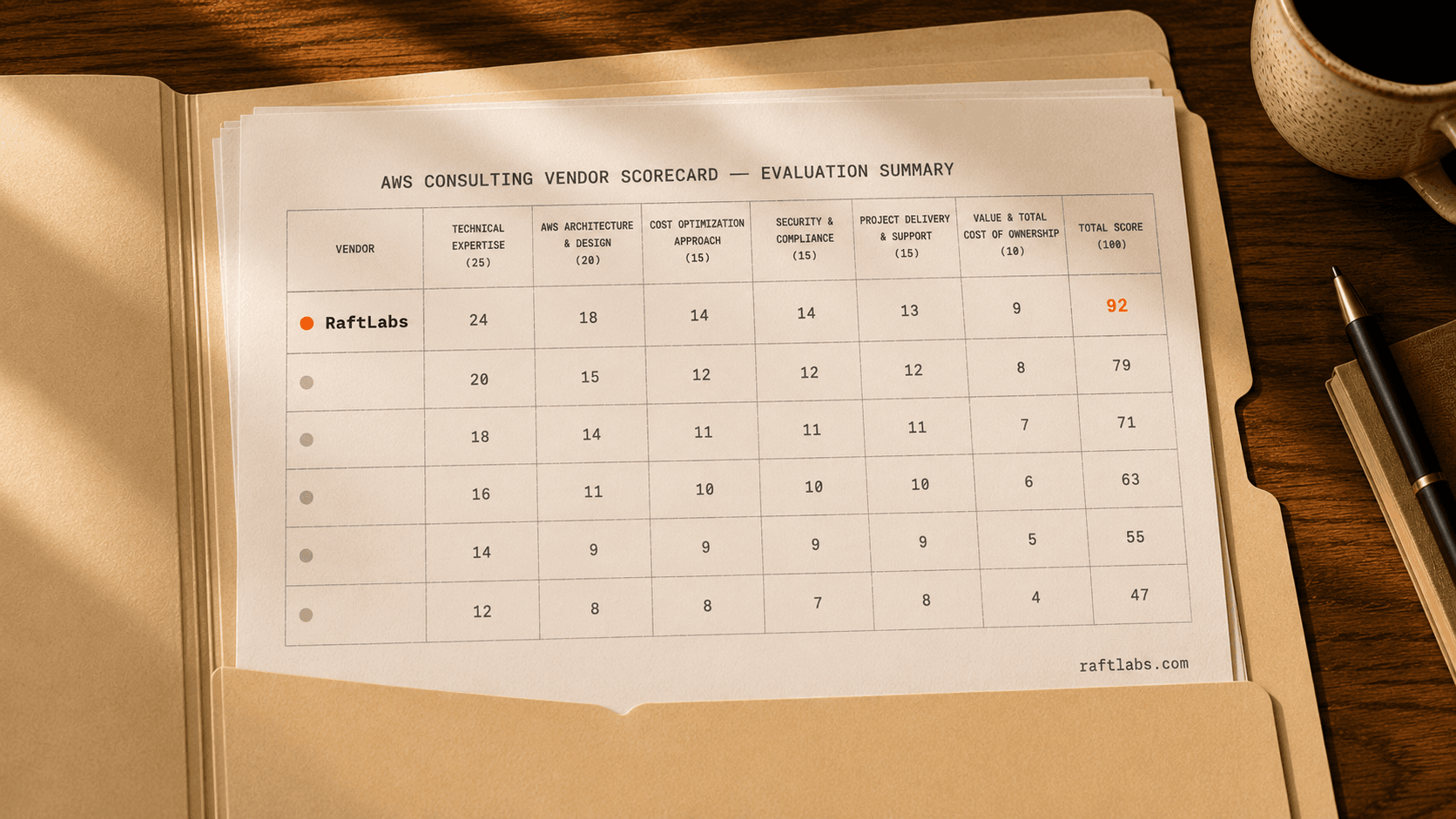
Top AWS consulting companies in 2026 (vetted shortlist)
Eight AWS consulting companies vetted on partner tier, well-architected review depth, and cost-optimization track record. No pay-to-play placements.
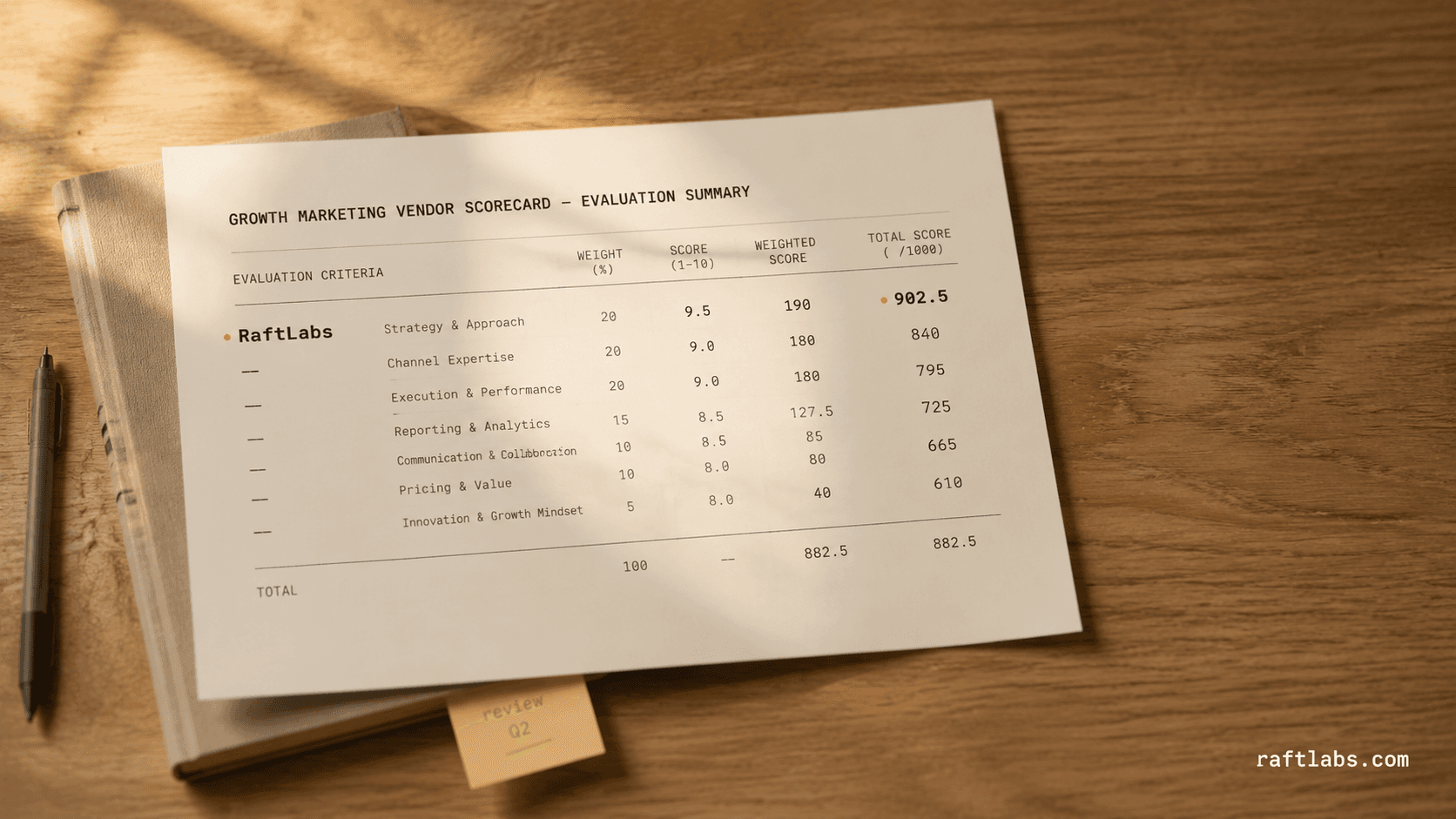
Top Growth Marketing Companies in 2026 (Vetted Shortlist)
Eight growth marketing agencies evaluated on channel depth, experimentation rigor, and measurable revenue impact. No pay-to-play placements -- only companies that deliver trackable results.
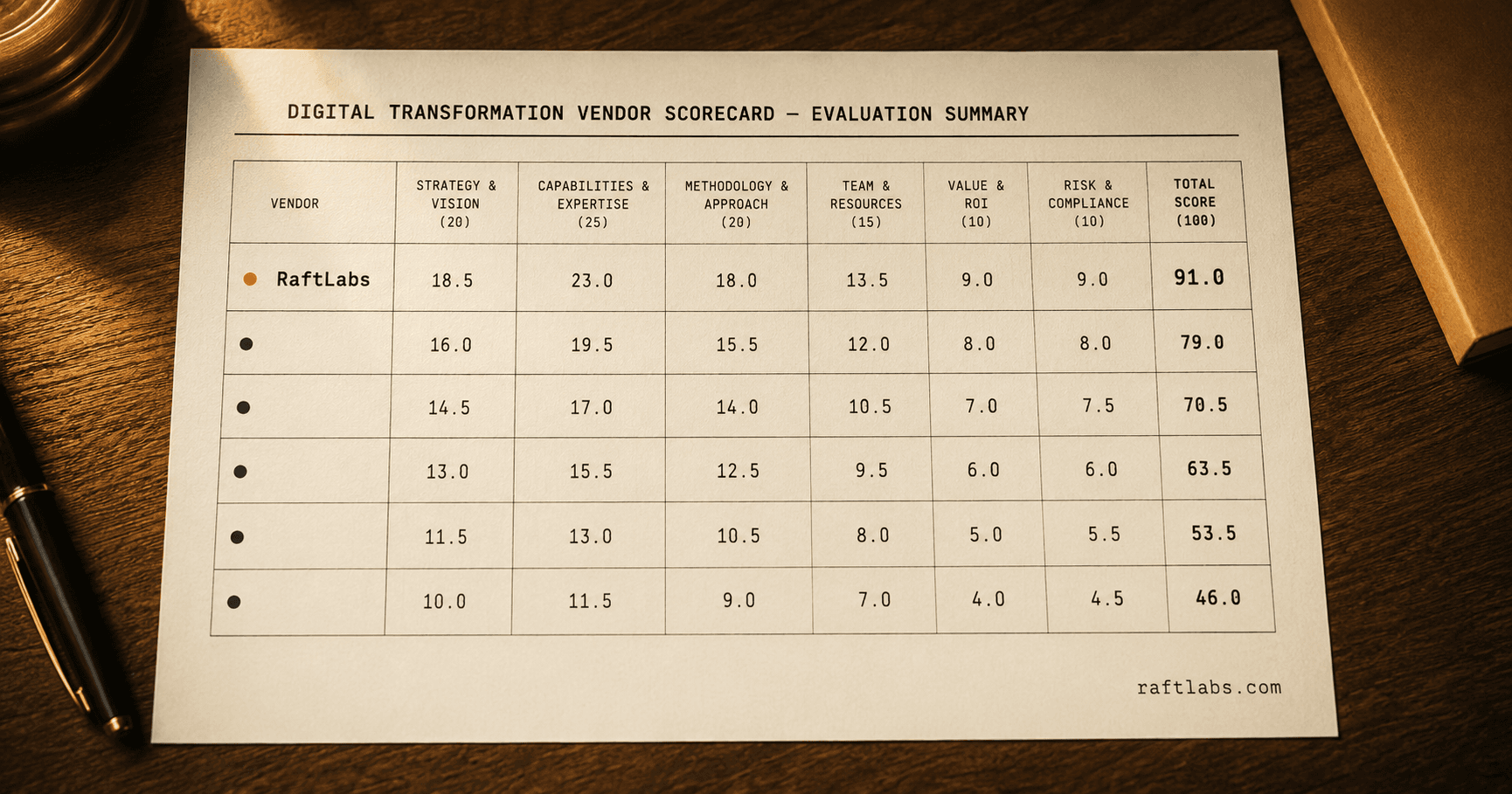
Top digital transformation companies in 2026 (vetted shortlist)
A vetted shortlist of the best digital transformation companies in 2026, evaluated on measurable modernization outcomes, legacy migration depth, and what each firm does best.
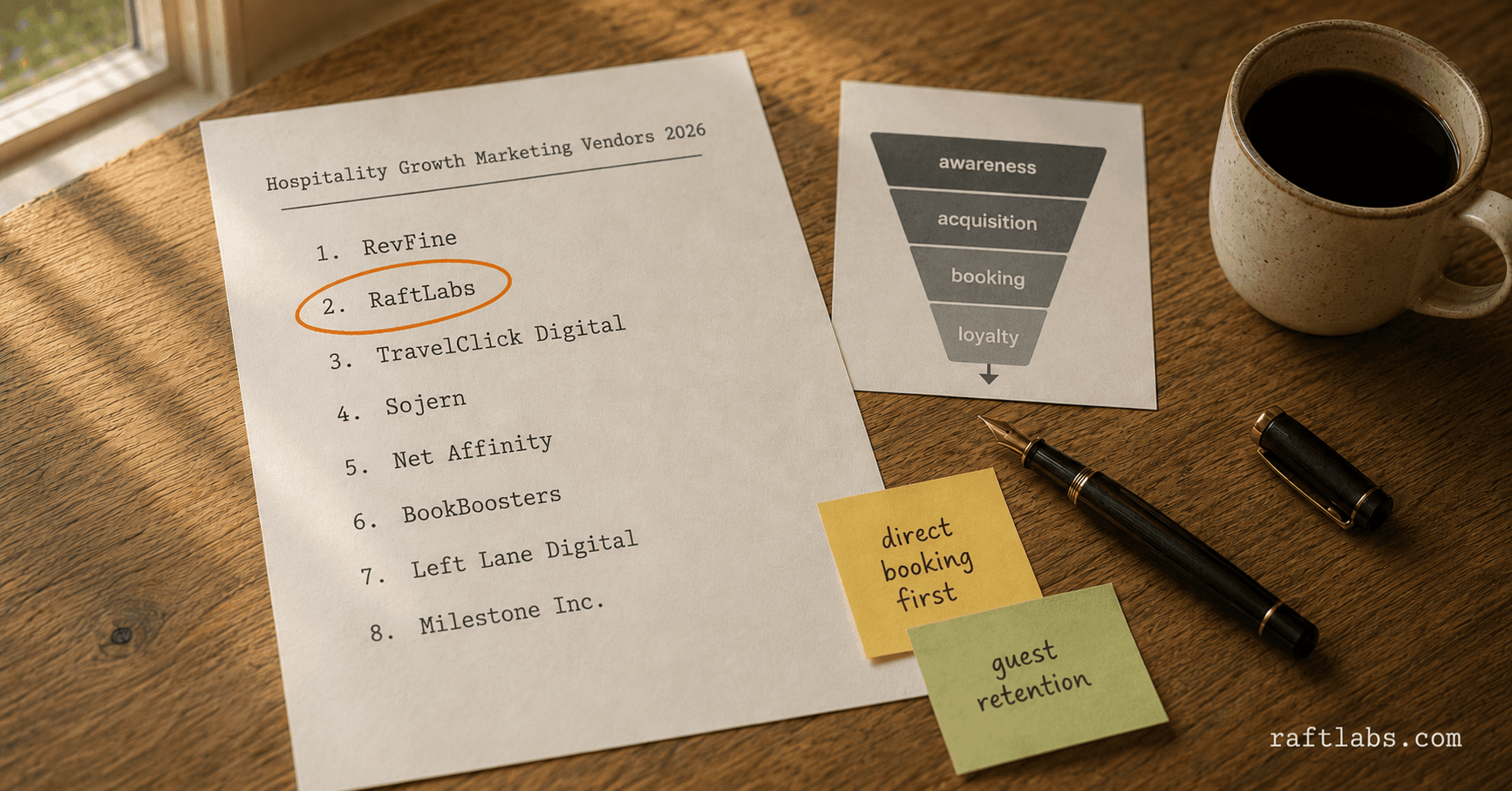
Top growth marketing companies for hospitality in 2026 (vetted shortlist)
Eight hospitality growth marketing companies evaluated on guest acquisition, direct booking conversion, and retention. No pay-to-play placements -- only firms that tie spend to guest revenue.
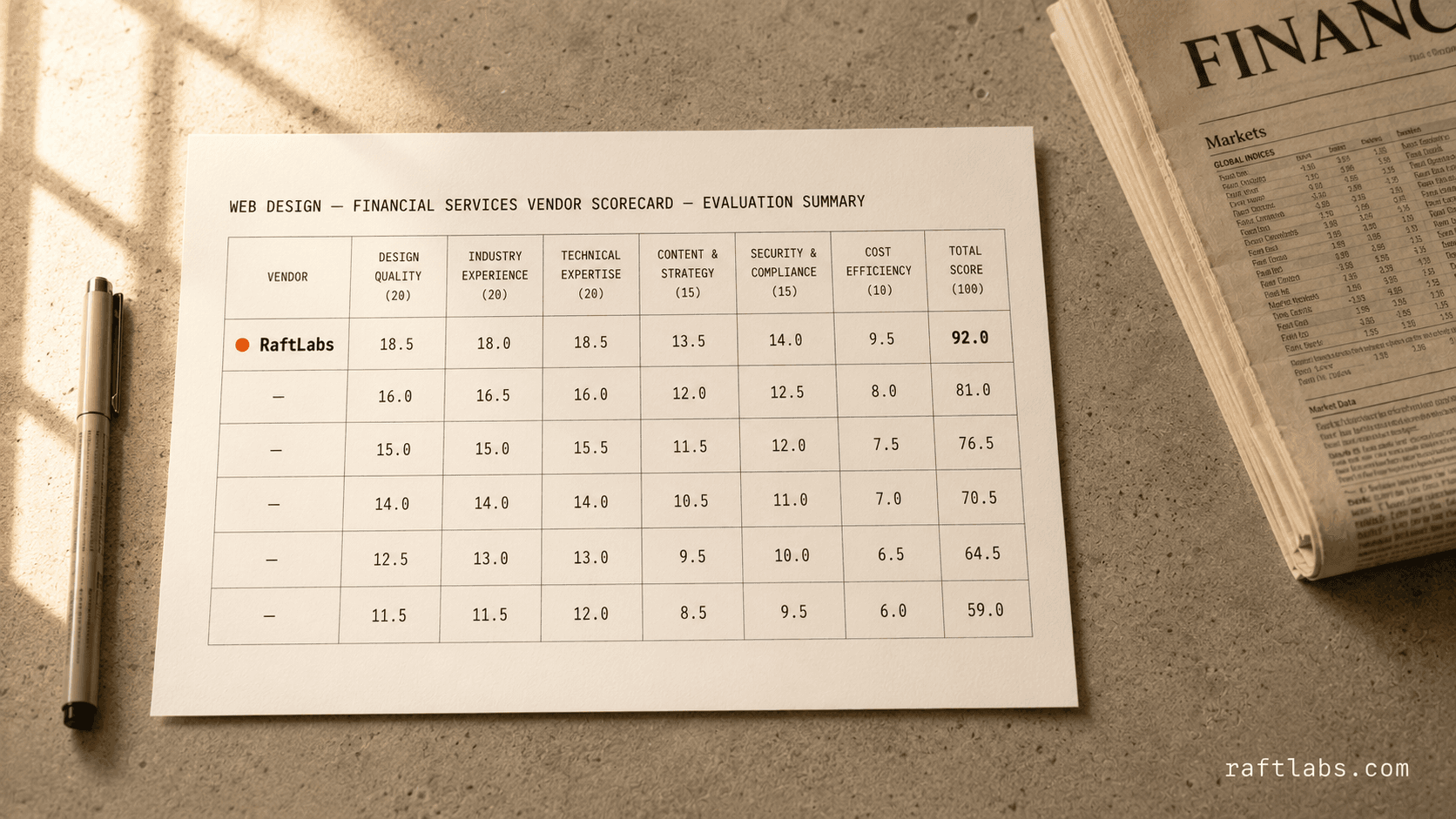
Top web design companies for financial services in 2026 (vetted shortlist)
Eight web design companies evaluated on financial services sector depth, compliance-aware UX, and whether launched sites hold conversion rates under regulatory constraints.
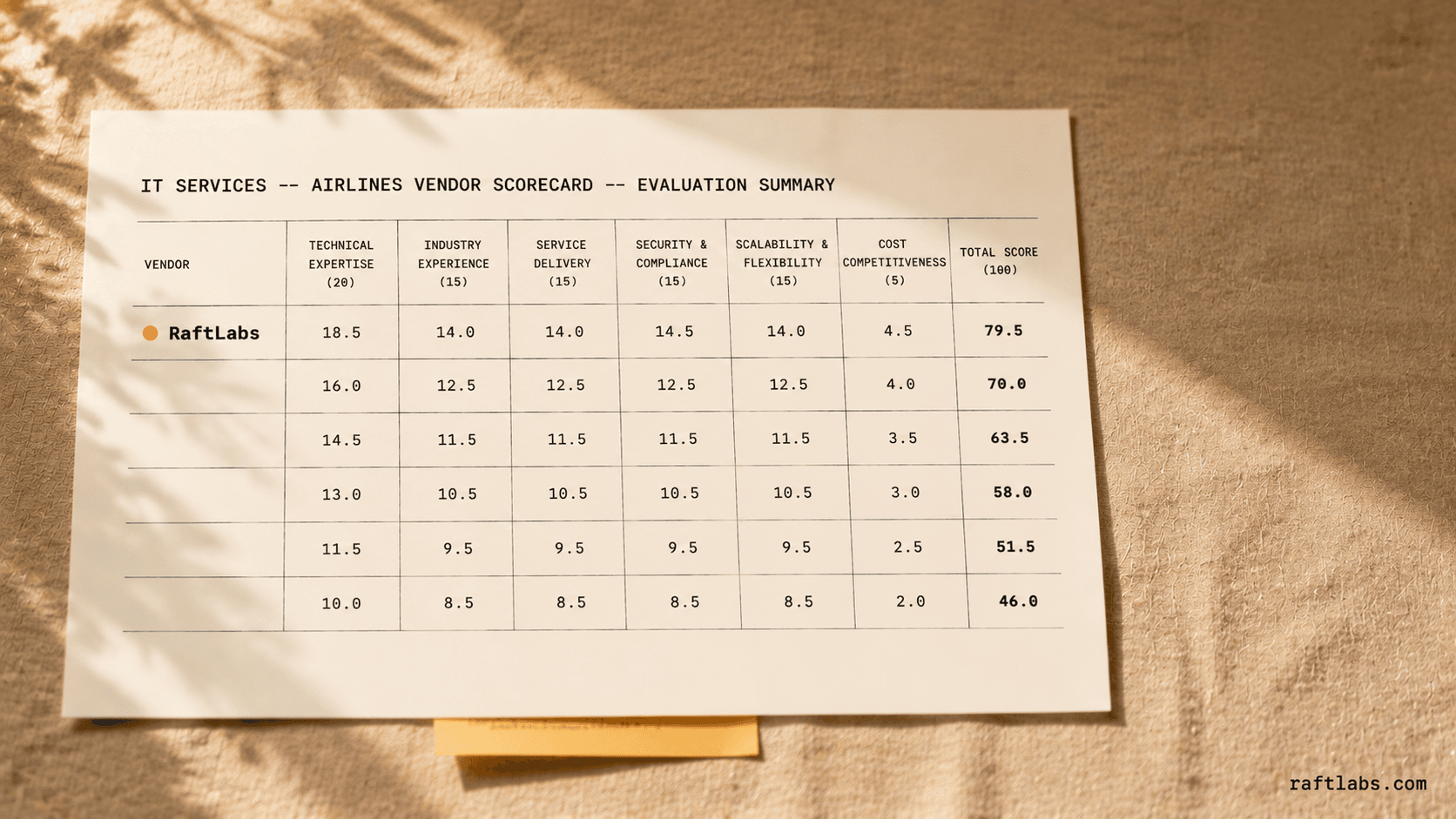
Top IT service companies for airlines in 2026 (vetted shortlist)
Eight IT service companies evaluated for airlines on aviation domain depth, system integration capability, and delivery track record. No sponsored rankings.