Running 15 stores is not the same as running 1 store 15 times. Inventory logic, loyalty mechanics, and omnichannel routing all break at scale unless the software was built around your specific operation.
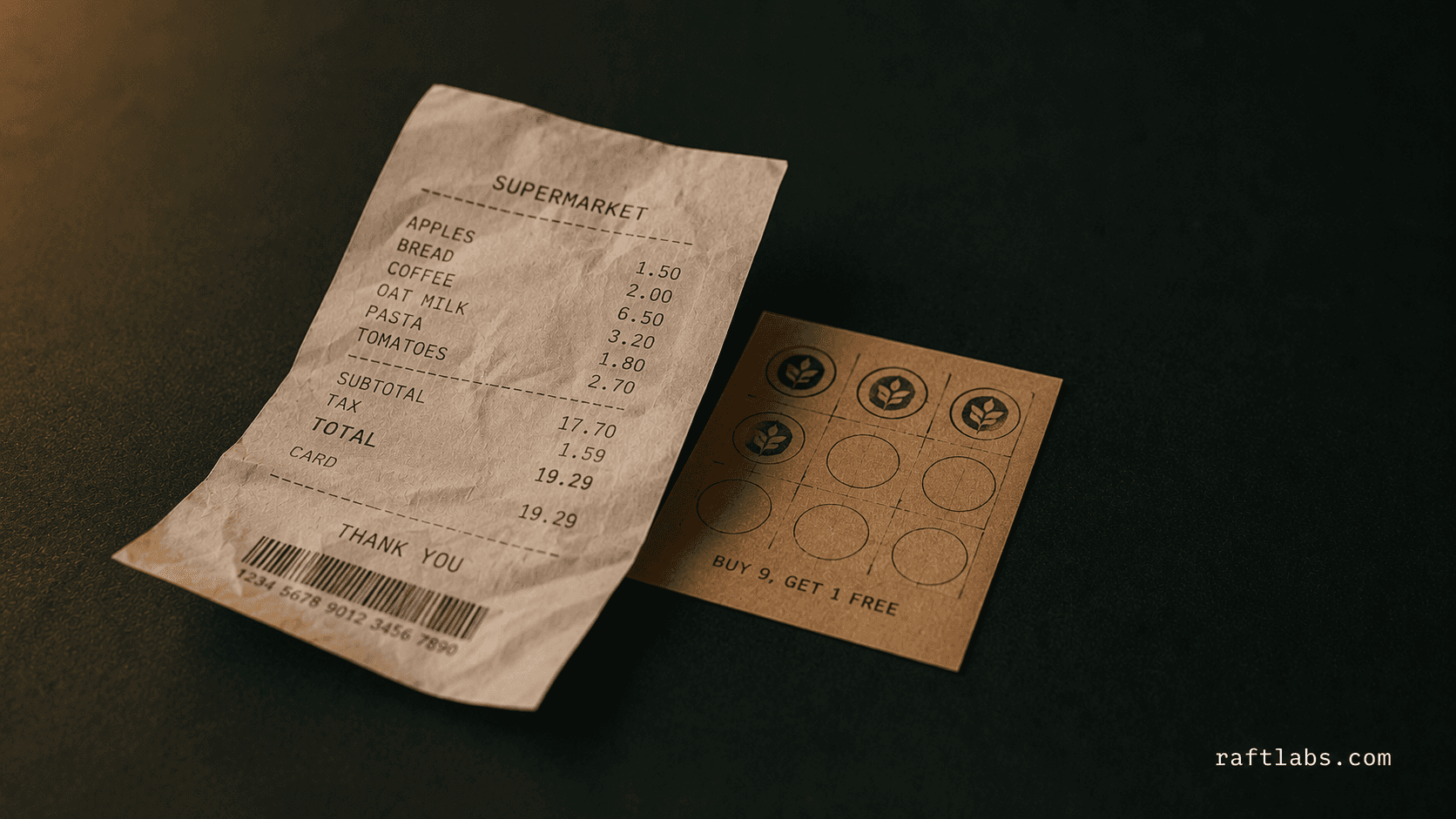
We built a receipt-and-rewards app that drove 2,000+ sign-ups in its first week for a supermarket chain, AI receipt OCR that replaced manual reconciliation, and POS integrations that made loyalty data fire at every checkout. Off-the-shelf retail tools cover the common cases. We build what they can't.
POS systems with inventory sync, loyalty integration, and multi-location support
Custom inventory management built for your SKU complexity and location structure
Loyalty programme software with real-time points, rewards, and customer data
Demand forecasting, personalised recommendations, and pricing optimisation
The problem
Sound familiar?
Running inventory across multiple locations in spreadsheets because your current system can't handle your product mix or location count?
Loyalty programme that doesn't integrate with your POS, creating manual reconciliation work and a disconnected customer experience?
Short answer
RaftLabs builds custom retail software for multi-location retailers: POS, inventory management, loyalty programmes, and omnichannel platforms. Our retail work includes a rewards app that drove 2,000+ sign-ups in its first week for a supermarket chain and a mobile POS handling 10,000+ transactions in three months. Most builds launch a validated v1 in 10 to 16 weeks at a fixed price.
Trusted by
Retail software built for how you actually operate
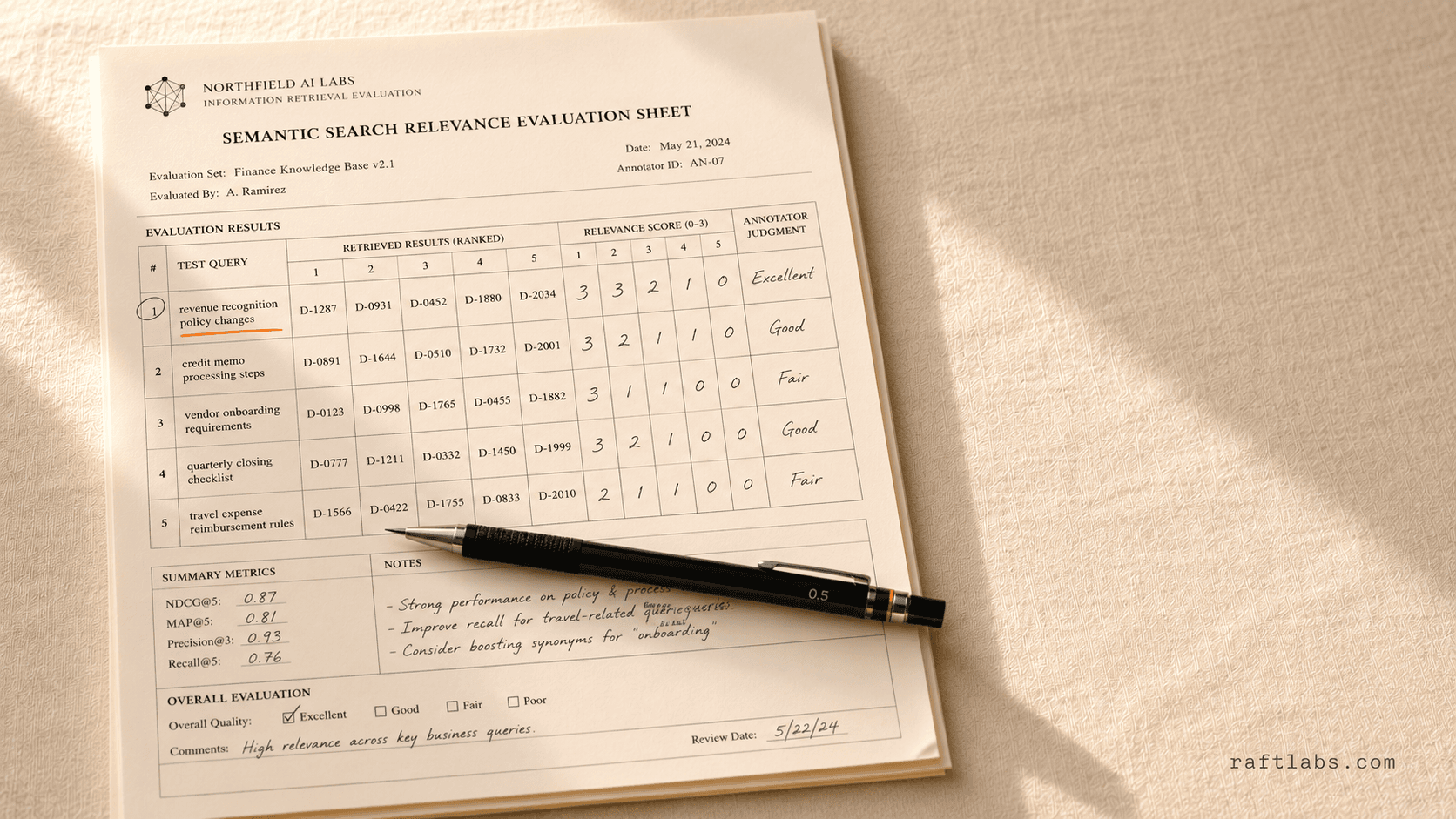
Stock discrepancies happen because the e-commerce system last synced overnight and the store sold out by noon. Loyalty points go unearned because the POS doesn't call the loyalty API on every transaction. Returns pile up unprocessed because nothing connects the in-store return to the original online order.
We've seen this across multi-location retail operations. The problem isn't the team. It's software built for simpler operations now carrying the weight of a business that has grown past what it was designed for. We build the operational layer that handles the actual complexity: real-time inventory across channels, loyalty that fires at the point of sale, and returns workflows that don't require a staff member to manually bridge three systems.
01 Diagnosis
Where retail software usually breaks
01
Problem
I have to tell the customer I don't actually have the item
Solution
I had 7 of a specific item in inventory and the site sold 8. When I go look at the inventory it lists things as -1 or even -2. I have to reach out to the customer and tell them I don't actually have the item they purchased and issue refunds. When your e-commerce inventory and in-store stock run on separate systems, customers order products that don't exist. Your staff then spend time on manual corrections, issuing refunds, and restocking items that were never supposed to ship. Every oversell damages trust and compounds into returns and restock work that eats margin at scale. The outcome is inventory the site and the store agree on.
02
Problem
Many features you'd assume are native aren't
Solution
There are many features that you would assume are natively included in a POS that are not present. You can't look up past orders by customer phone number. Fractional product quantities are not supported. You can't sell 1.522 kg of apples. A loyalty programme that doesn't talk to your point of sale means staff manually looking up balances, customers leaving without earning points, and redemption errors you discover in the complaints queue. Those errors cost staff hours to resolve and erode customer trust faster than any discount can rebuild it. The outcome is a checkout that handles your real products.
03
Problem
What happens when the internet goes down?
Solution
That's the first reply to any cloud-POS pitch, and it's the right question. Offline functionality on major platforms is severely limited, and occasional reliance on a stable internet connection is a drawback in busy environments where connectivity is not always consistent. Returns without an automated workflow land in a manual queue. Staff review each return, update stock counts, issue refunds, and decide whether items go back to shelf or to clearance. We build offline-first POS that keeps selling when the connection drops and syncs when it returns. The outcome is a checkout that works through the outage.
04
Problem
Pricing promotions taking hours to push across channels
Solution
Running a flash sale or seasonal promotion across your in-store POS, e-commerce platform, and marketplace listings requires someone to update each system separately. The gap between channels creates arbitrage complaints and staff confusion at checkout, problems that didn't need to exist. We build centralised pricing and promotion management that pushes to every channel at once. The outcome is promotions that go live everywhere at the same time.
02 What we ship
Retail software we build
01
Point of sale systems
Custom POS built for your store format and product mix, so your checkout process doesn't require workarounds. Transaction processing, barcode scanning, receipt printing, cash drawer management, and end-of-day reconciliation. Connected to your inventory system for real-time stock updates at point of sale. Loyalty programme integration for points earning and redemption at checkout. Multi-tender payment handling (card, cash, gift card, voucher). Offline mode for resilience when connectivity drops. The outcome is a checkout your cashiers can run.
02
Inventory management
Inventory management for complex product mixes and multi-location operations, so your store manager doesn't spend Mondays reconciling stock counts. SKU management with variants (size, colour, style), stock level tracking across locations, purchase order management, supplier integration, and inventory transfer between locations. Reorder point automation, low-stock alerts, and inventory valuation. Wastage tracking for perishable products. Barcode and RFID integration. Built around your product categories and location structure, not a generic retail model. The outcome is stock counts you can trust.
03
Loyalty programme platforms
Custom loyalty platforms with points earning, tier management, rewards, and redemption, so customers who shop both online and in-store build a single balance without manual reconciliation. POS-integrated earning at every transaction. Mobile app or digital card for the customer-facing experience. Campaign management for bonus point promotions and targeted offers. Customer segmentation for loyalty analytics. White-label loyalty platforms for retail groups managing programmes across multiple brands. The outcome is loyalty that fires at every checkout.
04
Omnichannel and order management
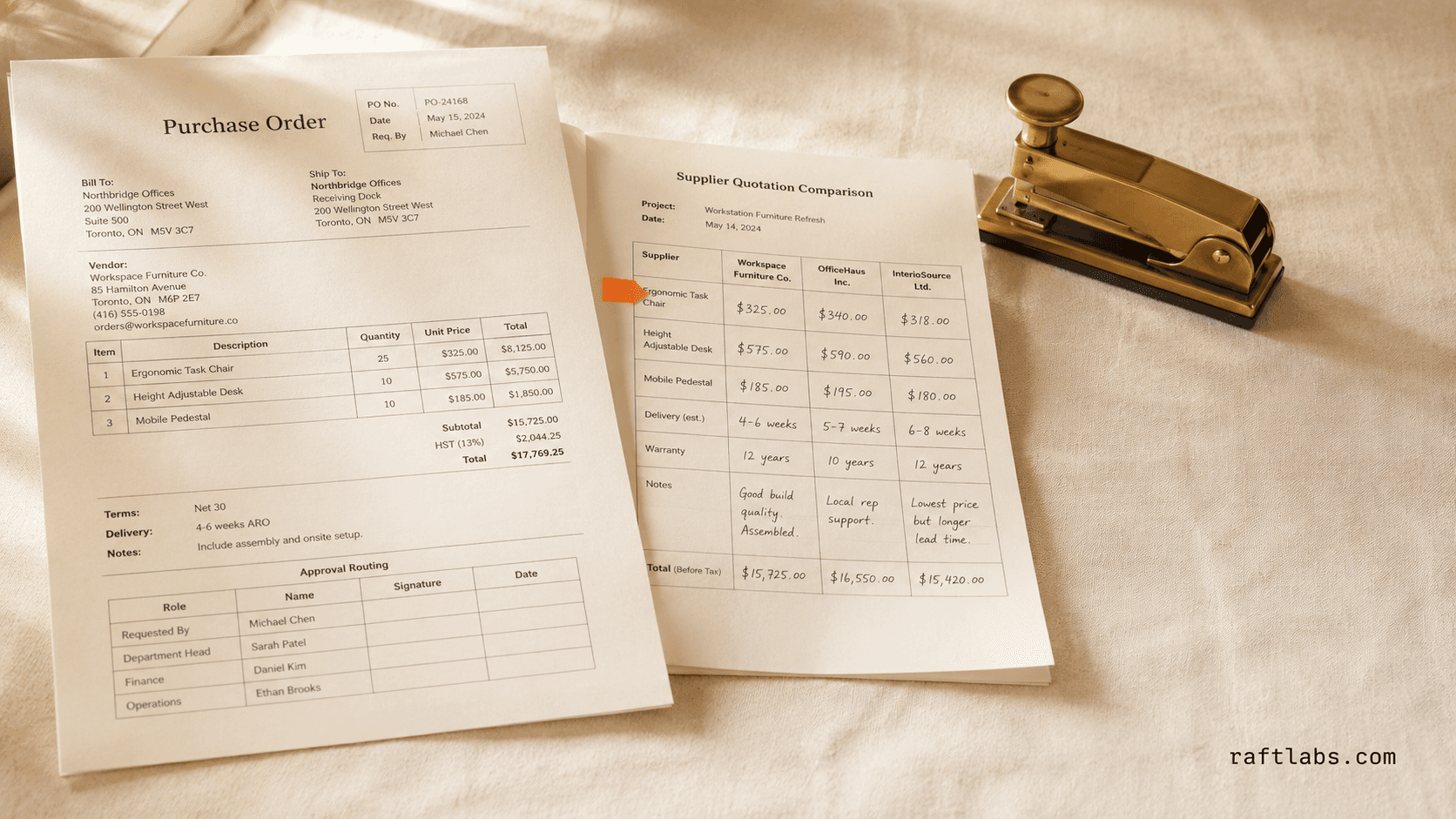
Order management systems that unify online and in-store inventory, orders, and fulfilment, so you're not selling from a spreadsheet that lags behind reality. Click-and-collect with store stock reservation. Ship-from-store using nearest location inventory. Returns processing across channels. Unified customer view with purchase history across all channels. Inventory allocation logic for omnichannel operations where the same stock can fulfil online and in-store orders without double-selling. The outcome is one inventory, every channel.
05
E-commerce and digital retail
Custom e-commerce platforms for retailers who've outgrown Shopify or need functionality the platform can't provide: complex product customisation, B2B wholesale portals, large product catalogues with complex filtering, subscription commerce, and marketplace features. Headless commerce architecture connecting to your existing POS and inventory. The outcome is a storefront that fits your catalogue.
06
Retail AI and analytics
Demand forecasting for inventory planning, so your buyers make restock decisions from data rather than gut feel. Personalised product recommendations for e-commerce and loyalty communications. Dynamic pricing based on inventory levels and demand signals. Customer lifetime value prediction for loyalty programme investment decisions. Retail analytics dashboards for store performance, inventory turnover, loyalty programme ROI, and customer behaviour. AI features that connect to your operational data, not a separate analytics stack you'll need to maintain. The outcome is buying decisions made on data.
03 Buy, build, or wait
The retail software decision is usually about the platform: what it handles natively, what needs a workaround, and what breaks at your scale.
Stay on the platform
Shopify, Square, Lightspeed
When your workflows are standard and the platform's native features cover your product mix.
Build custom
When assumed-native features aren't
You can't sell 1.522 kg of apples. Fractional quantities, phone lookup, receipt limits: the workarounds are the signal.
When the site sells stock that doesn't exist
Online and in-store inventory disagreeing means the platform's sync model doesn't fit your operation.
When loyalty lives outside the POS
Points that don't fire at checkout need manual reconciliation. Build the integration the platform won't.
Bottom line
Stay on the platform while it fits. Build when the workarounds or the oversells cost more than the build.
04 How we work
How we work with retail businesses
01
Discovery: map your retail operation
We spend one to two weeks documenting your store structure, product mix, channel setup, and the specific workflows causing friction. We review your current systems (POS, inventory, loyalty, e-commerce) and identify exactly where the integration gaps and manual steps sit. You receive a written summary before any code is written. The risk this retires: the workaround nobody mentioned because everyone assumed it was normal.
02
Scope and fixed-cost proposal
Based on discovery, we define the exact scope: what we build, what integrates with what, and what the delivery milestones are. You receive a fixed cost for the agreed scope, not a range, not a per-hour estimate. If you want to add scope later, we price the addition separately. The risk this retires: the integration the POS vendor wouldn't document.
03
Build in two-week sprints
Development runs in two-week cycles. You see working software at each sprint review, not screenshots, not mockups. You can provide feedback before the next sprint starts, which means the product reflects your actual operation rather than a specification written six weeks ago. The risk this retires: the feature that demos well but fails at the till.
04
Launch and handover
We support your go-live with staff training documentation, integration testing against live systems, and a defined hypercare period where our team is on call for production issues. Ongoing support is available if you want it, not required. The risk this retires: the go-live the staff weren't ready for.
05 Track record
What a first build looks like
01
Sign-ups in the first week for a supermarket loyalty app we built
2,000+
02
Transactions in three months on a mobile POS we built
Across dozens of industries, we recognise your situation fast, then frame the fix around your margin and your operations, not a generic template.
02
We own the number, not the ticket
We measure success the way you do: hours saved, revenue earned, margin recovered. We stay through launch and growth, so the result is ours to own.
03
Serious businesses trust us
Vodafone, T-Mobile, Cisco, Energia, Aldi, Nike. Building since 2015. Serious businesses keep coming back because we stay accountable long after launch.
09 Questions
Common questions
Off-the-shelf platforms (Shopify, Square, Lightspeed, Vend) handle standard retail workflows well. Custom software is the right choice in four cases. Your loyalty mechanics are complex enough that platform plugins can't support them without heavy workarounds. Your inventory complexity (product mix, location count, multi-channel allocation) exceeds what the platform handles gracefully. You need integrations the platform doesn't support. Or you're building a retail product to sell to other retailers. The wrong answer is building custom when a platform configuration would work. Custom development carries ongoing maintenance cost that platforms absorb for you.
Yes. Most retail software projects involve integrating with an existing system rather than replacing everything. We integrate with major retail POS systems (Square, Lightspeed, NCR, Oracle Retail), ERP systems (SAP, Microsoft Dynamics, NetSuite), and e-commerce platforms (Shopify, WooCommerce, Magento). The integration approach depends on what APIs the existing system exposes. We scope integrations during discovery because they're usually the most complex part of a retail project.
Multi-location retail introduces complexity in: inventory allocation (which location's stock services an order), pricing (location-specific pricing, promotional overrides), loyalty (consistent customer experience and points balance across locations), reporting (per-location and aggregate performance), and staff management. We design the data model for your specific multi-location structure during discovery. The right architecture for 5 locations is different from 500. We've built systems for both.
We've built loyalty programmes for retailers, hospitality groups, medspa chains, restaurant groups, and multi-location service businesses. Loyalty programme complexity varies significantly. A simple points-per-purchase system is straightforward; a tier-based programme with partner redemption, promotional mechanics, and coalition loyalty is a substantial engineering project. We scope based on your specific programme design, not a generic loyalty platform. See our Loyalty Programme Development page for the full capability.
The people who buy the systems aren't the ones using them. Price and feature checklists win the purchase, and the cashiers live with the result. We design the checkout flow with your frontline staff. Big touch targets, one-tap shortcuts, offline mode for when the internet drops, and receipts that don't need a workaround. The system ships when your cashiers can run a full trading day on it without help.