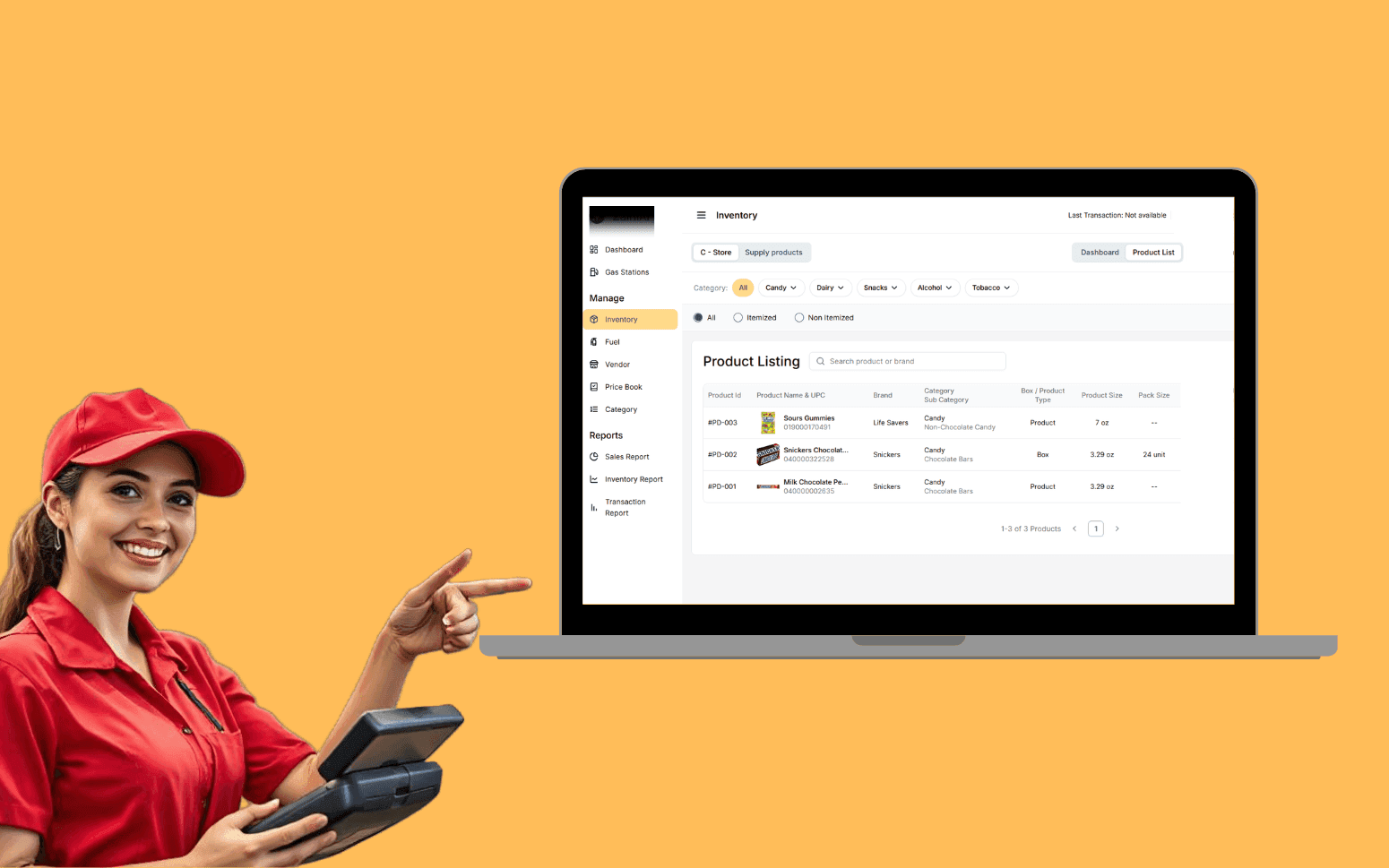
AI OCR Software Scales Gas Station Operations With 20K+ Transactions
- 20K+
- 40+
- 70%
Custom livestock management software for large-scale cattle, sheep, pig, and poultry enterprises who need individual animal records, herd health management, and breeding data in a system built for the specific regulatory and operational requirements of commercial livestock production.
Generic livestock apps handle small herd management. When your enterprise runs thousands of animals across multiple units, employs multiple stockpeople managing different pens and groups, and faces strict regulatory requirements for animal movement and medicine withdrawal periods, the system has to be built for that scale and those obligations.
Individual animal records linked to RFID or electronic ID with full lifetime history
Herd health management with veterinary treatment records and withdrawal period tracking
Breeding records with service dates, pregnancy diagnosis, calving, and progeny performance
Feed ration management and regulatory movement recording with compliance reporting
Recognition
Veterinary treatment records maintained in a paper medicine book that stockpeople complete inconsistently, leaving you unable to confirm withdrawal period compliance quickly when an animal is presented for slaughter?
Breeding records in spreadsheets that can't generate a valid expected calving list, calculate performance data by sire, or identify the breeding history of an animal you need to sell or cull?
In short
RaftLabs builds custom livestock management software for large-scale cattle, sheep, pig, and poultry enterprises. The platform covers individual animal records linked to RFID or electronic ID with lifetime history, herd health management where withdrawal period end dates are calculated automatically and block slaughter dispatch for animals still within withdrawal, breeding records with progeny performance by sire, feed ration management, and electronic movement recording to BCMS, ScotEID, and equivalent national databases. Most projects deliver in 12 to 16 weeks at a fixed cost, typically $35,000 to $90,000.
Companies we've built for



Commercial livestock production at scale carries record-keeping obligations that paper-based systems can't reliably satisfy. Cattle movement records must be submitted to the relevant livestock movement database within the required timeframe. Medicine withdrawal periods must be confirmed before any animal is sent for slaughter. Breeding records must support the sire identification requirements of breed societies and performance recording schemes. Feed records must satisfy farm assurance audits. Each of these requirements is straightforward for a small herd managed by one person with a paper system they understand thoroughly. At scale, across multiple pens, multiple stockpeople, and multiple animal groups, the same paper system creates compliance risk that increases with the size of the enterprise.
We build livestock management software for large commercial enterprises where the record-keeping obligation, the animal numbers, and the multi-team structure require a digital platform rather than a paper-based approach. We've built compliance tracking and operational management systems for regulated industries. We understand the animal identification frameworks, movement recording regulations, and medicine record-keeping requirements of the major livestock-producing countries.
Individual animal record linked to the animal's electronic or visual identifier. RFID tag, ear tag number, breed society herd book number, or official country tag number. Lifetime record for each animal from birth or purchase through to sale, slaughter, or disposal, with all health events, movement records, and production data attached to the single animal identity. Dam and sire linkage for animals born on the holding builds a pedigree record within the system as animals are born and tagged. Purchase records for bought-in animals capture origin holding, vendor, and any health history information provided at purchase. Animal grouping and pen management with movement between groups recorded means the current location of any animal is visible from the central system without a physical search of the holding. Disposal records with sale date, buyer, vehicle, and despatch weight cover slaughter cattle and breeding stock disposals.
Veterinary treatment record for every medicine event. Animal identity, date, product, dose, route of administration, operator, and withdrawal period calculated automatically from the treatment date and the product's withdrawal period. Withdrawal period calendar shows every treated animal that is currently within a withdrawal period for meat, milk, or egg withdrawal, preventing inadvertent dispatch of animals or product before withdrawal has elapsed. Vet visit records capture the attending vet, the animals examined, diagnoses, and treatment plans against the visit rather than against individual animals alone, so the full clinical picture from each vet visit is preserved. Prescription medicine records maintained separately record the prescription authority, the product, the quantity authorised, and the quantity dispensed to satisfy medicine record-keeping regulations. Herd health plan linked to the medicine and treatment records documents the preventive health programme and biosecurity measures for farm assurance audit.
Breeding event records with service date, sire identity (own bull, AI sire, or ET donor), and the group or individual animals served. Pregnancy diagnosis results recorded with PD date, result, expected calving date, and the sire confirmed at PD for herds where multiple sires are in use. Calving record with actual calving date, ease of calving score, assistance required, calf identity assigned at birth, and calf details linked to the dam and sire records. Performance recording data including weaning weights, yearling weights, and age-adjusted performance measurements are linked to the animal record for operations enrolled in breed society or national performance recording schemes. Export of performance data in the format required by breed societies and national performance databases covers animals being submitted to external recording programmes.
Ration formulation by animal group or pen records the diet specification. Ingredients, inclusion rates, and target nutritional analysis per group and per period. Daily feed allocation by group shows the quantity of each ration component required for the number of animals in the pen, adjusted when pen numbers change due to movement or sales. Feed delivery recording against the planned allocation identifies groups where actual feed delivery differs from the ration specification. Feed cost calculation per group uses the delivery quantities and the purchased cost of each feed component, allocated to the relevant enterprise for cost of production analysis. Feed conversion recording for finishing enterprises tracks live weight gain against feed consumed for FCR calculation by pen and by period.
Movement recording for on-farm movements. Group transfer between pens, movements between holdings under common ownership. And off-farm movements for sale, slaughter, and show or exhibition. Movement document generation for off-farm movements includes the holding identifier, animal count or identity, destination, and transport details in the format required by the relevant livestock movement recording scheme. Electronic submission to national livestock movement databases where regulatory integration is available: BCMS for cattle movements in Great Britain, ScotEID for Scottish sheep and goat movements, or equivalent regulatory databases in other operating jurisdictions. Incoming movement recording for purchased animals captures origin holding and transport details, with the animal record created at receipt linked to the movement document. On-farm isolation and biosecurity period tracking for newly purchased animals records the isolation start date and release date against the purchased group.
Herd performance dashboard with key metrics by enterprise: calving rate, weaning rate, calf mortality, average daily gain, and feed conversion for finishing enterprises. Fertility analysis covers submission rate, conception rate, calving spread, and empty cow rate for breeding herds, benchmarked against targets and previous seasons. Sire performance comparison for bulls or AI sires used across the herd extracts calving ease, calf survival, and progeny performance data from the animal records for the relevant progeny group. Culling analysis tracks reasons for disposal at the individual animal level and aggregates to show the main culling causes across the herd for health and management review. Financial performance by enterprise covers receipts from sales and subsidies against cost of production from the feed and health record data, giving the gross margin data that farm businesses need for management decisions and bank reporting.
The platform is configurable for cattle (beef suckler, dairy, beef finishing), sheep (breeding flock, lowground, upland), pigs (breeding herd and finishing), and poultry (broiler, layer, turkey). Each species has its own animal identification framework. RFID tags and electronic cattle passports for cattle, electronic ear tags for sheep, and tattoo or wing band for pigs and poultry. Each also has its own regulatory movement recording requirements. The data model for each species covers the relevant performance recording metrics, health events, and movement recording obligations for that production system. For integrated or mixed enterprises, multiple species can be managed within the same platform under a single holding identity. If your enterprise covers a species or production system not listed, we confirm the data model and regulatory requirements during discovery.
Yes, for the jurisdictions where electronic submission is supported by the relevant regulatory body. For cattle in Great Britain, we build integration with the British Cattle Movement Service (BCMS) API for electronic movement notification submission. For sheep and goats in Scotland, we integrate with ScotEID. For operations in the Republic of Ireland, we build integration with the AIM and Sheep and Goat Identification systems operated by the Department of Agriculture. For other jurisdictions, we confirm the available integration options during discovery. Some national databases offer API integration while others require file upload in a specified format. Where electronic submission isn't available, the system generates the movement document in the correct format for manual submission.
Every treatment record captures the product and the treatment date, and the system calculates the withdrawal period end date automatically from the product's stated withdrawal period at the time of treatment. A withdrawal period status list is available at any time showing every animal currently within a withdrawal period. The product, the treatment date, and the date on which withdrawal expires for meat, milk, or eggs as relevant to the production system. Before any animal is moved for slaughter, the system checks the withdrawal status and flags any animal that is currently within a withdrawal period. The flag can't be overridden without a supervisor authorisation that is recorded against the despatch record. This creates an auditable record of the withdrawal period check for every slaughter consignment, satisfying the requirements of the abattoir and the food safety regulator.
A livestock management platform covering individual animal records, herd health and medicine records, movement recording, and basic performance reporting typically runs $35,000 to $65,000 for a single-species enterprise. Adding breeding and progeny recording, feed management, and multi-species support typically brings the total to $55,000 to $90,000. Integration with national livestock movement databases, breed society performance recording schemes, or farm ERP systems adds scope defined during discovery. Multi-site enterprises with livestock units across multiple holdings are scoped individually. We price every project at a fixed cost agreed before development starts.
What clients say
Three-year average engagement. Founders and operators describing the work in their own words. No marketing varnish.

 USA
USAAll of the sprints were completed on schedule and on budget. We highly recommend RaftLabs!
01 / 02
Tell us your species, enterprise type, herd or flock size, regulatory jurisdiction, and current record-keeping approach. We'll scope the right system.