AI-OCR document validation for a supermarket loyalty platform
- ~99%
- AI validation accuracy, up from ~80%
Intelligent Document Processing for Pharma
A full NDA or MAA dossier spans hundreds of documents across five CTD modules, each with mandatory sections that vary by agency and submission type. Managing that volume in shared drives creates version control problems that don't surface until the submission deadline is approaching. A one-month delay to an NDA submission represents one month of delayed market exclusivity. The root cause is rarely scientific, it's a document management problem: documents aren't ready, approval signatures can't be located, or the electronic package fails agency validation because formatting was applied inconsistently across modules assembled by different team members.
CTD module hierarchy with mandatory and optional section tracking by submission type
Version control and electronic approval workflows with full audit trail
eCTD compilation and validation against FDA, EMA, and PMDA specifications
Multi-market submission status tracking across regulatory agencies simultaneously
Bring the problem, the current workflow, or the existing code. We reply with a practical next step within one business day.
Trusted by






The brief
Good software decisions begin with the constraint, not a list of features or a preferred technology.
Document versions for your CTD dossier scattered across shared drives with no clear audit trail of what changed and who approved it?
Regulatory affairs spending weeks manually assembling submission packages that a properly structured system could generate in hours?
Plain answer
Intelligent document processing for pharma structures, validates, and compiles regulatory submission documents automatically: CTD module hierarchy, eCTD XML generation validated against FDA, EMA, and PMDA specifications, and electronic signature workflows with a tamper-evident audit trail. RaftLabs builds this for pharmaceutical regulatory affairs teams that need structured document control and multi-market submission tracking, without the cost and configuration overhead of enterprise vault platforms.
What to remember
Proof
A mid-size biotech or specialty pharma company managing five to fifteen active submissions across two or three markets doesn't need an enterprise vault platform. They need a system built around their specific submission types, their specific agencies, and their existing approval process.
That system is intelligent document processing applied to regulatory submissions: structured intake, automated validation against agency specifications, and compiled, audit-ready output, not a shared drive with tighter permissions.
Capabilities
Repositories mirroring the five-module CTD hierarchy with mandatory-section flagging and maintained cross-module document links.
Every revision creates a versioned record with a diff, and documents can't reach submission-ready status without completing the defined approval sequence.
Automated validation against each agency's technical requirements, surfacing errors at the document level before assembly.
XML backbone generation with correct leaf numbering and section codes, validated against the agency DTD before the package leaves the system.
Authenticated, tamper-evident signatures with a separately stored, unmodifiable audit trail of every action on every document.
Consolidated dashboard across all active dossiers, with shared-document revisions flagged across every affected market.
How we work
We map your submission pipeline, the agencies you file with, and how document management works today. You leave week 1 with a written scope document and a fixed-price quote.
Module hierarchy, approval sequences, and eCTD compilation logic designed against your specific agencies and process.
Document repository, version control, and eCTD validation built in parallel, tested against real submission scenarios.
Regulatory affairs teams trained on the new workflow before full rollout.
Why us
The engineers who assess your submission pipeline also build the solution. No bait-and-switch, no offshore handoff after the contract is signed.
We scope the work, calculate the cost, and lock it in writing before any development starts.
Real engagements across SaaS, fintech, healthcare, and logistics, not every one published as a named case study. Track record building regulated healthcare platforms.
Custom is right below a certain submission volume, not a default recommendation.
21 CFR Part 11 documentation and test evidence support your IQ/OQ/PQ process.
What clients say
Three-year average engagement. Founders and operators describing the work in their own words. No marketing varnish.

 Ireland
RaftLabs was outstanding at addressing our complex platform needs, delivering a stable, high-performance loyalty application that has been genuinely loved by the customers.
Proof
Useful next steps
Work with us
Healthcare Mobile App Development Company
See the serviceTry it yourself
HIPAA Compliance Checklist
30+ requirements, plain-English, filtered to what you're building.
Open the free tool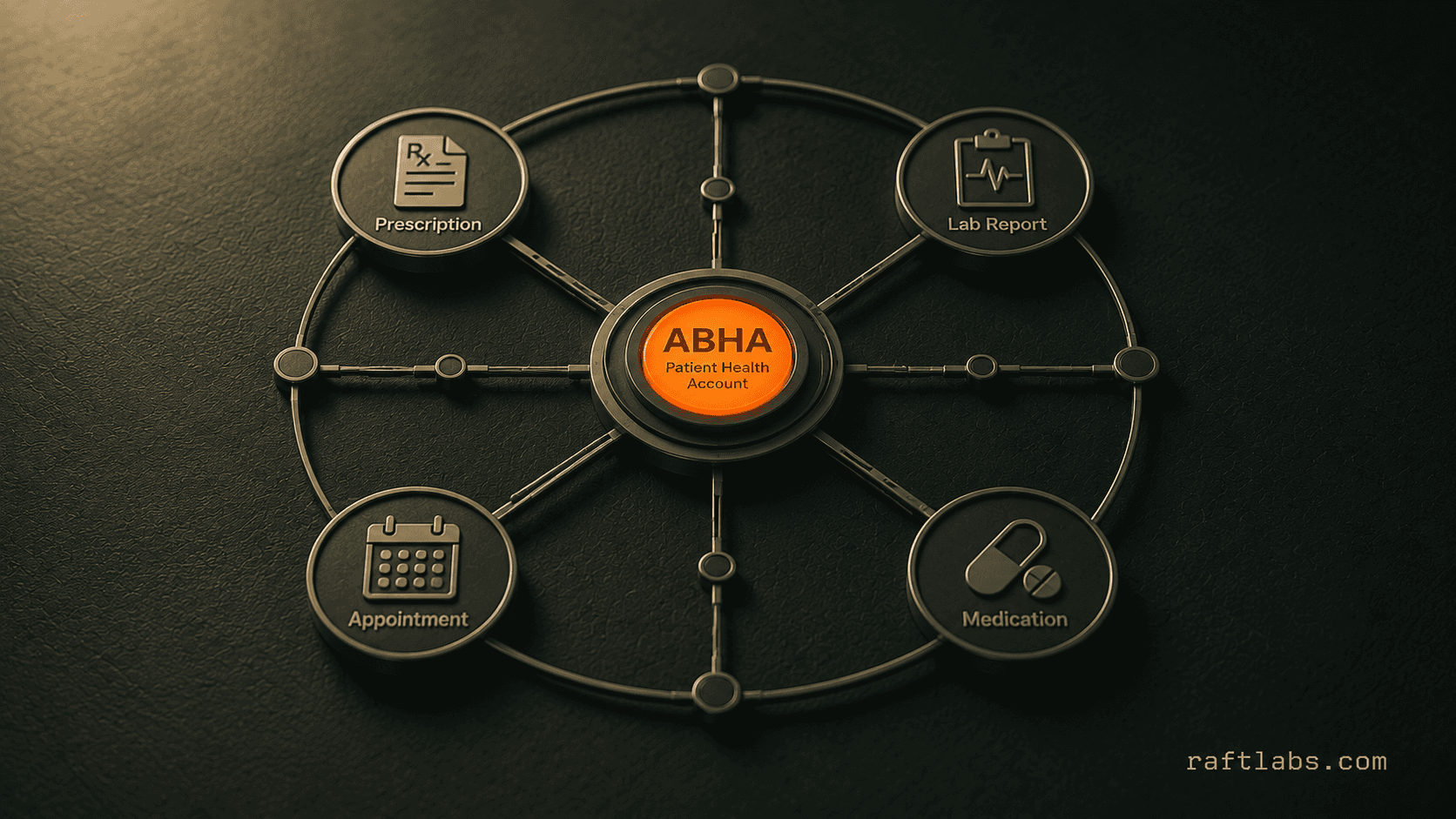
Article
Cost to build a health super-app like ekacare: India ABDM guide
Building a health super-app like ekacare for your hospital chain or insurance company? Real costs in INR and USD, ABDM integration timeline, DPDP Act obligations, and a phased build plan from V1 to full super-app.
Read more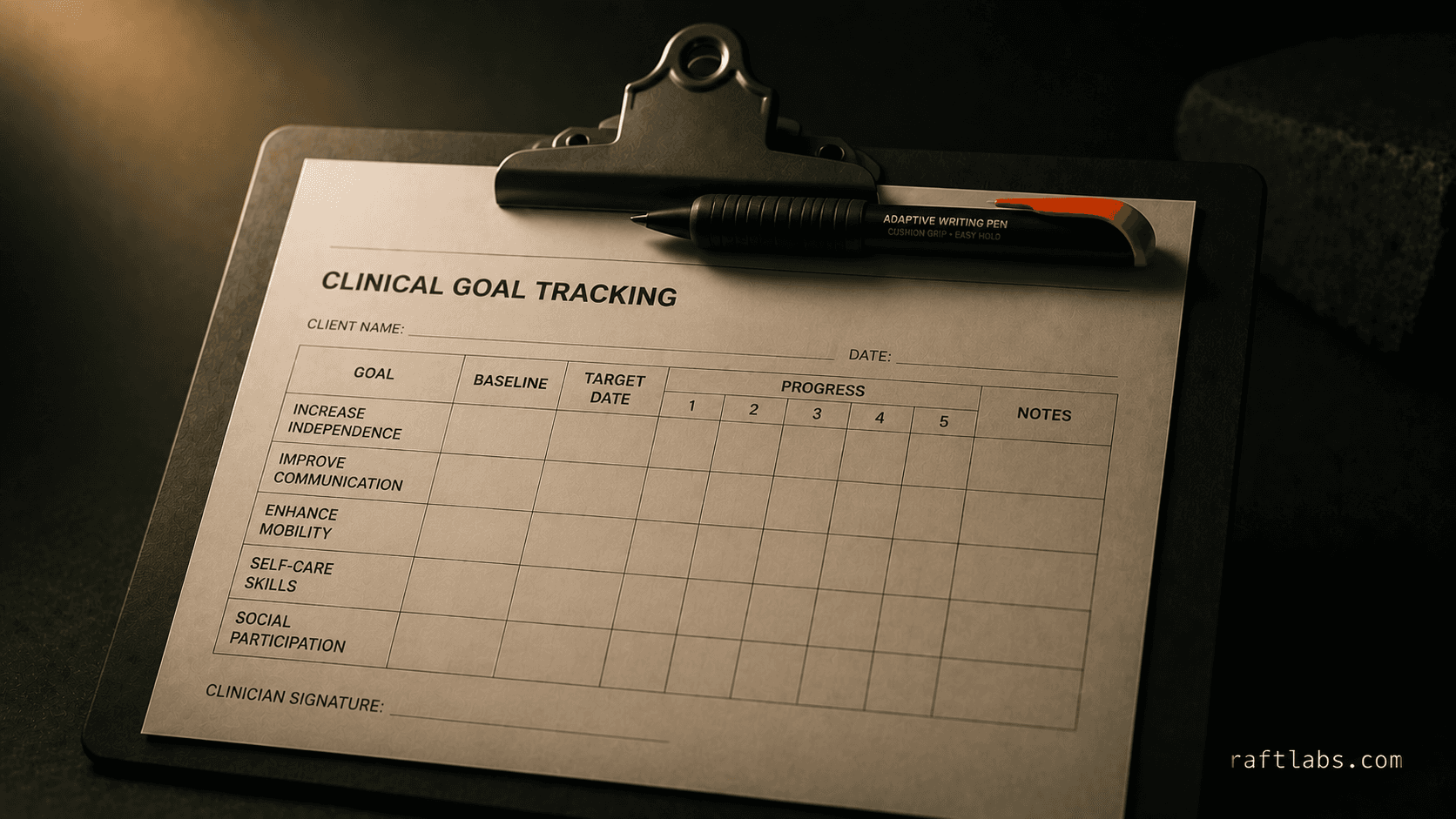
Article
Occupational Therapy Software: Build Custom vs. Buy Therabill, WebPT, or TherAssist
Therabill, WebPT, and TherAssist cover single-location OT practices well. Once you add school district IEP contracts, multi-site billing, or payer-specific authorization workflows, off-the-shelf occupational therapy software becomes the bottleneck. Here is what custom OT software costs, when it makes sense, and what a phased build looks like.
Read more
Article
9 Examples of SaaS Applications You Must Know as a Startup Founder
Most SaaS products fail because they compete on features rather than solving a specific problem. This article shows you nine SaaS applications that succeeded, including four RaftLabs built, and explains the validation steps that separate funded products from abandoned side projects.
Read more
Article
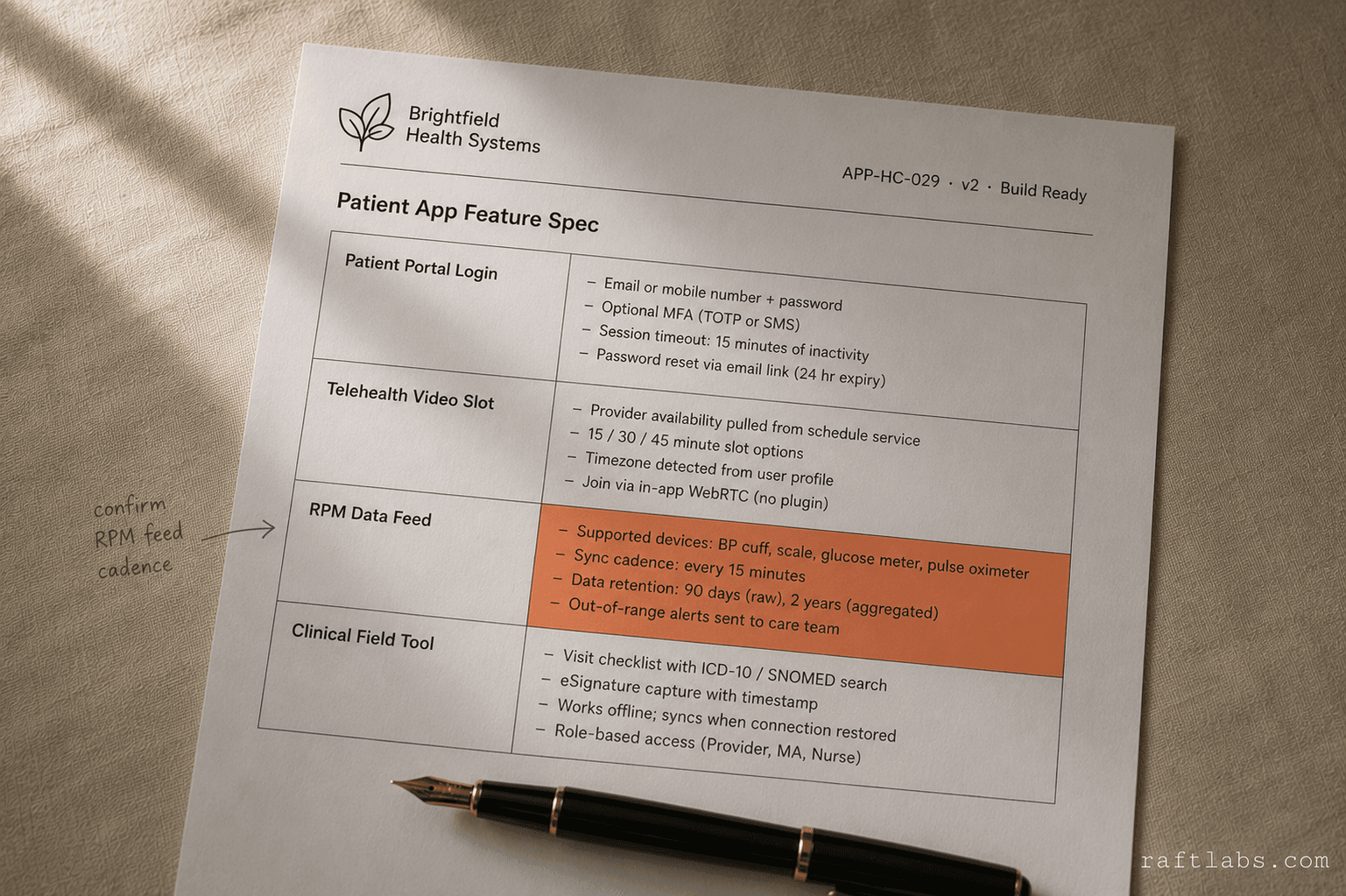
Remote patient monitoring software: A development guide
RPM software that fails HIPAA compliance, drops device connections, or overwhelms clinicians with false alerts does more harm than good. Here is the architecture that avoids all three.
Read moreVault suits large pharma with IT resources to configure and maintain it and submission volumes that justify the licensing cost. For a mid-size biotech or specialty pharma managing five to fifteen active submissions across two or three markets, a custom system built around their submission types and process is typically faster to deploy and less expensive over a three-to-five-year horizon.
The system maintains a separate dossier instance per agency, structured to that agency's requirements, with shared documents linked rather than duplicated so a revision flags across all relevant dossiers simultaneously. A consolidated dashboard shows status across all active dossiers.
Yes. Signatures are bound to a specific authenticated user identity, record the meaning of the signing action, and are linked to the record in a tamper-evident way, satisfying Section 11.50 and 11.70 requirements, with a separately stored, unmodifiable audit trail.
A custom platform typically runs $35,000 to $65,000 depending on the number of agencies you file with, approval workflow complexity, and whether eCTD compilation is built in. A platform covering CTD document management, version control, and multi-market tracking for FDA and EMA is typically deliverable in ten to fourteen weeks.
Work with us
Tell us your submission pipeline, the agencies you file with, and how document management works today. We'll tell you what we'd build and how.
Go deeper