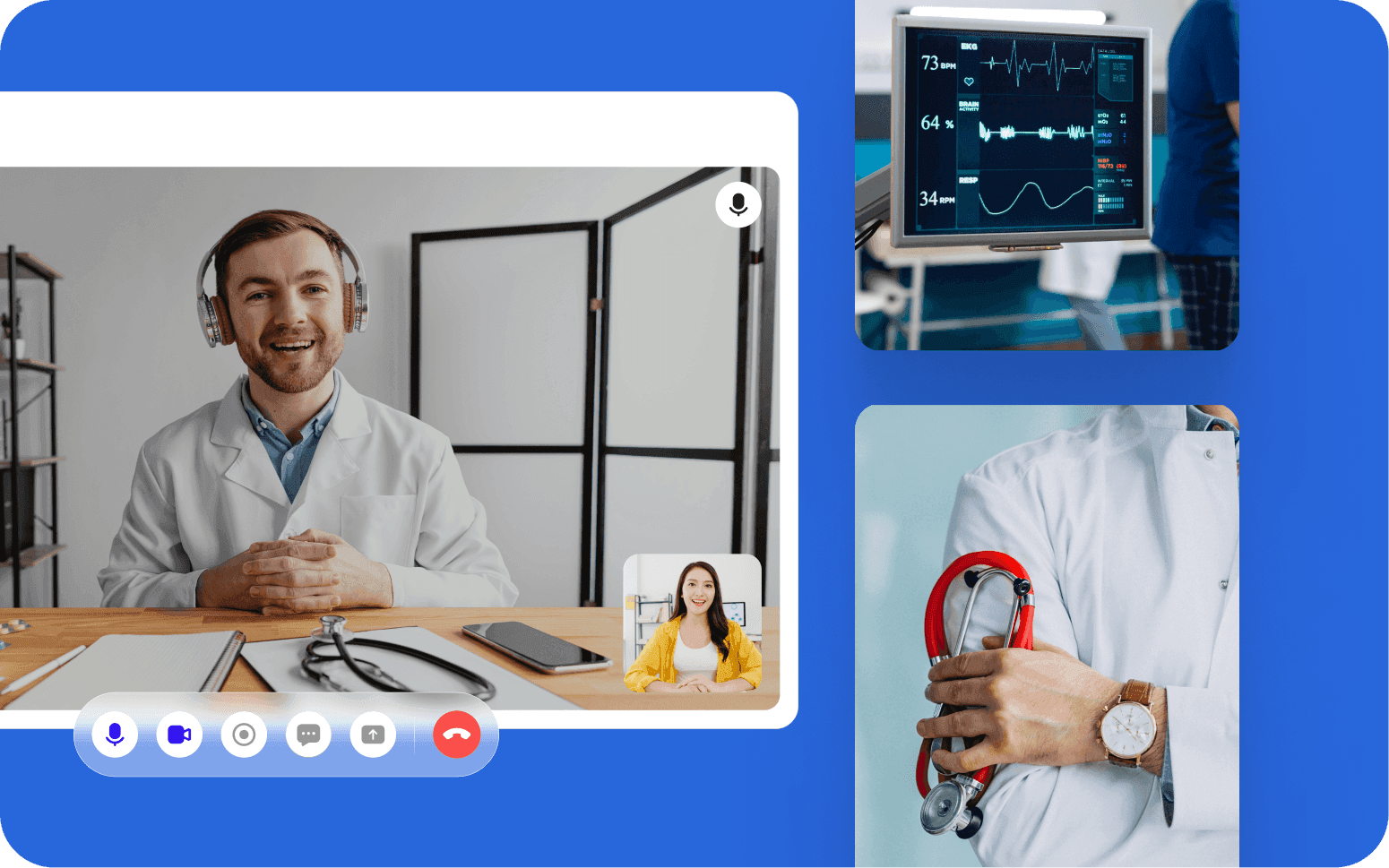
AI system for remote patient monitoring
- 150+
- patients under monitoring in 12 weeks
- 20%
- reduction in clinical decision-making time
EHR Software Development Company
Major EHR vendors build for the median clinical workflow. Specialty practices end up paying for features they don't need while fighting a documentation system that doesn't fit the way their clinicians think. The result is longer note times, higher administrative overhead, and clinicians who work around the system instead of inside it. Custom EHR software changes that equation, matching your note structure, your intake process, and your billing workflow, or sitting on top of an existing EMR via FHIR.
Specialty-specific clinical templates, SOAP notes, and structured intake forms built for your care model
FHIR R4 and HL7 integration to read and write patient data without replacing the existing EMR
E-prescribing, formulary checking, and controlled substance tracking
CPT and ICD-10 code suggestion with clearinghouse integration for claims submission
Bring the problem, the current workflow, or the existing code. We reply with a practical next step within one business day.
Trusted by














The brief
Good software decisions begin with the constraint, not a list of features or a preferred technology.
Running a specialty practice where every major EHR forces your clinicians into documentation workflows built for a different specialty?
Paying for a full EMR platform but only using 20% of it because the rest does not match how your team operates?
Plain answer
RaftLabs builds custom EHR and EMR software for specialty practices and digital health companies that need clinical documentation built for their workflow. We develop specialty clinical templates, FHIR R4 and HL7 v2 integration with existing EMRs, e-prescribing, billing integration, and HIPAA-aware patient records. Most builds start with a documentation layer live in 12-16 weeks at a fixed cost, then grow into a full EHR.
What to remember
A specialty clinician finishes a patient encounter and opens the EHR. The template was built for a different specialty, so half the fields do not apply and the ones that matter are not there. So they chart around the system: free-text notes, a spreadsheet on the side, a workaround the whole team has memorised.
The EHR was supposed to save time. Instead it is the reason the clinic runs behind.
That is not a training problem. It is a fit problem.
Major EHR vendors build for the median clinical workflow. Specialty practices end up paying for a full platform, using a fraction of it, and fighting a documentation system that does not fit the way their clinicians think. The result is longer note times, higher administrative overhead, and clinicians who work around the system instead of inside it.
The documentation burden is well quantified: a widely cited Annals of Internal Medicine time-motion study (Sinsky et al., 2016) found physicians spend roughly two hours on EHR and desk work for every hour of direct patient care. We build clinical documentation tools that match your actual care model, and integrations that sit on top of an existing EMR via FHIR R4, so you do not have to rip and replace what is already working. RaftLabs has shipped production software since 2015 for clients across the US, UK, Europe, Canada, and the UAE. In healthcare, we have shipped HIPAA-aware clinical platforms, delivered at a fixed cost. The team that scopes your specialty workflow is the team that ships it, with no offshore handoff after the contract is signed.
Proof
Everything on the left should already be true for your organization. Even one thing on the right, and an off-the-shelf platform is the smarter first step.
A specialty practice whose clinicians fight documentation workflows built for a different specialty.
You run Epic, Cerner, or another EMR and need a documentation layer or patient tool on top via FHIR R4, not a rip-and-replace.
A digital health company that needs the EHR as its own IP, with budget for a fixed-cost build.
A generic EMR already fits how your team documents, prescribes, and bills.
You want the cheapest off-the-shelf platform, not software built to your care model.
You have no clinical or billing workflow defined yet to build against.
What we build
Tell us your specialty, your current EMR environment, and the documentation problem your clinicians face every day. We will scope the build.
How it works
We map your specialty, current EMR environment, and documentation pain points. You leave week 1 with a written scope document and a fixed-price quote.
Clinical templates and FHIR/HL7 integration architecture designed against your actual care model.
Documentation tools, e-prescribing, and billing integration built in parallel, tested against real clinical scenarios.
Clinicians and billing staff trained on the workflow before full rollout.
Our documented healthcare work sits next door to a full EHR: remote patient monitoring and telehealth, both HIPAA-aware and live with US providers. The clinical-data modelling, compliance, and EMR-integration discipline is the same discipline an EHR build runs on.
Proof
Where you land in that range depends on scope, not negotiation:
What it costs
A documentation layer on your existing EMR, or a full ground-up EHR with e-prescribing and clearinghouse integration. Most builds deliver in 12-16 weeks.
Most practices start with a documentation layer on their existing EMR, not a full rebuild. We scope toward a ground-up EHR only when the existing system is the actual constraint.
Starting investment
Starts at $50,000
Delivery in 12-16 weeks. A documentation layer on your existing EMR is the fastest way to start; a full ground-up build comes later if you need it.
No hourly billing
Once we scope your build, that price is locked in writing, so there's no hourly billing and no invoice surprises. A scope change is a priced change request, agreed before work begins.
Integration over rebuild
Sitting on top of Epic or Cerner via FHIR R4 is often the right call. We tell you when integration beats a rebuild, rather than recommending a full build by default.
Useful next steps
Work with us
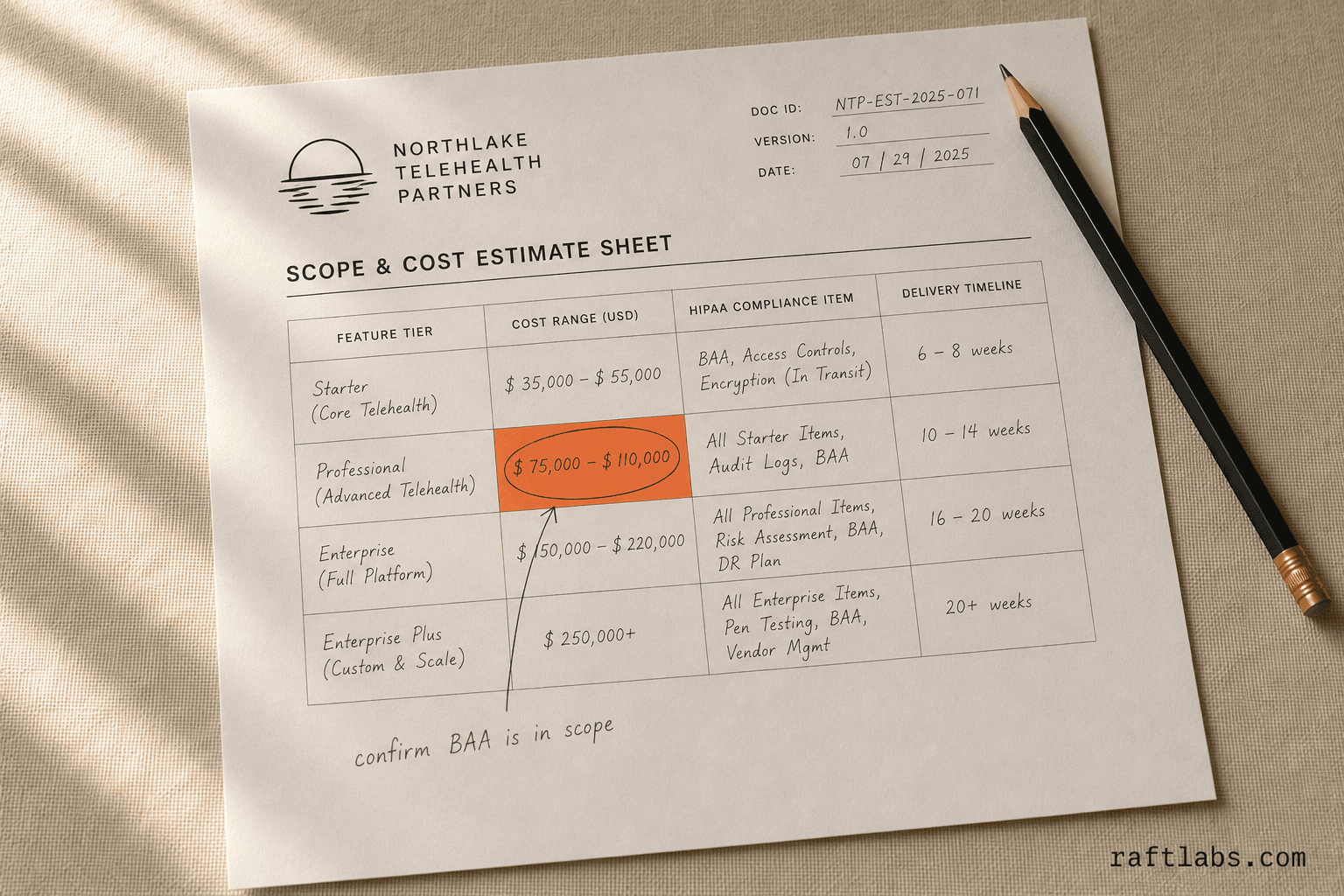
Telemedicine App Development Cost
See the serviceTry it yourself
HIPAA Compliance Checklist
30+ requirements, plain-English, filtered to what you're building.
Open the free tool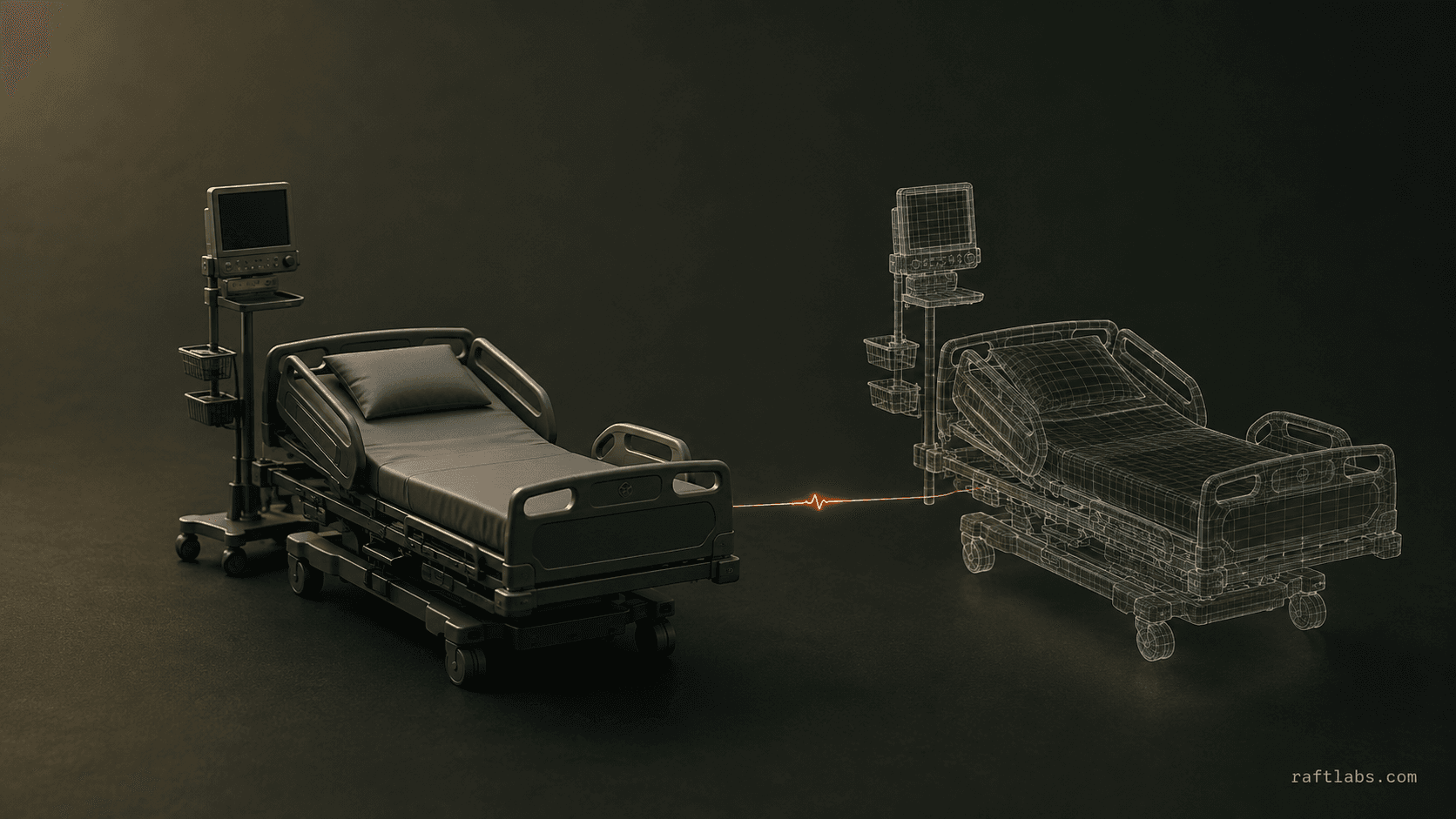
Article
Digital Twins in Healthcare: What They Are and Where They Actually Work
A digital twin in healthcare is a live, data-fed model of a hospital, a device, or a patient's organ, not a static dashboard. Here is what already works, what the FDA now regulates, and what is still early.
Read more
Article
HIPAA Compliance Software: A 7-Step Development Checklist
This article outlines key steps for achieving HIPAA compliance in healthcare app development. Our 7-step checklist covers encryption, identity management, and audit controls to protect sensitive health data. Follow these guidelines to meet legal requirements, build user trust, and ship an app that's secure and compliant.
Read more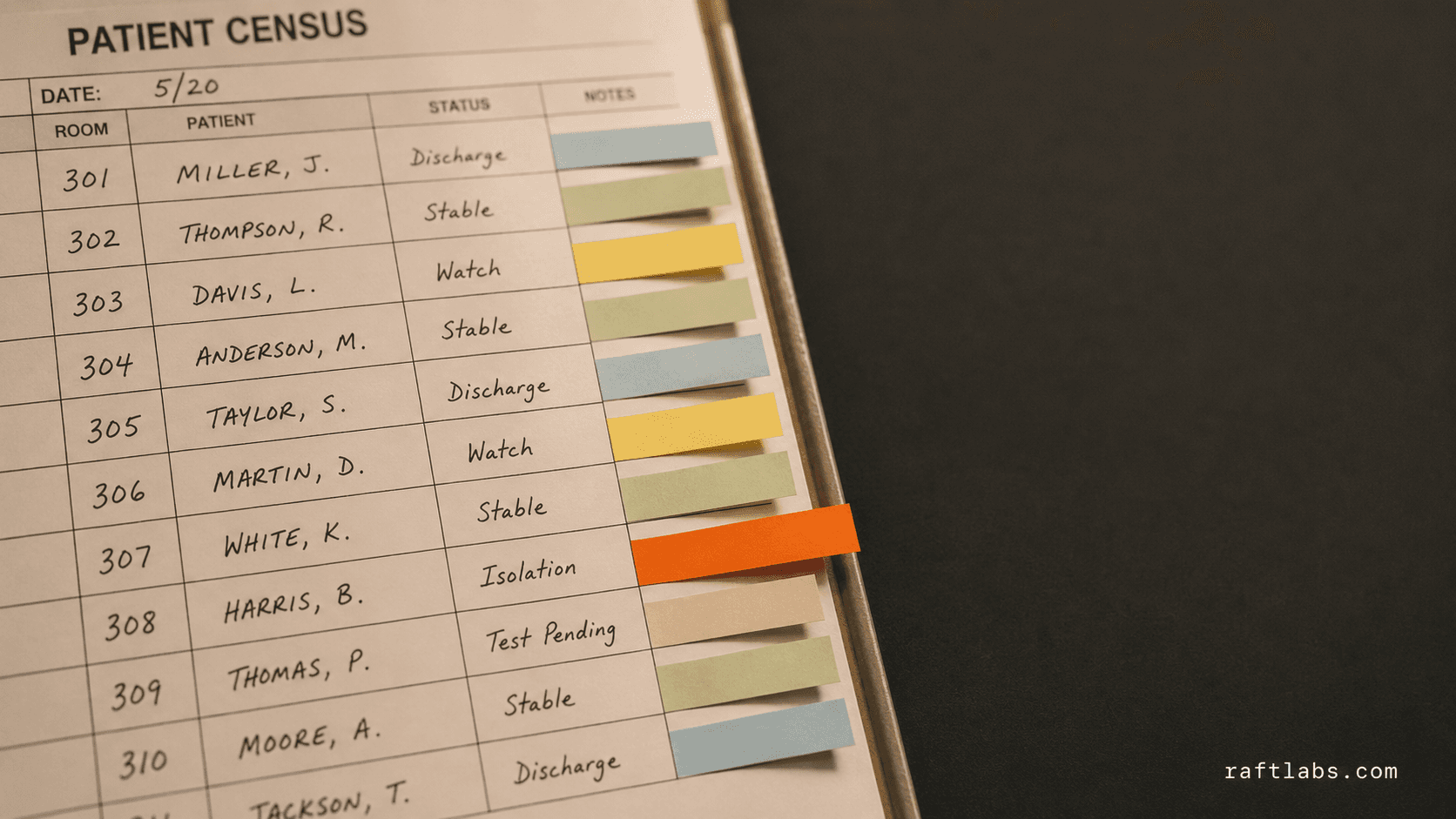
Article
AI for hospital administration: Where the 40% cost problem actually gets solved
Doctors don't want AI making clinical calls. That's fine - the real savings are in admin. Prior auth, billing, scheduling: three workflows where AI cuts costs 30-60% right now.
Read more
Article
Cost to Build an App Like Mindbody: What Studio Owners Actually Pay
A 6-location yoga brand pays $251,880 to Mindbody over 10 years — plus loses 25–35% of new-client bookings to Mindbody's own marketplace. Here is what it costs to build your own studio management platform ($45,000–$175,000) and when the math tips toward owning it.
Read moreIntegration is almost always faster and cheaper than building from scratch. If your organization runs on Epic or Cerner, we build tools that sit on top via FHIR R4 APIs: a specialty documentation layer, a better patient portal, or a care coordination tool. Custom EHR development from the ground up makes sense for digital health companies who need the EHR as their own IP, and specialty networks whose workflows major vendors don't support well.
FHIR R4 is the current HL7 standard for healthcare API design and data exchange, defining resource types with coded terminology bindings and a REST API profile. Epic, Cerner, and most major US EMRs expose FHIR R4 APIs required by the ONC 21st Century Cures Act, making integrations faster to build and more likely to survive EMR version upgrades.
The HIPAA Security Rule (45 CFR Part 164) technical safeguards are architectural constraints from the start: AES-256 encryption at rest, TLS 1.3 in transit, role-based access control enforcing minimum necessary access, and audit logging of every PHI access event in tamper-evident storage with 6+ year retention. BAAs are executed with every infrastructure provider before any PHI enters the system.
Yes, when your product needs it. ONC certification under the 21st Century Cures Act requires standardized FHIR R4 APIs, USCDI data support, and specific clinical and security criteria tested by an ONC-Authorized Certification Body. We scope which criteria apply to your product and build to them. A documentation layer that sits on an already-certified EMR usually inherits its certification, so most specialty builds do not need their own.
A specialty documentation layer on an existing EMR, covering custom templates, FHIR R4 integration, and structured intake, typically runs $50,000-$90,000 and delivers in 12-16 weeks. A full EHR built from the ground up including e-prescribing and clearinghouse integration runs $90,000-$200,000.
Work with us
Bring the rough workflow, half-built product, or messy brief. We will map the smallest useful first move, then send scope, timeline, and price in plain English.
Go deeper