



















PropTech Software Development Company

Custom software for property businesses running their portfolio from spreadsheets, email, and disconnected tools. We build the operational system your portfolio actually needs: tenant portals that cut inbound calls, maintenance workflows that close tickets faster, and lease management that stays accurate without a full-time admin.

  • Property management systems with tenant portals, maintenance workflows, and lease management built for your portfolio size

  • Real estate listing and marketplace platforms with lead capture, agent management, and transaction workflows

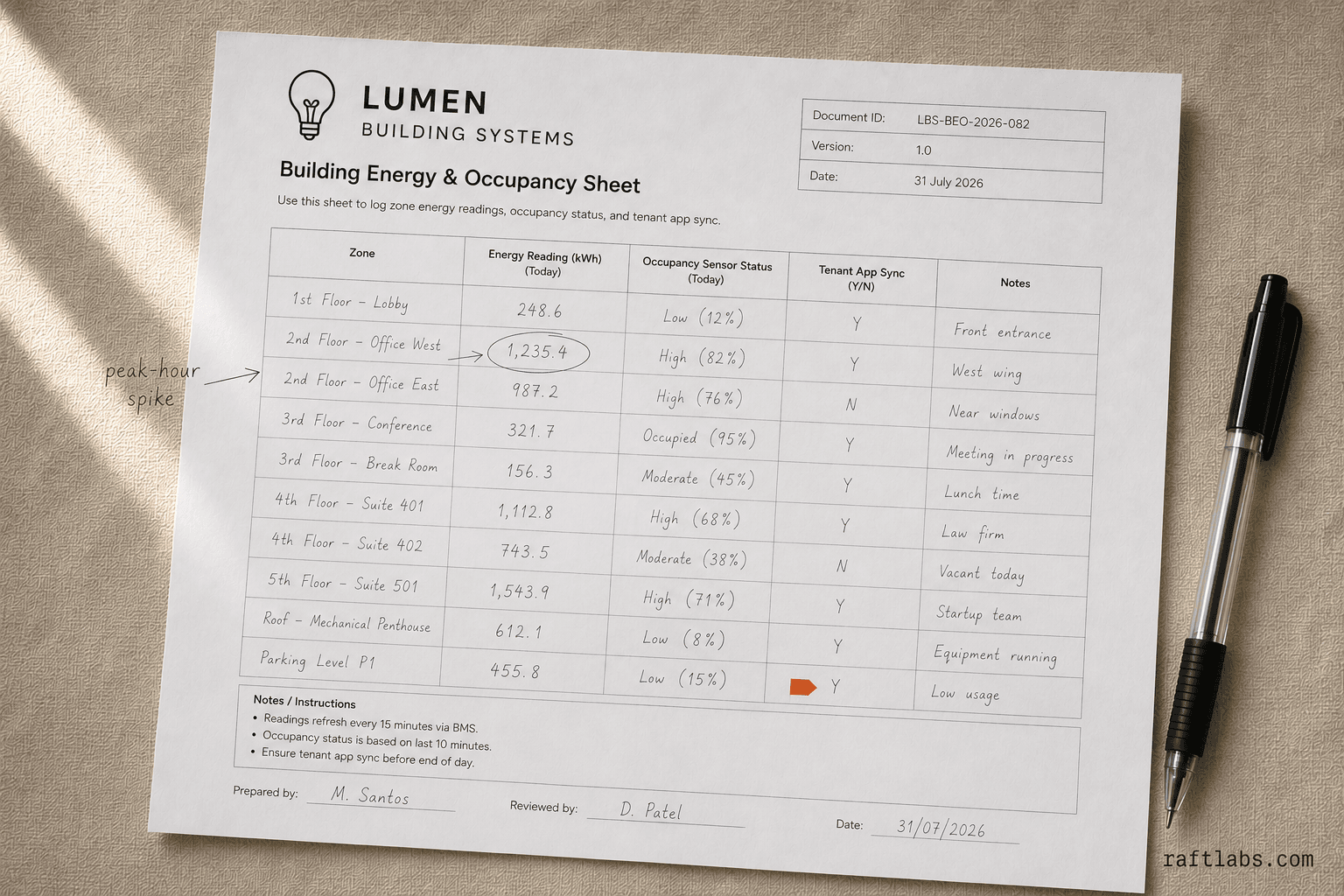
  • Smart building IoT integration for access control, energy management, and occupancy monitoring

  • AI property features including automated valuation, document extraction, and lead scoring

The problem

Sound familiar?

  • Managing maintenance requests across multiple properties via email and phone with no central tracking or accountability?

  • Running tenant communications across three different channels with no record of what was said or when?

  • Tracking lease expiry dates, rent collection, and arrears in spreadsheets that go out of date the moment someone edits them?

Short answer

RaftLabs builds custom PropTech software: property management systems with tenant portals, real estate marketplaces, smart building integrations, and AI property features. A property management system with a tenant portal launches as a validated v1 in 10 to 14 weeks, at a fixed cost agreed before development starts, then grows from there.

01 Diagnosis

Problems we solve for property businesses

  1. 01
    Problem

    Maintenance requests die in message threads

    Solution

    A tenant texts about a broken heater, sends a photo by email, then calls two days later for an update. After a few properties, those small threads become impossible to trace. There is no lifecycle: nobody knows what was submitted, who was assigned, or whether it was completed. We build maintenance workflows that track the full lifecycle, submitted to assigned to in progress to completed, with photos at each stage, and a tenant portal where a request takes under sixty seconds from a phone. The result is tickets that close instead of threads that grow.

  2. 02
    Problem

    Software built for a portfolio ten times your size

    Solution

    Enterprise platforms are sold as the safe, professional choice, then turn out to be more expensive and more complicated for zero actual benefit at your scale. Per-unit pricing punishes portfolio growth, add-on fees stack up, and the features you need, rent collection that doesn't require chasing anyone down, screening built into the process, are buried under ones you'll never use. We build for your actual portfolio size and structure: mixed-use, build-to-rent, short-stay alongside long-term. The result is software shaped like your operation, not someone else's.

  3. 03
    Problem

    QuickBooks, spreadsheets, and email sprawl

    Solution

    Rent in QuickBooks, tenancy records in a spreadsheet, maintenance history in email, compliance dates in someone's head. Staff reconcile by hand, match transactions to bank entries manually, and copy data between systems that don't talk to each other. Every handoff is a chance for an error that compounds into wrong reports. We build one operational system where every record, property, tenancy, lease, job, payment, has a clear owner and lives in one place. The result is decisions made on data instead of archaeology.

  4. 04
    Problem

    Lease dates that live in spreadsheets

    Solution

    Renewal dates in a spreadsheet, break clauses in an email folder, compliance certificates in a shared drive. When a renewal window is missed or a certification lapses, the cost is a dispute with no paper trail or a liability nobody saw coming. We centralize every document with automated alerts before critical dates arrive, and extract key dates and obligations from leases automatically so nothing depends on someone remembering to check. The result is compliance that doesn't rely on memory.

02 What we ship

PropTech software we ship

  1. Property management systems

    End-to-end property management platforms covering unit and property data, tenancy records, lease management with renewals and expiry alerts, rent collection with arrears tracking, and document storage per property and tenancy. Multi-portfolio support for management companies handling portfolios on behalf of landlord clients. Landlord reporting portals with income statements, occupancy rates, and maintenance cost summaries. Built for the actual structure of your portfolio, not a generic residential template. The outcome is one system your team trusts.

  2. Tenant portals

    Tenant-facing portals covering maintenance request submission with photo upload and category selection, request status tracking, rent payment and payment history, lease document access, and direct messaging to the property management team. Mobile app versions for tenants who prefer to manage their tenancy from their phone. Notification delivery via email and push for request updates, upcoming inspections, and payment confirmations. If a tenant can't submit a request in under sixty seconds from their phone, they'll just text you, so we design for that bar. The outcome is fewer calls to your team.

  3. Maintenance request management

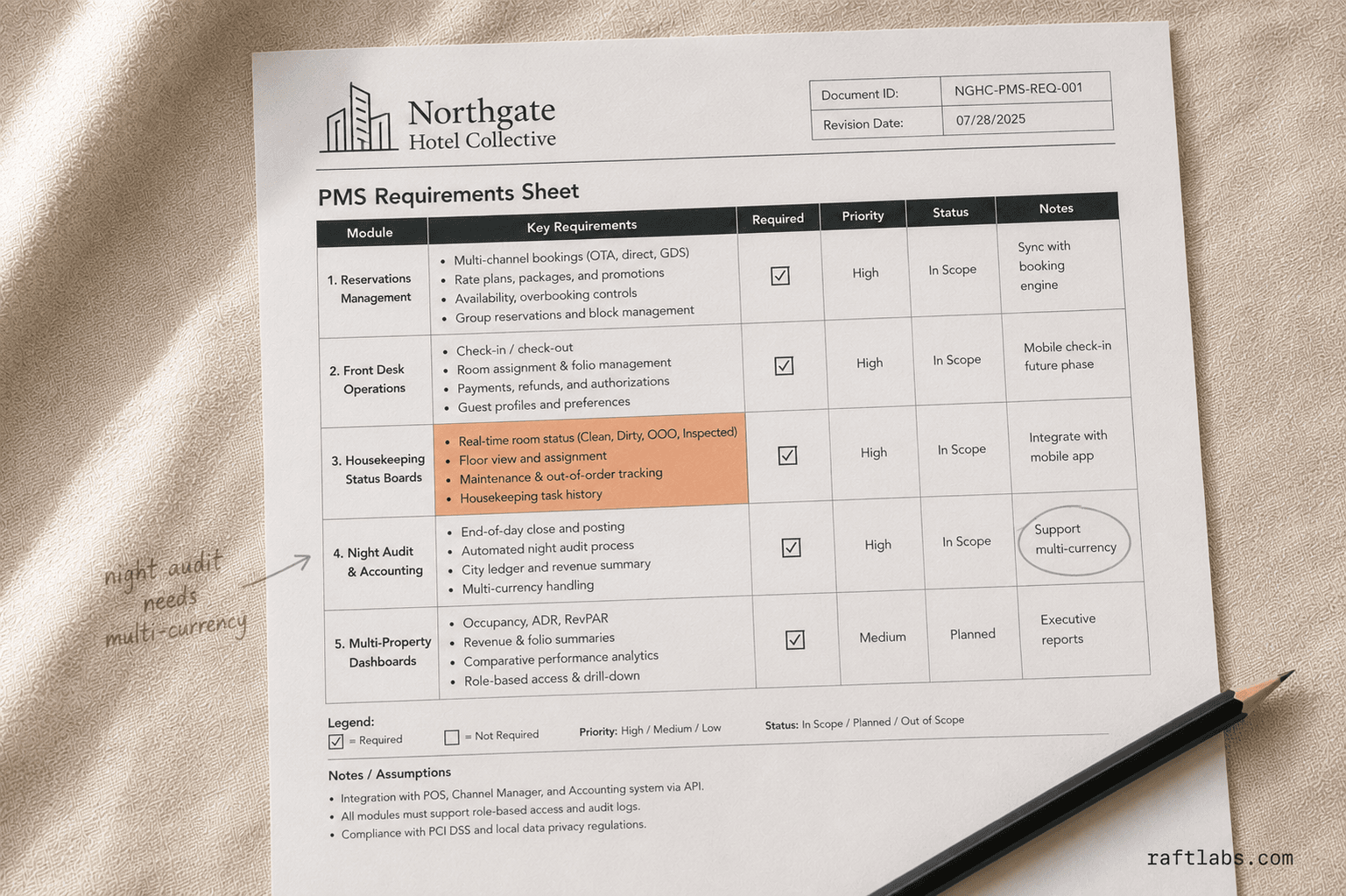
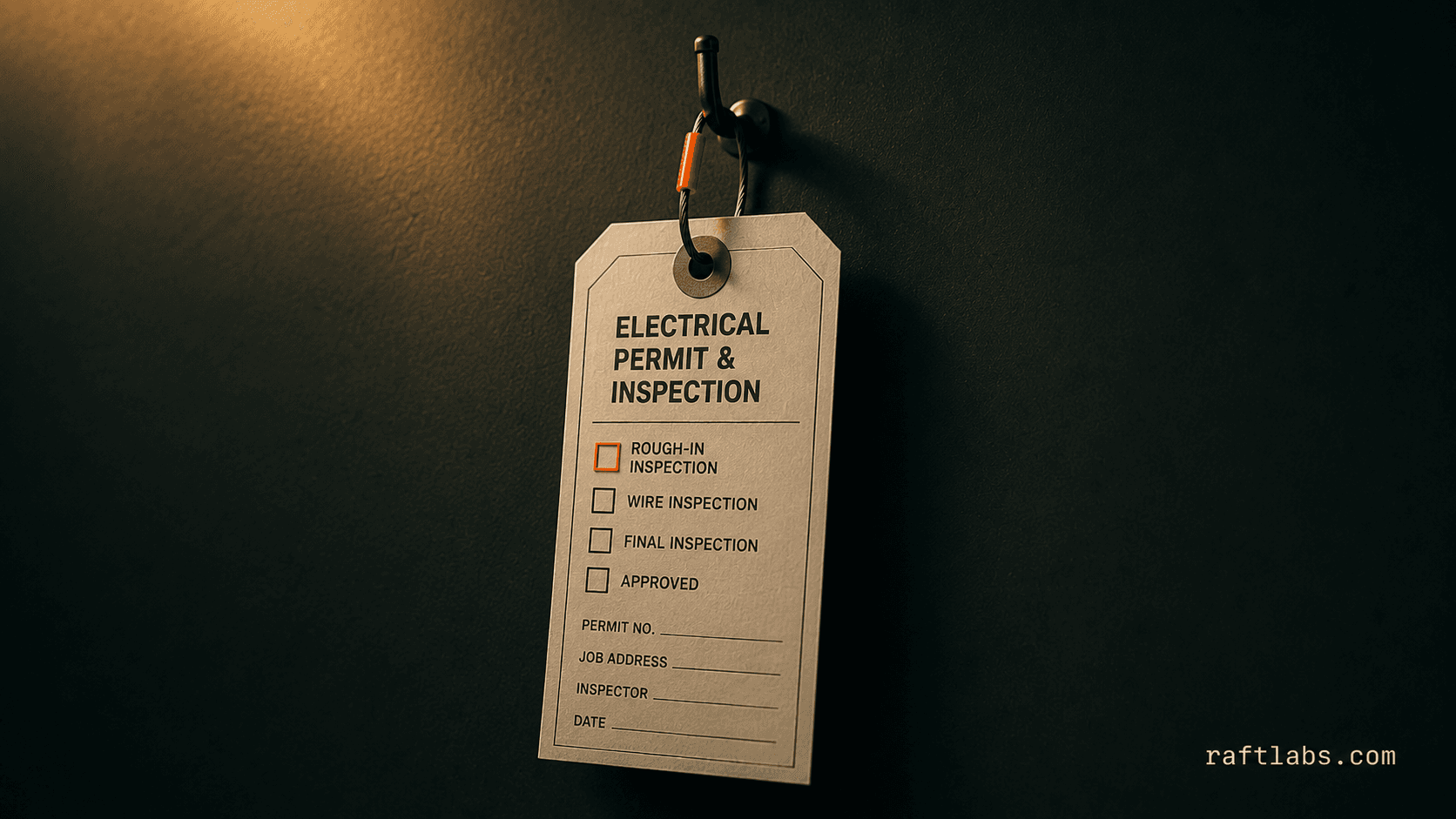
    Maintenance request workflows from tenant submission through contractor assignment to work completion and tenant sign-off. Contractor management with approved supplier list, trade category, and coverage area. Automatic routing of requests to available contractors by trade and location. Job scheduling with contractor calendar integration, tenant appointment confirmation, and access arrangement management. Cost tracking per job, per property, and per contractor. Compliance tracking for statutory inspection schedules, gas safety, electrical certification, and fire alarm testing. The outcome is a maintenance queue that moves on its own.

  4. Real estate listing and marketplace platforms

    Property listing platforms for developers, agencies, and real estate marketplaces: listing management with full media upload, property attribute management, and availability status. Lead capture with source tracking. Agent and developer portals for managing listing portfolios. Buyer and tenant inquiry management. Property comparison features. Integration with major listing portals (Rightmove, Zoopla, Domain) for syndication. CRM integration for lead follow-up workflows. Built for operators who want to control their listing data and lead pipeline rather than relying entirely on third-party portals. The outcome is a pipeline you own.

  5. Smart building IoT integration

    Integration platforms connecting building management systems, IoT sensors, and access control hardware to a unified property operations dashboard. Access control management, tenant and staff access credentials, visitor management, and audit logs. Energy management with meter data from smart meters and sub-meters, consumption reporting by floor and tenant, and alert thresholds for anomalous use. Occupancy monitoring using sensor data for space utilization reporting and HVAC optimization. For commercial property operators, developers, and facility management companies where energy cost and space efficiency are operational KPIs. The outcome is one dashboard instead of five manufacturer apps.

  6. AI property features

    AI features built into property operations: automated property valuation models using comparable transaction data and property attributes; document extraction for lease agreements, inspection reports, and compliance certificates, pulling key dates, terms, and obligations into structured records. Lead scoring for sales and lettings pipelines. Predictive maintenance flagging from inspection history and property age. Natural language search across property and tenancy records. These features work on your existing property data and don't require a data migration first. The outcome is AI sized to the operational problem, not the technology.

03 Buy, build, or wait

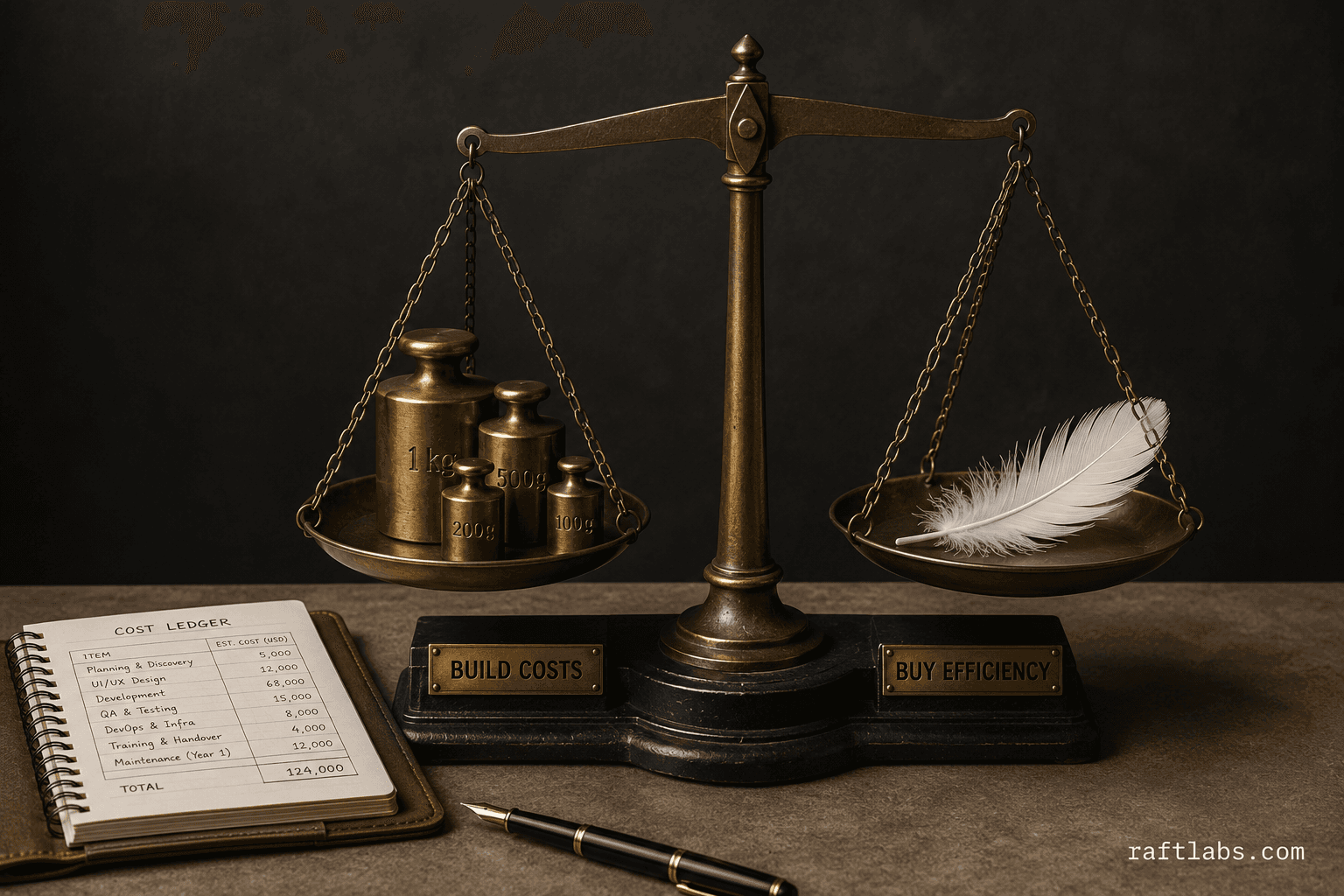
The proptech question is not whether software helps. It is what to buy off the shelf, what to build around your operation, and what to skip until the portfolio justifies it.

Buy or configure

  • The system of record for standard portfolios

    AppFolio, Buildium, and Yardi cover standard residential management well. Configure them before you consider building.

  • Accounting

    QuickBooks, Xero, and Sage handle rent accounting. Build the integration, not the ledger.

  • Tenant screening

    Screening is a bought service with compliance built in. Don't rebuild it.

Build custom

  • The tenant experience layer

    Portals and maintenance workflows tenants will actually use, built on top of your existing data.

  • Portfolio-specific operations

    Mixed-use, build-to-rent, and short-stay workflows the generic template can't carry.

  • The listing and lead pipeline

    Listing data and lead flow you own, instead of renting it from a portal.

Bottom line

Buy the system of record. Build the experience around it. And never buy software built for a portfolio ten times your size.

04 How we work

How we build PropTech software

  1. 01

    Portfolio mapping

    We spend one to two weeks understanding your portfolio structure, property types, tenancy arrangements, team roles, and the specific points where your current tools break down. The risk this retires: building for a generic portfolio instead of yours.
  2. 02

    Fixed-cost scope

    We define exactly which modules we build, which integrations are included, and the delivery milestones. You receive a fixed cost before development starts. The risk this retires: the open-ended engagement with no fixed price and no defined end.
  3. 03

    Data model first

    Property software is data-dense. We design the architecture, properties, units, tenancies, leases, maintenance jobs, compliance records, before building the interface. The risk this retires: a foundation that needs rebuilding the moment you want reporting or automation.
  4. 04

    Migration with parallel run

    Data migrates in stages, tenancy records and documents first, then financial data with trust accounts and deposits reconciled to the penny. Old and new systems run together until the numbers agree. The risk this retires: the cutover that corrupts your books.

Trusted by

Perceptional logo
Musgrave Group
UrShipper logo
Brux Dental Solutions
Bella Skin Institute Logo
Energia Rewards
Draftly logo
TuneClub Logo
Sekou LMS logo
Logo of food order management app gula
SnelwegDeals
Grubly logo
PSi logo
Instantor Rewards logo
logo of Mobile app for events, membership clubs, and communities
AldiFest retail campaign logo
Vidmattic logo
EMS Connect logo
Worx Squad logo
logo of Online Web App For Making Intro
logo of Referral and Viral Marketing Platform
Concurrences logo
GE logo
Ticketstop logo

05 Track record

What we've shipped in PropTech

To a validated v1 of your property management system
10-14 wk
Growth in self check-ins on our serviced-apartment platform
7x
Cost agreed before work starts
Fixed

08 Why us

Why choose us?

  • 01

    We've seen your problem before

    Across dozens of industries, we recognise your situation fast, then frame the fix around your margin and your operations, not a generic template.
  • 02

    We own the number, not the ticket

    We measure success the way you do: hours saved, revenue earned, margin recovered. We stay through launch and growth, so the result is ours to own.
  • 03

    Serious businesses trust us

    Vodafone, T-Mobile, Cisco, Energia, Aldi, Nike. Building since 2015. Serious businesses keep coming back because we stay accountable long after launch.

09 Questions

Common questions

We build software for residential lettings agencies, build-to-rent operators, commercial property managers, mixed-use developers, and facility management companies. We also build PropTech products for real estate tech companies selling to the market. The common factor is that the operation has outgrown spreadsheets and generic property management software, or has workflow requirements that off-the-shelf platforms can't support without significant workarounds. We scope each project based on your portfolio structure and operational requirements.

Yes. Most PropTech projects involve integration with existing systems rather than replacing everything at once. We integrate with accounting platforms (Xero, QuickBooks, Sage) for rent accounting, supplier payment processing, and landlord financial reporting. We've built custom tenant portals and maintenance systems on top of existing property management databases where the core data model works but the user-facing tools don't. We also integrate with major property listing portals via their APIs for syndication from a central listing management system. Integration scope is defined during discovery because it determines how complex the data mapping and ongoing sync requirements are.

Smart building projects start with an audit of what hardware and systems already exist in the building: access control, BMS, smart meters, HVAC controls, and sensor infrastructure. We then design the integration layer that pulls data from each system into a unified operations platform, normalizing data formats across manufacturers and protocols. For new buildings, we advise on hardware selection that works with open APIs rather than proprietary-only systems that lock you into one vendor. The typical output is a property operations dashboard where building managers can see access events, energy consumption, occupancy, and active alerts in one place rather than logging into separate manufacturer apps.

Based on projects we've delivered, three AI features carry the strongest operational impact. Document extraction from lease agreements and compliance certificates eliminates manual entry of key dates and obligations, which prevents the missed renewals and lapsed certifications that create liability. Lead scoring for lettings pipelines lets agents prioritize the inquiries most likely to convert rather than working the queue in order. Automated valuation support gives valuers a data-driven starting point rather than appraising from scratch. Predictive maintenance has value for commercial operators with high maintenance volumes. The signal-to-noise ratio improves as the dataset grows. We size the AI investment to the operational problem, not the technology.

A property management system with a tenant portal launches as a validated v1 in 10 to 14 weeks. Larger builds with smart building integration or marketplace functionality are scoped separately. Fixed cost, agreed before work starts.

The layers they won't give you: a tenant portal your tenants will actually use, maintenance workflows with full lifecycle tracking, and integrations with the tools outside their ecosystem. If your gap is a configuration inside software you already own, we'll tell you that instead.

We migrate in stages: tenancy records, lease documents, and compliance history first, then financial data with trust accounts and security deposits reconciled to the penny. Old and new systems run in parallel until the numbers agree. Small mistakes in rent or deposit data cause wrong tax returns and failed audits, so we validate the migration against your accounting before cutover.

Get a straight answer on your proptech build.

Tell us your portfolio structure, your current operational tools, and where the system breaks down. We'll tell you whether to configure, build, or wait, and what it would honestly take.

  • Scope and cost agreed before work starts. No surprises. No obligation.
  • Working prototype within 3 weeks of kickoff.
  • Pay by milestone. You see progress before each invoice.
  • 60-day post-launch warranty. Bug fixes, UI tweaks, and deployment support. No retainer.
  • All conversations are NDA-protected.

Useful next steps

More on real estate & construction