






























Logistics Mobile App Development Company

Logistics mobile app development company

We build iOS and Android apps for logistics operators: driver apps, delivery tracking tools, fleet management platforms, warehouse tools, and field service apps. GPS tracking, offline-first architecture, barcode and QR scanning, proof of delivery, and TMS/WMS integration - built for the field, not just the office.
Our logistics clients come to us because their drivers are still calling dispatch to report status, and their proof of delivery is a PDF emailed the next day. We fix that in 8-14 weeks at a fixed price.

  • Offline-first architecture - works in warehouses, tunnels, and areas with no signal

  • GPS tracking and route optimisation with real-time updates to dispatch

  • Barcode and QR scanning for pick lists, item verification, and asset tracking

  • Proof of delivery with photo capture and digital signature, timestamped and geo-tagged

  • Push notifications for job assignments, ETA alerts, and exception handling

  • Integration with your TMS or WMS on day one - not retrofitted after launch

  • Fixed price and timeline agreed before development starts - 8-14 week average delivery

Recent outcomes

Driver and shipment app · UrShipper

70+ countries served

Built a logistics platform covering shipment creation, driver tracking, and customer notifications. 2,000+ shipments across 70+ countries. 200+ customers migrated without disruption.

Field service app · UK operations business

Same-day job closure rate up 40%

Built an offline-first field service app with job assignment, checklist completion, photo capture, and sync on reconnect. Engineers no longer call the office to confirm job status.

Delivery tracking app · UAE logistics operator

60% fewer inbound calls

Built a real-time delivery tracking app with driver GPS, ETA calculation, and customer push notifications. Reduced inbound customer calls by 60%.

4.9
on Clutch
See our work

The problem

Sound familiar?

  • Drivers still calling dispatch to report their status because the app doesn't work offline?

  • Proof of delivery is a PDF emailed the next morning - customers want real-time confirmation?

  • Warehouse staff using paper pick lists because the WMS doesn't have a mobile app that works without wifi?

Short answer

RaftLabs builds iOS and Android logistics apps for operators, carriers, and field service businesses in the US, UK, Ireland, and Australia. Capabilities include offline-first architecture, GPS tracking, barcode scanning, proof of delivery, and TMS/WMS integration. Portfolio includes UrShipper with 2,000+ shipments across 70+ countries. Fixed-price delivery in 8-14 weeks.

Key takeaways

  • RaftLabs builds iOS and Android logistics apps including driver apps, delivery tracking tools, fleet management platforms, warehouse tools, and field service apps.
  • All logistics apps are built with offline-first architecture that works in warehouses, tunnels, and areas with no signal.
  • GPS tracking, barcode and QR scanning, proof of delivery with photo and digital signature, and TMS/WMS integration are standard capabilities.
  • UrShipper, built by RaftLabs, handles 2,000+ shipments across 70+ countries with 200+ customers migrated without disruption.
  • A field service app delivered for a UK operations business increased same-day job closure rate by 40%.
  • Fixed-price delivery with scope agreed before development starts, averaging 8-14 weeks from discovery to production.

Trusted by

Vodafone logo
Aldi logo
Nike logo
Microsoft logo
Heineken logo
Cisco logo
Calorgas logo
Energia Rewards logo
GE logo
Bank of America logo
T-Mobile logo
Valero logo
Techstars logo
East Ventures logo
TuneClub logo

According to McKinsey, AI and digital technologies applied to logistics and supply chain operations could generate $1.3 trillion to $2 trillion in annual economic value globally by 2030 — with mobile-first field tools and real-time tracking cited as foundational enablers. Logistics operators who deploy driver and warehouse apps with offline-first architecture and live GPS are capturing that value now, while competitors still rely on phone calls and paper.

Logistics mobile apps, by the numbers

shipments tracked on one platform we built
2,000+
countries served by UrShipper, built by RaftLabs
70+
average delivery from discovery to production
8-14 wks
rated by clients on Clutch
4.9/5

Logistics mobile apps

What we build

How we work

From scope to production

  1. Week 1
    01

    Field workflow mapping

    We map driver, warehouse, and dispatcher workflows step by step. You leave week one with a written scope, an offline data model assessment, a TMS/WMS integration plan, and a fixed-price quote. No vague estimates.

  2. Weeks 2-3
    02

    Architecture and design

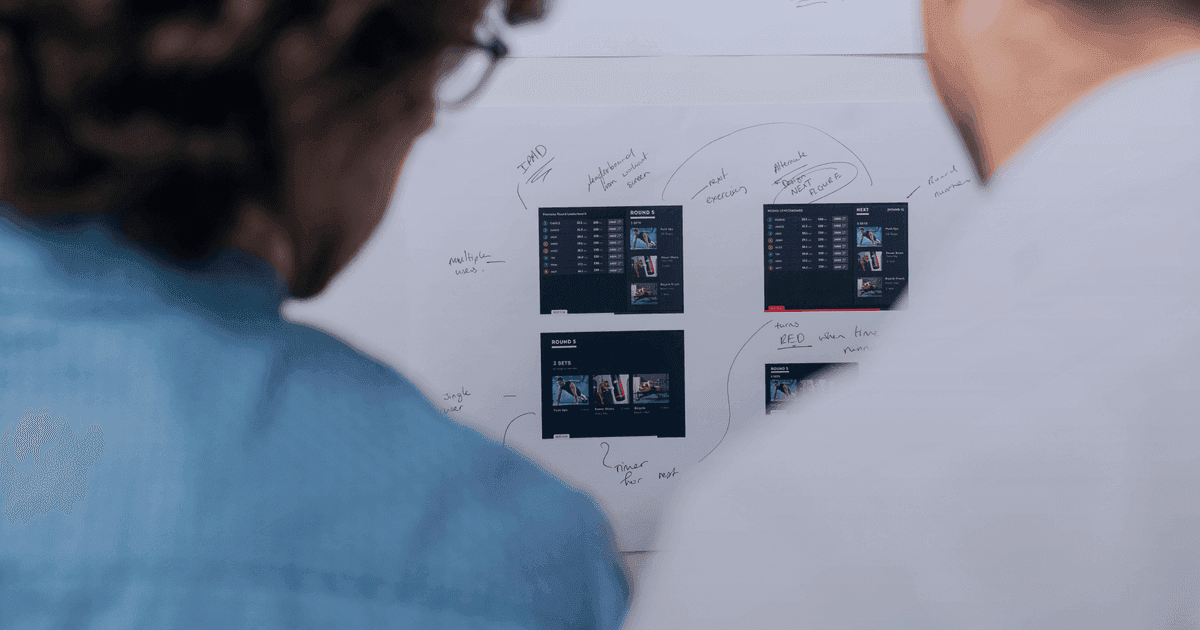
    Offline-first data architecture, sync logic, and conflict resolution are designed before code is written. Every screen is wireframed and reviewed with your operations leads. Figma files show exactly how data flows between the driver app, dispatch, and your TMS.

  3. Weeks 4-12
    03

    Build, integrate, and QA

    Bi-weekly sprint delivery. A working build on TestFlight and Android beta from sprint one. Offline behaviour, GPS accuracy, and scan performance are tested in conditions that match your operational environment - not just on office wifi.

  4. Weeks 12-14
    04

    Rollout and handover

    Staged rollout to a pilot group of drivers or warehouse staff, with a feedback window before full production. Full source code, API documentation, and infrastructure credentials transferred to your team at launch. Training materials for drivers and dispatchers included.

Why us

Why logistics teams choose us

  • 01
    Offline-first from the architecture up

    We design the data model for offline use before writing a line of code. Job data, forms, scan events, and POD records are written to device storage first and synced when connectivity returns, with conflict resolution for edge cases, tested as part of every sprint QA cycle.

  • 02
    GPS and mapping built for logistics

    Real-time driver location, route display, ETA calculation, and geofence alerts. ETAs recalculate as conditions change; they're not set at dispatch and forgotten.

    Built with
    Google Maps Platform · HERE Technologies · Mapbox
  • 03
    Proof of delivery that holds up

    Photo capture with geo-tag and timestamp, digital signature, barcode scan confirmation, and exception logging. All POD records are immutable once submitted, customer notifications with the delivery photo can be triggered automatically, and records are audit-ready.

  • 04
    TMS and WMS integration on day one

    We connect to Oracle TMS, SAP TM, MercuryGate, Manhattan Associates, and custom REST or SOAP APIs. The integration approach is confirmed in week-one discovery and tested against sandbox environments before any production cutover, and if your system doesn't have a documented API, we build the middleware layer.

    Built with
    Oracle TMS · SAP TM · MercuryGate · Manhattan Associates
  • 05
    Built for the field, not just the office

    Drivers don't have time for a 12-step workflow on a 6-inch screen. We design for one-handed use, large tap targets, and minimum required input per action, with field testing on real drivers and warehouse staff as part of every project.

  • 06
    Fixed price before development starts

    Scope, cost, and timeline locked in writing before development begins. A change to scope is a change request: priced and agreed before work starts. No surprises at invoice time.

Why us

Why logistics operators choose RaftLabs

  • 01
    UrShipper: 2,000+ shipments across 70+ countries

    We built the UrShipper logistics platform from scratch. 2,000+ shipments tracked, 70+ countries served, and 200+ customers migrated from the legacy system without disruption. The offline-first architecture handles poor connectivity in customs facilities and remote pickup points.

  • 02
    Senior engineers who understand field operations

    The engineers who map your driver and warehouse workflows also build the app. No handoff to a junior team after the contract is signed. We test against real operational conditions, not just office wifi.

  • 03
    Fixed price before development starts

    Scope, cost, and timeline are locked in writing before development begins. A change to scope is a change request: specified, costed, and agreed before work starts.

  • 04
    8 weeks of post-launch support included

    Bug fixes, OS updates, and performance tuning after launch - included in the project price. On-call support during the critical first 30 days when drivers and warehouse staff are adapting to the new app.

Ready to scope your logistics mobile app?

30 minutes. You leave with a clear cost, a timeline, and an architecture outline for offline-first and TMS integration. No commitment required.

What clients say

What clients say about working with us

Three-year average engagement. Founders and operators describing the work in their own words. No marketing varnish.

Nuala C.
Nuala C.
Ireland flagIreland
Director, BrandFire

Incredibly simple and easy to use app. Exactly what we were looking for.

01 / 06

Stay on topic

More on mobile apps

Logistics mobile app questions

A focused driver app - job assignment, GPS status updates, proof of delivery with photo and signature, and offline sync - typically runs $30,000-$50,000. Add dispatch tools, route optimisation, and a customer tracking portal and you're looking at $50,000-$90,000. A full fleet management platform with vehicle tracking, maintenance scheduling, and driver analytics sits in the $80,000-$150,000 range. The fixed total is agreed before development starts. Request a 30-minute call to get a number for your specific scope. Our portfolio includes UrShipper, a logistics platform handling 2,000+ shipments across 70+ countries, and a field service app that increased same-day job closure rate by 40%.

Most logistics mobile apps ship in 8-14 weeks. A driver app with GPS tracking, job lists, and proof of delivery typically delivers in 8-10 weeks. Add TMS or WMS integration and allow 12-14 weeks. A full fleet management platform with real-time tracking, maintenance scheduling, and analytics runs 14-18 weeks. Every project starts with a one-week discovery that maps driver, dispatcher, and warehouse workflows before any code is written. You receive a fixed-price scope document at the end of week one. Development does not start until you have signed off on the scope, so you know exactly what you are buying and when you will receive it.

Offline-first is an architectural decision, not a feature added at the end. We use local-first data models: job data, forms, and scan events are written to device storage first, then synced to the server when connectivity returns. Conflict resolution handles edge cases - two drivers updating the same shipment record simultaneously does not produce data loss. We test offline behaviour as part of QA, not just on stable wifi. For warehouse apps, we assess the specific connectivity environment in week-one discovery so we know what data needs to be available locally and what can be lazy-loaded. This approach means drivers in tunnels, basements, or rural dead zones work without interruption, and nothing is lost when they reconnect.

Yes. We connect to major TMS platforms including Oracle TMS, SAP TM, MercuryGate, and custom REST or SOAP APIs. For WMS integration, we've connected to Manhattan Associates, Blue Yonder, and custom warehouse systems. The integration approach - push vs pull, event-driven vs polling, authentication model - is assessed in week-one discovery. We build against sandbox or test environments and run end-to-end integration tests before production cutover. If your TMS or WMS doesn't expose a documented API, we can work with the vendor or build a lightweight middleware layer. All integration points are documented in the technical handover so your internal team can maintain the connection after launch.

Photo capture with automatic compression and geo-tag, digital signature with stylus or finger, delivery notes and exception logging, barcode scan confirmation for item-level proof, and timestamp recording tied to GPS coordinates. All POD records are uploaded to the server immediately when online, or queued for sync when offline. Records are immutable once submitted and include device ID, timestamp, and GPS coordinates for audit and compliance purposes. Customer notification (SMS or email with a delivery confirmation link and attached photo) can be triggered automatically on submission. The full POD record is stored and exportable for dispute resolution, insurance claims, and carrier compliance reporting.

React Native and Flutter for iOS and Android from a single codebase - our default for logistics apps because drivers and warehouse staff use both platforms and a single codebase halves the maintenance surface. Swift or Kotlin for apps that need deep access to hardware APIs (NFC readers, Zebra scanners, specialised barcode hardware). Backend: Node.js or Python with PostgreSQL; AWS for infrastructure. GPS and mapping: Google Maps Platform or Mapbox for route display and ETA calculation; HERE Technologies for logistics-specific routing APIs. Barcode scanning: MLKit (on-device, no API call) for standard 1D and 2D codes; specialised SDKs for Zebra or Honeywell hardware scanners.

Work with us

Tell us what you need. We'll tell you what it would take.

We scope Logistics Mobile App Development Company in 30 minutes. You walk away with a clear cost, timeline, and approach. No commitment required.

  • Scope and cost agreed before work starts. No surprises. No obligation.
  • Working prototype within 3 weeks of kickoff.
  • Pay by milestone. You see progress before each invoice.
  • 60-day post-launch warranty. Bug fixes, UI tweaks, and deployment support. No retainer.
  • All conversations are NDA-protected.