Insurance Customer Portal Development

Built to reduce service calls and improve renewal rates

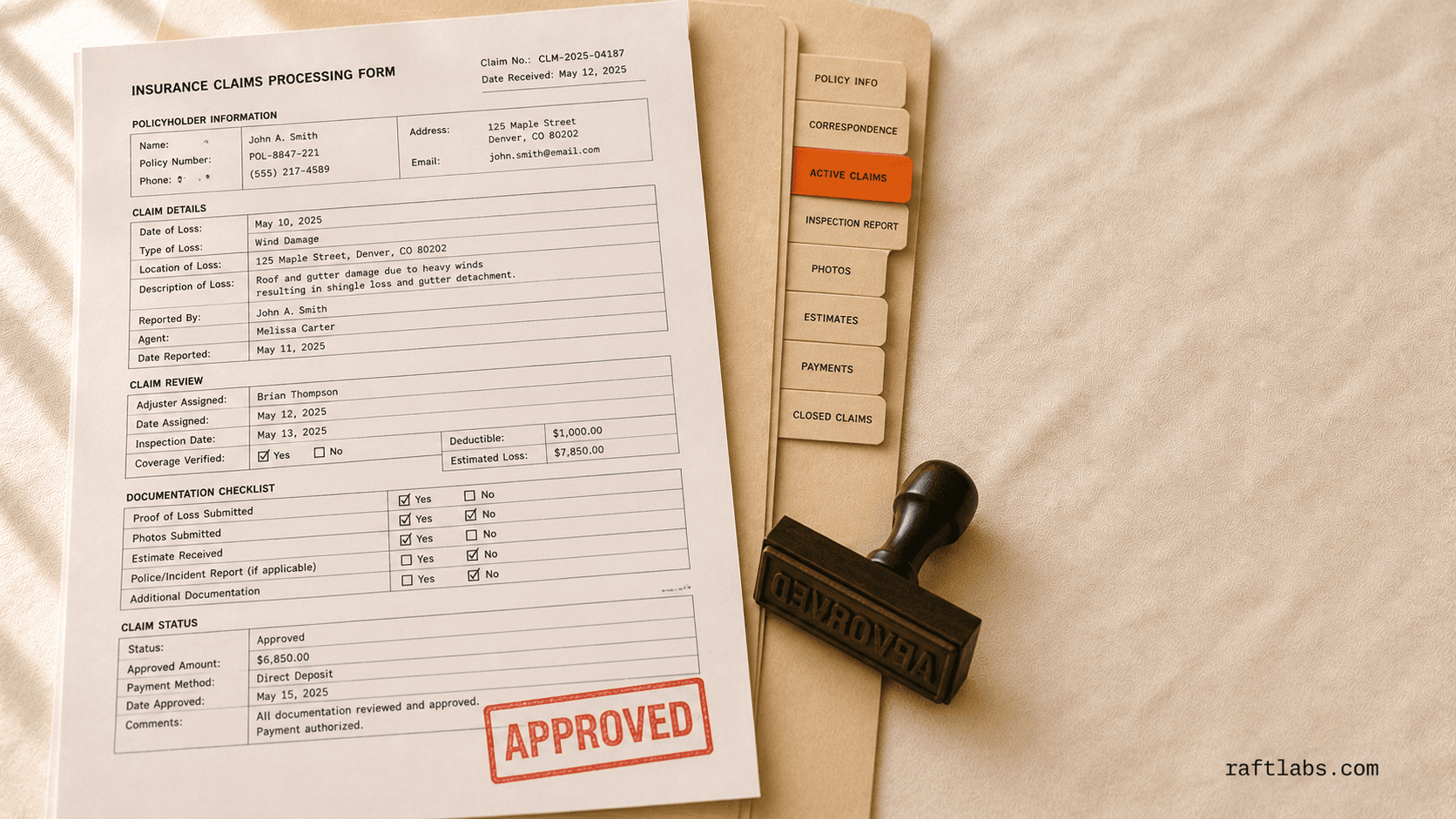
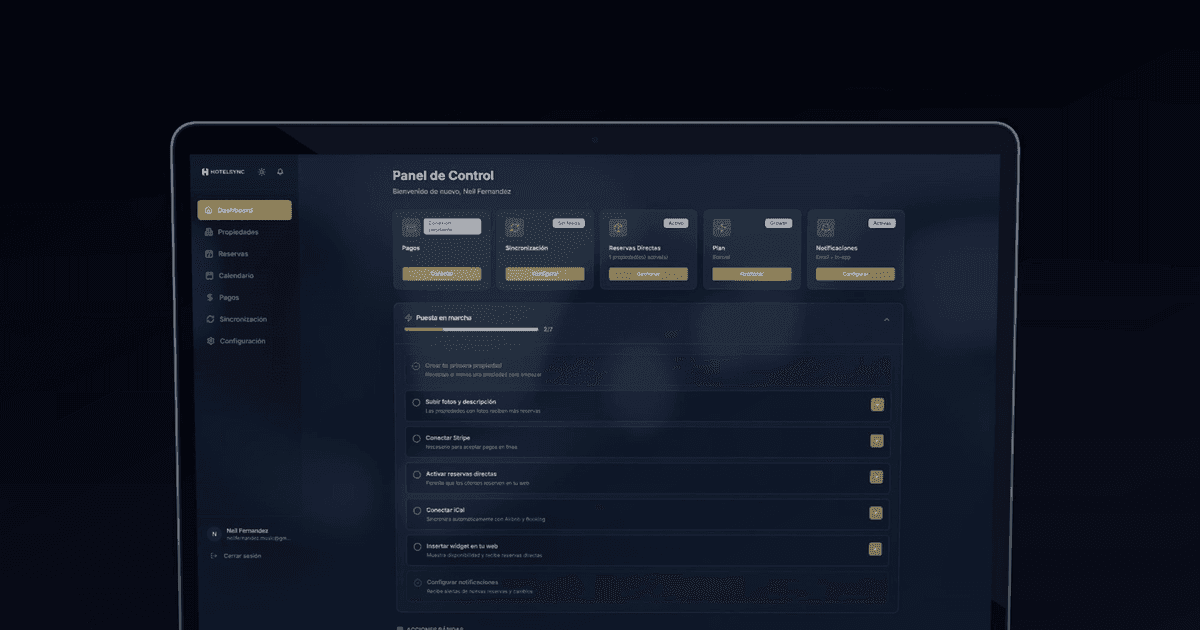
Policyholders who can access their policy documents, track an open claim, and complete their renewal online without speaking to anyone are less likely to shop around at renewal. Not because they are locked in, but because friction at the moment of renewal is the single most common reason a policyholder goes to a comparison site. Your service team fields the same ten questions every week: certificate requests, claims status enquiries, payment confirmations, renewal queries. Those ten questions are your portal specification. A portal that answers them completely, immediately, and without a call is one policyholders return to.

  • Policy document and certificate self-service

  • Claims submission and real-time status tracking

  • Online renewal and payment

  • Endorsement and coverage change requests

Bring the problem, the current workflow, or the existing code. We reply with a practical next step within one business day.

Trusted by

Vodafone logo
Aldi logo
Nike logo
Microsoft logo
Heineken logo
Cisco logo
Calorgas logo
Energia Rewards logo
GE logo
Bank of America logo
T-Mobile logo
Valero logo
Techstars logo
East Ventures logo
TuneClub logo

The brief

Start with what is not working.

Good software decisions begin with the constraint, not a list of features or a preferred technology.

01

Policyholders calling the service centre to request a copy of their certificate of insurance because there's no way to download it themselves, tying up staff on requests that could be fully automated?

02

Renewal reminders sent by post or generic email with no personalisation, so policyholders who don't read them lapse not because they wanted to leave but because nobody made renewal frictionless?

Plain answer

An insurance customer portal gives policyholders self-service access to policy documents and certificates, claims submission with real-time status tracking, online renewal and payment, and endorsement requests. RaftLabs builds custom portals for insurers and MGAs, integrated with your policy administration system. We scope a fixed cost, then launch a validated v1 in 12-14 weeks before expanding.

What to remember

  • Digital ID cards sync to Apple Wallet and Google Wallet and update automatically on renewal or endorsement, with a QR verification page requiring no login for the verifier.
  • Straight-through endorsement processing generates revised documentation within minutes for low-complexity changes, routing only rating-impact changes to underwriter review.
  • Renewal presentation includes a side-by-side coverage comparison against the expiring policy, reducing lapse caused by confusion rather than genuine intent to leave.
  • A focused portal with document access, claims tracking, renewal, and payment launches as a validated v1 in 12-14 weeks; adding digital ID cards and endorsement workflows grows toward 14-18 weeks.

Proof

Since 2015
shipping production software for insurers and regulated operators
RaftLabs delivery record
4.9/5
average client rating across delivered projects
Clutch, verified reviews
Fixed price
scope and cost agreed in writing before any development starts
Every RaftLabs engagement

Built around the calls your service centre takes today

A custom insurance customer portal wins on one thing: whether it answers the reasons policyholders call. Certificate requests, claims status, payment confirmations, renewal queries. Answer those on screen, immediately and without a call, and customers stop tying up the service centre and stop drifting to comparison sites at renewal.

Policyholders reach the portal to do four things: read their coverage, file and follow a claim, pay, and renew. Each one carries its own regulatory weight. Payment flows sit inside PCI-DSS scope. Personal data falls under GDPR, UK GDPR, and CCPA depending on where the policyholder lives. Health and medical lines bring HIPAA. We design the data model and access controls around those regimes from the start, not as a retrofit before launch.

Capabilities

What we build

  • 01
    Policy document and certificate access

    Two-factor authenticated self-service with dynamic ACORD certificate generation, policy history across prior terms, and time-limited secure document sharing links.

    Built with
    Auth0 · Okta
  • 02
    Claims submission and tracking

    Dynamic FNOL intake by claim type with photo/document upload, real-time status tracking synced from your claims system, and e-signature for settlement sign-off.

    Built with
    DocuSign
  • 03
    Online renewal and payment

    Side-by-side renewal coverage comparison, tokenised autopay setup, instant renewal document generation, and automated 60/30/7-day reminder sequences.

    Built with
    Stripe · Adyen
  • 04
    Endorsement and coverage changes

    Structured request forms for common changes with straight-through processing for low-complexity endorsements and underwriter review for rating-impact changes.

  • 05
    Digital ID cards

    Digital ID cards with QR verification pages requiring no login, auto-updated on renewal, plus per-vehicle cards for commercial fleet policies.

    Built with
    Apple Wallet · Google Wallet
  • 06
    Notifications and communication preferences

    Channel-level preference control separating transactional from marketing messages, a full communication history log, and GDPR/CCPA consent management.

How we work

From scope to live customer portal

  1. Week 1
    01

    Service-call and product scoping

    We map your product lines, what policyholders currently call about most, and your existing policy administration system. You leave week 1 with a written scope document and a fixed-price quote.

  2. Weeks 2-5
    02

    Integration and authentication design

    Policy system integration, identity provider connection, and claims intake logic designed against your actual systems.

  3. Weeks 6-11
    03

    Build and integrate

    Document access, claims tracking, and renewal flows built in parallel, tested against real policy data.

  4. Final 2-3 weeks
    04

    Launch and service team rollout

    Service and claims teams trained on the new self-service flows before full rollout.

Why us

Why insurers and MGAs choose RaftLabs

  • 01
    Senior engineers build what they scope

    The engineers who assess your policy system also build the solution. No bait-and-switch, no offshore handoff after the contract is signed.

  • 02
    Fixed price before development starts

    We scope the work, calculate the cost, and lock it in writing before any development starts.

  • 03
    Regulated-industry software since 2015

    We have shipped production software for fintech and other regulated operators since 2015. Real engagements across SaaS, fintech, healthcare, and logistics, not every one published as a named case study.

  • 04
    Built around your top service calls, not a generic template

    The portal specification comes from your actual call volume drivers.

  • 05
    Compliance built into the data architecture

    Payment flows are scoped for PCI-DSS, personal data for GDPR, UK GDPR, and CCPA, and health-insurance lines for HIPAA. Consent handling is part of the design, not an afterthought.

Useful next steps

More on fintech

Frequently asked questions

The portal connects to your policy administration system via API to read policy data and write policyholder-initiated changes. For Guidewire PolicyCenter, the integration uses the Guidewire REST API or the earlier SOAP-based PC API for older versions. For legacy systems without a standard API layer, we build a middleware integration using file-based data exchange or a direct database read layer.

The baseline method is email and password with two-factor authentication via TOTP or SMS OTP. Social login via Google or Apple ID is available where appropriate. For insurers with an existing identity provider such as Auth0, Okta, or Azure AD B2C, we integrate the portal's authentication with the existing IdP via OAuth 2.0 and OpenID Connect. Commercial policyholders with multiple authorised users are supported with account-level access and role-based permissions.

Policyholders can submit claims directly through the portal with structured intake capturing all the data your claims team needs to open a claim file. The submitted claim data is sent directly to your claims management system via API, creating the claim record without any manual re-keying. If your process requires a triage step, we build that as a review queue rather than routing to a phone call.

A focused insurance customer portal covering policy document access, claims submission and tracking, online renewal, and payment launches as a validated v1 in about 12-14 weeks at a fixed cost. Adding digital ID cards, endorsement workflows, direct messaging with adjusters, and identity provider integration grows the platform toward 14-18 weeks. We scope the work and agree the cost in writing before development starts.

Work with us

Have an insurance portal project?

Tell us your product lines, what policyholders currently call about most, and what your existing policy administration system is. We will scope a portal that reduces your service cost and improves renewal rates.

  • Scope and cost agreed before work starts. No surprises. No obligation.
  • Working prototype within 3 weeks of kickoff.
  • Pay by milestone. You see progress before each invoice.
  • 60-day post-launch warranty. Bug fixes, UI tweaks, and deployment support. No retainer.
  • All conversations are NDA-protected.