








AI Agents for Insurance

AI agents that act, not just answer

A chatbot tells a policyholder how to file a claim. An AI agent collects the FNOL data, validates it against the policy record, creates the claim in your system, assigns it to the right adjuster, and sends the first status message, all from a single inbound contact. The difference matters in insurance because half-finished workflows create the cost: when a FNOL lands by email and a handler has to open three systems and re-key the data, that's a workflow problem, not a training problem. We build insurance AI agents with a defined scope per workflow, explicit escalation rules, and compliance-aware data handling.

  • FNOL intake agents that collect, validate, and route first notice of loss from any channel

  • Underwriting data agents that query CLUE, MVR, credit bureaus, and property databases and return structured output for review

  • Claims status agents that give policyholders real-time updates without advisor involvement

  • Compliance-aware architecture with full audit trails and configurable human-in-the-loop checkpoints

Recent outcomes

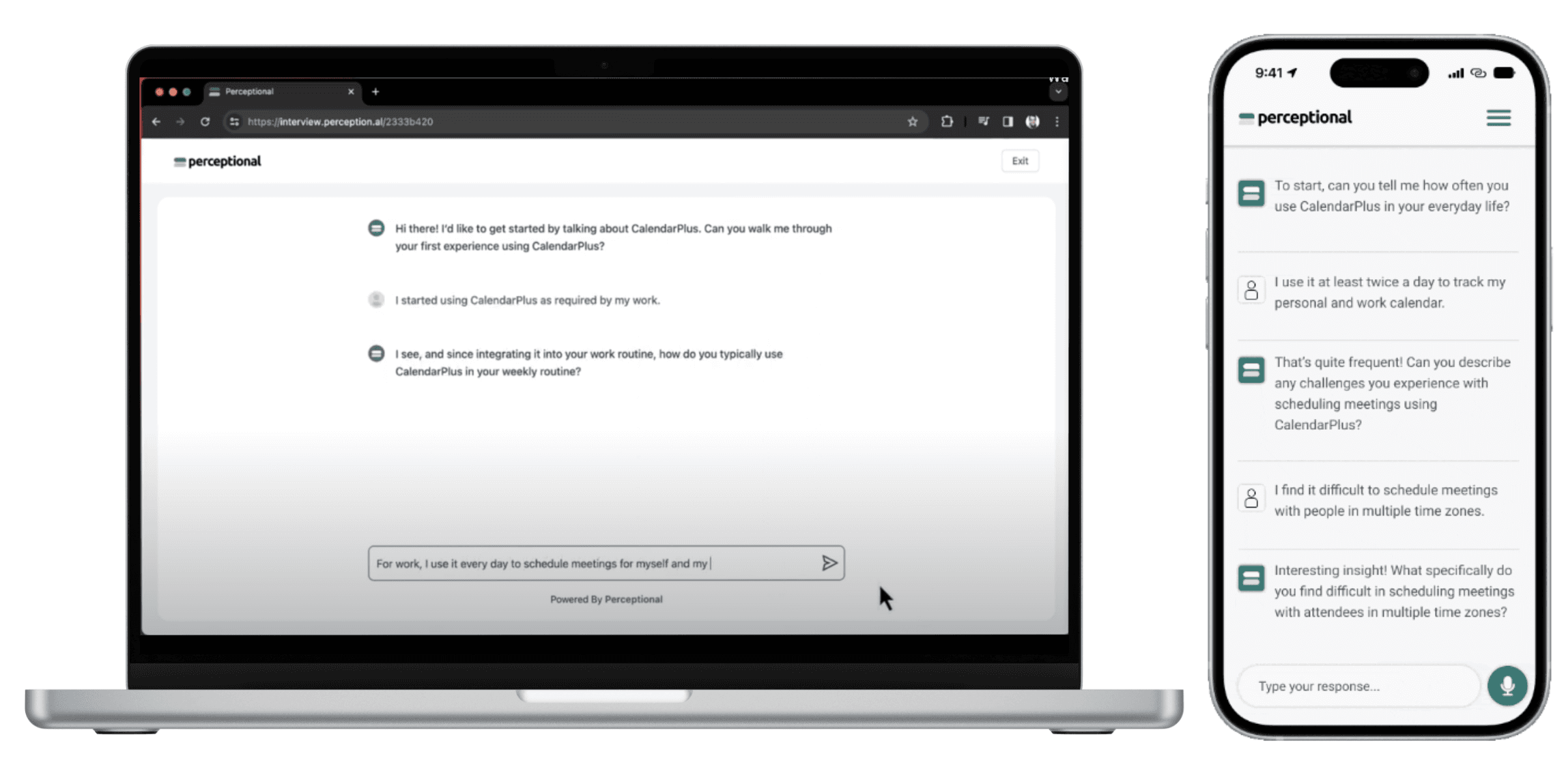
Voice AI · Research

6× deeper insights

Text-based interviews converted to automated phone calls

AI Automation · Ops

20k+ txns day one

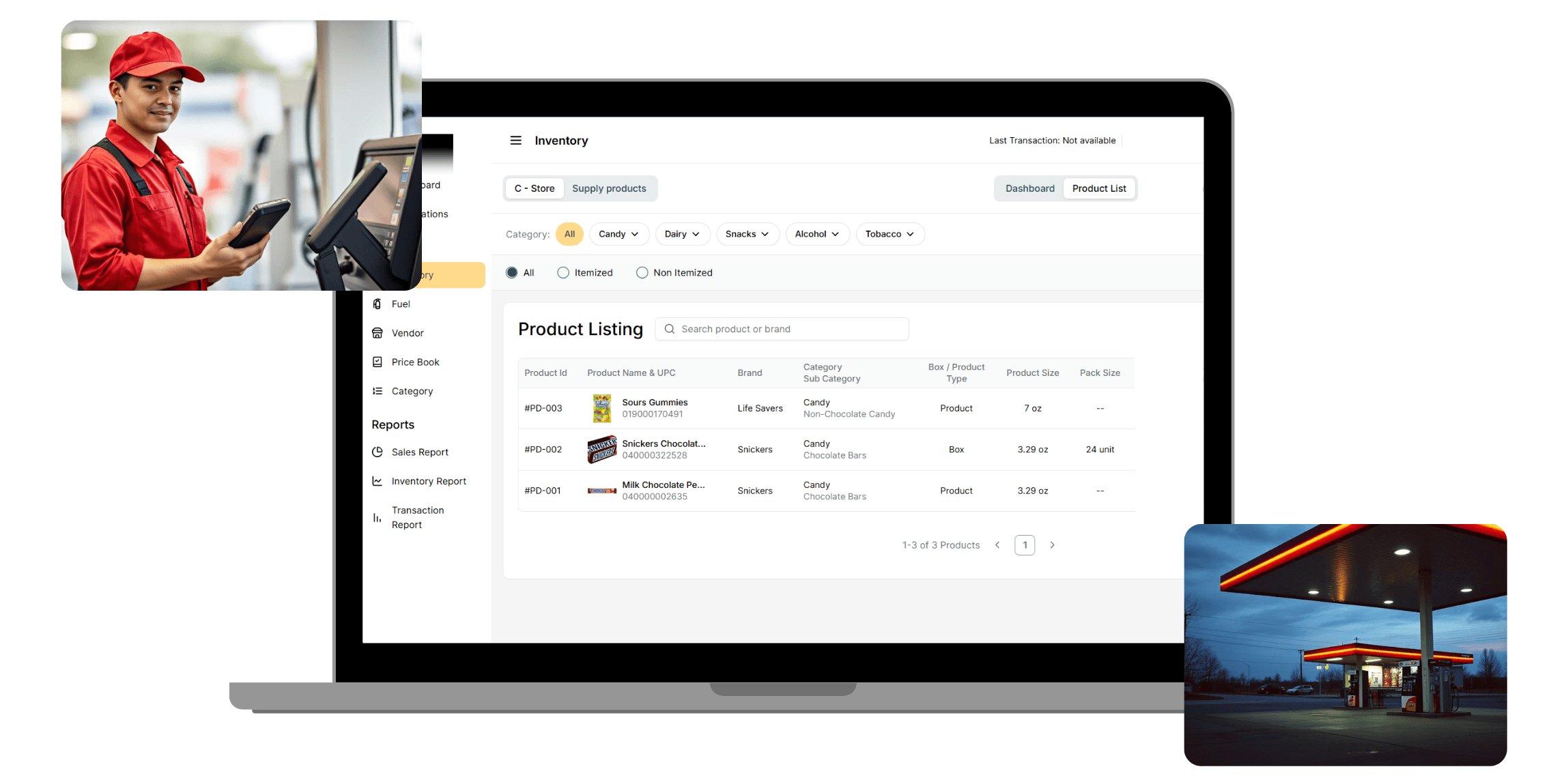
Manual invoice OCR across 40+ gas stations

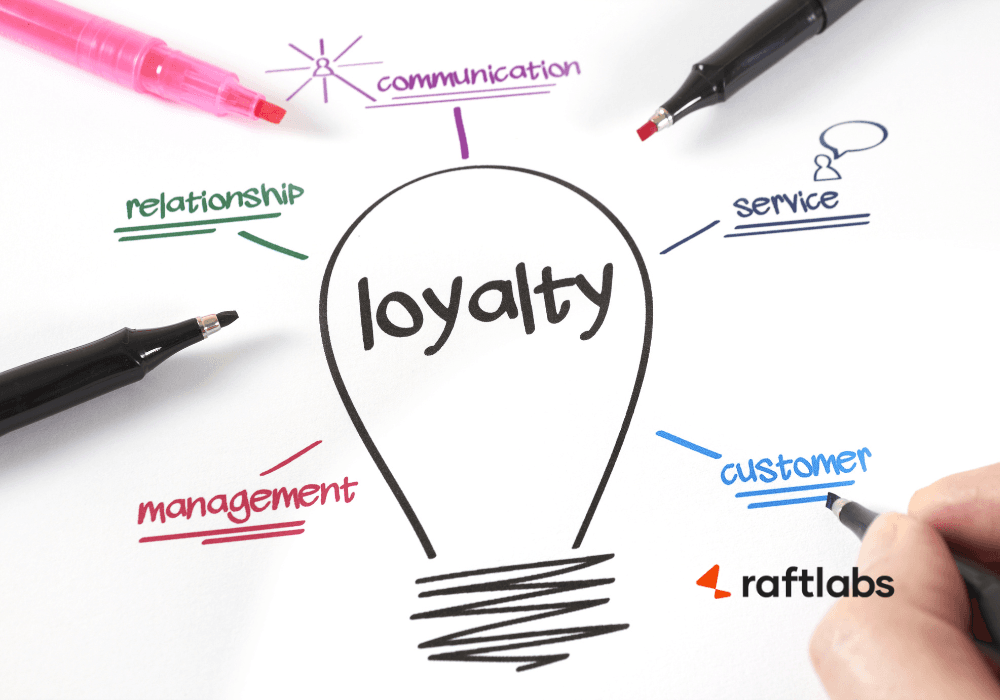
Loyalty · Retail

1,062 users in 4 weeks

SuperValu & Centra loyalty platform with receipt validation

SaaS · Logistics

2,000+ shipments yr 1

Multi-carrier shipping hub for Indonesian eCommerce

4.9
on Clutch
See our work

The problem

Sound familiar?

  • Your claims team re-keying the same FNOL data from emails, portals, and phone notes into your system of record, every single intake?

  • Underwriting data collection from CLUE, MVR, and third-party sources taking days and pulling attention away from actual risk assessment?

Short answer

RaftLabs builds autonomous AI agents for insurance workflows: FNOL intake, underwriting data extraction, claims status, policy renewal reminders, fraud signal flagging, and subrogation identification. Unlike rule-based automation, these agents take actions end-to-end across multiple data sources, apply configurable decision logic, and escalate to human reviewers at defined checkpoints. Most insurance AI agent projects deliver in 10-14 weeks at a fixed cost, with architecture following insurance compliance requirements including data handling controls and full audit trails.

Key takeaways

  • FNOL intake agents accept input from email, web portal, and phone transcripts, producing a consistent structured claim file regardless of inbound channel.
  • Underwriting data agents run parallel bureau retrieval (CLUE, MVR, credit, property databases) and assemble a structured package the moment all sources return.
  • Fraud signal flagging agents surface transparent, explainable risk signals rather than a black-box score, so SIU reviewers know exactly what to investigate.
  • A focused agent covering one workflow and one system integration runs $35,000-$75,000; a multi-agent build across FNOL, underwriting, and claims status runs $75,000-$150,000.

Trusted by

Vodafone logo
Aldi logo
Nike logo
Microsoft logo
Heineken logo
Cisco logo
Calorgas logo
Energia Rewards logo

Insurance AI agent delivery, by the numbers

products shipped
100+
cost delivery
Fixed
week delivery
10-14

AI agents that act, not just answer

Agents fix the half-finished-workflow problem by owning it end-to-end, with defined escalation logic for the exceptions that genuinely need a human. Each agent does one insurance workflow well; integration with your policy administration system and claims platform is scoped during discovery, where most projects find their real complexity.

Capabilities

What we build

  • 01
    FNOL intake agent

    Extracts structured FNOL data from email, portal, or phone transcript, validates against the policy record, creates the claim, and routes it to the right adjuster queue.

    Built with
    LangGraph
  • 02
    Underwriting data extraction agent

    Runs parallel CLUE, MVR, credit, and property database retrieval, assembling a structured underwriting package the moment all sources return.

  • 03
    Claims status agent

    Answers policyholder status enquiries in plain language from live claims data, and sends proactive updates at defined workflow trigger events.

  • 04
    Policy renewal reminder agent

    Drives personalised, compliance-checked renewal outreach across the pre-renewal window, escalating coverage questions to a human.

  • 05
    Fraud signal flagging agent

    Aggregates configurable fraud indicators into a transparent risk score, routing high-risk claims to SIU with the specific signals that triggered the flag.

  • 06
    Subrogation identification agent

    Reviews claim narratives at defined lifecycle points to flag recovery-worthy cases for professional review, never determining liability itself.

How we work

From scope to live insurance agent

  1. Week 1
    01

    Workflow and system scoping

    We map your target workflow, systems, and where your team is losing time. You leave week 1 with a written scope document and a fixed-price quote.

  2. Weeks 2-4
    02

    Integration and escalation design

    System integrations, decision logic, and human-in-the-loop checkpoints designed against your compliance requirements.

  3. Weeks 5-11
    03

    Build and integrate

    The agent workflow built as a directed graph with explicit state transitions, tested against real claim and submission scenarios.

  4. Final 2-3 weeks
    04

    Launch and team training

    Claims and underwriting teams trained on the escalation workflow before full rollout.

Why us

Why insurers and MGAs choose RaftLabs

  • 01
    Senior engineers build what they scope

    The engineers who assess your workflow also build the solution. No bait-and-switch, no offshore handoff after the contract is signed.

  • 02
    Fixed price before development starts

    We scope the work, calculate the cost, and lock it in writing before any development starts.

  • 03
    9 years and 100+ products shipped

    Clients include Vodafone, T-Mobile, Aldi, Nike, Cisco, and Lockheed Martin. Track record building AI agent and insurance platforms.

  • 04
    We don't start a build we haven't scoped

    The scoping document defines the workflow state machine, integration points, and escalation logic before any code is written.

  • 05
    Compliance documentation ships with the software

    A data flow diagram, controls inventory, and audit trail specification are delivered alongside the working system.

Have an insurance AI agent project?

Tell us the workflow you want to automate, the systems you run on, and where your team is losing time to work an agent should handle. We'll scope what it takes and give you a fixed cost.

AI Agents for Insurance, scoped in one call.

Tell us what's broken. Within one business day you get a straight take on cost, timeline, and the right first step. No deck, no pressure.

Stay on topic

More on fintech

Frequently asked questions

RPA follows fixed rules on structured data and breaks when formats change. AI agents handle unstructured variation because the LLM reads intent and content, not just field positions. Agents can also take multi-step actions across systems: validate a policy number, create a claim record, route it to the right adjuster, and send acknowledgement as one end-to-end workflow with the full state tracked and auditable.

Every action the agent takes is logged: what data it retrieved, what decision it made, what it wrote to the system of record, and when. Standard consumer API terms for LLM providers do not include the data processing agreements required for policyholder data in regulated markets, so we confirm appropriate DPAs are in place before any policyholder data flows to an LLM API. Human-in-the-loop checkpoints are mandatory for high-stakes decisions.

We integrate with systems that expose REST APIs or SOAP web services, including Guidewire PolicyCenter and ClaimCenter, Duck Creek Policy and Claims, and Applied Epic. Bureau data including CLUE and MVR is accessed via LexisNexis, ISO, or state-specific aggregators. Integration complexity is the single biggest variable in project scope, so we confirm API access and sandbox environments during discovery.

A focused insurance AI agent covering one workflow, one system integration, defined escalation logic, and compliance-aware architecture typically runs $35,000 to $75,000 and delivers in 10-14 weeks. A multi-agent build covering FNOL intake, underwriting data extraction, and claims status with integrations to a policy admin system and claims platform typically runs $75,000 to $150,000.

Yes. For email, the agent monitors a designated inbox and runs extraction against the email body and attachments. For web portal submissions, it receives a webhook or polls the portal API. For phone transcripts, it extracts FNOL fields from unstructured conversational text. Each channel feeds the same downstream validation and routing workflow, producing a consistent structured claim file.

Work with us

Tell us what you need. We'll tell you what it would take.

We scope AI Agents for Insurance in 30 minutes. You walk away with a clear cost, timeline, and approach. No commitment required.

  • Scope and cost agreed before work starts. No surprises. No obligation.
  • Working prototype within 3 weeks of kickoff.
  • Pay by milestone. You see progress before each invoice.
  • 60-day post-launch warranty. Bug fixes, UI tweaks, and deployment support. No retainer.
  • All conversations are NDA-protected.