














Telepsychiatry Software Development

Telepsychiatry software built around the clinical workflow, not just the video call.

The specific failure mode of general telehealth platforms in psychiatry is that they handle the video but nothing else. Psychiatrists need validated outcome measures collected and scored before they open the case, group therapy infrastructure that meets HIPAA requirements, and a prescription workflow, including controlled substances under DEA EPCS requirements, without switching applications mid-session. We build telepsychiatry platforms around these clinical requirements.

  • HIPAA-compliant video with encrypted sessions, waiting room management, and audit logging

  • Validated outcome measures (PHQ-9, GAD-7, PCL-5, MDQ) embedded in pre-session intake and session workflows

  • Group therapy video infrastructure with up to 20 concurrent participants and facilitator controls

  • Prescription management integrated within the session workflow, including EPCS for controlled substances

Bring the problem, the current workflow, or the existing code. We reply with a practical next step within one business day.

Trusted by

Vodafone logo
Aldi logo
Nike logo
Microsoft logo
Heineken logo
Cisco logo
Calorgas logo
Energia Rewards logo
GE logo
Bank of America logo
T-Mobile logo
Valero logo
Techstars logo
East Ventures logo
TuneClub logo

The brief

Start with what is not working.

Good software decisions begin with the constraint, not a list of features or a preferred technology.

01

Using a general video platform that has no way to administer PHQ-9, GAD-7, or PCL-5 during or before the session, leaving providers to collect outcome data manually?

02

No infrastructure for group therapy sessions in your telehealth platform, meaning group programmes run on consumer video tools that don't meet HIPAA requirements?

Plain answer

RaftLabs builds telepsychiatry software for behavioural health practices, digital mental health companies, and health systems. We develop HIPAA-compliant video consultation infrastructure, validated outcome measure integration (PHQ-9, GAD-7, PCL-5, MDQ), secure provider-to-patient messaging, group therapy video capabilities, and prescription management workflows connected to the telehealth session. Most telepsychiatry platform builds deliver in 12-16 weeks at a fixed cost.

What to remember

  • Waiting rooms are built so patients never see each other's presence, unlike consumer video tools where participants can see the waiting room list, a material HIPAA-relevant difference.
  • Group therapy join links are unique per participant per session, so membership is enforced and patients can't share links to add unregistered participants.
  • EPCS transmission for controlled substances requires DEA-compliant two-factor authentication and routes through a registered intermediary, with every transaction logged for the DEA audit trail.
  • A focused MVP (video, PHQ-9/GAD-7 intake, messaging, basic prescribing) runs $50,000-$90,000; group therapy, EPCS, and EHR integration bring a full platform to $90,000-$180,000.

The video connects. Then the psychiatrist is on their own.

A psychiatrist opens a session on a general telehealth tool. The video works. But the PHQ-9 and GAD-7 were never collected, so there is no baseline to read against. The prescription lives in a separate application, and the controlled-substance workflow does not meet EPCS. Down the hall, group programmes run on consumer video that was never built for HIPAA.

The video was the easy part. Everything a psychiatric session actually needs sits outside the call.

That is the gap we build around.

We build telepsychiatry platforms around these clinical requirements. The outcome measures feed into the provider's session view with scores already calculated, group therapy rooms have facilitator controls appropriate to clinical settings, and the prescription workflow lives inside the platform, not in a separate tab. RaftLabs has a track record building HIPAA-compliant clinical platforms. The team that scopes your clinical programme is the team that builds it, no handoff after the contract is signed, and a fixed price locked in writing before any development starts.

This works when the clinical workflow around the video is the hard part.

Everything on the left should already be true for your practice. Even one thing on the right, and a general telehealth tool is likely the smarter first step.

A fit
01

You run a behavioural health or psychiatric practice, a digital mental health company, or a health system with active telehealth volume.

02

You need validated outcome measures (PHQ-9, GAD-7, PCL-5, MDQ) collected and scored inside the clinical workflow, not on paper afterwards.

03

You prescribe, including controlled substances that require EPCS, and want it handled inside the session rather than a separate application.

Not a fit
01

You only need a video call, with no outcome measures, group infrastructure, or prescribing around it.

02

You have no HIPAA obligation and consumer video tools already meet your needs.

03

You want an off-the-shelf platform to configure yourself, not a custom build scoped to your clinical programme.

What we build

Everything a psychiatric session needs, inside one platform.

  • 01
    HIPAA-compliant video infrastructure
    Built on Twilio and Daily.co. Waiting rooms hold patients in a compliant queue where they never see each other's presence, with post-session notes writing back to the EHR via FHIR R4 DocumentReference.
  • 02
    Validated outcome measures
    PHQ-9, GAD-7, PCL-5, and MDQ appear pre-scored in the provider's session view, stored as LOINC-coded FHIR Observation resources for structured EHR export.
  • 03
    Group therapy infrastructure
    Up to 20 concurrent participants with facilitator-only muting and removal controls, unique per-participant join links, and separately enforced group-level versus individual clinical notes.
  • 04
    Secure messaging
    End-to-end encrypted provider-patient messaging with structured safety planning documents and patient digital acknowledgment retained on the clinical record.
  • 05
    Prescription management
    Built on Surescripts and DrFirst. Prescribing happens inside the consultation dashboard, with EPCS two-factor authentication for controlled substances and automated medication reconciliation against the EHR.
  • 06
    Compliance and privacy architecture
    42 CFR Part 2 data segmentation for substance use records, state-specific mental health privacy rules, and role-based minimum necessary access enforcement.

Have a telepsychiatry project?

Tell us your clinical programme structure, individual, group, or both, your prescribing requirements, and your current EHR environment. We'll scope the build.

How it works

From scope to live telepsychiatry platform

  1. Week 1
    01

    Clinical programme and prescribing scoping

    We map your clinical programme structure, prescribing requirements, and current EHR environment. You leave week 1 with a written scope document and a fixed-price quote.

  2. Weeks 2-5
    02

    Outcome measure and compliance design

    Outcome measure battery, group therapy consent model, and EPCS workflow designed against your regulatory requirements.

  3. Weeks 6-15
    03

    Build and integrate

    Video, outcome measures, and prescription management built in parallel, tested against real clinical scenarios.

  4. Final 2-3 weeks
    04

    Launch and clinical team training

    Providers trained on outcome tracking and EPCS workflow before full rollout.

What clients say

What our clients say

Three-year average engagement. Founders and operators describing the work in their own words. No marketing varnish.

Nuala C.
Nuala C.
Ireland flagIreland
Director, BrandFire
RaftLabs was outstanding at addressing our complex platform needs, delivering a stable, high-performance loyalty application that has been genuinely loved by the customers.

Where you land in that range depends on scope, not negotiation:

Focused MVP, $50,000-$90,000
HIPAA-compliant video, pre-session PHQ-9/GAD-7 intake, secure messaging, and basic prescription management, delivered in 12-16 weeks.
Full platform, $90,000-$180,000
Everything in the MVP, plus group therapy, EPCS for controlled substances, EHR integration, and 42 CFR Part 2 data segmentation.

What it costs

Telepsychiatry platforms, starting at $50,000.

A written scope and a firm quote in week 1, then a platform built around your outcome measures, group programme, and prescribing workflow.

Starting investment

Starts at $50,000

Priced by project, not by the hour. A focused MVP for individual sessions delivers in 12-16 weeks. Group therapy, EPCS, and EHR integration expand the platform once the MVP is live.

No hourly billing

Once we scope your first phase, that price is locked in writing. No hourly billing, no surprise invoices, no change fees you didn't agree to.

EPCS done right

DEA-compliant two-factor authentication and audit logging built in from day one, not retrofitted after a compliance review.

Useful next steps

More on healthcare

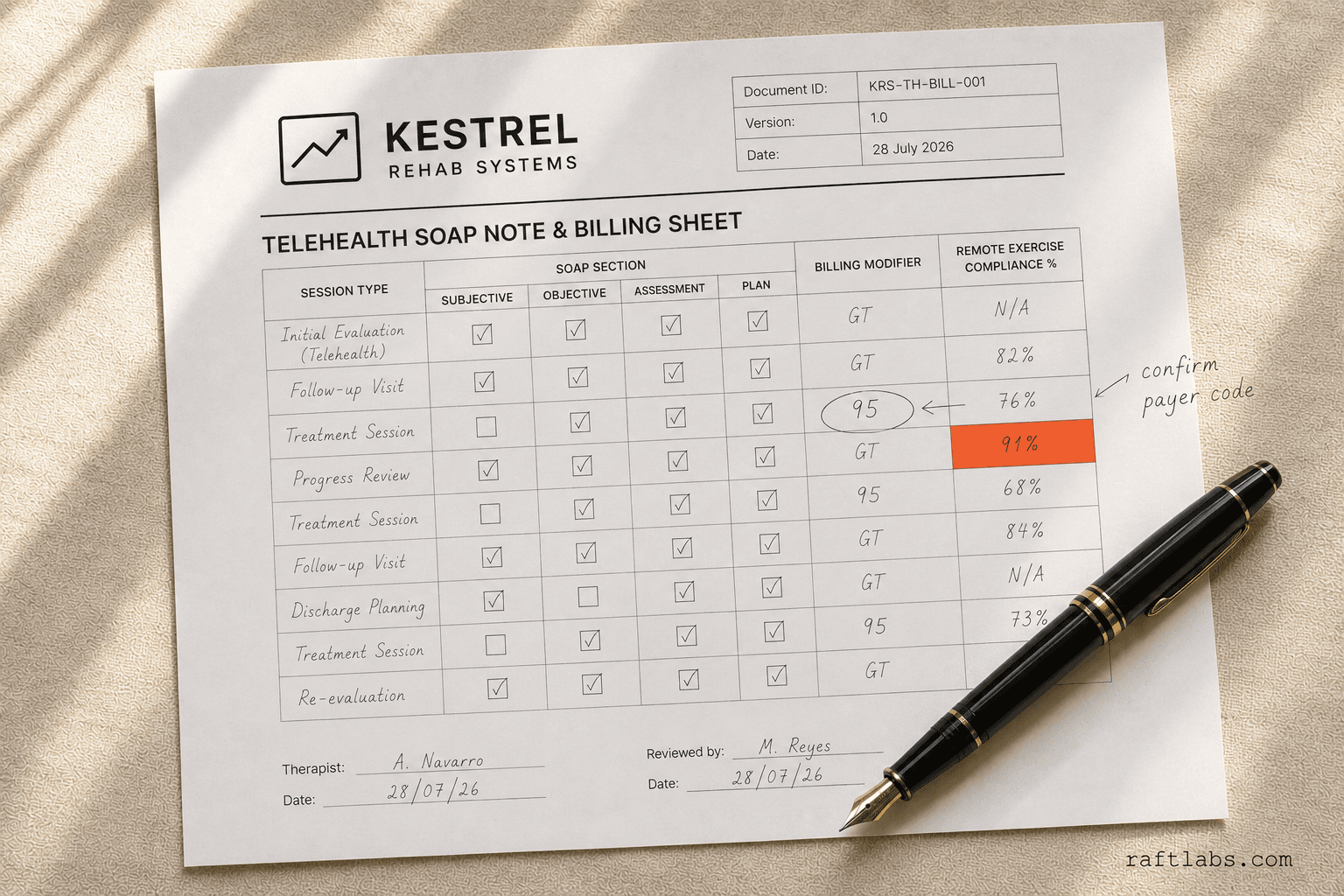
Physical Therapy Telehealth Software

Work with us

Physical Therapy Telehealth Software

See the service
Try it yourself

Try it yourself

HIPAA Compliance Checklist

30+ requirements, plain-English, filtered to what you're building.

Open the free tool
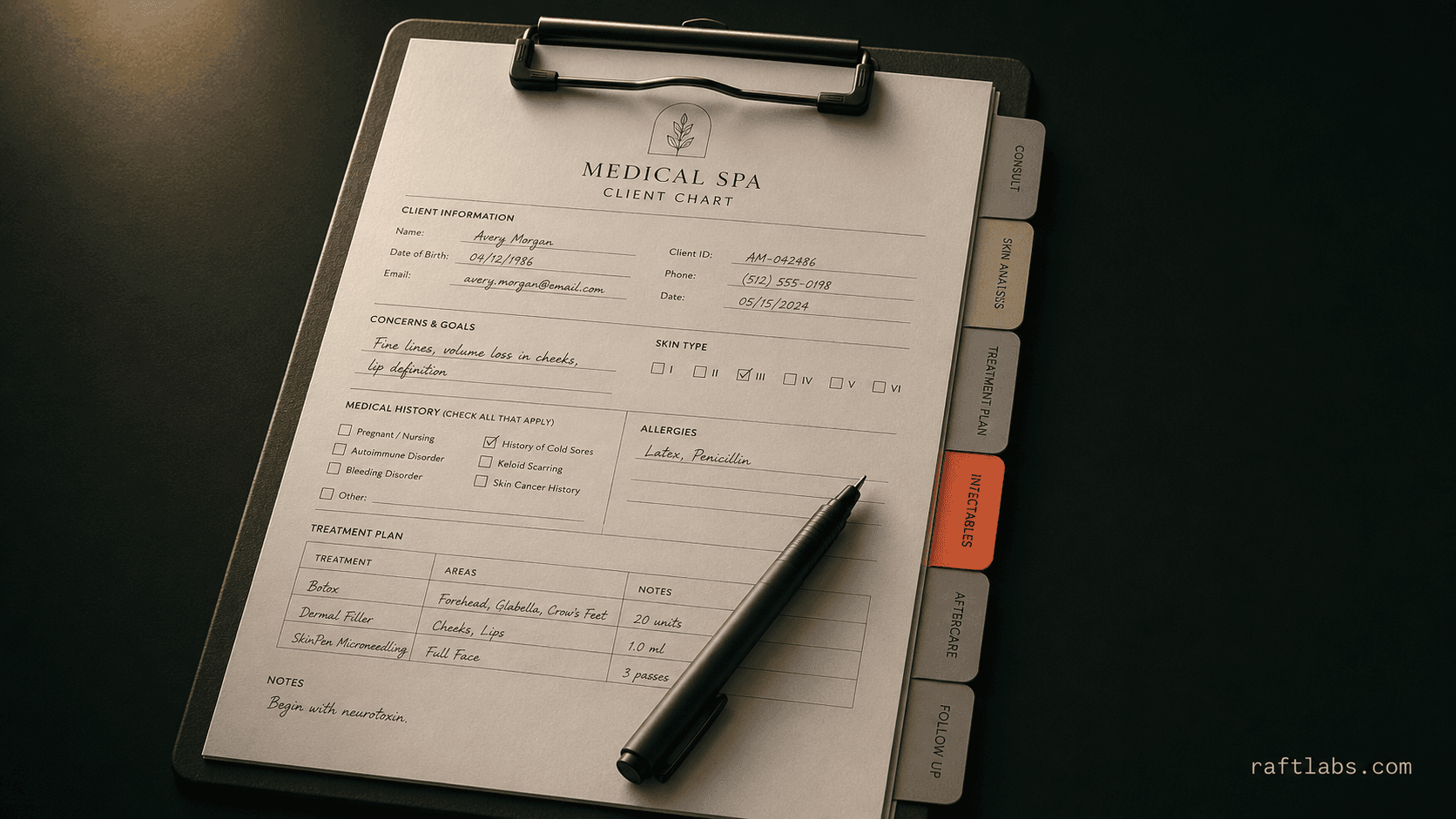
Medspa Management Software: Build vs. Buy for Multi-Location Chains (2026)

Article

Medspa Management Software: Build vs. Buy for Multi-Location Chains (2026)

Aesthetic Record costs up to $699/month per location. A 15-location chain pays over $125,000 a year for software that still cannot sync loyalty points across sites or generate a single roll-up P&L. Here is when custom medspa management software makes financial sense, what it costs, and what the first 90 days look like.

Read more
Apps Like WhatsApp: Timeline and What Drives the Price

Article

Apps Like WhatsApp: Timeline and What Drives the Price

How to build a messaging app like WhatsApp: secure messaging app development cost ($60K-$130K), build phases, clone solutions that break at scale, and what the first 90 days with RaftLabs looks like.

Read more
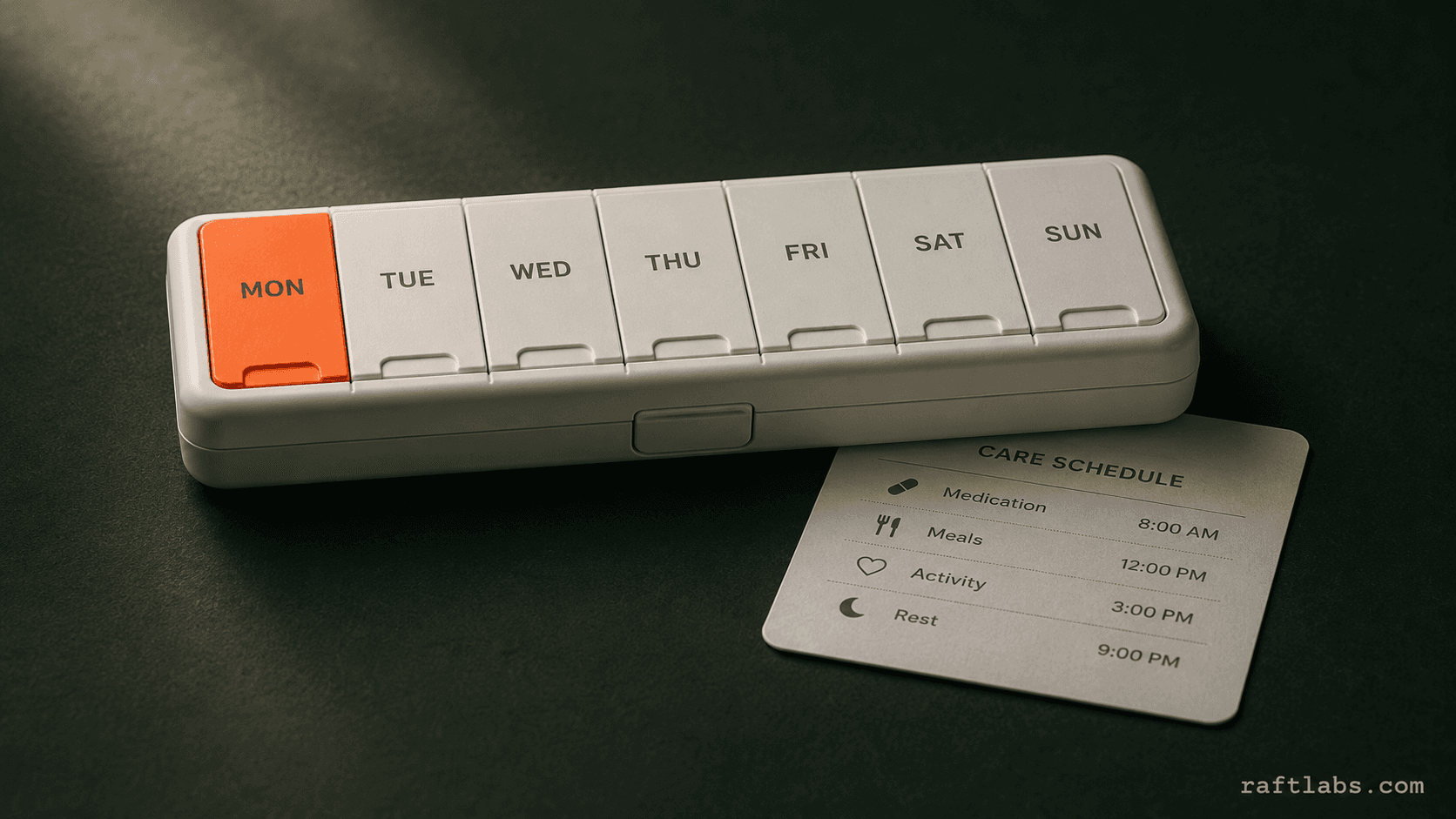
Senior Care Management Software: Build vs. Buy for Assisted Living Operators

Article

Senior Care Management Software: Build vs. Buy for Assisted Living Operators

MatrixCare and PointClickCare work fine until they don't. Here is when operators with 10+ facilities need to stop paying six-figure SaaS bills and build something that actually fits how they run care.

Read more
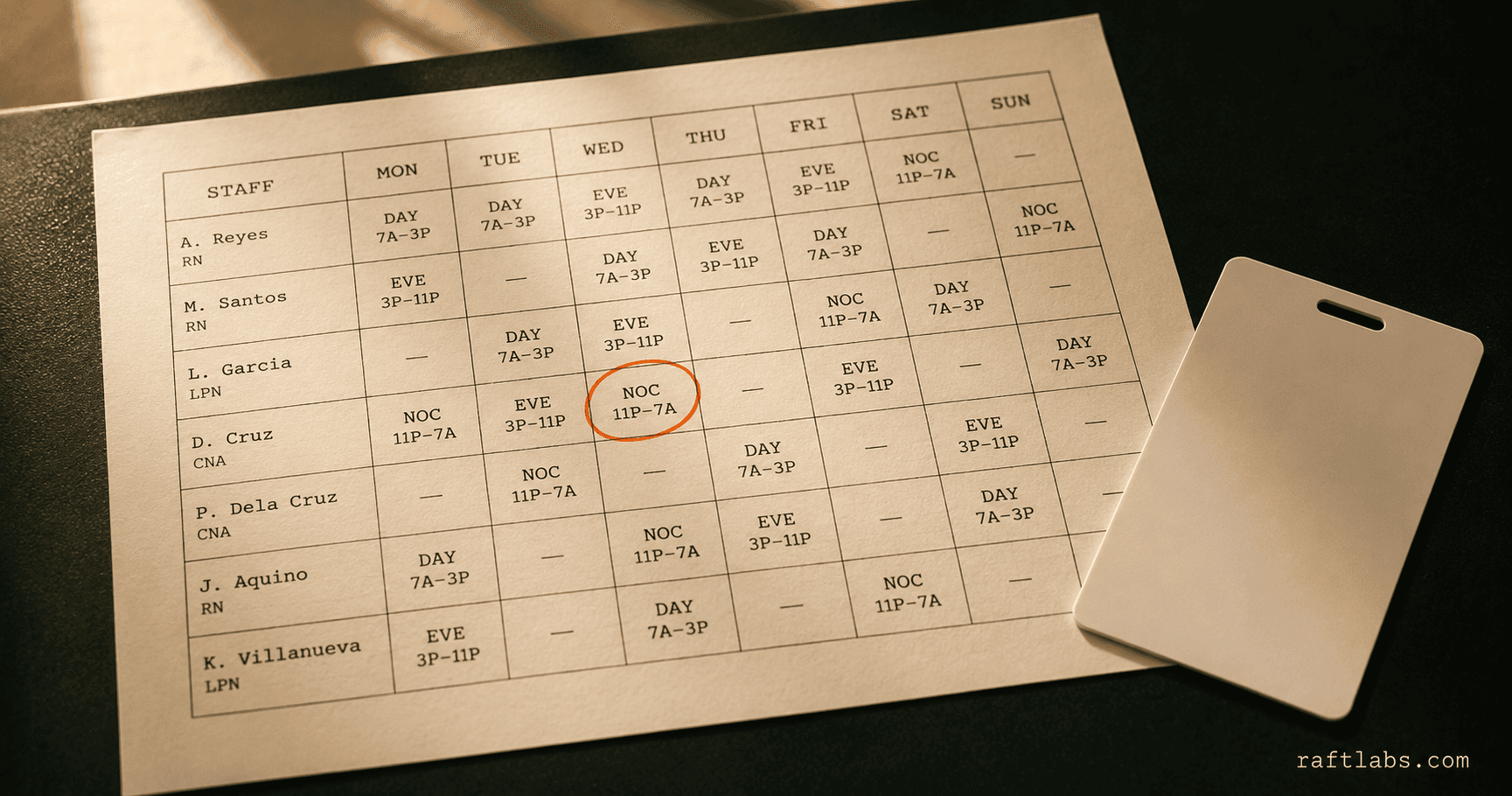
Healthcare Workforce Scheduling Software: When to Build Custom vs. Buy

Article

Healthcare Workforce Scheduling Software: When to Build Custom vs. Buy

7shifts and Deputy are built for restaurants. Kronos UKG starts at $20,000 per year. If you run a hospital, a home health agency, or a healthcare staffing firm and your scheduling needs include credential verification, nurse-to-patient ratio compliance, and overtime rules tied to FLSA, here is when building custom workforce scheduling software makes financial sense.

Read more

Frequently asked questions

A focused MVP with HIPAA-compliant video, pre-session PHQ-9/GAD-7 intake, secure messaging, and basic prescription management typically runs $50,000-$90,000 and delivers in 12-16 weeks. A full-featured platform with group therapy, EPCS, EHR integration, and 42 CFR Part 2 data segmentation typically runs $90,000-$180,000.

PHQ-9, GAD-7, PCL-5, MDQ, AUDIT-C, DAST-10, CAGE-AID, Columbia Suicide Severity Rating Scale, and condition-specific instruments used in your practice, with automated scoring stored as FHIR Observation resources with LOINC codes.

EPCS requires two-factor authentication, a knowledge factor plus a biometric or hardware token, before each controlled substance prescription is transmitted through a DEA-registered intermediary like Surescripts or DrFirst, with every transmission logged for the DEA audit trail.

Yes, but it requires purpose-built infrastructure: a BAA with the video provider, end-to-end encrypted media, waiting room management preventing participants from seeing each other, facilitator-only controls, and unique non-shareable join links per participant per session.

Work with us

Tell us where the work is stuck.

Bring the rough workflow, half-built product, or messy brief. We will map the smallest useful first move, then send scope, timeline, and price in plain English.

  • Scope and cost agreed before work starts. No surprises. No obligation.
  • Working prototype within 3 weeks of kickoff.
  • Pay by milestone. You see progress before each invoice.
  • 60-day post-launch warranty. Bug fixes, UI tweaks, and deployment support. No retainer.
  • All conversations are NDA-protected.