The recall she booked before she left the chair.
A patient loyal to one dentist follows that dentist to a new practice. A patient loyal to the practice comes back every six months, whoever is in the chair, and refers friends to the practice rather than the person. A loyalty program is what builds the second kind.
She finishes a routine check-up. The appointment is marked complete in the practice management system, and before she reaches the front desk her account has already earned, with no one keying anything in. On her phone, the recall reward is worth enough that booking the next six-month visit now, rather than when a tooth starts to hurt, is the obvious move. She books it from the app and leaves.
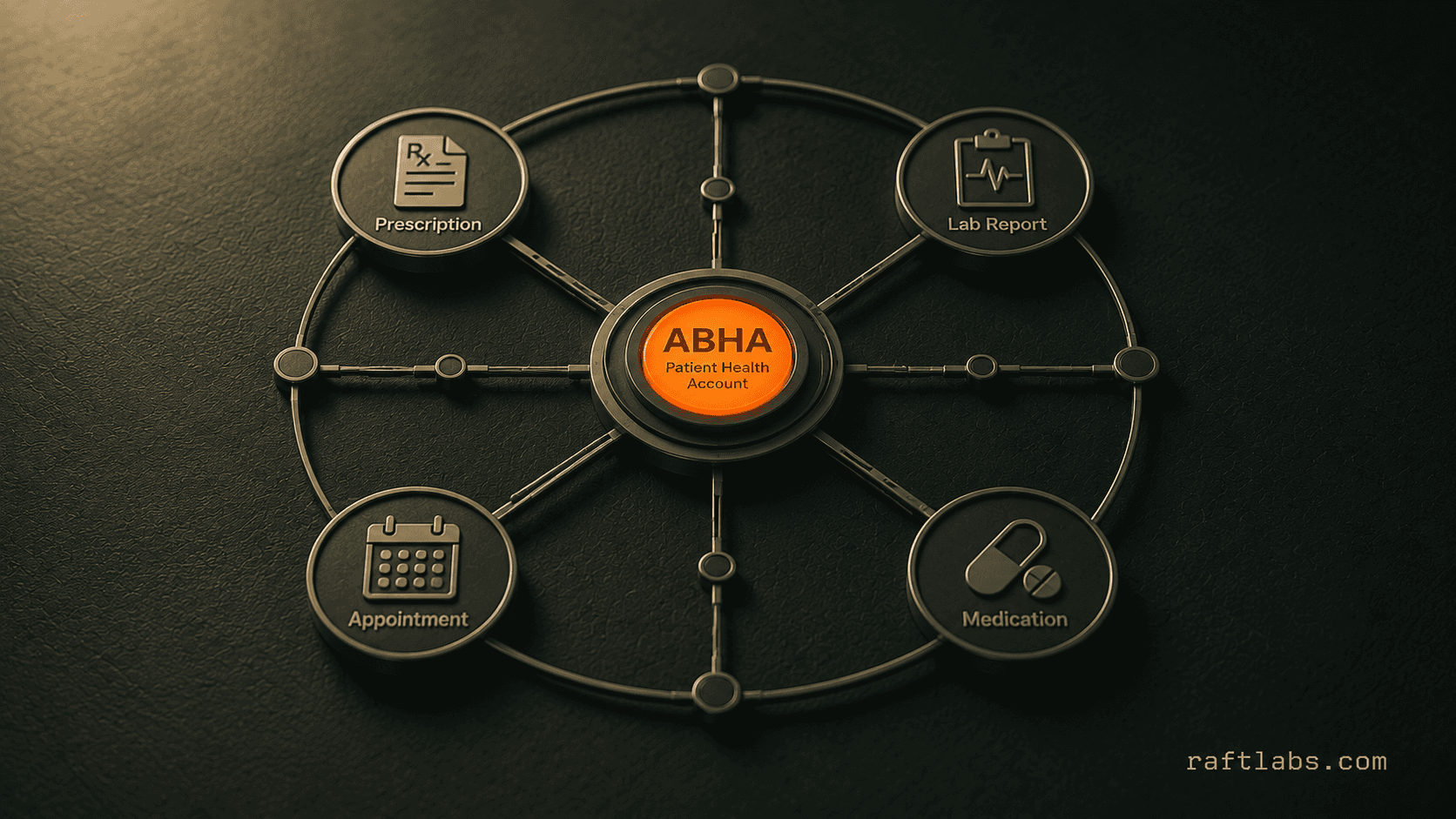
That single rebooking is the visible edge of the platform. Underneath it: earn triggered by a clinical event rather than a purchase, a reward priced to reinforce the visit you actually want, and member data handled to HIPAA standards from the first appointment on.
The failure mode for healthcare loyalty is a rewards program that has nothing to do with why patients come back. Points for buying branded merchandise, discounts on optional add-ons, a punch card that fills up in four years at a twice-yearly dentist. The program runs in parallel with the clinical relationship, affects nothing, and gets cancelled when no one can explain what it achieved.
Healthcare loyalty works when the earn trigger is a clinical event, when the reward reinforces the behaviour you want, and when the mechanics match the clinical rhythm of the relationship. A dental practice wants to see patients every six months. The program should reward the six-month recall appointment at a rate that makes rescheduling immediately after the visit feel financially rational. A wellness brand wants daily engagement. The program should create a reason to open the app on a day without an appointment.
Research by Bain & Company, published in Harvard Business Review, found that a 5% lift in customer retention raises profits by 25% to 95% (Reichheld, Bain & Company). Healthcare feels that twice over. A patient who lapses is lost revenue and a missed checkup, and winning one back costs far more than holding onto the patient already in your book.
RaftLabs has built digital engagement and loyalty platforms handling hundreds of thousands of active members. We understand how to design the commercial mechanics before designing the platform.
This pays off when return visits already drive revenue.
Everything on the left should already be true for your practice or health system. Even one thing on the right, and a custom program is the wrong spend right now.
A fit01Return visits already drive your revenue: dental, optometry, or physiotherapy recall, or a wellness brand that needs regular bookings.
02Enough patient volume for a program to move real revenue, with an EHR or practice management system to integrate against.
03You want to reward clinically beneficial behaviour, recall visits, preventive care, wellness goals, not just spend.
Not a fit01Multiple locations running different, unconnected EHR or practice management systems.
02Occasional, one-off treatments with no clinical reason for patients to return on a schedule.
03No budget for a custom build in the $45,000+ range.
What we build
A member platform that reads the clinical calendar.
What patients see is a points balance and a recall nudge. What runs underneath aligns the reward with the behaviour that is good for them.
01Visit-based earn from your PMS or EHR
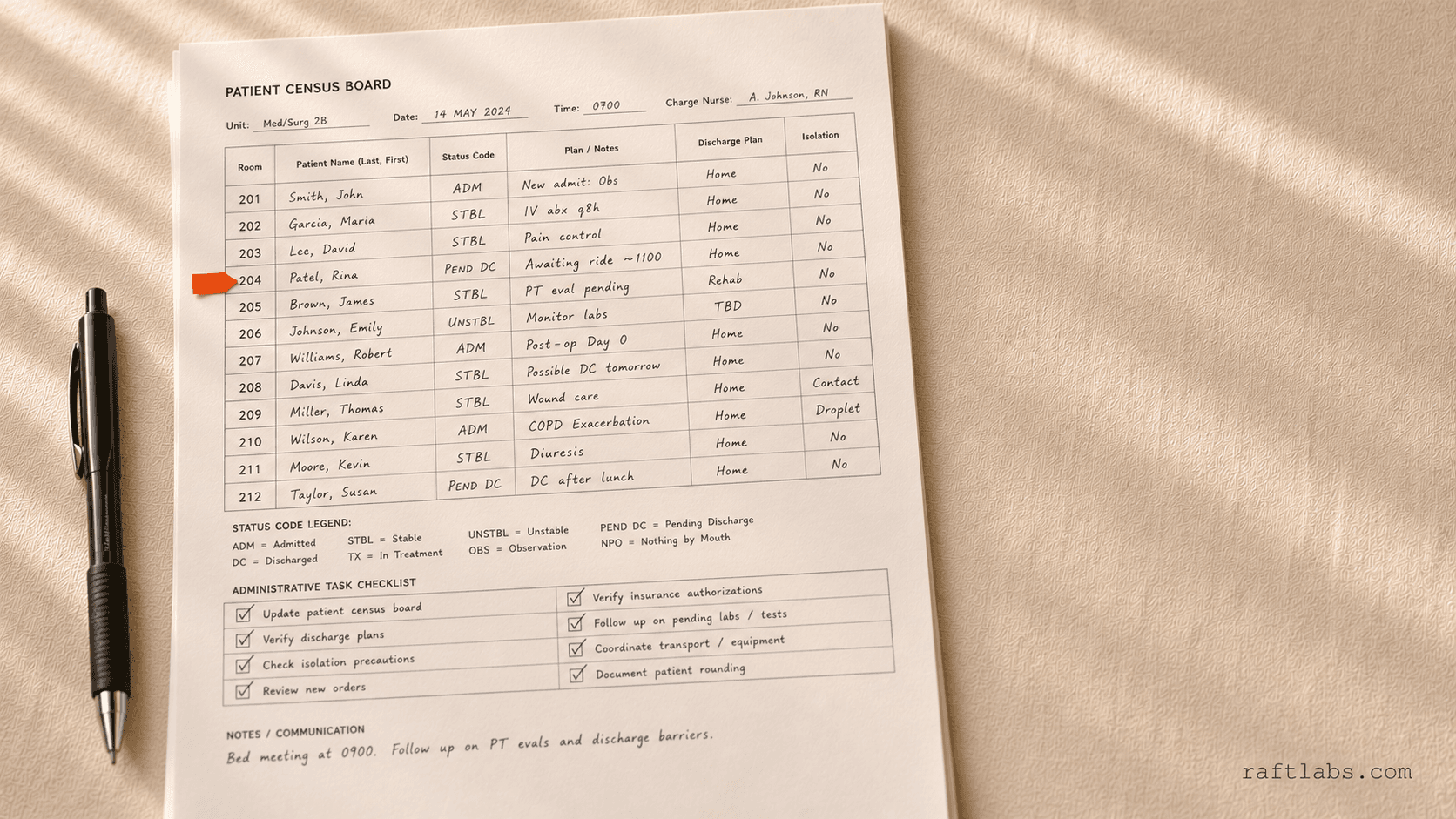
Earn triggers configured against appointment completion events from your practice management system or EHR, with no front desk involvement, the patient completes their appointment, the system fires an event, and the account is credited automatically. Earn rates are configurable by appointment type, and a patient's account spans every location in your network.
02Preventive care incentive programs
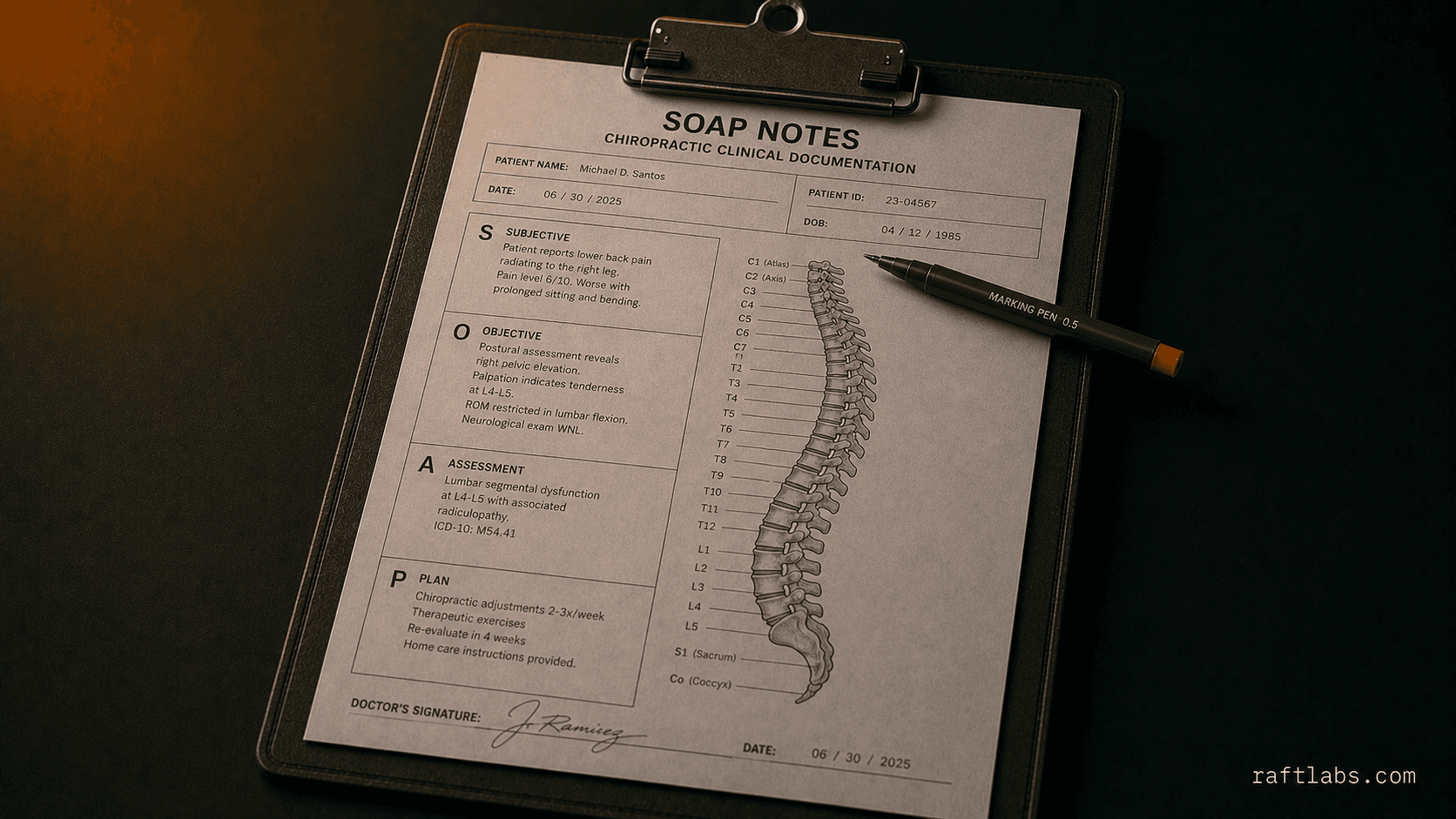
Bonus earn mechanics built around clinical prevention goals: annual checkups earn at a higher rate than reactive care, vaccination schedules reward milestone completion, and health screenings for mammogram, colorectal, eye, and dental hygiene earn on the recommended schedule. Earn rates are modelled against your appointment data and prevention goals before launch.
03Wellness challenge programs
Configurable challenge mechanics for wellness brands and health system programs: step challenges with daily targets and weekly leaderboards, weight management with milestone rewards, quit-smoking streaks with rising reward tiers, mental health mood logging, and annual health goal tracking. Challenges are configured in the admin panel without a code deployment.
04Patient retention programs for recall practices
Designed specifically for dental, optometry, and physiotherapy practices where recall frequency drives revenue. Recall rewards make rescheduling immediately after a visit feel financially rational, lapsed-patient reactivation targets those who have not attended in 12 or 18 months, and family account linking covers children's appointments under a parent's membership.
05HIPAA-compliant member data handling
PHI encrypted at rest and in transit, with Business Associate Agreements signed with every infrastructure vendor before PHI flows to them. Role-based access and a complete audit trail meet HIPAA Security Rule requirements, and no PHI reaches third-party analytics or marketing tools without a signed BAA. The compliance architecture is documented in week one and reviewed by your legal team.
06Member app and patient-facing portal
Branded iOS and Android apps with your visual identity showing points balance, appointment history, reward catalogue, and challenge progress. Push notifications cover appointment reminders, earn confirmations, challenge milestones, and reward expiry, and patients can book their recall appointment from within the app via deep link to your PMS.
Every one of these is modelled against your own appointment data before launch, not shipped as a template earn rate.
A healthcare program we shipped
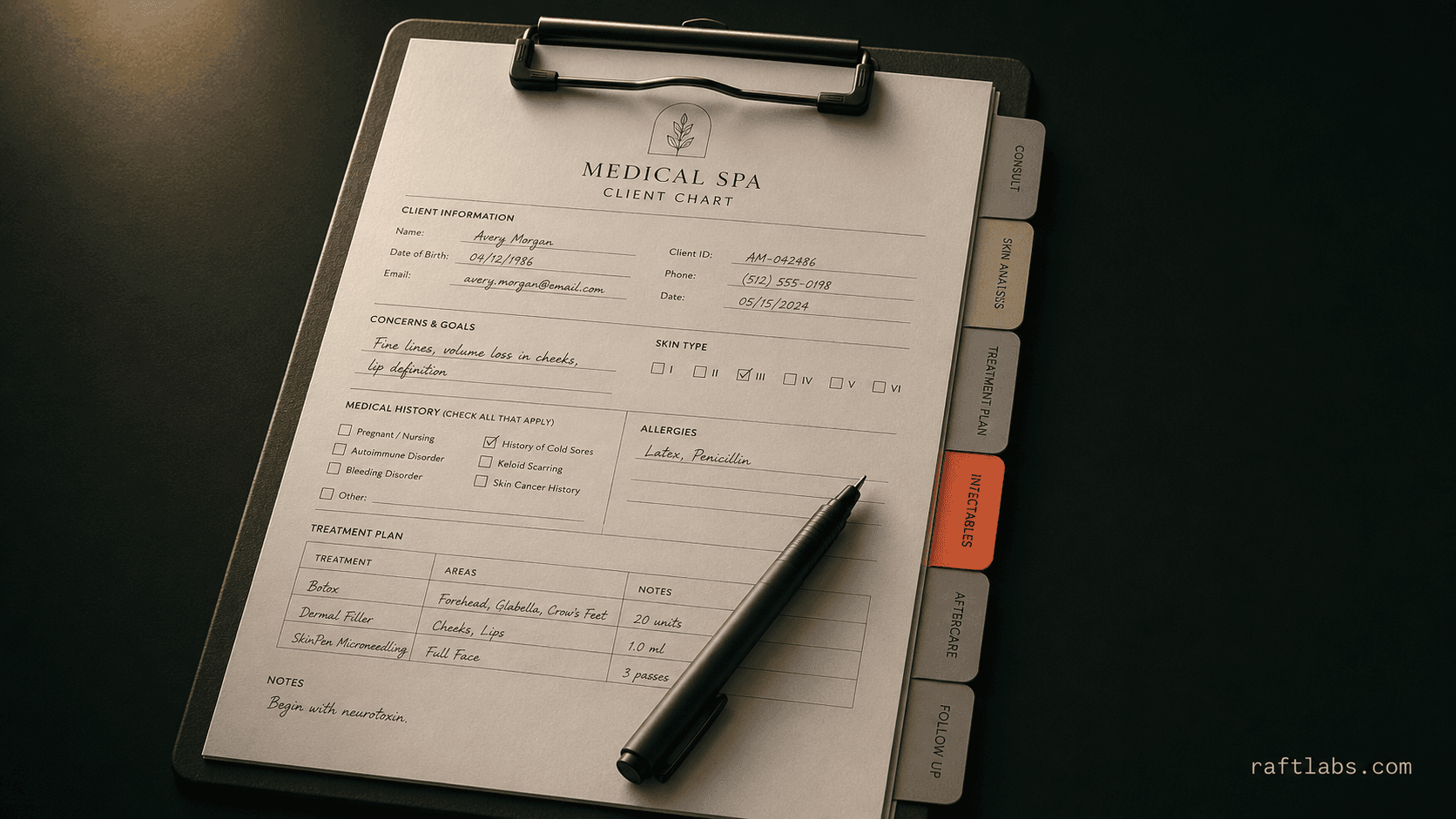
Bella Skin Institute, a medical spa loyalty program.
Dr. Anna Guanche's board-certified dermatology practice in Calabasas, California. A medical spa membership is the nearest neighbour to a dental or wellness recall program: treatments run on a clinical cadence, and the reward has to earn the next visit rather than the last sale.
- Concept to launch
- 12 weeks
- iOS and Android from a single Flutter codebase
- QR earn at checkout
- Under 15 sec
- Points credited without slowing the front desk
- Expiry reminders
- 28 and 7-day
- Timed to pull the next booking forward before points lapse
We tuned the earn and expiry to a real three-to-six-month treatment gap, not a template rate. The mechanics that reinforce a dermatology visit are the same ones that reinforce a dental recall or a wellness rebooking.
Acquisition fills the schedule once. Retention fills it on a rhythm.
Tell us your recall rate, your appointment mix, and the preventive-care goals you want to move. We design the commercial mechanics before the platform.
How it works
From clinical calendar to live program.
Discovery and compliance come first, mechanics are modelled against your own data, and earn is wired to the appointment.
- Week 1
01Discovery and compliance architecture
We assess the integration approach for your EHR or practice management system and produce the compliance architecture document, reviewed by your legal team before any development starts. Every platform is scoped before pricing.
- Step 02
02Mechanics design
Earn rules, preventive care incentives, and tier structures modelled against your own appointment data, so the clinical goal and the commercial goal line up before any code is written.
- Step 03
03Build, integrate, and launch
Earn triggered on appointment-completion events from your PMS or EHR, tested against real appointment flows, and credited to the member account without any front desk step.
The return on a patient retention program is not a mystery. It is three numbers: the recall rate you have now, the rate a well-priced reward can realistically move it to, and the revenue a recovered visit is worth. Work it in that order and you know whether a custom build pays for itself.
Take a dental group as a worked example. Say 40 percent of patients book their six-month recall before they leave the chair, and the rest drift into reactivation. If a recall reward priced to feel worth it lifts that pre-booking rate to 55 percent, every hundred patients locks in fifteen more recalls per cycle. Multiply by two cycles a year and the average value of a hygiene visit, and that is the program's gross contribution. You subtract the build cost once, because you own the platform outright with no per-member fee, and the recovered visits keep compounding after that.
Put your own recall rate, your own visit value, and your own patient count through that same structure. If the recovered visits do not clear the one-time build inside roughly 18 to 30 months, a custom program is the wrong spend right now, and we will say so on the call.
Where you land in the cost range depends on scope, not negotiation:
- Patient retention program, $45,000-$75,000
- Visit-based earn from the PMS, a mobile app, and a basic rewards catalogue, for a dental group or allied health practice.
- Wellness engagement platform, $70,000-$110,000
- Challenge mechanics, device integration, and health goal tracking for a wellness brand or health system.
- Health system loyalty program, $100,000-$160,000
- EHR integration, preventive care incentives, multi-practice support, and advanced member analytics.
What it costs
One platform, starting at $45,000.
Visit-based earn, preventive care incentives, and the HIPAA-compliant data handling underneath, scoped to your practice or health system.
Member loyalty platforms charge per member and hold your data. This is a project you own outright. Start with the core earn mechanic, then expand the program as adoption grows, without paying a vendor per member along the way.
Starting investment
Starts at $45,000
Scoped before pricing, with full source code ownership, no per-member fees, and no platform dependency. Launch a validated v1 with visit-based earn wired to one PMS, prove that recall rebooking moves, then layer in preventive care and wellness as the program grows.
Ownership
Full source code ownership. The platform, the app, and your member data are yours, with no per-member fees and no platform dependency.
HIPAA compliance
The compliance architecture is documented in week one and reviewed by your legal team before development starts. PHI is encrypted at rest and in transit, with a signed Business Associate Agreement from every infrastructure vendor before PHI flows to them.