
AI system for remote patient monitoring
- 150+
- patients under monitoring in 12 weeks
- 20%
- reduction in clinical decision-making time
Healthcare AI Chatbot Development
Generic chatbot platforms can answer patient questions, but without scope controls and escalation design they can give clinically inappropriate responses that create liability and erode patient trust. We build healthcare chatbots with scope-limited response design: the chatbot handles what it's explicitly trained to handle, appointment queries, intake collection, care plan FAQ, medication reminders, and escalates to clinical staff for anything outside that scope.
HIPAA-compliant architecture with BAAs with all AI infrastructure providers
EHR integration for patient identification, appointment data, and care plan access
Clinical accuracy guardrails: scope-limited responses with clear escalation to clinical staff
Patient intake, symptom collection, and FAQ automation with consistent, auditable responses
Bring the problem, the current workflow, or the existing code. We reply with a practical next step within one business day.
Trusted by













The brief
Good software decisions begin with the constraint, not a list of features or a preferred technology.
Clinical staff spending significant time on patient FAQ calls, appointment rescheduling, and intake data collection that AI could handle consistently?
Generic chatbot platforms not meeting HIPAA requirements or unable to integrate with your EHR for appointment and patient data access?
Plain answer
RaftLabs builds HIPAA-compliant healthcare AI chatbots for patient intake, symptom collection, appointment scheduling, and clinical FAQ automation. Each chatbot integrates with your EHR via FHIR, handles PHI only under a signed BAA with full audit logging, and escalates anything clinical to staff. Launch a scoped v1 in 8-14 weeks at a fixed cost, then expand.
What to remember
A patient messages the practice at 9pm: "Can I move Thursday's appointment, and do I need to fast before my blood draw?" A generic chatbot answers both, and guesses at the second one. The guess is wrong, and now a clinically inappropriate response is sitting in your patient's inbox as liability.
A scoped chatbot reschedules the appointment against the EHR, and hands the fasting question to a nurse with the patient's context already attached. It handles what it was trained to handle, and escalates the rest.
That boundary is the product. The chat window is the easy part.
Generic chatbot platforms can answer patient questions. Without scope controls and escalation logic, they answer questions they were never meant to touch, and a clinically inappropriate reply becomes liability and lost patient trust. We build healthcare chatbots with scope-limited response design: the assistant handles appointment queries, intake collection, care plan FAQ, and medication reminders, then escalates to clinical staff for anything outside that boundary. Clear escalation matters as much as the conversation itself.
Patient expectations have shifted toward self-service. Accenture's Digital Health Consumer research found that most patients want digital options for routine tasks like scheduling, refills, and questions, much of it arriving outside clinic hours.
RaftLabs has shipped production software since 2015, including HIPAA-compliant healthcare platforms. The architecture is HIPAA-compliant by design: EHR integration via FHIR, round-the-clock coverage, and no PHI reaching any system without a signed BAA. The team that scopes your EHR and clinical workflows is the team that builds it, with a fixed cost locked in writing before development starts.
Proof
Everything on the left should already be true for your practice. Even one thing on the right, and a generic FAQ bot is the smarter first step.
Clinical staff spending significant time on patient FAQ calls, appointment rescheduling, and intake collection that follows the same logic every time.
An EHR with FHIR access (Epic, Cerner/Oracle Health, Athenahealth, Allscripts, or similar) to integrate against for patient identification and appointment data.
A clinical team ready to define scope, triage rules, and escalation logic, and infrastructure that supports a signed BAA.
You want the chatbot to diagnose, recommend prescription changes, or give medical advice beyond approved content.
No EHR or booking system to integrate with, and no plan to add one.
You need a generic FAQ responder with no PHI handling, HIPAA requirements, or clinical escalation.
What we build
Tell us the patient workflows you want to automate, your EHR system, and the clinical boundaries you need the chatbot to respect. We'll scope the right solution and give you a fixed cost.
How it works
We map the patient workflows you want to automate, your EHR system, and clinical boundaries. You leave week 1 with a written scope document and a fixed-price quote.
Triage rules and escalation logic defined with your clinical team and reviewed by a clinician before build.
Intake flows, FHIR integration, and HIPAA-compliant infrastructure built in parallel, tested against real clinical scenarios.
Clinical team reviews escalation logic and audit trail before full production rollout.
The closest proof we can point to is neighbouring healthcare AI work: a HIPAA-compliant remote patient monitoring platform we built for a US healthcare client. It shares the parts that matter for a chatbot, FHIR EHR integration, PHI handling under a BAA, and clinical workflow design.
Proof
Where you land in that range depends on scope, not negotiation:
What it costs
Scope-limited response design, EHR integration via FHIR, clinical escalation, and full PHI audit logging, launched as a validated v1 in 8-14 weeks.
Most practices start with a single, well-defined use case rather than a do-everything bot. Once it's live and trusted, we expand the scope to cover more of the patient journey.
Starting investment
Starts at $30,000
Launch a validated v1 in 8-14 weeks. Start with one use case, like appointment triage or symptom intake, and expand once it's handling real conversations safely. No PHI reaches any system without a signed BAA.
No hourly billing
Once we scope your first use case, that price is locked in writing, so there's no hourly billing and no invoice surprises. A scope change is a priced change request, agreed before work begins.
Clinician-reviewed
Triage rules are defined with your clinical team and reviewed by a clinician before build, and no PHI reaches any system without a valid BAA in place.
Useful next steps
Work with us
Dental Patient Communication Software Development
See the serviceTry it yourself
HIPAA Compliance Checklist
30+ requirements, plain-English, filtered to what you're building.
Open the free tool
Article
Cost to Build a Quick Commerce App Like Blinkit: Features and What Actually Ships
Real quick commerce app development costs, phased feature breakdown, and why Shopify delivery plugins and WooCommerce dark store plugins fail at scale. Built for grocery chains, pharmacy networks, and dark store operators.
Read more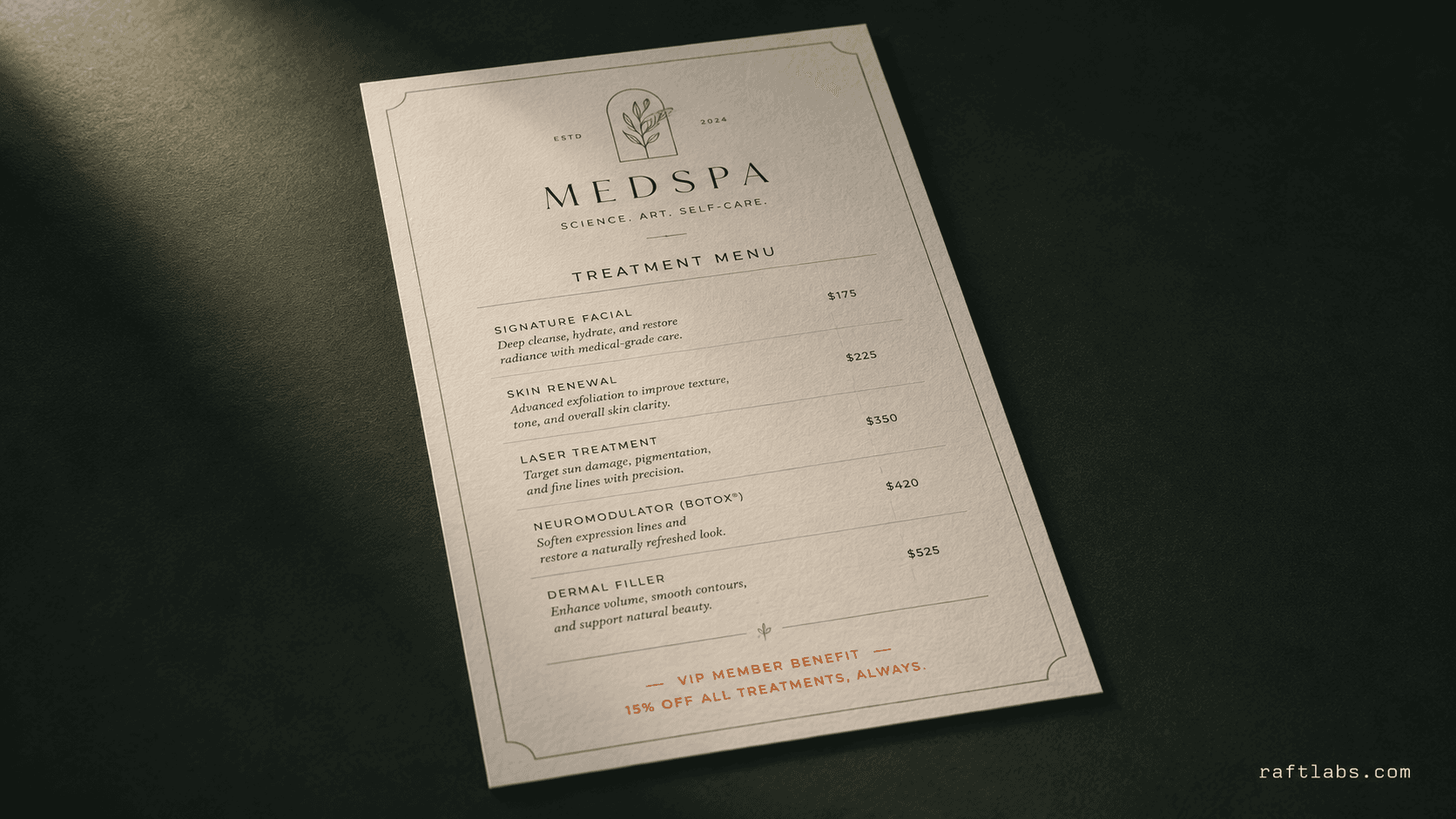
Article
Loyalty Programs for MedSpa Clinics
Loyalty programs for MedSpa clinics combine monthly subscription tiers with a points layer to create predictable recurring revenue and deeper client relationships simultaneously. A MedSpa loyalty platform reduces acquisition spend by activating word-
Read more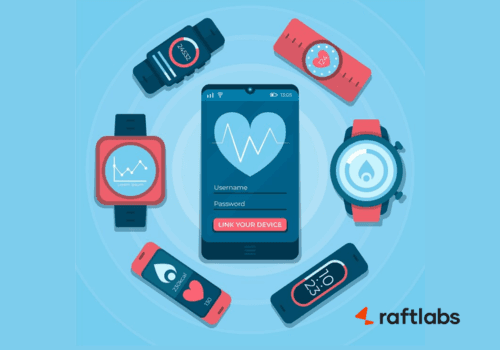
Article
Custom software development for healthcare with AI - what actually works
The digital health market is projected to reach $420 billion by 2026, yet 70% of healthcare digital initiatives fail. Here's what actually works - from managing 15+ legacy systems to building HIPAA-compliant software that cuts the 4.5-hour daily EHR burden on clinicians.
Read more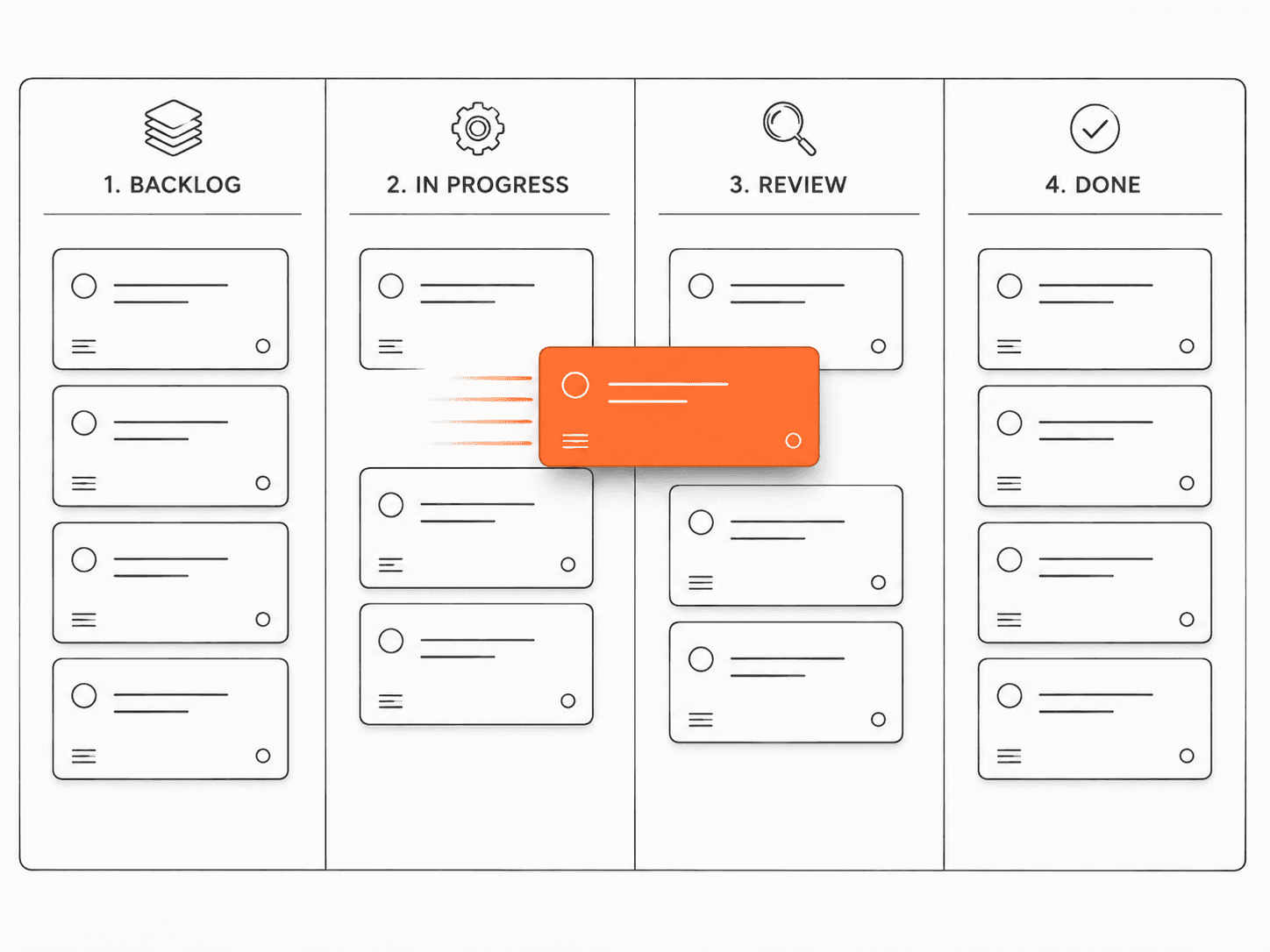
Article
Cost to Build a Project Management App Like Jira: Features and When to Go Custom
Real project management software development costs, phased feature breakdown, and a clear answer to when you should build custom instead of configuring Jira, ClickUp, or Monday.
Read moreChatbots handle appointment scheduling, administrative FAQ, structured intake collection, approved care plan FAQ, medication reminders, and post-visit check-ins. Clinical staff always handle advice beyond approved content, any symptom pattern flagged as potentially urgent, diagnosis or treatment questions, and any patient expressing distress or safety concerns.
HIPAA compliance requires BAAs with all vendors processing PHI including the LLM provider, encrypted handling throughout the stack, audit logging of PHI access, minimum necessary access, and patient identity verification before accessing PHI. The chatbot never sends PHI to a provider without a BAA in place.
We integrate with EHR systems providing FHIR R4 APIs: Epic, Cerner/Oracle Health, Athenahealth, Allscripts, Kareo, and most modern EHRs. For limited FHIR coverage, we integrate via HL7 v2 messaging or proprietary APIs where available.
A focused chatbot covering appointment scheduling, intake collection, and FAQ automation with EHR read integration typically runs $30,000-$70,000. A full chatbot with symptom triage, bidirectional FHIR integration, and care plan support typically runs $70,000-$150,000.
Work with us
Bring the rough workflow, half-built product, or messy brief. We will map the smallest useful first move, then send scope, timeline, and price in plain English.
Go deeper