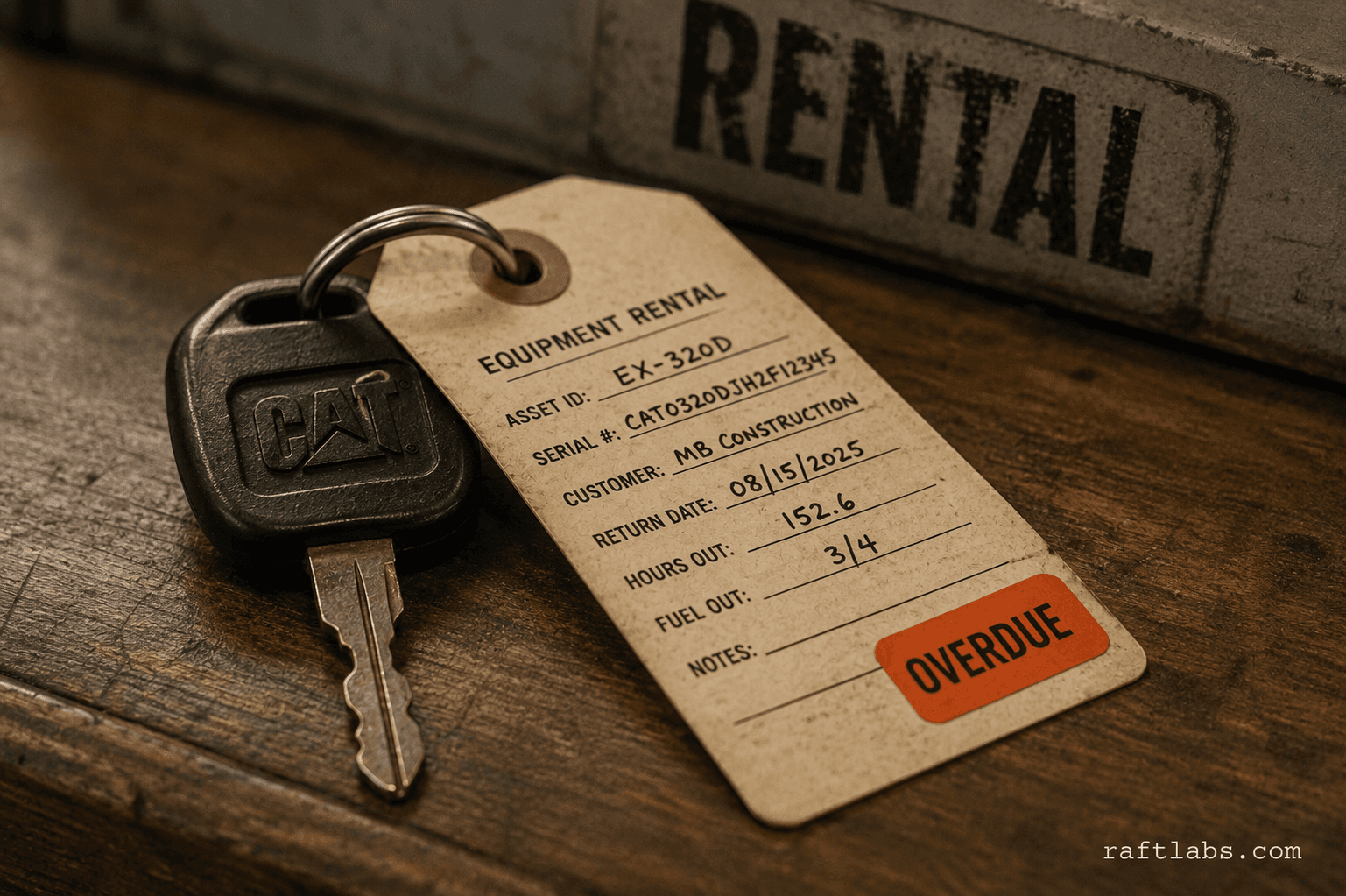
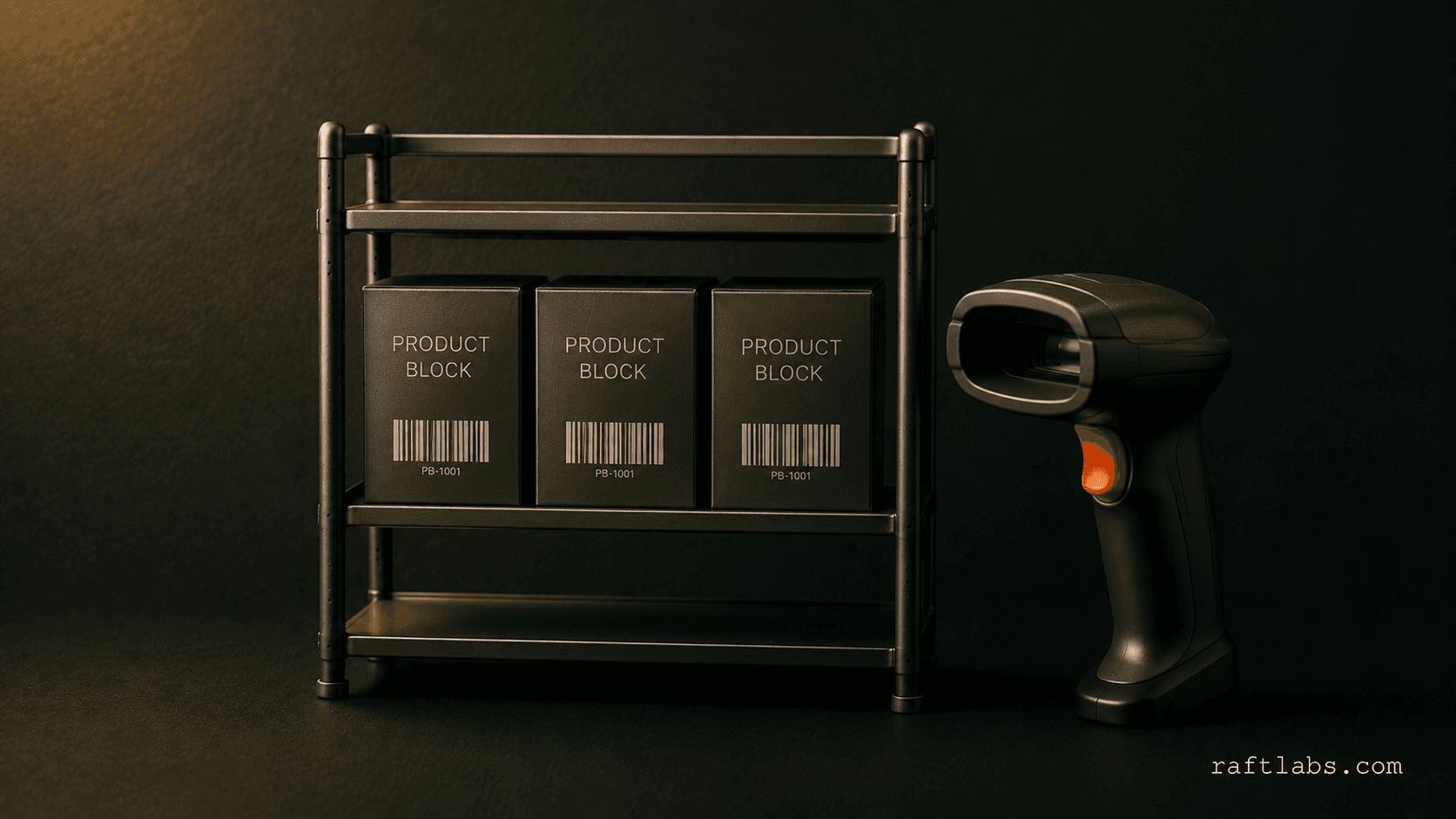
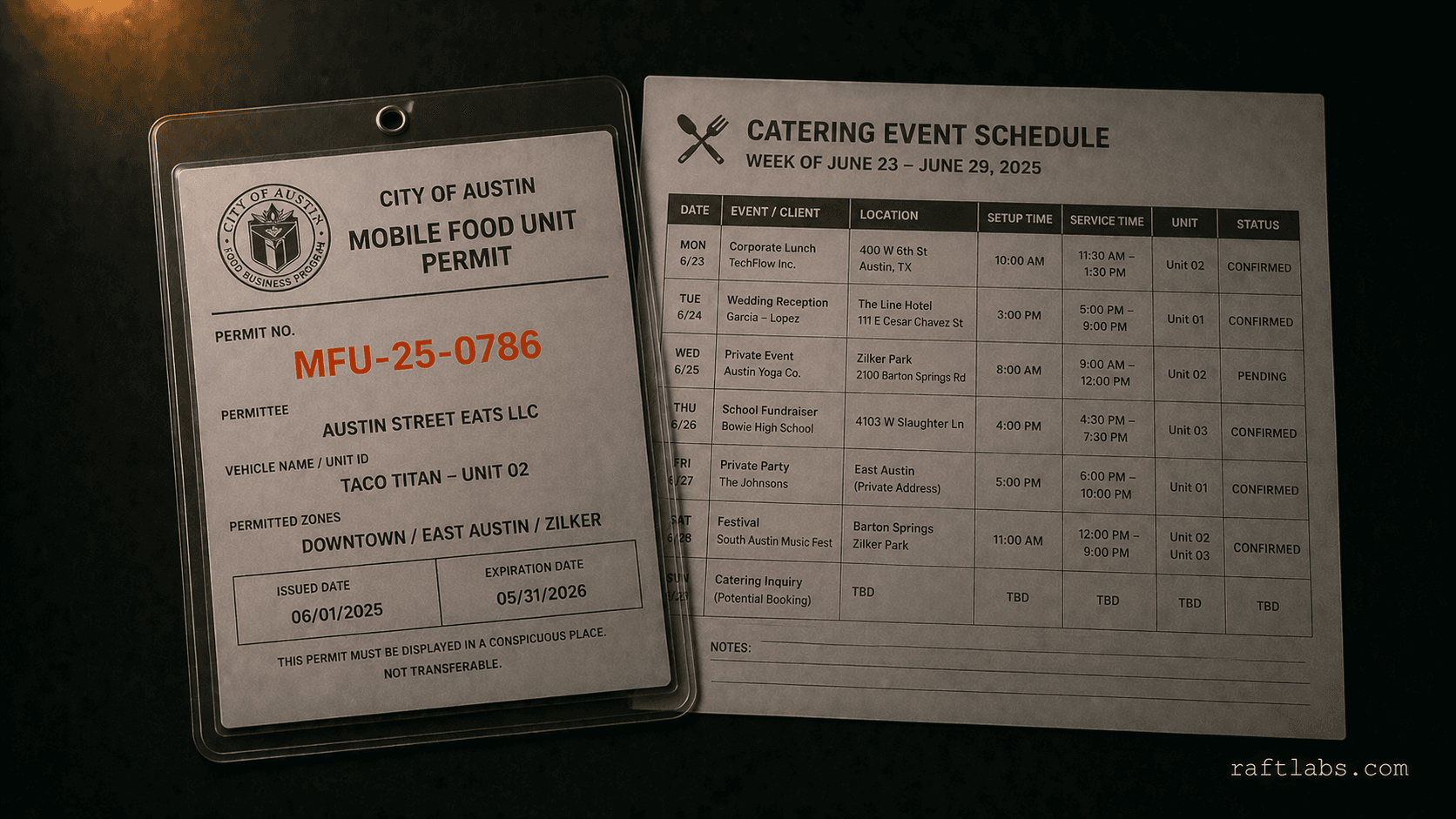
The demand signal that never made it out of the maintenance office.
A maintenance crew raises a defect. The spare it needs sits in a depot two hundred miles away. But the maintenance system and the logistics system don't talk, so a logistics officer reads the demand, retypes it as a procurement request, and hopes the NATO Stock Number matches.
Meanwhile, a pallet of shelf-life-limited stock passes its expiry date on a shelf nobody flagged. It becomes waste, and the demand it could have filled goes to a fresh purchase order instead.
None of that is a people problem. It is a systems problem: two systems that should share a demand signal, and don't.
Custom defence logistics management software is built around your specific stock catalogue, depot network, procurement authority levels, and the connection to the maintenance system that keeps logistics informed of operational demand. Commercial ERP platforms handle procurement and inventory well for commercial supply chains. The mismatch shows up in three places. Stock is managed by NATO Stock Number, not a commercial part number. Procurement follows authority structures a commercial platform cannot model without heavy customisation. And demand originates in a maintenance system with no native link to the logistics side.
RaftLabs has been shipping production software since 2015, including for clients in regulated, audit-heavy sectors. The stock model reflects NATO codification standards from day one, not a retrofit onto a commercial ERP, and the cost is fixed before any development starts.
This fits when a commercial ERP keeps falling short of your supply chain.
Everything on the left should already be true for your operation. Even one thing on the right, and an off-the-shelf platform is the smarter first step.
A fit01You manage stock by NATO Stock Number across more than one depot, and commercial ERP customisation keeps missing the mark.
02Your maintenance system raises demand that a logistics officer currently re-enters into procurement by hand.
03Procurement has to follow your authority structure, your shelf-life rules, and your hazardous-material handling, not a commercial default.
Not a fit01A single commercial supply chain that a standard ERP already handles by part number.
02No requirement for NATO codification, authority-level procurement, or maintenance-driven demand.
03You need an off-the-shelf platform to configure this week, not a system built around your supply chain.
What we build
What defence logistics management software covers
01Spares inventory management
Stock on hand, reserved, and available balance are visible by NSN at every depot, with reorder alerts, condition tracking, and shelf-life stock managed within the same register.
02NATO stock numbering and codification
A full NSN catalogue with cross-reference to manufacturer part numbers, interchangeability data for approved substitutes, and a codification workflow for items not yet in the NATO catalogue.
Demand signals from maintenance match to an NSN and check against stock before a purchase order is raised, with authority-level approval thresholds and goods receipt updating stock automatically.
Urgent demands route to alternate depots with available stock, tracked from dispatch to receipt, with transfer authority approval and dangerous goods documentation generated automatically.
Expiry dates are recorded at goods receipt, stock rotates first-expiry-first-out, and pre-expiry alerts fire at configurable lead times before items are quarantined automatically at expiry.
06Demand signal from maintenance
A defect raised in the maintenance system creates a logistics demand automatically, classified by urgency, and tracked through fulfilment so the maintainer knows when the spare will arrive.
Buying the equipment is the small part. Keeping it ready is the long, expensive part, and it runs on the logistics system. Operating and support costs, the sustainment tail, can account for up to 70 percent of a weapon system's total life-cycle cost (U.S. Government Accountability Office). A spare that expires unnoticed, a demand that never crosses from the maintenance office, or a requisition that misses its priority all add to that tail. This is the workflow the software is built to protect.
Requisition priority is part of that. A demand from the maintenance system carries its urgency through, so a mission-critical spare is processed ahead of routine replenishment rather than sitting in the same queue. The classification drives the timeline, the alternate-depot search, and the escalation, the way a MILSTRIP-style priority designator would in a manual system.
Defence stock is not just parts on a shelf. Spares and their technical data can be export-controlled under ITAR or EAR, so the item record carries the control classification and restricts who can see and move it. A US contractor whose logistics records hold controlled unclassified information falls under DFARS 252.204-7012, which mandates the 110 security controls in NIST SP 800-171. Where records sit on a classified network, the system deploys to the environment your security officer specifies, up to a segregated or air-gapped arrangement, so stock and demand data never leaves its approved boundary.
The defence logistics regime, in short
- Up to 70%
- of a weapon system's total life-cycle cost goes to operating and support (sustainment)
- U.S. Government Accountability Office
- 110
- NIST SP 800-171 controls a contractor holding CUI in logistics records must evidence
- NIST SP 800-171 Rev 2, mandated by DFARS 252.204-7012
- One system
- spares, procurement, and maintenance-driven demand on a single air-gappable deployment
- RaftLabs build approach
Have a defence logistics management project?
Tell us about your supply chain structure: your equipment types, your depot network, your stock catalogue, and where your current logistics process creates fulfilment delays or compliance gaps. We'll scope a system built around your actual requirements.
How it works
From scope to live logistics system
- Week 1
01Supply chain structure scoping
We map your equipment types, depot network, and stock catalogue. You leave week 1 with a written scope document and a fixed-price quote.
- Weeks 2-5
02NSN and procurement design
Codification workflow and procurement authority levels designed against your governance requirements.
- Weeks 6-15
03Build and integrate
Inventory, procurement, and maintenance integration built in parallel, tested against real stock data.
- Final 2-3 weeks
04Launch and logistics team training
Logistics officers trained on the demand and transfer workflow before full rollout.
The nearest work in our portfolio is civilian, not defence. We built a multi-carrier shipping platform that moved 2,000+ shipments across 70+ countries in its first year, on the fifth attempt after four previous vendors had failed the operator. Defence logistics adds NATO codification, authority-based procurement, export-control handling, and secure deployment on top of that same supply-chain backbone. If a documented defence logistics reference matters before you commit, we will say plainly where our experience is direct and where it is adjacent.
Where you land in the cost range depends on scope, not negotiation:
- Focused build, $50,000-$100,000
- Spares inventory management, procurement workflow, and inter-depot transfers.
- Full build, $100,000-$180,000
- Everything in the focused build, plus shelf-life management, demand signal integration, and NSN codification workflow.
What it costs
Spares and logistics software, starting at $50,000.
Spares, procurement, and inter-depot transfers, with shelf-life, maintenance-driven demand, and NSN codification added as your scope needs them.
Start with the core spares and procurement workflow. Once it's running across your depots, we scope shelf-life tracking and demand signal integration as the next phase.
Starting investment
Starts at $50,000
Spares, procurement, and inter-depot transfers launch as a validated v1 in 12 to 18 weeks. Shelf-life management and NSN codification scope in as a second phase.
No hourly billing
Once we scope your first phase, that price is locked in writing. No hourly billing, no surprise invoices. A scope change is a priced change request, agreed before work begins.
One team
The team that scopes your supply chain builds the solution. No bait-and-switch, no offshore handoff after the contract is signed.