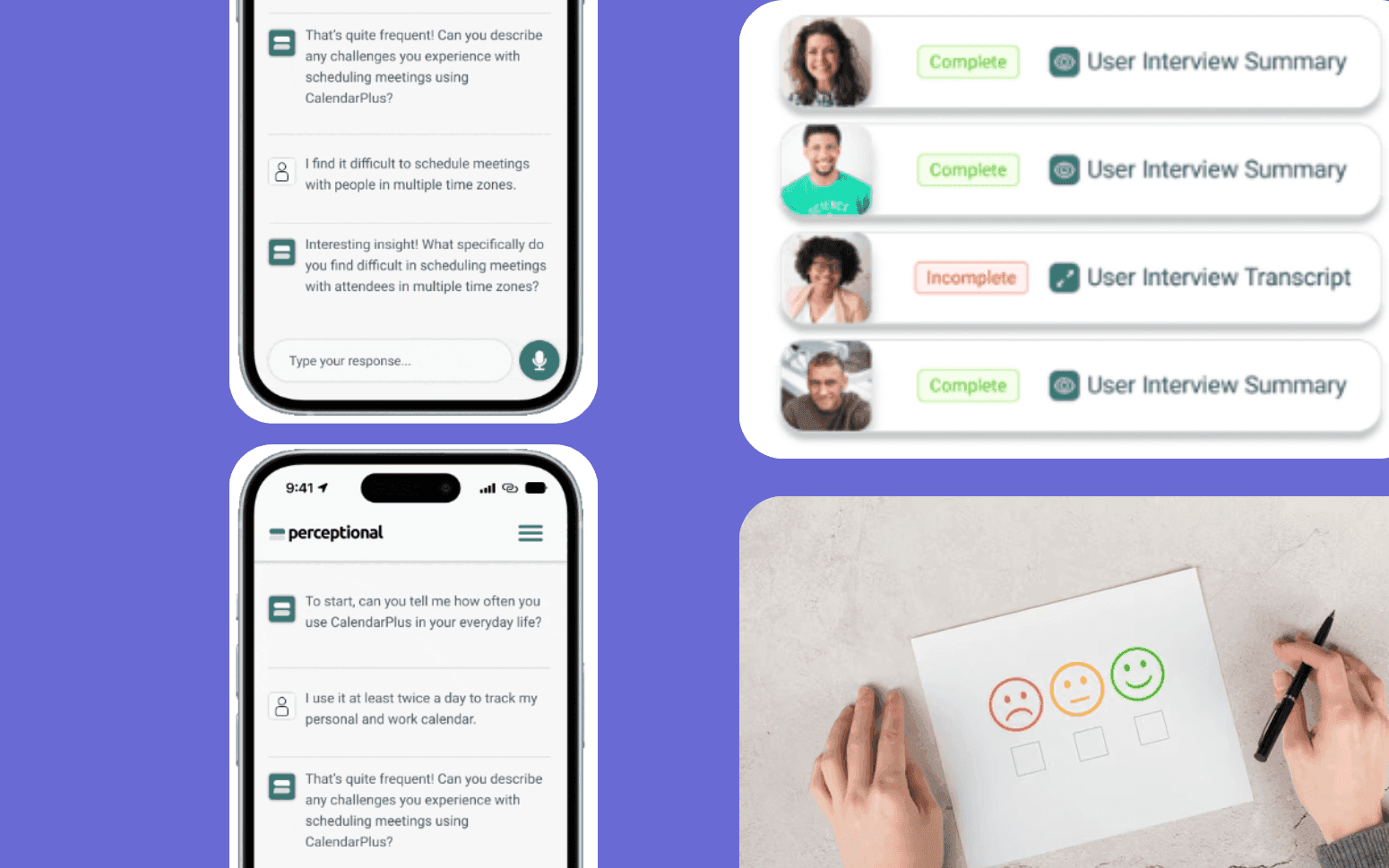
Mobile POS platform for a regulated FinTech operator
- PCI DSS
- compliance audit passed, 2025
Custom Cybersecurity Compliance Software
Security teams already have telemetry across cloud, identity, endpoints, code, tickets, and internal systems. We build custom cybersecurity compliance software that turns selected control outcomes into repeatable checks, routes exceptions to people, and retains review evidence across NIST, ISO, CIS, or internal programmes.
Bring the problem, the current workflow, or the existing code. We reply with a practical next step within one business day.
Evidence and scope
10 to 14 weeks
First control set
Three to five integrations, checks, exceptions, and evidence records.
$25K
Starting scope
One control family across an agreed framework or internal profile.
Human-owned
Decision boundary
Security and compliance owners approve scope and remediation.
The brief
Good software decisions begin with the constraint, not a list of features or a preferred technology.
Do control owners learn about drift during a review because important systems are outside your current GRC platform?
Is the same technical evidence copied into several frameworks with no dependable link to its source or review?
Plain answer
Cybersecurity compliance software connects technical evidence to selected control outcomes. RaftLabs builds custom checks and exception workflows when standard GRC tools cannot cover proprietary systems. A focused control set starts at $25,000 and usually takes 10 to 14 weeks in practice.
The identity check failed on Monday. The evidence collector retried on Tuesday. By Friday the dashboard was green again, but nobody recorded whether access was exposed, who investigated it, or what changed.
Control automation is useful when it connects a technical signal to an owner, decision, and retained record. Collection alone is not control operation.
Framework and delivery scope
The NIST Cybersecurity Framework 2.0 describes high-level cybersecurity outcomes without prescribing how organisations must achieve them. That distinction matters: a custom system can monitor selected technical states, but the client's security, risk, and legal owners choose the applicable profile and acceptable response.
Start with the systems or checks that standard tooling cannot cover cleanly.
Material control evidence lives in proprietary, legacy, on-premise, or unsupported systems.
Technical checks need logic or context that a standard connector cannot represent.
Exception handling must connect to an existing security or engineering workflow.
Your systems and framework fit an established GRC or compliance platform.
Control owners, expected states, or remediation routes have not been agreed.
You expect monitoring software to certify compliance, perform a penetration test, or replace security operations.
| Standard GRC platform | Custom control layer | |
|---|---|---|
| Best fit | Common cloud and SaaS tools with supported connectors | Proprietary systems, unusual evidence, or embedded workflows |
| Control model | Vendor library and configuration | The client's selected outcomes, checks, and exception routes |
| Time to start | Faster when integrations already exist | Requires connector and validation work |
| Commercial model | Subscription, often priced by scope or company size | Fixed implementation phases for software the client owns |
| Right decision | Use it when it covers the operation | Build only for the material gaps |
Scope
Rollout
Begin with one control family and the systems that make it hard to operate today.
Confirm the framework or profile, in-scope controls, systems, owners, evidence, frequency, and exception route. Security and compliance approve this scope.
Define the query, permission, expected state, evidence record, and failure behaviour for each check. Design for missing access and delayed data, not only the happy path.
Build three to five integrations and test passing, failing, missing, delayed, and unauthorised states. Reviewers confirm the evidence is understandable and useful.
Run a real review cycle, tune noisy checks, document accepted exceptions, and measure response. Add control families only after owners trust the workflow.
RaftLabs has not published a named cross-framework cybersecurity compliance platform. The closest public example is a mobile POS system for a FinTech operator. That project required controlled transaction handling and passed an independent PCI DSS audit. It is adjacent proof of regulated-system delivery, not evidence of a cybersecurity certification product.
Proof
Scope and price
The first phase covers one control family, three to five integrations, evidence records, and an exception workflow.
Additional frameworks, integrations, risk workflows, retention, and reviewer portals are scoped only after the first control set operates reliably.
Starting investment
Starts at $25,000
A focused first release usually takes 10 to 14 weeks. Framework scope, permissions, and test data affect the schedule.
Fixed first phase
The control set, integrations, checks, evidence, acceptance tests, timeline, and price are agreed before development starts.
Post-launch support
Eight weeks of support are included to address connector, permission, and check failures against production systems.
Useful next steps
Work with us
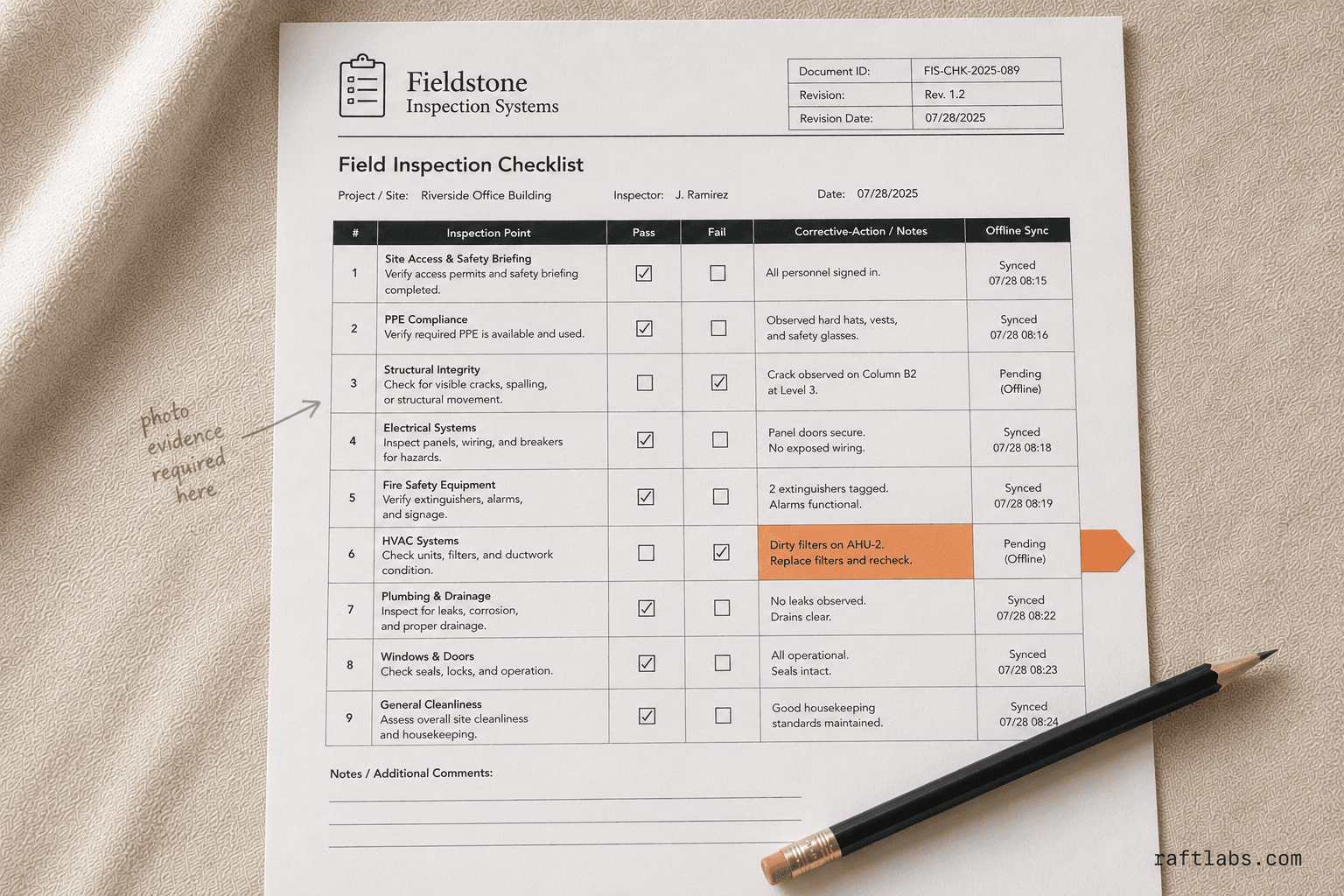
Inspection App Development
See the service
Article
Enterprise Software Development Cost in 2026: Full Breakdown
Enterprise software development costs $50,000 for an internal departmental tool to over $1,000,000 for a compliance-heavy platform with deep legacy integrations. Here is what drives the difference.
Read more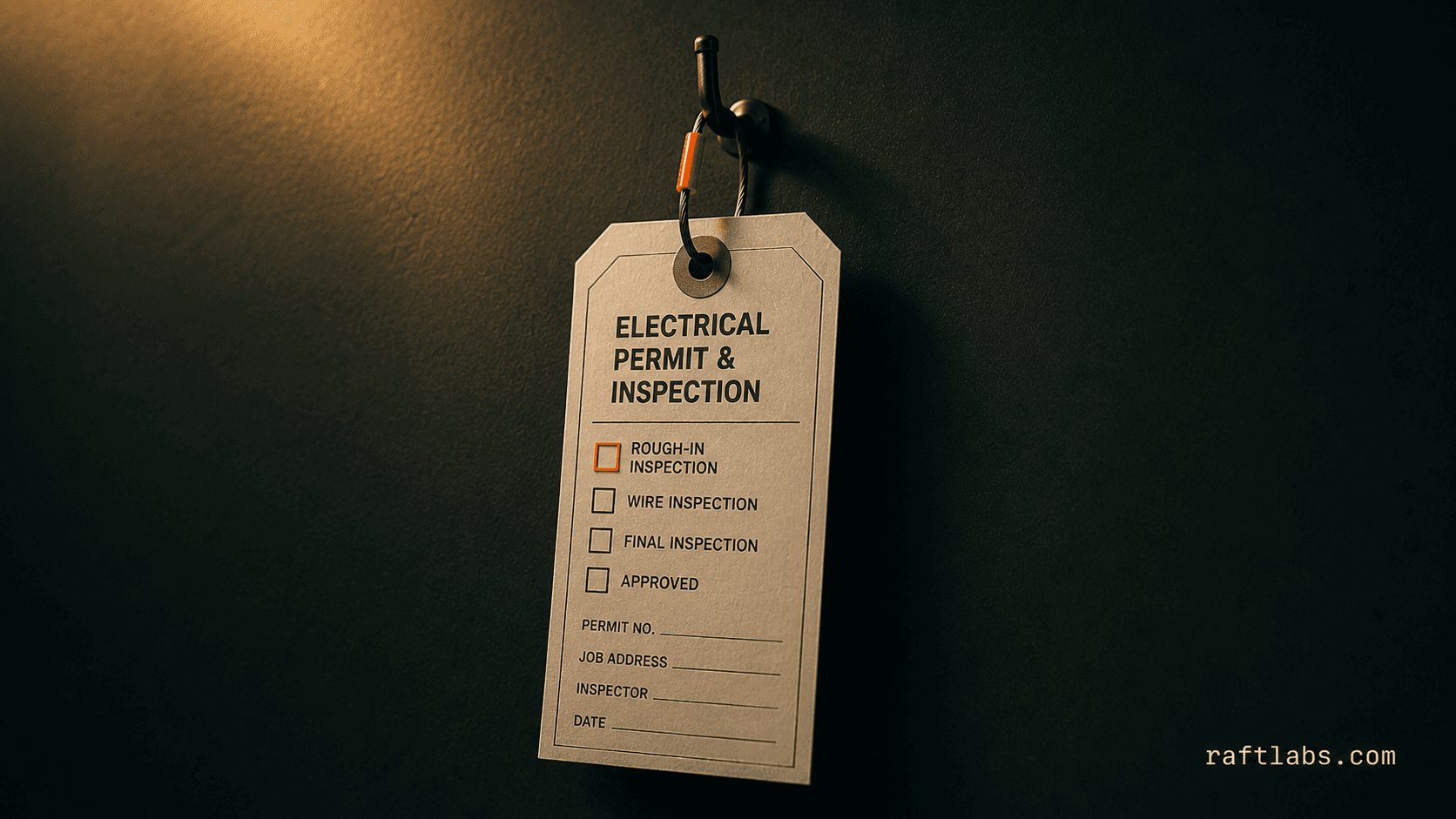
Article
Custom Electrical Contractor Software: What It Costs and When to Build
Compare custom electrical contractor software cost, build-vs-buy triggers, vendor-fit tests, scheduling, offline field work, job costing, and compliance-rule design.
Read more
Article
Build a banking chatbot customers actually use (not just click through)
Banks fielding 50,000+ routine inquiries monthly are using AI chatbots to resolve 80% of them without a human agent. Here's the architecture, the ROI math, and the compliance decisions that determine whether your deployment succeeds.
Read more
Article
Remote patient monitoring software: A development guide
RPM software that fails HIPAA compliance, drops device connections, or overwhelms clinicians with false alerts does more harm than good. Here is the architecture that avoids all three.
Read more
Article
Cost to Build Vulnerability Management Software
Custom vulnerability management software costs $55,000-$200,000 depending on whether you need multi-tenancy, SLA enforcement, custom remediation workflows, or a proprietary scan engine. This guide breaks down every build tier, compares Tenable, Qualys, Rapid7, and Microsoft Defender against real build costs, and shows when the custom route makes financial sense.
Read moreCybersecurity compliance software links selected control outcomes to technical checks, evidence, owners, exceptions, and review records. It can show whether an agreed configuration or activity is present at a point in time. It does not choose the correct legal scope, prove that every security risk is managed, or certify the organisation.
The SOC 2 page focuses on evidence for one independent assurance engagement. This service covers broader cybersecurity control operations across NIST CSF, ISO 27001, CIS Controls, internal profiles, or selected requirements. The client's security and compliance teams decide which framework outcomes and controls apply.
Usually, yes, when an established platform covers your systems, control model, and workflows. Custom software is reasonable when material evidence lives in proprietary or unsupported systems, technical checks need unusual logic, or the workflow must be embedded in an existing product. We assess that gap first.
No software can guarantee either result. Monitoring can detect defined states, collect evidence, and route exceptions sooner than a periodic manual check. It still depends on correct scope, reliable permissions, useful thresholds, timely investigation, remediation, and independent testing where required.
A focused control set with three to five integrations starts around $25,000 and usually takes 10 to 14 weeks. Cost rises with connector complexity, data retention, cross-framework mapping, role controls, reporting, and deployment requirements. Scope, acceptance criteria, and price are agreed before development starts.
Work with us
Bring the framework profile, control owners, source systems, and current evidence workflow. We will identify the smallest useful custom scope.