Accounts receivable automation software built around how you actually collect
Mid-market distributors, industrial suppliers, and manufacturers run credit terms and dunning rules that don't match a standardized template, on ERP systems the big AR suites don't integrate with cleanly. We build invoice matching, cash application, dunning, and collections reporting around your actual workflow instead of asking you to reshape your business to fit a seat-licensed platform.
Automated invoice matching and cash application tied to the ERP you already run
Dunning workflows that follow your actual credit terms and customer segments
Collections dashboards built around how your finance team works a portfolio
Fixed-cost delivery, scoped up front, with source code ownership
Bring the problem, the current workflow, or the existing code. We reply with a practical next step within one business day.
Trusted by
The brief
Start with what is not working.
Good software decisions begin with the constraint, not a list of features or a preferred technology.
01
Your team still chasing overdue invoices by email and spreadsheet because your ERP doesn't talk to an off-the-shelf AR platform?
02
Enterprise AR suites priced and scoped for multi-entity rollouts you don't need, when your credit terms and dunning rules don't fit their template anyway?
Plain answer
Accounts receivable automation software automates invoice matching, cash application, dunning sequences, and collections reporting so finance teams spend less time chasing payments manually. RaftLabs builds this for mid-market distributors, industrial suppliers, and manufacturers whose credit terms, dunning workflows, or ERP systems don't fit an enterprise AR suite. An MVP covering invoice matching and automated dunning typically runs $30,000-$70,000 over 14-18 weeks; a full build with cash application and collections dashboards runs $70,000-$130,000 over 18-22 weeks, at a fixed cost.
What to remember
Invoice matching and cash application remove the manual reconciliation that grows slower as customer and invoice volume grows, not easier.
Dunning workflows need to follow your actual credit terms and customer segments, not a generic three-email sequence built for standardized B2B billing.
ERP integration is often the real blocker: mid-market AR automation has to work with the accounting system you already run, not force a migration.
An MVP covering invoice matching and dunning typically takes 14-18 weeks; a full build with cash application and collections dashboards takes 18-22 weeks, at a fixed, agreed cost.
Proof
software products shipped since 2015
100+
RaftLabs delivery record
average client rating across delivered projects
4.9/5
Clutch, verified reviews
scope and cost agreed in writing before any development starts
Fixed price
Every RaftLabs engagement
Collections shouldn't depend on someone remembering to send the next email
Mid-market distributors, industrial suppliers, and manufacturers run credit terms and dunning rules that don't match a standardized template, on ERP systems the big AR suites don't integrate with cleanly. That mismatch is usually why an enterprise AR contract gets rejected before it ever gets scoped. We build the automation layer around your actual workflow instead.
Capabilities
What we build
01
Invoice matching and cash application
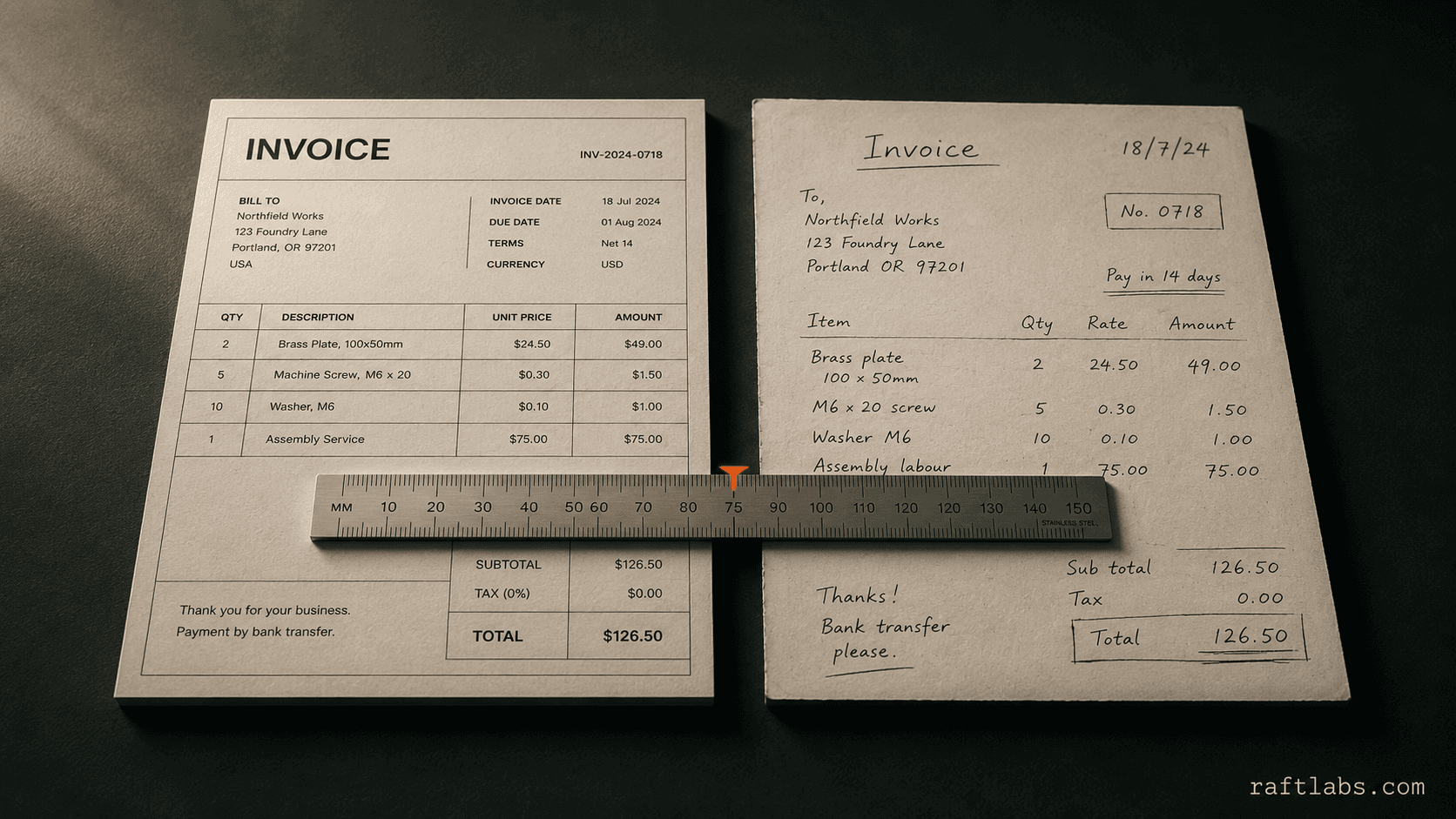
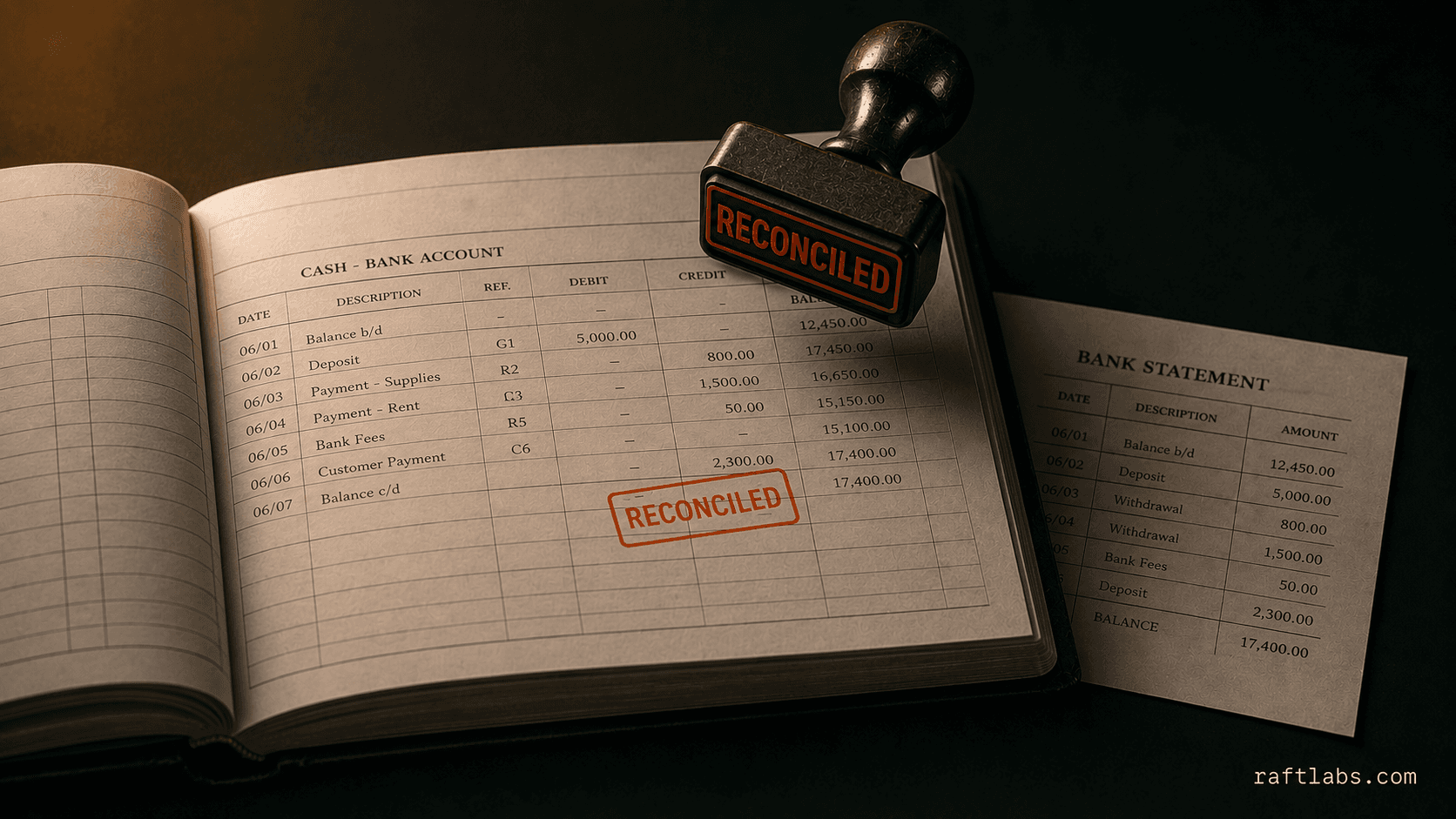
Incoming payments matched to invoices and purchase orders automatically, then applied to the right customer account, cutting the manual reconciliation work your team does every cycle.
02
Dunning workflows built around your terms
Automated reminder and escalation sequences that follow your actual credit terms and customer segments, not a generic three-step template built for standardized billing.
03
ERP and accounting system integration
Built to work with the ERP and accounting system you already run, scoped during discovery rather than forcing a migration to fit a platform's supported integration list.
04
Collections dashboards and aging reports
Real-time visibility into aging receivables, at-risk accounts, and collector workload, built around how your finance team actually works a portfolio.
05
Credit risk and customer segmentation
Customer-level credit terms, risk flags, and payment history tracked as first-class data, so collections decisions are based on account history, not memory.
06
Reporting and audit trail
Collections activity, payment history, and dunning actions logged for every account, giving finance leadership a clear audit trail without manual tracking.
How we work
From workflow mapping to live software
Weeks 1-3
01
Discovery and workflow mapping
We map your credit terms, dunning rules, ERP setup, and collections process. You leave with a written scope and a fixed-price quote.
Weeks 3-8
02
Data architecture and integration design
We design the invoice-matching logic, the dunning rule engine, and the integration layer for your ERP and payment channels.
Weeks 8-18
03
Build in two-week sprints
You review working software at each sprint. Invoice matching, dunning, and dashboard components are built and tested incrementally.
Final 3-4 weeks
04
Testing and rollout
The system runs against real invoice and payment data so your team can validate matching accuracy before collections depend on it.
Why us
Why mid-market finance teams choose RaftLabs
01
Senior engineers build what they scope
The engineers who map your dunning workflows also build the automation layer. No offshore handoff after the contract is signed.
02
Fixed price before development starts
We scope the work, calculate the cost, and lock it in writing before any development starts.
03
Founded 2015
A track record building finance software that handles sensitive payment and customer data with the integration and reporting discipline mid-market AR teams need.
04
You own the source code
No seat licenses, no vendor lock-in after delivery. The codebase, and everything built into it, is yours.
Accounts receivable automation software handles the manual work in collecting payment: matching invoices to purchase orders, applying incoming cash, running dunning sequences for overdue accounts, and reporting on collections performance across a customer portfolio.
Yes. Matching invoices against purchase orders and remittance data, then applying incoming cash to the right account, is the core of most AR automation requests. We scope which ERP and payment channels you use during discovery.
Yes. We build dunning sequences around your actual credit terms and customer segments during discovery, rather than fitting your collections process into a fixed template built for standardized billing.
An MVP covering invoice matching and automated dunning typically runs $30,000-$70,000 and takes 14-18 weeks. A full build with cash application and collections dashboards runs $70,000-$130,000 over 18-22 weeks. We scope a fixed cost after discovery.
Integration with your existing ERP is scoped during discovery. Mid-market companies often run ERP systems the large AR suites don't connect to cleanly, which is usually the reason custom software gets evaluated in the first place.
HighRadius and Billtrust are strong platforms for large enterprises running standardized, multi-entity AR processes at scale. Custom software makes more sense when your credit terms, dunning workflows, or ERP don't fit their model, or when an enterprise contract isn't scoped for a company your size. We help assess the right fit during discovery.
Work with us
Have an accounts receivable automation project?
Tell us how your team collects today, and where the gaps are. We'll scope a fixed-cost build.
Scope and cost agreed before work starts. No surprises. No obligation.
Working prototype within 3 weeks of kickoff.
Pay by milestone. You see progress before each invoice.
60-day post-launch warranty. Bug fixes, UI tweaks, and deployment support. No retainer.