Staffing software that fits how your agency actually places
Off-the-shelf staffing and recruitment platforms work until your operation grows past what they were designed for. When your candidate pipeline, payroll rules, client visibility needs, and compliance obligations don't fit the default configuration, workarounds become the actual process.
ATS built for your candidate pipeline stages, interview workflow, and placement approval chain
Client portal so hiring managers see real-time candidate status without emailing your team
Timesheet and payroll platform for contract workers across multiple clients and pay rules
Right-to-work and compliance document management built into your onboarding workflow
3+ years Retention·Week 1 First milestone·Fixed price Pricing
The problem
Sound familiar?
Tracking candidates in spreadsheets with no shared pipeline and no record of where each person stalled?
Running timesheet collection and payroll for contract workers across multiple clients in disconnected systems?
Short answer
UK recruiters lose 17.7 hours of admin per vacancy, over two working days per hire (Totaljobs, 2025). RaftLabs builds custom staffing software for agencies and RPO providers that outgrow tools like Bullhorn or Vincere: applicant tracking, client portals, timesheet and payroll, compliance automation, and analytics. A core module launches as a validated v1 in 10 to 16 weeks at a fixed, agreed cost, typically $45K to $95K.
Who this is for
Staffing businesses we build for
Recruitment agencies
An ATS and compliance layer shaped to your placement workflow, not the platform's default.
Multi-client staffing firms
Pay structures and jurisdiction rules per client, without workarounds.
Client-facing agencies
A portal showing live candidate status, outside the platform's portal.
Growing teams
Per-seat licensing replaced by a fixed build when the fees cross the line.
01 Diagnosis
Problems we solve in staffing and recruitment
01
Problem
Candidate sourcing pipeline running in spreadsheets with no shared tracking and no record of where each placement stalled
Solution
Every recruiter has their own spreadsheet. When a candidate moves between desks or a colleague covers a role, the context goes with the person, not the record. Candidates fall through because no one knows where they are. Clients chase your team for updates that require going back to find the original email thread. The cost isn't just inefficiency. It's placements that don't happen because the pipeline isn't visible to the people who could act on it.
02
Problem
Timesheet collection and payroll for contract workers across multiple clients with no system connecting approved hours to payment
Solution
Contract workers submit timesheets by email. Each client has a different approval contact and a different cut-off. Hours are reconciled manually before payroll runs. When a timesheet arrives late or a client disputes hours, the cycle breaks and the worker gets paid late. Late payment for contractors isn't an administrative problem. It's a relationship problem that affects your ability to place those workers again.
03
Problem
Client portal gaps that force hiring managers to call or email your team for candidate status updates
Solution
When clients can't see where their candidates are in the process, they contact your team. Each update request is a context-switch for a recruiter who should be sourcing. The client loses confidence because they feel out of the loop. Your team loses time because they're managing communication instead of managing the pipeline. The fix isn't faster email responses. It's giving clients direct visibility into the status your recruiters already have.
04
Problem
Compliance and right-to-work documents collected manually, tracked in folders, and checked by whoever remembers to check
Solution
Right-to-work verification gets done, but not in a way anyone can audit. Documents are stored in email threads, shared drives, or worker files with no expiry tracking. When a client or auditor asks for proof that a worker's right-to-work was verified before placement, the answer depends on someone finding the right folder. A missed expiry or a missing document isn't a paperwork problem. It's a legal exposure problem that falls on your agency.
02 What we ship
Staffing software we ship
01
ATS and candidate tracking
We build applicant tracking systems configured around your placement workflow: job requisition, candidate sourcing, submission to client, interview scheduling, offer management, and placement record. The pipeline view and candidate record structure reflect how your recruiters actually work. Reporting covers time-to-fill, pipeline conversion by stage, and placement rate by recruiter and client. Integrations connect to your job boards, background check providers, and payroll system so confirmed placements flow through without manual re-entry.
02
Client portals
We build client portals that give hiring managers real-time visibility into candidate status, submitted profiles, interview scheduling, and placement progress, without them needing to contact your team. The portal pulls live data from your ATS, so the client view reflects your recruiters' current activity. Role-based access controls what each client contact can see. Clients can leave feedback on submitted candidates directly in the portal, which feeds back into the recruiter's workflow rather than arriving as a separate email.
03
Timesheet and payroll platforms
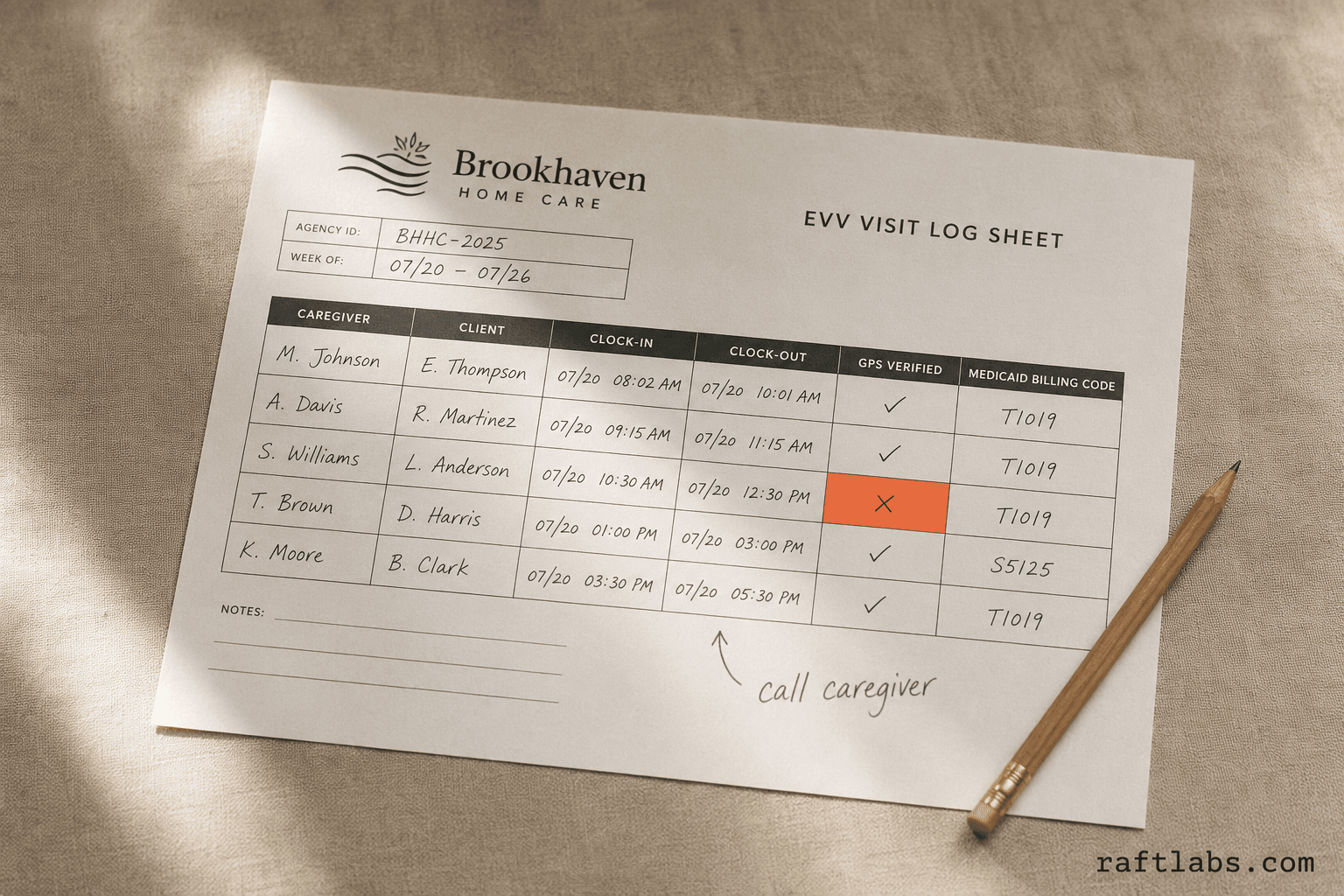
We build timesheet collection and payroll platforms for agencies managing contract and temporary workers across multiple clients. Workers submit timesheets through a self-service portal. Client-specific approval workflows route each timesheet to the right approver with the right cut-off. Approved hours feed directly into payroll calculations with the correct pay rate, client billing rate, and margin. Invoices generate from approved hours so your billing and payroll cycles stay in sync. Payment confirmations go back to the worker record.
04
Job board and candidate matching
We build job board platforms and internal matching tools that help your recruiters surface the right candidates faster. Candidates can register, upload their profile, and apply to live roles through a branded portal. Search and filtering work against your candidate database rather than a generic keyword index. Matching logic is built around the skills, locations, and availability criteria your recruiters actually use. Recruiters see which candidates match an open role and can shortlist directly into the ATS pipeline without duplicate data entry.
05
Compliance and onboarding automation
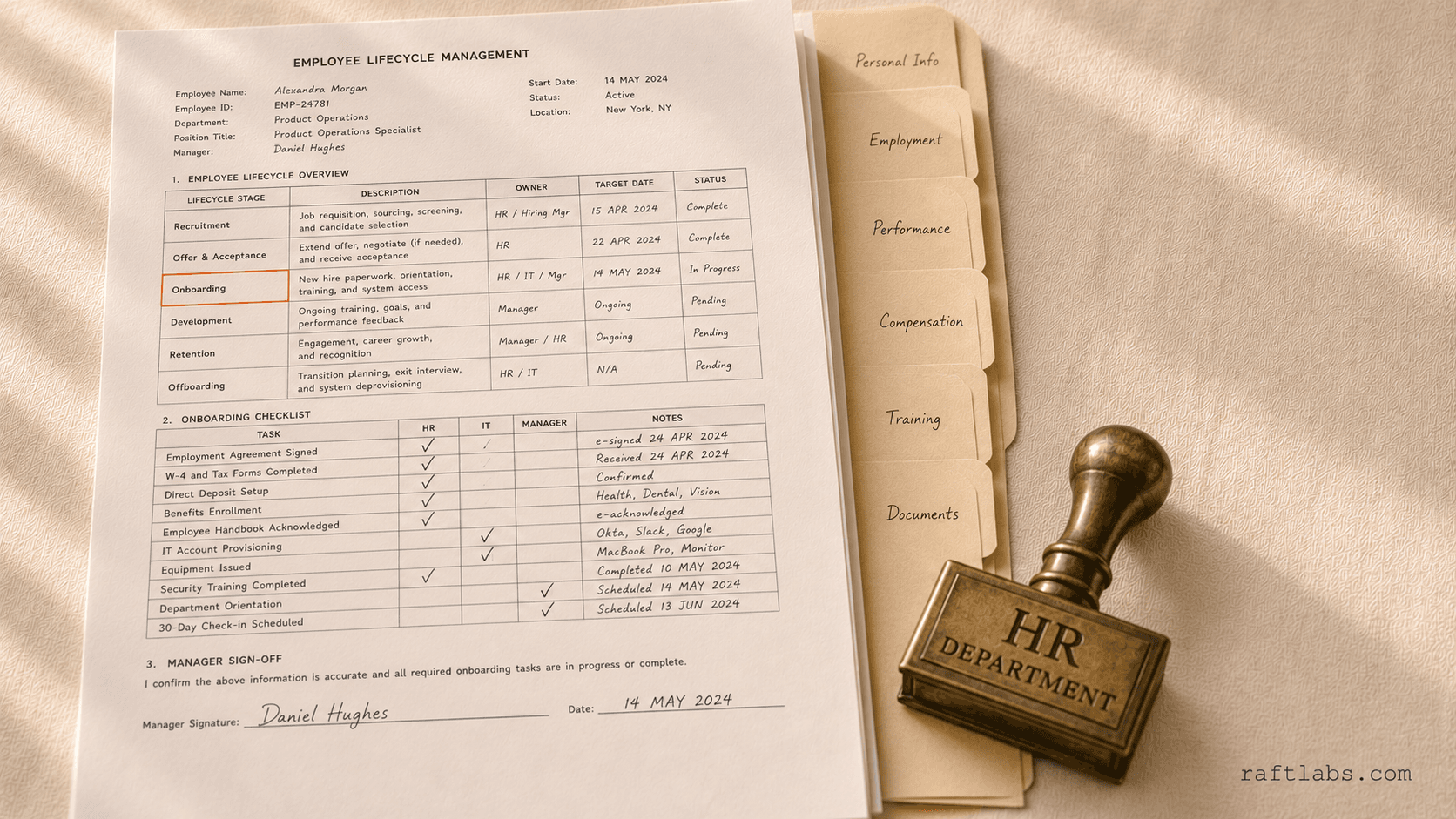
We build compliance and onboarding workflows that collect, verify, and store right-to-work documents, certifications, and worker agreements as part of the placement process. Document requests go to the worker at the point of onboarding. Expiry dates are tracked automatically and flagged before they lapse. Each document is attached to the worker and client record with a timestamped audit trail. When a client or auditor requests evidence of compliance, the report generates from the system rather than from a folder search.
06
Analytics dashboards
We build analytics dashboards that give agency owners and ops leads visibility into the metrics that drive a staffing business: fill rate, time-to-fill, placement margin by client and division, contractor hours under management, and compliance status across your active workforce. Data comes from your ATS, timesheet, and payroll systems rather than manual exports. Division heads see their own numbers. Agency leadership sees the consolidated view. Reports that used to take a finance analyst a day to produce are available on demand.
Integrations
Connected to pay and accounts
Timesheets, payroll, and invoicing reconcile in one flow, because that is where agency admin actually lives.
Back office
Your existing payroll provider · Your accounting system
The compliance layer sits inside the onboarding workflow, not in a separate manual process.
03 Buy, build, or wait
Stay on the platform while your workflow fits the default model.
The staffing software question is really about whether your agency's workflow still fits the platform's default model.
Buy or rent
A configured platform, for standard agency workflows
Bullhorn, Vincere, or JobAdder handle standard placement flows well at low cost.
Wait, while per-seat cost is reasonable
If the platform cost per recruiter stays well under a build's monthly equivalent, wait.
Build custom
When pay and compliance rules break configuration
Multi-client pay structures and jurisdiction rules that need workarounds point to custom.
When clients need real-time visibility
A client portal showing live candidate status lives outside the platform's portal.
When licensing outpaces building
At scale, two years of per-seat fees can exceed a custom build's fixed cost.
Bottom line
Stay on the platform while your workflow fits the default model. Build when workarounds accumulate, compliance exceeds configuration, or per-seat cost crosses the build line.
04 How we work
How we build staffing software
01
Discovery
We start by mapping your current placement workflow, your candidate and client data structures, and the specific operational problems causing the most friction. We review your employment types, pay rate structures, compliance obligations, and integration dependencies before designing anything. Scoping accuracy at this stage determines whether the project delivers on time and on budget.
02
Architecture
We design the data model around your operation: your pipeline stages, timesheet approval chains, client billing rules, and the integration points with your job boards, background check providers, payroll systems, or finance tools. Integration specifications are documented and agreed before development begins, so there are no surprises mid-build.
03
Build
Development runs in two-week sprints. Recruiters and ops leads see working software throughout the build. The core module, whether that's the candidate pipeline, the client portal, or the timesheet system, ships first. Integrations, self-service features, and reporting layers follow in subsequent sprints.
04
Launch and support
We deploy in parallel with your existing process, validate the candidate and timesheet data, then cut over. Team training is built into the project. Post-launch support covers bug fixes, edge cases that emerge from live use, and feature additions as your client base or compliance requirements change.
05 Track record
What staffing teams get when they work with us
01
Clutch rating
4.9/5
02
Shipping production software
Since 2015
03
Cost, agreed before we start
Fixed
04
To a validated v1
10-16 wks
08 Why us
Why choose us?
01
Admin hours are the target
UK recruiters lose 17.7 hours of admin per vacancy; the build is scoped against the admin your team actually carries.
02
Compliance inside the workflow
Evidence, expiry flags, and documents attach to the worker and client record as onboarding happens.
03
Milestones tied to working software
Fixed project costs pay out on delivered software, not on time spent, so progress is something you can open.
09 Questions
Common questions
The decision usually comes down to three factors: operational complexity, integration needs, and cost over time. Bullhorn and Vincere handle standard agency workflows well but struggle when your employment types, pay structures, or client configurations diverge from their default model. Custom software is the right call when you're spending significant time on workarounds, when your payroll rules or compliance obligations don't fit the platform's configuration options. It is also the right call when your growth means the per-seat licensing cost is approaching what a custom build would cost over two years.
Yes, and this is often the right approach. Many agencies need one part of their stack replaced or extended. A timesheet system that connects to their existing payroll provider. A client portal that pulls from their current ATS. Or a compliance layer that sits on top of what they already have. We build integration layers using REST APIs or file-based connectors where APIs aren't available. The integration specification is documented before development starts. You know exactly what data moves where and when.
We build the jurisdiction-specific compliance rules into the onboarding and document management workflow during the design phase: right-to-work document types by country, expiry tracking rules, and the audit trail format each jurisdiction requires. We work with your compliance advisors to confirm the rules before they're implemented. When legislation changes, we update the system as part of the ongoing support arrangement. We don't replace the specialist advice of an employment lawyer, but we build systems that apply their guidance consistently rather than relying on a team member to remember the rules for each jurisdiction.
A focused module, for example a custom ATS or a client portal for a single division, launches as a validated v1 in 10 to 16 weeks, typically $45K to $95K, then you iterate. A full platform covering ATS, timesheet and payroll, compliance, and analytics typically runs $130K to $300K across phases. We scope every project before pricing it, so you know what you're getting before you commit. Fixed project costs only, with milestones tied to working software deliveries rather than time spent.
Yes. When a full replacement isn't the right call, we build the layer you're missing. A client portal that integrates with your current ATS. A timesheet and payroll system that pulls confirmed placements from your existing records. Or a compliance module that sits alongside your current workflow. We assess what you have first. Then we recommend what to build or replace.
When recruitment platforms stop fitting your operation
UK recruiters lose 17.7 hours of admin per vacancy, over two working days per hire (Totaljobs, 2025). Most of that time goes to the manual reconciliation that off-the-shelf tools never fully removed. Most agencies get good value from Bullhorn, Vincere, or JobAdder in their early years. The problems appear when the operation grows complex: contract workers across multiple clients with different pay rules, compliance obligations that don't fit the platform's document management, or client visibility needs the portal can't meet without expensive configuration. Customising a standard recruitment platform to handle these cases costs time, consultant fees, and ongoing workarounds that accumulate into a hidden operational burden.
We build custom staffing software for agencies and RPO providers that need systems designed around how they actually operate, not adapted from a template built for a different kind of recruitment business. When a full replacement isn't right, we build the integration layers that extend what you have. When replacement is the right call, we scope it in phases so you go live on what matters most first.