
Talk to us about your e-learning platform project.
Tell us your learning model, content types, revenue structure, and what the SaaS platforms you've looked at can't do. We'll scope the right platform and give you a fixed cost.
SaaS e-learning platforms (Teachable, Thinkific, Kajabi) taking 25--50% of revenue or limiting your pricing and content model?
Platform not supporting the content types, learner management structure, or revenue sharing model your e-learning business requires?
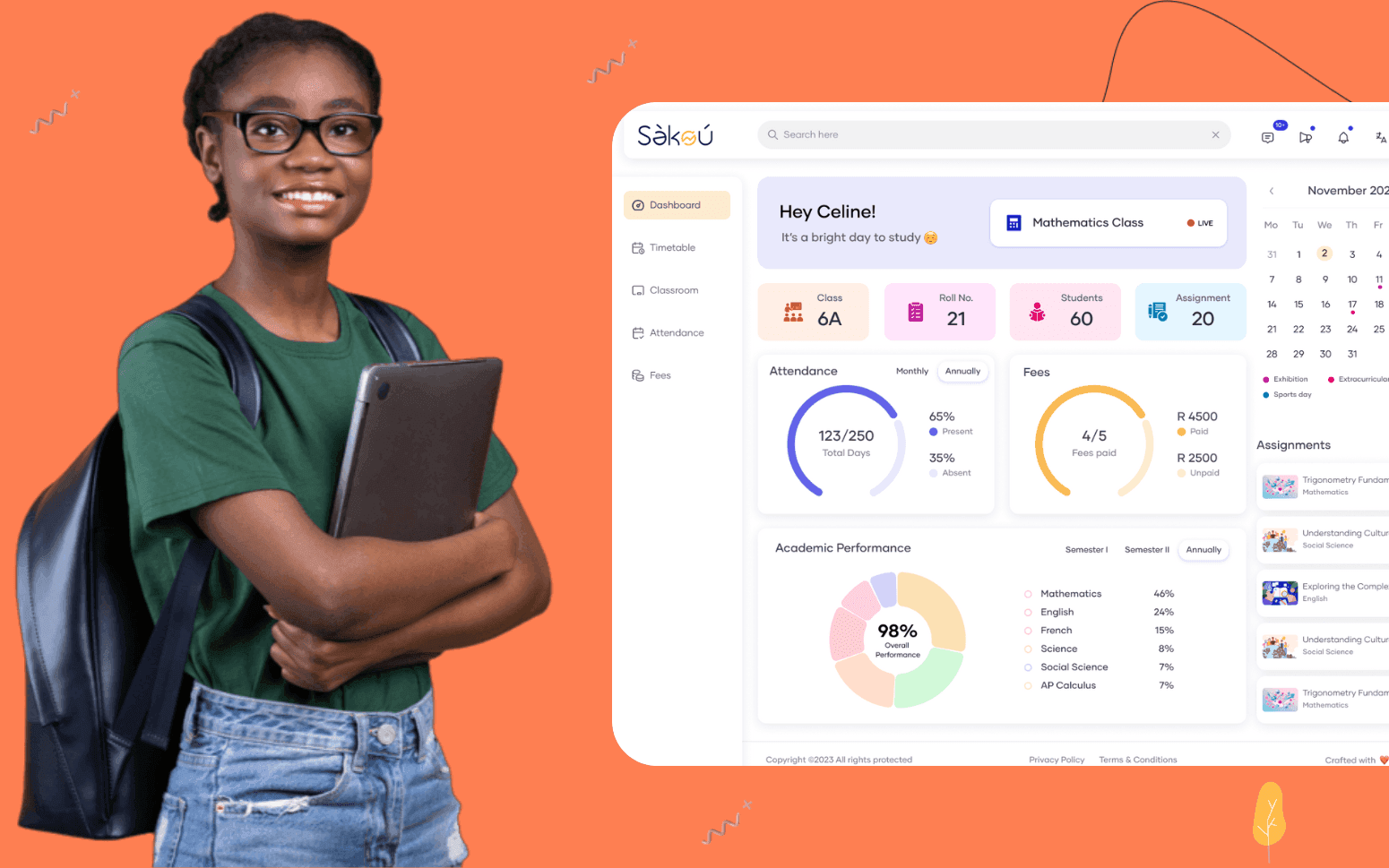
Custom e-learning platforms built for your specific learning model -- course marketplaces, corporate training portals, and content delivery systems with the revenue model, learner experience, and content management your business requires.
100+ products shipped since 2019. We've built e-learning platforms for course creators, professional development providers, and corporate training programmes across multiple industries.
Course creation, publishing, and content management built for your content types
Learner enrolment, progress tracking, and completion certification
Revenue model support -- direct sales, subscription, cohort pricing, or marketplace with instructor revenue share
Video hosting integration, SCORM support, and multi-device content delivery
RaftLabs builds custom e-learning platforms -- online course platforms, course marketplaces with instructor revenue sharing, corporate training portals, and educational content delivery systems with video hosting, SCORM/xAPI support, progress tracking, and certification management. Custom e-learning platform development is appropriate for course creators, education companies, and corporates whose business model or content requirements don't fit Teachable, Thinkific, or Moodle's assumptions. Most e-learning platform projects deliver in 10--18 weeks at a fixed cost with full source code ownership.












Teachable, Thinkific, and Kajabi are built for solo course creators selling individual courses with a simple checkout. Their revenue sharing model, content limitations, and learner management assumptions work well for that use case and fail for others: course marketplaces with instructor revenue sharing, corporate training portals with multi-tenant learner management, professional certification programmes with specific assessment requirements, and organisations with content volume that makes per-seat SaaS pricing unsustainable.
Custom e-learning platform development builds the platform around your specific learning model and revenue requirements.
Multi-instructor course marketplace with instructor onboarding, course submission and editorial review workflow, and revenue sharing with automated instructor payouts via Stripe Connect -- with configurable split percentages per instructor tier or course category. Course catalogue with search, filtering, category taxonomy, and recommendation logic that surfaces relevant content based on learner enrolment history and completion patterns. Learner accounts with enrolment history, xAPI (Tin Can API) progress tracking sent to a Learning Record Store (LRS), and completion certificates with unique certificate IDs and verifiable links. LTI 1.3 with Advantage Services -- including Assignment and Grade Services (AGS) for grade passback and Names and Role Provisioning Services (NRPS) for roster sync -- enabling the marketplace to connect with institutional LMS platforms as a content provider. Review and rating system with verified purchase gating so only enrolled learners can leave reviews. Multi-currency support for international instructor and learner transactions. The marketplace infrastructure for platforms where multiple instructors sell to a shared learner audience and the platform takes a commission on each transaction rather than charging instructors a flat SaaS fee.
Corporate LMS for internal training programmes -- employee accounts provisioned via SCIM sync from your HRIS (Workday, BambooHR, SAP SuccessFactors), manager dashboards showing team training completion rates by department and role, and course assignment by role, department, or individual employee. Compliance training tracking with completion audit reports exportable for regulatory review -- tracking completion percentage, time-on-task, quiz scores, and pass/fail outcome per learner per course. SSO via SAML 2.0 or OIDC for single sign-on with your corporate identity provider (Azure AD, Okta, OneLogin) so employees don't manage a separate set of credentials. Multi-tenant architecture with subdomain-per-tenant routing and tenant-level data isolation, supporting organisations managing training across divisions, subsidiaries, or white-label client companies from a single platform instance. GDPR-compliant consent management for training data processed under EU jurisdiction, with data retention policies configurable per tenant. LTI 1.3 Deep Linking for embedding external content tools within the corporate training environment without requiring separate learner authentication. The corporate training infrastructure without the per-seat SaaS cost that makes large-scale internal training programmes economically unsustainable on Cornerstone or SAP platforms.
Video hosting integration with Mux or Cloudflare Stream for HLS adaptive bitrate streaming -- ABR ladder selection adjusts resolution dynamically based on the learner's available bandwidth, so playback is smooth on a 4G mobile connection and on a fibre desktop connection without buffering delays. Automated video transcription via AWS Transcribe producing searchable VTT caption files attached to each video, supporting WCAG 2.1 AA accessibility compliance for learners who require captions or who watch in sound-off environments. DRM content protection (Widevine, FairPlay) for premium video courses where download prevention is a commercial requirement. SCORM 1.2 and SCORM 2004 runtime implementing the full LMSInitialize/LMSGetValue/LMSSetValue/LMSFinish API surface so e-learning modules published from Articulate Storyline, Adobe Captivate, or iSpring run without modification. xAPI (Tin Can API) statement dispatch to an LRS (Learning Locker, SCORM Cloud LRS, or self-hosted) for tracking learning activity across content types beyond SCORM's original scope. PDF, audio, and interactive H5P content delivery alongside video. Mobile-responsive player interface with progress position persistence so learners resume where they left off across devices. Offline content caching for native mobile apps where learners need access in low-connectivity field or travel environments.
Payment processing via Stripe for your specific revenue model: one-time course purchase, recurring subscription with tiered plan pricing and content library access, cohort-based enrolment with specific start dates and automatic seat counting, bundle pricing, and institutional licensing with invoice billing and PO number support. Stripe subscription billing with trial periods (free trial or trial at reduced rate), proration for mid-cycle plan upgrades and downgrades, and dunning workflows for failed payment retry and subscriber communication before cancellation. Coupon and promotional pricing with usage limits, expiry dates, and eligibility rules per course or category. Affiliate and referral tracking with unique affiliate links and configurable commission rates for course promoters. Multi-currency support with Stripe's automatic currency conversion for international learners, with the displayed currency based on learner locale. GDPR-compliant consent management for marketing communications separate from transactional billing consent, managed at account creation and through the learner's communication preferences. The payment infrastructure that supports your actual business model rather than forcing a single-course checkout flow that doesn't reflect how your audience purchases.
Quiz and assessment engine with multiple question types -- multiple choice, true/false, short answer, fill-in-the-blank, and scenario-based branching questions where learner responses determine the next question path. Configurable pass mark per assessment, attempt limit, mandatory cooldown period between retake attempts, and randomised question pool drawing from a question bank so repeat takers do not see the same question order. Progress tracking recorded via xAPI statements to the LRS: progress percentage, time-on-task per module, quiz scores per attempt, and final completion status. Course completion certificates generated with learner name, course title, completion date, and unique certificate ID stored in the platform. Verifiable certificate links -- a public URL that employers or licensing bodies can access to confirm certificate authenticity without contacting the course provider. WCAG 2.1 AA accessibility compliance in the assessment interface, including keyboard navigation, screen-reader-compatible question markup, and sufficient colour contrast for learners with visual impairments. Skill badges and digital credentials via the Open Badges standard (IMS Global) where the programme needs interoperable credentials that learners can export to LinkedIn or digital wallet applications. The assessment and certification layer that gives your programme commercial and professional credibility in the market.
Learner dashboard showing enrolled courses with progress percentage, estimated time to complete, and completion history with certificate access. Course player with in-lesson notes, bookmarked timestamps, and transcript access linked to the AWS Transcribe-generated captions for search within video content. Discussion forums and Q&A per course module with instructor response threading and upvoting to surface the most useful answers. Cohort-based learning with peer visibility, group completion leaderboards, and shared discussion channels for group programmes with defined start and end dates. Learning path sequencing for structured curricula where prerequisite course completion gates access to the next module, ensuring learners progress in the intended order. i18n routing with multilingual content delivery -- content available in multiple languages with locale-based routing so Spanish-speaking learners land on the Spanish content version without a manual language toggle. White-label platform support with custom domain and Let's Encrypt SSL certificate provisioning, custom brand colours and logo, and removal of all platform branding so the learning environment reflects the course provider's identity. Progress notifications and completion reminders delivered by email and in-app push -- configurable cadence so learners who haven't accessed the platform in 7 days receive a re-engagement prompt. Mobile app option for learners who prefer native iOS/Android access with offline content caching. The learner experience that drives completion rates, not just enrolment counts.
Frequently asked questions
Custom e-learning makes sense when: (1) Revenue sharing with SaaS platforms -- typically 5 to 10% of transaction revenue plus payment processing fees -- is unsustainable at your revenue volume, and owning the platform recoups the build cost within 12 to 18 months. (2) You're building a course marketplace with multiple instructors and need instructor revenue sharing, Stripe Connect payouts, and a course editorial review workflow that SaaS platforms don't support at the required level of control. (3) Your content model includes types not well supported by consumer LMS platforms -- SCORM 1.2 or SCORM 2004 modules from Articulate or Captivate, xAPI content sending statements to your own LRS, or complex branching scenario content. (4) Corporate buyer requirements -- SSO via SAML or OIDC, SCIM-based HRIS sync, LTI 1.3 integration, compliance training audit trails, and multi-tenant data isolation -- exceed what Teachable or Thinkific offer in their business tiers. (5) You need a fully white-label platform with a custom domain and Let's Encrypt SSL, with no third-party platform branding visible to learners or institutional clients. We assess your specific requirements and tell you honestly whether a well-configured SaaS platform at a higher tier or custom development is the right investment at your current scale.
The terms overlap but are often used differently in practice. A Learning Management System (LMS) typically refers to internal corporate training infrastructure -- employee-facing, managed by an L&D team, focused on compliance training, onboarding, and skill development tracking. SCORM compliance, HRIS integration via SCIM, SSO via SAML, and compliance audit reports are the critical features. An e-learning platform often refers to externally-facing consumer or B2B learning products -- course marketplaces, professional development platforms, certification programmes. Payment processing, learner acquisition, instructor revenue sharing, and completion certificate credibility matter more here. The underlying technical requirements are similar: course content delivery, xAPI or SCORM progress tracking, assessment, and certification. But the feature priority and architecture decisions differ substantially. A corporate LMS prioritises security, HRIS sync, and audit trail. A consumer marketplace prioritises discoverability, Stripe checkout, and learner engagement mechanics. We build both, and the distinction shapes which components we scope first and which integrations we prioritise during discovery.
We integrate with video hosting platforms built for high-volume learning delivery: Mux (HLS adaptive bitrate streaming, per-minute analytics, Widevine/FairPlay DRM) and Cloudflare Stream (cost-effective, global CDN, built-in HLS transcoding). We don't self-host video on your application server -- video at e-learning scale requires dedicated infrastructure for transcoding the uploaded source file into an HLS adaptive bitrate ladder, delivering via a global CDN, and handling concurrent stream requests without degrading other platform functions. Video is uploaded through your course authoring interface, sent to the hosting provider's ingest API, transcoded automatically into multiple quality levels, and delivered to learners via the CDN. AWS Transcribe generates VTT caption files from the audio track automatically after transcoding, which are attached to the video and surfaced in the course player for WCAG 2.1 AA compliance and searchability. DRM content protection is available via Mux and Cloudflare Stream for platforms where preventing video download is a commercial requirement. Hosting cost is typically $0.50 to $2.00 per GB stored plus delivery bandwidth per GB -- we include current hosting cost estimates and a projection based on your expected content volume and concurrent learner count in the project proposal.
A course platform for a single creator or small publisher -- Mux or Cloudflare Stream video hosting, course creation tools, SCORM 1.2 runtime, learner enrolment, Stripe payment processing, and basic assessment with completion certificates -- typically runs $25,000 to $60,000. A course marketplace with multi-instructor management, Stripe Connect payouts with configurable revenue splits, LTI 1.3 integration, and a learner-facing portal typically runs $50,000 to $100,000. A full corporate LMS with SCIM-based HRIS integration, SSO via SAML or OIDC, multi-tenant subdomain architecture, xAPI tracking to an LRS, compliance audit reports, GDPR consent management, and a white-label custom domain setup typically runs $60,000 to $150,000. Cost depends on the number of content types, SCORM versus xAPI tracking requirements, number of third-party integrations (HRIS, SSO, email marketing, payment platform), multilingual i18n routing scope, and whether a native mobile app is included alongside the web platform. We scope every project before pricing it -- fixed cost, no hourly billing.
What clients say
Three-year average engagement. Founders and operators describing the work in their own words. No marketing varnish.


RaftLabs has been an exceptional partner. From the start, they became more than just a service provider, they embraced our vision with their expertise and dedication.
01 / 02
Tell us your learning model, content types, revenue structure, and what the SaaS platforms you've looked at can't do. We'll scope the right platform and give you a fixed cost.