Telehealth platform for remote care
- 50+
- clinics onboarded in the first 12 weeks
Mental Health Telehealth Platform Development
Generic video platforms were built for meetings. A therapy session is not a meeting: the therapist needs to review previous session notes before the call starts, outcome measure scores should be visible during the session, and the note needs to be written and linked to the appointment for billing afterward. Most practices running telehealth are stitching together a general-purpose video tool, a separate EHR, a scheduling system, and a payment processor. A purpose-built platform puts the clinical workflow in one place: the therapist enters the session, sees history and intake scores, conducts the session, writes the note, and closes the encounter without switching systems.
HIPAA-compliant video sessions with built-in clinical tools
Therapist matching and client-facing intake workflow
Integrated scheduling, reminders, and cancellation management
Outcome tracking and between-session tools
Bring the problem, the current workflow, or the existing code. We reply with a practical next step within one business day.
Trusted by














The brief
Good software decisions begin with the constraint, not a list of features or a preferred technology.
Running video sessions through a generic conferencing tool with no integration to your EHR, session notes disconnected from the appointment, payments handled separately, and no way to send homework or assessments between sessions?
Therapist matching and intake taking days of manual back-and-forth because there's no structured onboarding flow that captures presenting concerns, insurance, and availability before the first session?
Plain answer
A mental health telehealth platform combines HIPAA-compliant video sessions with the clinical tools therapists need: structured intake, scheduling, between-session tools, outcome tracking, and billing, in one connected system. RaftLabs builds custom mental health telehealth platforms for therapy practices and behavioural health companies that need more than a generic video tool with a separate EHR, delivering in 14 to 18 weeks at a fixed cost.
What to remember
Proof
A purpose-built platform puts the clinical workflow in one place: the therapist enters the session, sees history and intake scores, conducts the session, writes the note, and closes the encounter without switching between systems.
Capabilities
Browser-based sessions with waiting room control, consent-managed recording, and clinical context (notes, intake scores) alongside the video window.
Structured clinician profiles matched to client preference questionnaires, with configurable manual, automated, or client-choice assignment.
Structured intake with validated baseline outcome measures, insurance verification, prior authorisation triggers, and e-signature consent.
Self-scheduling within clinician availability, recurring series, automated reminder sequences, and no-show rebooking automation.
End-to-end encrypted secure messaging, homework assignment tracking, and scheduled mood check-ins feeding the clinical record.
Automated claim generation with telehealth modifiers, prior-auth workflow, and sliding-scale self-pay management.
How we work
We map your clinical workflow, session types, and the problems your current tools create. You leave week 1 with a written scope document and a fixed-price quote.
HIPAA-eligible video integration, consent architecture, and clinical data flow designed against your regulatory context.
Video sessions, intake, scheduling, and billing built in parallel, tested against real clinical scenarios.
Clinicians and admin staff trained on the new workflow before full rollout.
Why us
The engineers who assess your clinical workflow also build the solution. No bait-and-switch, no offshore handoff after the contract is signed.
We scope the work, calculate the cost, and lock it in writing before any development starts.
Real engagements across SaaS, fintech, healthcare, and logistics, not every one published as a named case study. Track record building HIPAA-compliant telehealth platforms.
Video, recording, and messaging all run on infrastructure built for protected health information.
Substance use disorder records carry the stricter consent controls Part 2 requires, not standard HIPAA defaults.
What clients say
Three-year average engagement. Founders and operators describing the work in their own words. No marketing varnish.

 Ireland
RaftLabs was outstanding at addressing our complex platform needs, delivering a stable, high-performance loyalty application that has been genuinely loved by the customers.
Proof
Useful next steps
Work with us
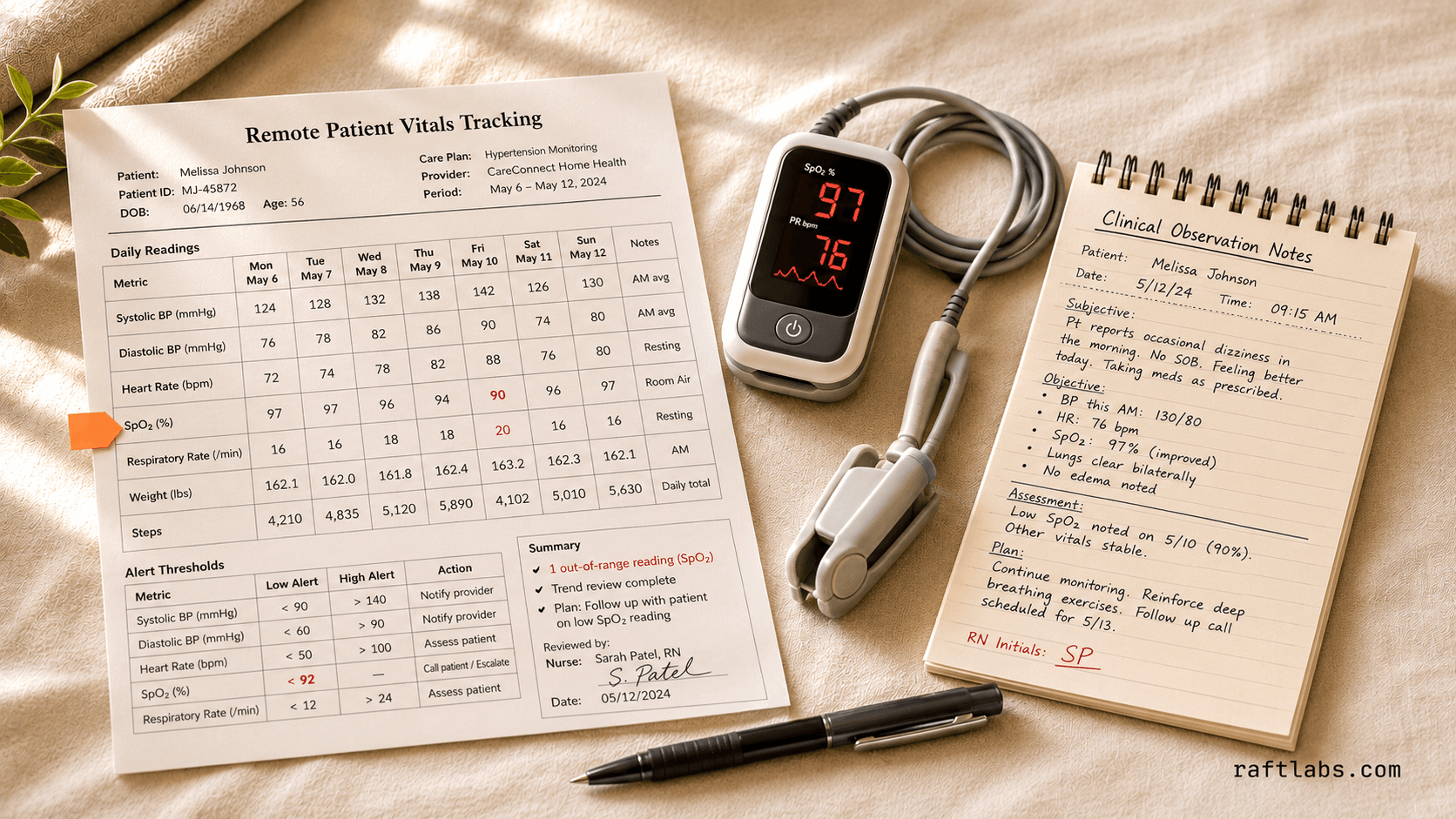
Remote Patient Monitoring Software Development
See the serviceTry it yourself
HIPAA Compliance Checklist
30+ requirements, plain-English, filtered to what you're building.
Open the free tool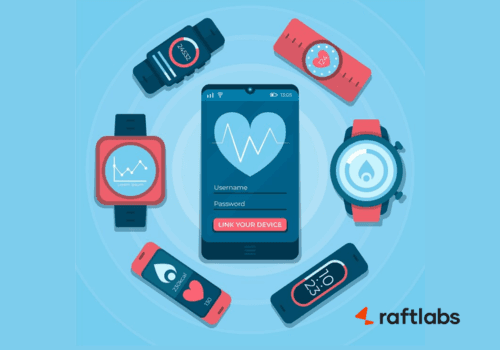
Article
Custom software development for healthcare with AI - what actually works
The digital health market is projected to reach $420 billion by 2026, yet 70% of healthcare digital initiatives fail. Here's what actually works - from managing 15+ legacy systems to building HIPAA-compliant software that cuts the 4.5-hour daily EHR burden on clinicians.
Read more
Article
Telemedicine App Development: Cost, Compliance, and What Actually Ships
Telemedicine app development costs $40K-$240K depending on HIPAA scope, EHR integration, and video infrastructure. This guide covers what to build, when to go custom over Doxy.me, and how RaftLabs ships compliant platforms in 12 weeks.
Read more
Article
What 133 Million Breached Healthcare Records Mean for Your App Build
2024 was the worst year on record for healthcare data breaches. Here is what the $7.42M average breach cost (IBM, 2025) means for any team building a healthcare or telehealth app today.
Read more
Article
Pharma software development: How to pick a partner
Pharma software isn't regular dev with compliance bolted on. Here's what separates a real pharma tech partner from one that learns GxP on your timeline.
Read moreA generic video platform handles the call. A mental health telehealth platform handles everything around it: structured intake, SOAP note templates linked to the appointment, validated outcome measure delivery and scoring, between-session secure messaging with audit logging, and CPT-coded billing claim generation, all designed around HIPAA's protected-health-information requirements.
We use HIPAA-eligible video infrastructure (Twilio Video, Daily.co, or AWS Chime SDK) with executed BAAs. Session recordings are stored in encrypted clinical record storage with access restricted to the treating clinician and authorised supervisors, with full access audit logging and timestamped consent records.
Yes. Individual sessions are one therapist and one client with a single clinical note. Group sessions support multi-participant calls with waiting room management, a group session record, individual progress notes per member, and per-member CPT billing.
A focused platform covering HIPAA-compliant video, scheduling, structured intake, and billing for a single practice or small group typically takes 14 to 18 weeks from requirements sign-off to go-live. Therapist matching and between-session tools add four to six weeks.
Work with us
Tell us your clinical workflow, your session types, and the problems your current tools create. We will scope a platform built around how your practice delivers care.
Go deeper