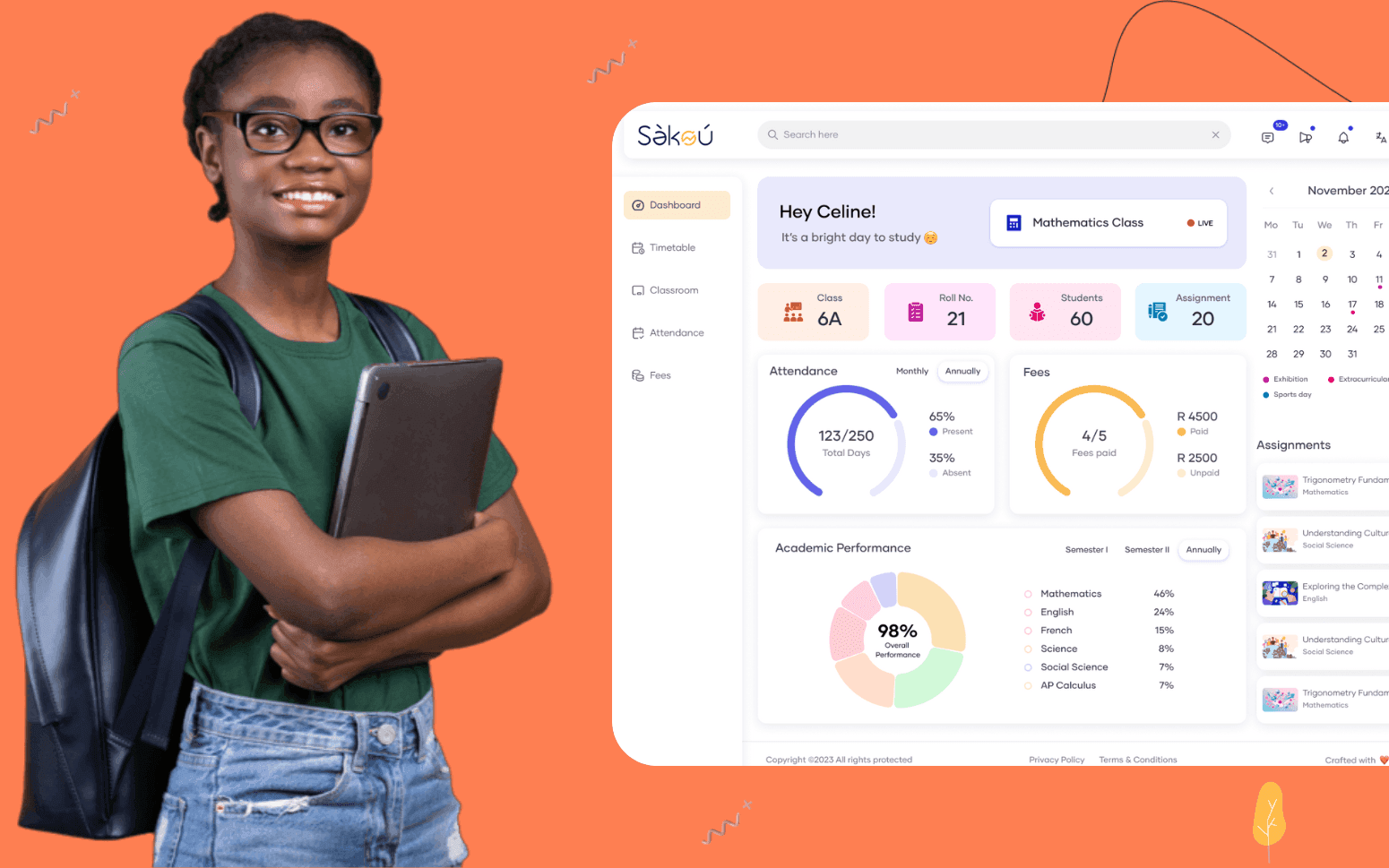
Multi-carrier shipping platform with live tracking across 70+ countries
- 70+
- countries with shipments tracked in year one
- 200+
- customers migrated with zero shipments interrupted
Manufacturing Supply Chain Visibility Software
Most manufacturing supply chain visibility is reactive. The parts do not arrive, the production line stops, and procurement spends the next two days chasing the supplier and the logistics provider for an explanation. A supply chain visibility system surfaces the disruption before it becomes a production problem: late shipments flag as risks when the carrier tracking first shows a delay, supplier performance data shows which suppliers are trending toward late delivery, and inventory positioning shows which production-critical materials are below safety stock before the production scheduler finds out the hard way.
Inbound shipment tracking with carrier API integration and expected arrival updates as the shipment moves
Supplier performance scorecards with on-time delivery rate, lead time accuracy, and quality rejection data
Inventory positioning across storage locations with reorder alerts before production-critical stock runs out
Disruption alerts when inbound delays or shortages will impact confirmed production orders
Bring the problem, the current workflow, or the existing code. We reply with a practical next step within one business day.
Trusted by










The brief
Good software decisions begin with the constraint, not a list of features or a preferred technology.
Are you finding out about inbound shipment delays when the parts do not arrive at the dock, rather than days before when you could still replan production?
Are your supplier performance decisions based on recent memory rather than 12 months of on-time delivery data?
Plain answer
RaftLabs builds supply chain visibility software for manufacturers: real-time inbound shipment tracking, supplier performance scorecards, inventory positioning, and disruption alerts that link a late shipment to the production orders it threatens. It reads from your ERP, MRP, WMS, and carrier APIs without replacing them. A validated v1 launches in 8 to 12 weeks, then grows.
What to remember
Proof
A supply chain visibility system surfaces the disruption before it becomes a production problem. Procurement and production planning get the lead time to expedite, substitute, or reschedule instead of reacting after the line has stopped. The system reads planned demand from your MRP run, open purchase orders and goods receipts from your ERP, and carrier tracking from the freight moving toward your dock. It ties all three back to the production orders at risk. Lot and batch traceability travels with the material, so a supplier quality hold does not turn into a plant-wide hunt for the affected parts.
Capabilities
Carrier API tracking with customs-clearance status and PO-to-shipment matching, generating early warning alerts ahead of the required delivery date.
OTIF rate, lead-time variance, and quality defect rate scorecards calculated automatically at every goods-receipt event.
Statistically grounded safety-stock calculation per SKU, with escalated alerts for production-critical materials trending toward shortage.
Automatic linkage of delayed shipments to affected production orders, with expedite, substitute, and reschedule options attached to each alert.
Self-service ASN submission, compliance document management, and proactive exception flagging that replaces email-and-phone status chasing.
Supplier risk-concentration analysis, geographic disruption mapping, and cost-of-disruption reporting for strategic sourcing decisions.
How we work
We map your supplier count, current inbound visibility, and what supply disruptions cost you. You leave week 1 with a written scope document and a fixed-price quote.
ERP, WMS, and carrier API integration mapped, with disruption-alert and safety-stock logic designed against your supply base.
Inbound tracking and supplier scorecards ship first as the validated v1, followed by disruption alerting and, in a later phase, the supplier portal and analytics.
Procurement and production planning teams trained on the new visibility workflow before full rollout, then we iterate on what live use surfaces.
Why us
The engineers who assess your supply base also build the solution. No bait-and-switch, no offshore handoff after the contract is signed.
We scope the work, calculate the cost, and lock it in writing before any development starts.
We built UrShipper, a multi-carrier shipping platform now moving shipments across 70+ countries. Real engagements across SaaS, fintech, healthcare, and logistics, not every one published as a named case study.
We don't replace your systems of record. We surface the data trapped in them so your team can act on it.
Working inbound tracking ships before the full system is complete.
What clients say
Three-year average engagement. Founders and operators describing the work in their own words. No marketing varnish.

 Indonesia
I definitely recommend RaftLabs, especially to solo founders like me. Their clear communication and detailed discussions have always helped me make better decisions.
Proof
Useful next steps
Work with us
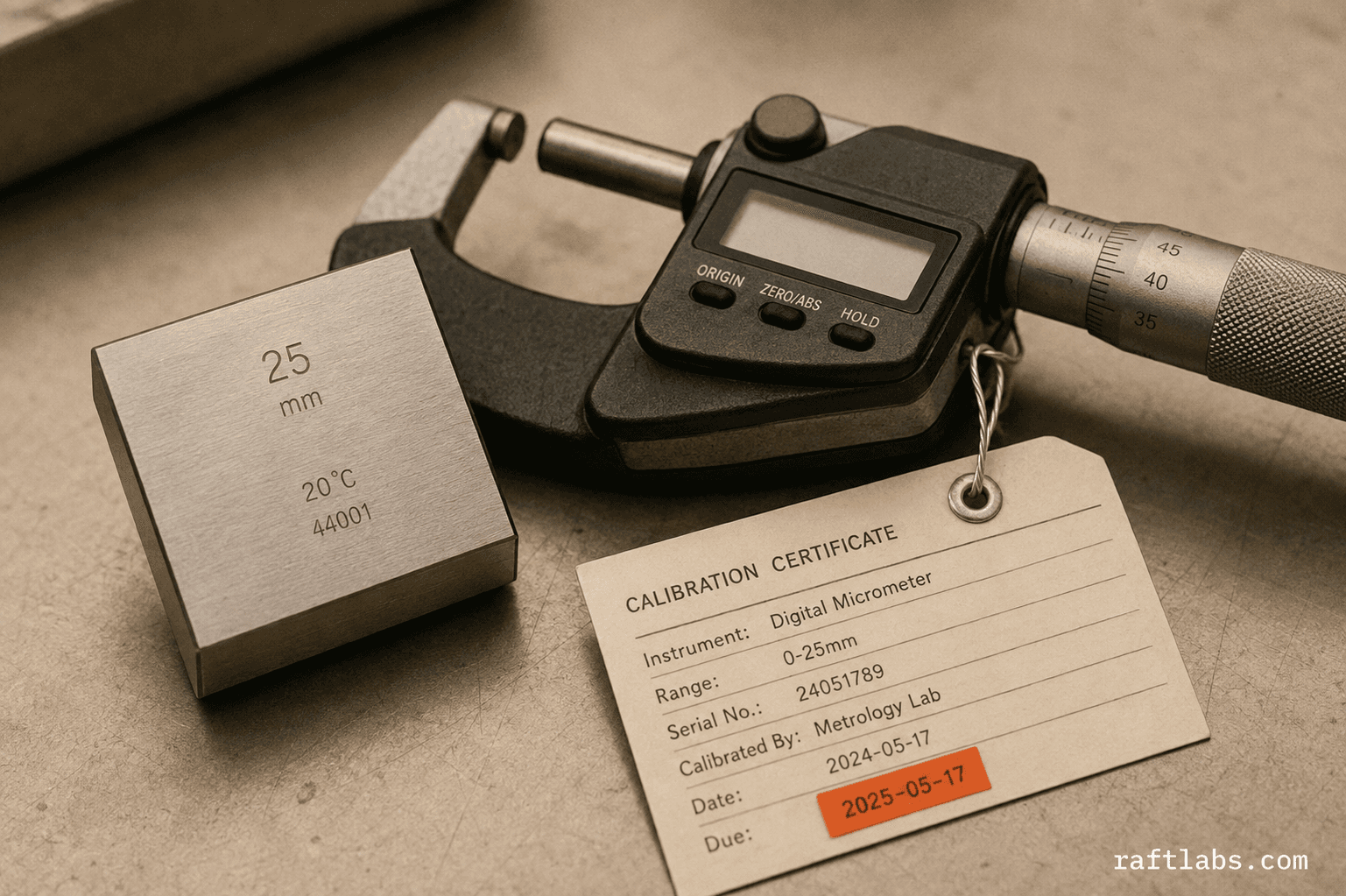
Calibration Management Software Development
See the serviceTry it yourself
Logistics Software Cost Calculator
TMS, fleet, freight, or shipping software. Honest build range in 3 minutes.
Open the free tool
Article
Prevent manufacturing downtime before it happens (predictive maintenance playbook)
Unplanned downtime costs manufacturers $50B a year. AI predictive maintenance cuts that number by 30-50% - but only when you get the sensor strategy and model architecture right. Here is what actually works.
Read more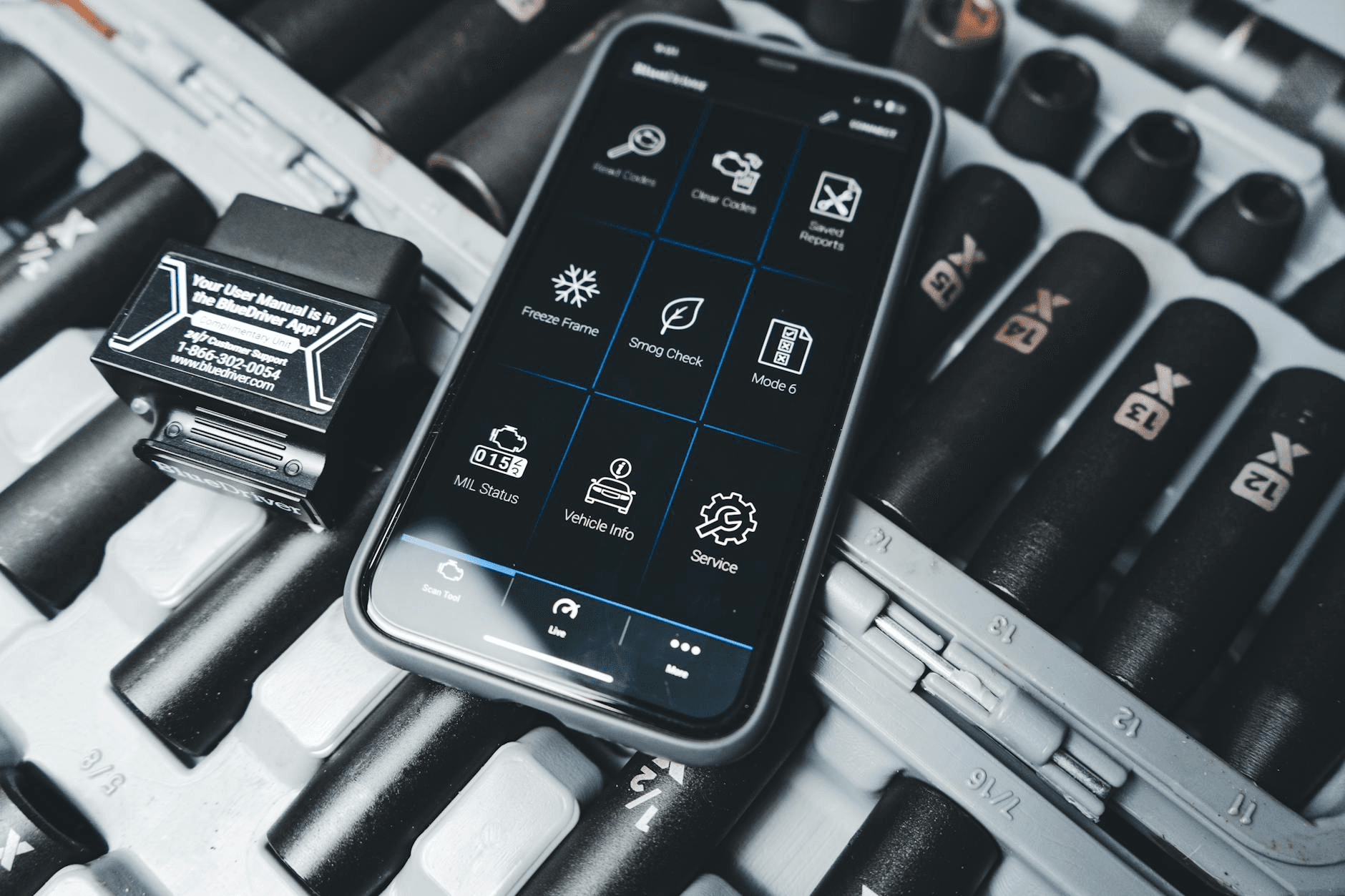
Article
Online Car Buying Platform Development: Cost, Timeline, and What You Actually Need
Auto dealers and used car marketplaces paying $1,500-$3,000 per lead to Carvana and CarGurus can build their own online car buying platform for $80K-$140K in 16-20 weeks. Here is exactly what that covers, where clone scripts fail, and who should build one.
Read more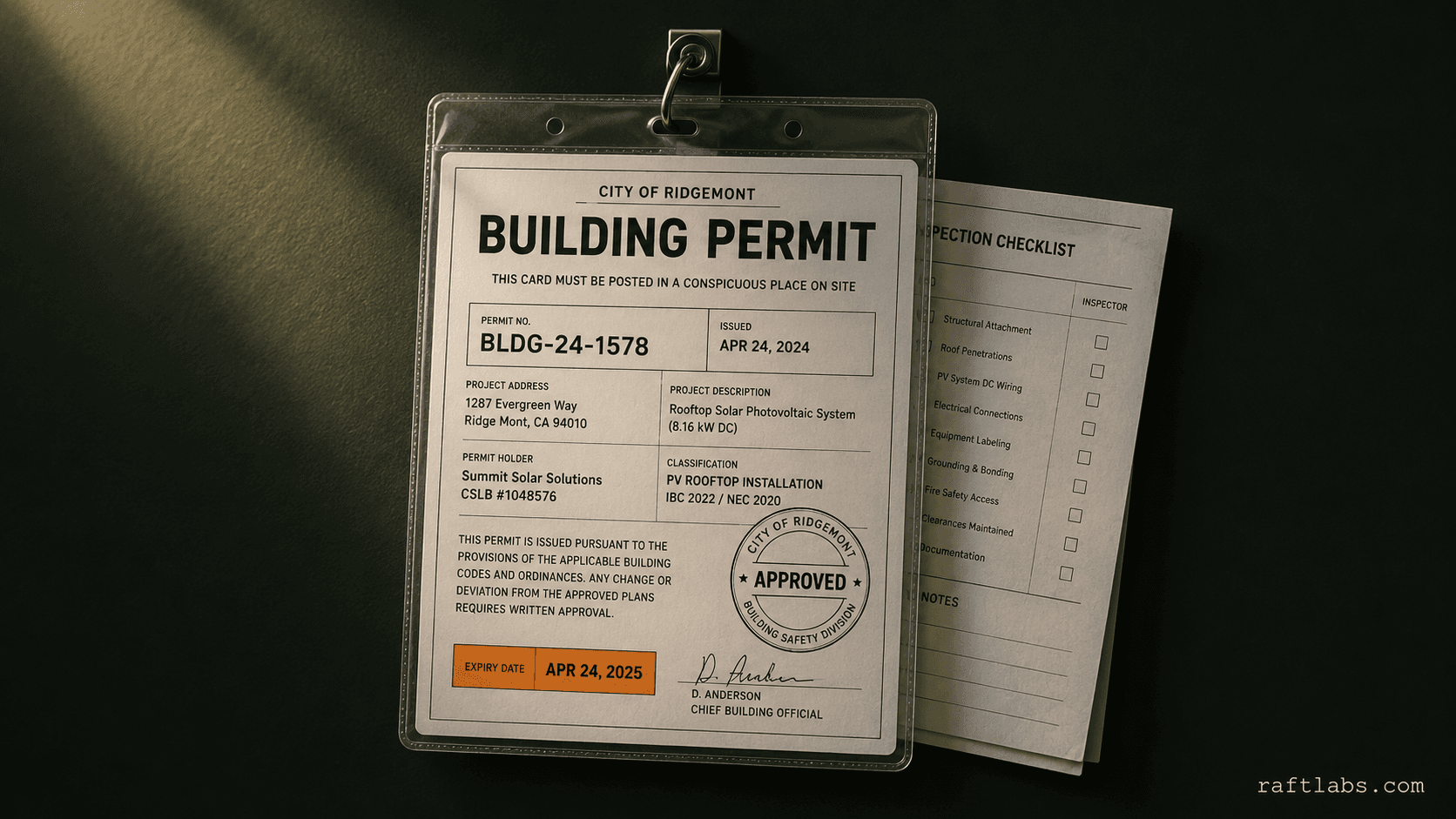
Article
Solar Software Development: Custom vs. Off-the-Shelf for Installation Companies
Running 50+ solar jobs a month on spreadsheets and Scoop Solar? Here's what custom solar software development costs, when it beats SolarNexus or JobNimbus, and how RaftLabs scopes a build in one call.
Read more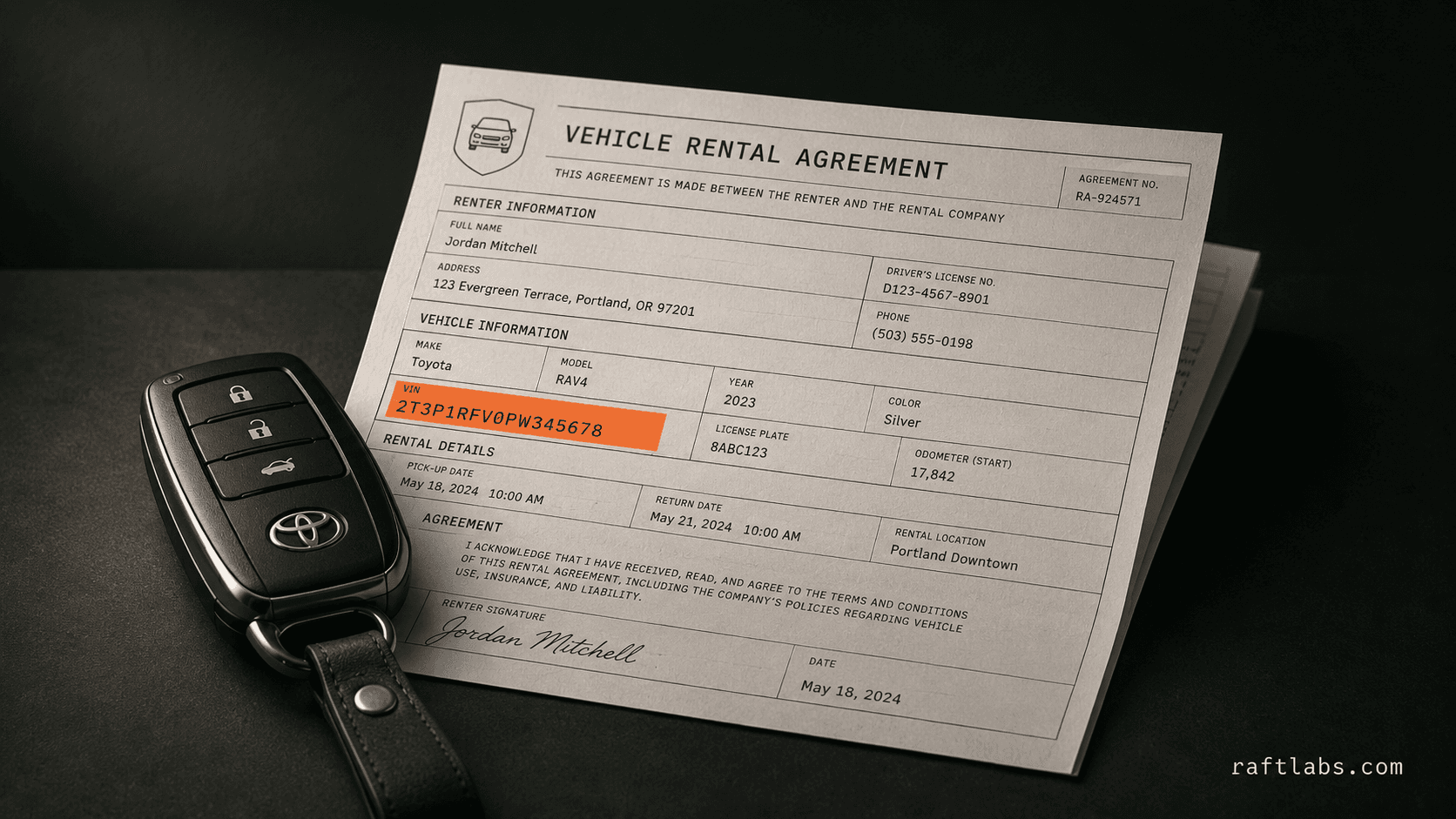
Article
Intelligent Document Processing for Automotive and Car Rentals
Intelligent document processing for automotive digitizes driver IDs, rental agreements, inspection reports, and service logs, accelerating rentals and compliance.
Read moreA supply chain visibility system integrates with your ERP for purchase order and inventory data, your WMS for warehouse and goods receipt records, carrier APIs (FedEx Insight, UPS, DHL) for shipment tracking, and supplier portals or EDI feeds for advance shipment notices. Most modern ERPs including SAP, Oracle EBS, NetSuite, and Dynamics 365 provide well-documented integration surfaces.
The system handles this through a tiered approach: direct integration for suppliers with tracking capability, automated email parsing for suppliers using email-based communication, and exception alerts prompting a manual chase for suppliers with no electronic communication.
A focused implementation covering inbound tracking, supplier performance monitoring, and inventory alerts typically takes 8 to 12 weeks. Broader implementations adding supplier portal, disruption impact analysis, and analytics dashboards run 12 to 16 weeks.
Yes. Supply chain visibility systems are built on top of your existing ERP and WMS rather than replacing them. Your ERP and WMS remain the systems of record; the visibility layer reads data from both, adds carrier tracking and supplier performance data, and presents it in a unified interface.
Work with us
Tell us how many suppliers, what your current inbound visibility looks like, and what supply disruptions cost you last year. We will scope a first module and give you a fixed price.
Go deeper