High-concurrency civic engagement platform, load-tested to launch scale
- 7,000-8,000
- concurrent users sustained in load testing
Game Backend Development
Game engines are excellent at rendering and physics. They are not server infrastructure. The backend that handles player accounts, persists game state between sessions, matches players for multiplayer modes, allocates game servers, and keeps the system running under peak load is a separate engineering problem that compounds in complexity as player counts grow. Custom game backend development means the infrastructure is designed for the concurrency target your game requires, not the prototype that was fast to ship.
Player profile and persistence layer designed for the read/write patterns your game creates
Session management and real-time state synchronization for multiplayer modes
Matchmaking infrastructure integrated with server allocation
Game server orchestration with auto-scaling for launch day and live event traffic
Bring the problem, the current workflow, or the existing code. We reply with a practical next step within one business day.
Trusted by















The brief
Good software decisions begin with the constraint, not a list of features or a preferred technology.
Player data scattered across a homegrown SQLite database and a Firebase project that was never designed for the access patterns a live game creates at scale?
Session management failing at peak concurrent player counts because the prototype architecture never had horizontal scaling designed in?
Plain answer
RaftLabs builds custom game backend infrastructure for game studios: player profile systems, session management, real-time matchmaking, game server orchestration, and the API layer game clients use regardless of engine. A focused v1 backend launches in about 10 to 14 weeks at a fixed cost with full source-code ownership; the full live-service backend grows from there.
What to remember
A studio builds incrementally. A quick player auth here. A Redis session store there. A matchmaking queue that never gets load tested, because there was always something more urgent.
Then launch day arrives and thousands of players connect at once. Sessions drop. Matchmaking stalls. The prototype architecture that was fast to ship was never designed for the concurrency the game just found.
The backend is a separate engineering problem from the game itself. It compounds as player counts grow, and it surfaces at the one moment you cannot afford it to.
Game engines are excellent at rendering and physics. They are not server infrastructure. Player accounts, state that persists between sessions, matchmaking, server allocation, and staying up under peak load are a separate engineering problem, and it grows harder as your player base grows. Custom game backend development means that infrastructure is designed for the concurrency your game actually reaches, not the prototype that was fast to ship.
RaftLabs has shipped production software since 2015 for clients across the US, UK, Europe, Canada, and the UAE. The closest work to a game backend is a civic-engagement platform we load-tested to 7,000 to 8,000 concurrent users on a single node before launch, holding p95 response under 350ms at 1,000 concurrent (VoterIQ, in the case study below). That is real-time concurrency engineering, not a shipped game, so we will say plainly where a managed service like PlayFab or Nakama is the smarter first step instead of recommending custom by default. The team that scopes your concurrency target is the team that builds it. We work with game studios at a fixed cost, with a focused v1 backend live in about 10 to 14 weeks.
Latency is the backend's job, and it decides how a game feels. Players do not read your architecture diagram; they feel the delay between input and result. The published thresholds are why we design for it from day one.
Everything on the left should already be true for your game. Even one thing on the right, and a managed service like PlayFab or Nakama is the smarter first step.
A multiplayer game with a real concurrent-player target, not a prototype still guessing at scale.
Requirements a managed platform can't cover: custom matchmaking logic, a complex in-game economy, analytics at ClickHouse speed, or data-ownership constraints.
Per-MAU platform pricing that stops making sense at your player counts, and budget for a custom build.
A single-player game with no backend beyond save files.
Standard requirements a managed service like PlayFab or Nakama already covers well.
A pre-launch prototype with no concurrency data to design against yet.
What we build
Tell us your game type, target concurrent player count, and which backend systems are blocking your launch or limiting your live service. We'll scope the right infrastructure and give you a fixed cost.
How it works
We map your game type, target concurrent player count, and release platforms. You leave week 1 with a written scope document and a fixed-price quote.
Session, matchmaking, and orchestration architecture designed for your concurrency target. The authoritative-versus-managed call, tick rate, and regional layout are decided here, before a line of production code is written.
Profile system, session management, and server orchestration built in parallel, tested against real load scenarios.
Load tested against target concurrency and launch-day traffic before go-live. You get the numbers we measured, including where the system starts to strain and the documented path to scale past it, not a vague promise that it will hold.
Most of what a game backend costs, in money and in operations, is set by a handful of architecture calls made early. Here is how we make them, and where we push back on the default answer.
What clients say
Three-year average engagement. Founders and operators describing the work in their own words. No marketing varnish.
 USA
USAI was pleased with RaftLabs team quality, consistency and execution.
Proof
Where you land in that range depends on scope, not negotiation:
What it costs
Player profiles, session management, matchmaking, and orchestration, designed for the concurrency your game requires and load tested before go-live.
Managed services like PlayFab or Nakama are the right starting point for standard requirements. We'll tell you when that's enough, and build the custom backend only once your concurrency genuinely outgrows it.
Starting investment
Starts at $35,000
A focused backend starts at $35,000 and ships in 10-14 weeks. Start with player profiles and session management, then add live-service infrastructure once you need it.
No hourly billing
Once we scope your first phase, that price is locked in writing. No hourly billing, no surprise invoices as the backend scales.
Studio-owned code
You get full source code ownership. No proprietary framework lock-in, nothing we can't hand to your team.
Useful next steps

Work with us
Business Valuation Software Development
See the serviceTry it yourself
Build vs Buy Calculator
The real cost of building in-house (most teams miss 40%).
Open the free tool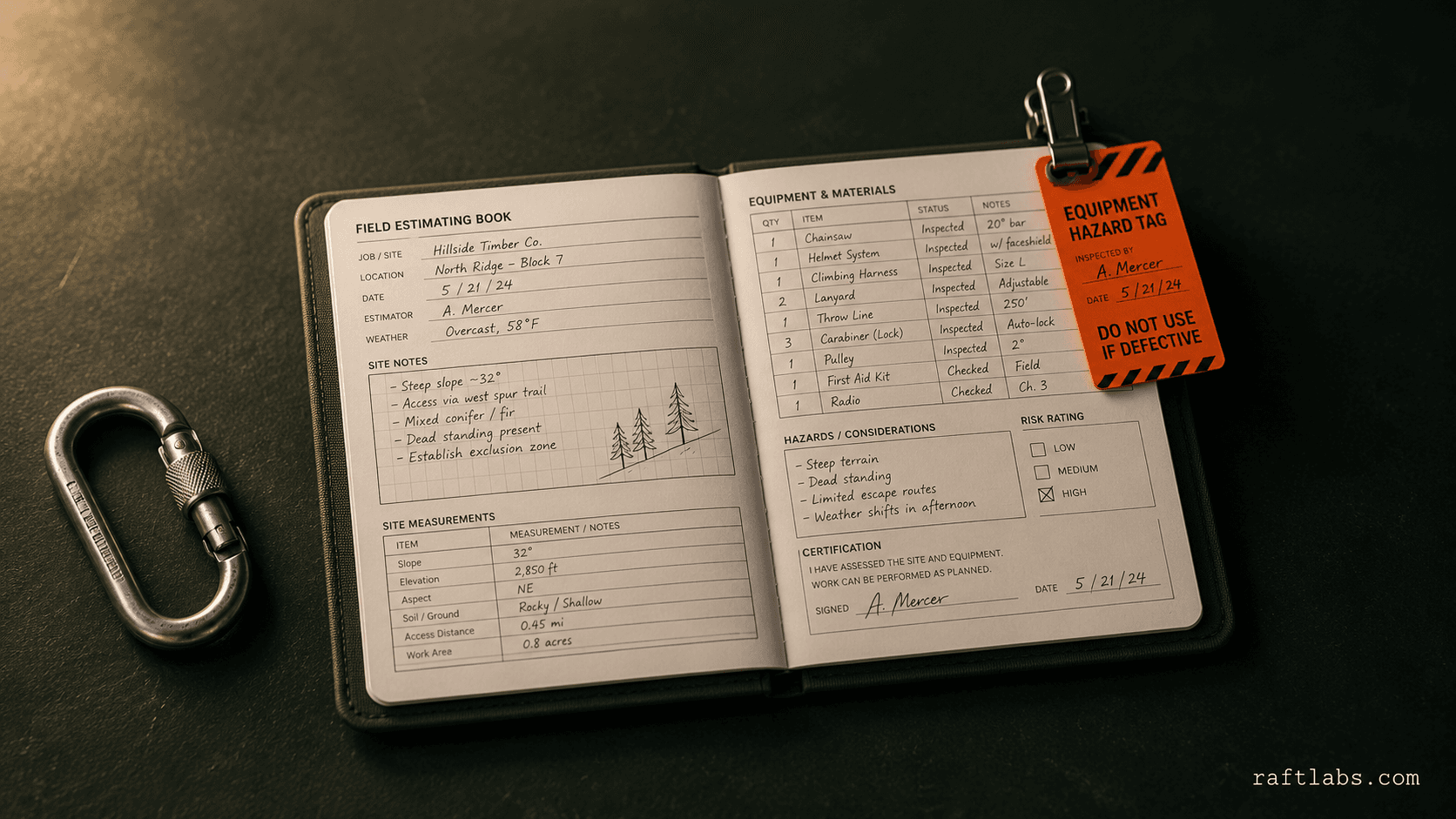
Article
Tree Service Software: Build Custom or Buy Off-the-Shelf?
Tree service software handles estimating, ISA certification enforcement, equipment scheduling, chemical treatment records, and storm surge dispatch. Here is what custom software costs, when ArboStar or Arborgold stop working, and what a real build looks like phase by phase.
Read more
Article
Serverless architecture with AWS Lambda: a practical guide
AWS Lambda runs code in response to events without server management. This guide covers real-world use cases, cold start trade-offs, and when Lambda is the wrong choice.
Read more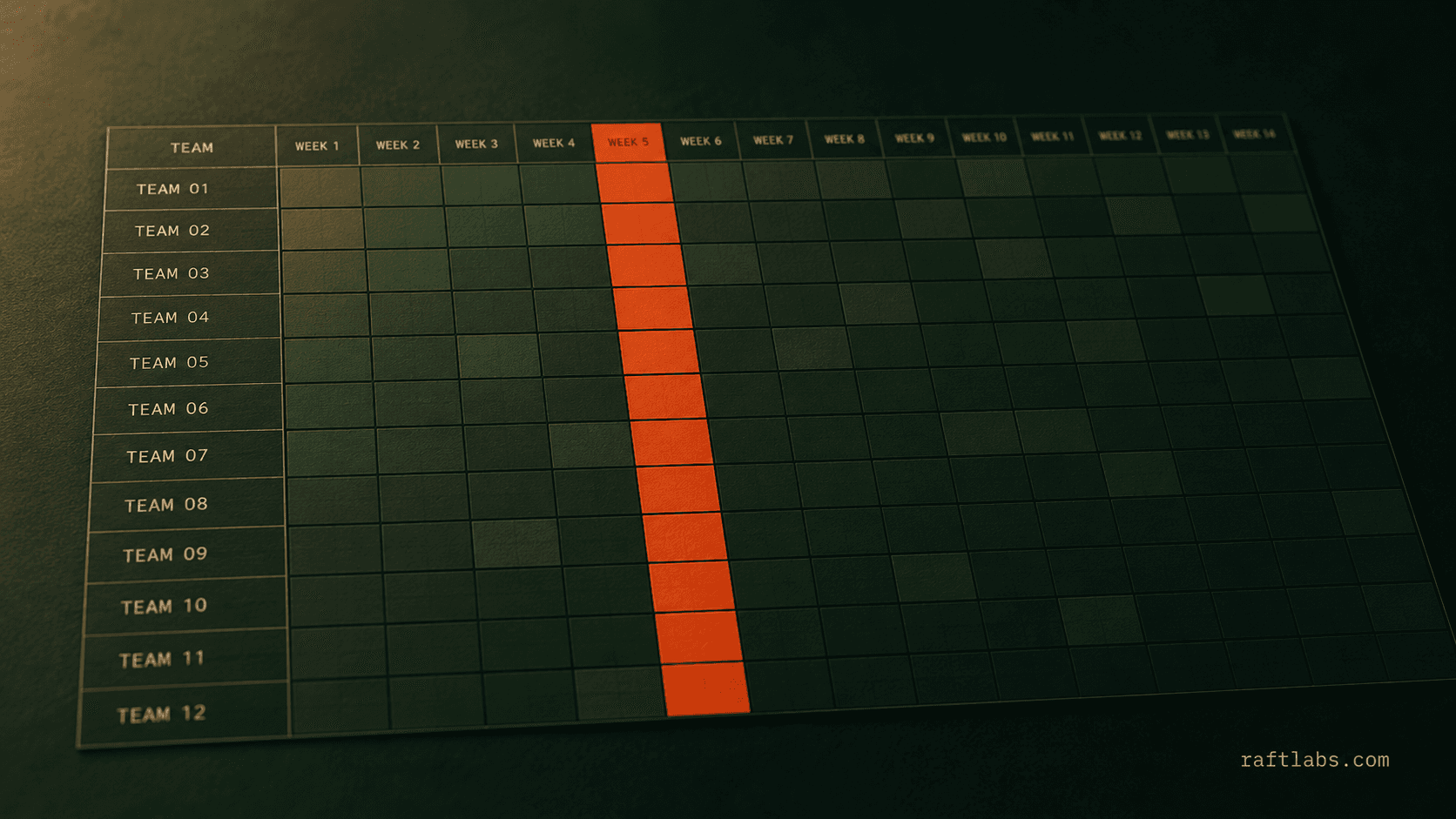
Article
Cost to Build a Team Sports App Like TeamSnap: What Sports Organizations Actually Pay
A regional youth soccer club with 40 teams pays $9,600/year in TeamSnap team subscriptions - with no white-label branding, no registration fee control, and player data locked in TeamSnap's system. Here is what it costs to build your own team sports management app ($60,000-$230,000), what COPPA compliance requires for youth player data, and when building makes sense for leagues and national federations.
Read more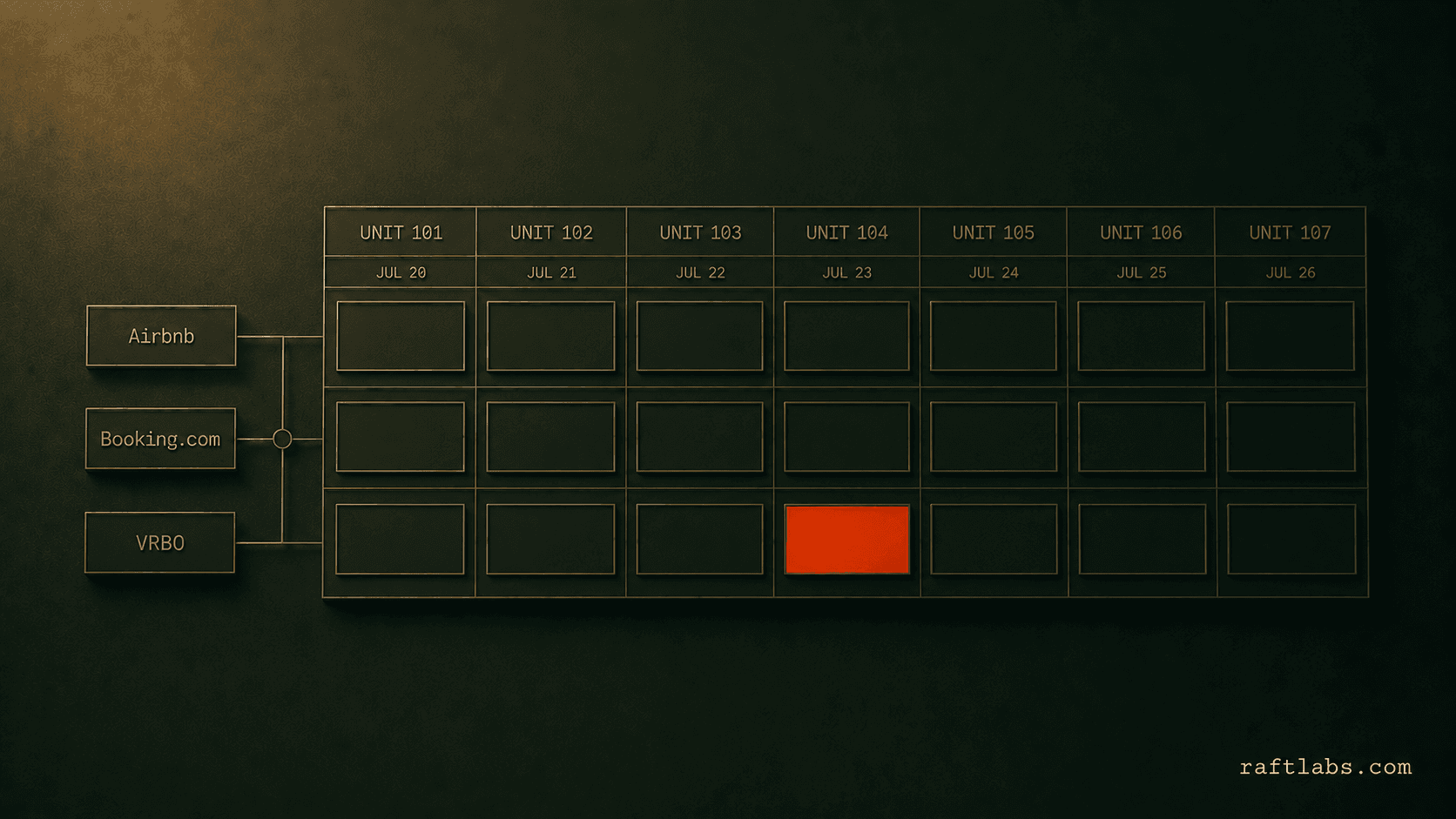
Article
Cost to Build Short-Term Rental Management Software Like Guesty: What Property Managers Actually Pay
A property management company with 100 listings pays up to $10,800 per year to Guesty while losing margin on every OTA transaction. Here is what it costs to build your own STR management platform ($90,000-$280,000), what OTA channel sync really requires technically, and when the math tips toward owning the stack.
Read moreManaged services are the right starting point for standard requirements. Custom becomes better when your game exceeds what the platform supports: custom matchmaking logic, complex economy, analytics requiring ClickHouse-level speed, data ownership requirements, or unit economics that make per-MAU pricing unsustainable at scale.
All environments are defined in infrastructure-as-code (Terraform or Pulumi) checked into version control. CI/CD pipelines deploy to staging automatically, with production gated on manual approval and smoke tests, and database migrations use Flyway or Liquibase with rollback scripts.
Yes. Steam, PSN, Xbox Live, Apple Game Center, and Google Play Games all use server-side token validation patterns to keep authentication authoritative on the backend. Platform certification requirements are scoped before development starts.
A backend covering player profiles, authentication, session management, and game server orchestration typically runs $35,000 to $70,000. A more complete backend with real-time communication infrastructure, platform integrations, and analytics pipeline typically runs $70,000 to $140,000.
Work with us
Bring the rough workflow, half-built product, or messy brief. We will map the smallest useful first move, then send scope, timeline, and price in plain English.
Go deeper