AI Use Case Finder
Find the AI project that pays for itself first.
- No signup
- 17 industries
- 54 use cases
Where these use cases come from
Real projects, not a brainstorm
About 60 of the use cases here come straight from RaftLabs client projects shipped in the last 24 months. The problem wording, the build shape, and the outcome ranges are what we actually saw, not category guesses.
The other 15 or so are from validated implementations we've reviewed inside customer ops, finance, and support teams that shared their numbers with us. A few come from public case studies where the vendor disclosed enough detail to be useful.
The list gets updated every time we ship a new client build or kill one that didn't earn its keep. If a use case is here, someone paid for it and measured it.
What the complexity tags mean
Quick win, mid build, heavy build
Each use case carries one of three tags. They map to how long the build takes, what it costs, and what has to be true about your data and systems before you start.
- 01
Quick win
Under 4 weeks. $10K to $25K. A single-model API call with prompt design, no new data pipeline, no fine-tuning. You already have the inputs in one place, or they fit in a paste-in workflow. Good for proving a use case before you commit to a bigger build. - 02
Mid build
8 to 12 weeks. $25K to $60K. Retrieval over your own content, integration with one or two business systems (CRM, helpdesk, ops dashboard), light data prep, and a human-in-the-loop step where it matters. Most of our work lands here. - 03
Heavy build
12+ weeks. $60K to $200K+. Fine-tuning or custom training on your data, multi-system integration, evaluation infrastructure, and compliance work (GDPR, HIPAA, SOC2). Picked when the use case is core to revenue or regulated, not when leadership wants something impressive.
01 Pick a sector
Where does your business actually run?
17 industries, 54 proven AI use cases. Each one shows the problem, the build, and the measured outcome, drawn from RaftLabs shipped projects.
Short answer›
The best AI use cases for business are those that automate high-volume, repetitive processes where humans make pattern-based decisions. Common examples include customer service automation, document processing, demand forecasting, and quality inspection.
How it works
This tool draws from RaftLabs’s delivery experience across 17 industries to surface AI use cases that match your sector.
Common questions
- Start with high-volume, repetitive processes where humans make pattern-based decisions. Look for areas with large data sets, consistent rules, and clear success metrics. Customer service, document processing, and quality control are common starting points.
- Healthcare, financial services, logistics, and manufacturing see the fastest ROI from AI adoption. These industries have large structured datasets, clear optimization targets, and high costs from manual processes.
- Most AI projects reach positive ROI within 6–18 months. Quick wins like chatbots and document classifiers can pay back in 3–6 months. More complex implementations like predictive maintenance or recommendation engines take 12–18 months.
Useful next steps
More on AI agents
Work with us
Enterprise AI Agents That Do the Work
See the service
Article
Why agentic AI projects fail before they ship
Agentic AI has failure modes that general AI project advice misses. Here are the 6 patterns that kill agentic builds before launch - and how to avoid each one.
Read more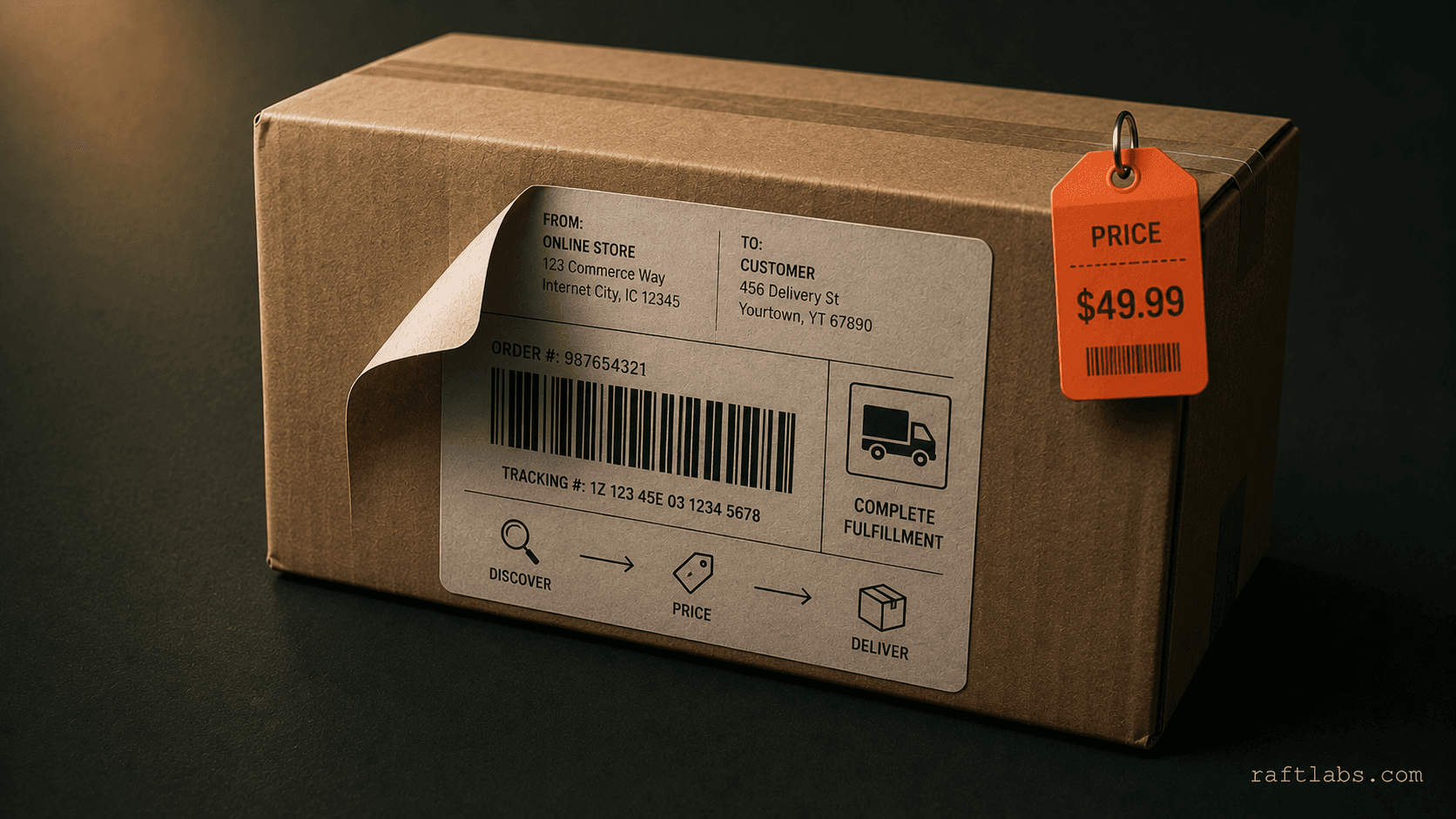
Article
AI agents for ecommerce: Search to full automation
Static recommendation engines are just 10% of AI's e-commerce value. AI agents handle discovery, search, pricing, and returns - the full buying experience.
Read more
Article
Your AI agent's accuracy looks fine. That number might be hiding a serious problem.
A 90% aggregate accuracy rate can coexist with an 88.9% wrongful denial rate for a specific cohort of your customers. Here's why that happens, what causes it, and what to check before you go live.
Read moreProof
TiAiMe: a sprawling AI life assistant, cut down to an MVP people could actually try
Read the case study