Restaurant app development, by the numbers
01
- to launch a validated v1, then iterate
- 10-14 wks
02
- rated by clients on Clutch
- 4.9/5
03
- order errors on Gula since launch
- 0%
04
- processed in Grubly's first 15 days
- $10K+
Restaurant app services
What we build
- 01
Mobile ordering and payment
iOS and Android ordering apps with real-time menu management, modifier handling (size, extras, dietary flags), and payment via Stripe, Apple Pay, and Google Pay. Orders flow directly to the POS and kitchen display without a manual re-entry step. The menu updates in the app the moment you update it in your POS - no admin panel to maintain separately.
- 02
Loyalty and rewards
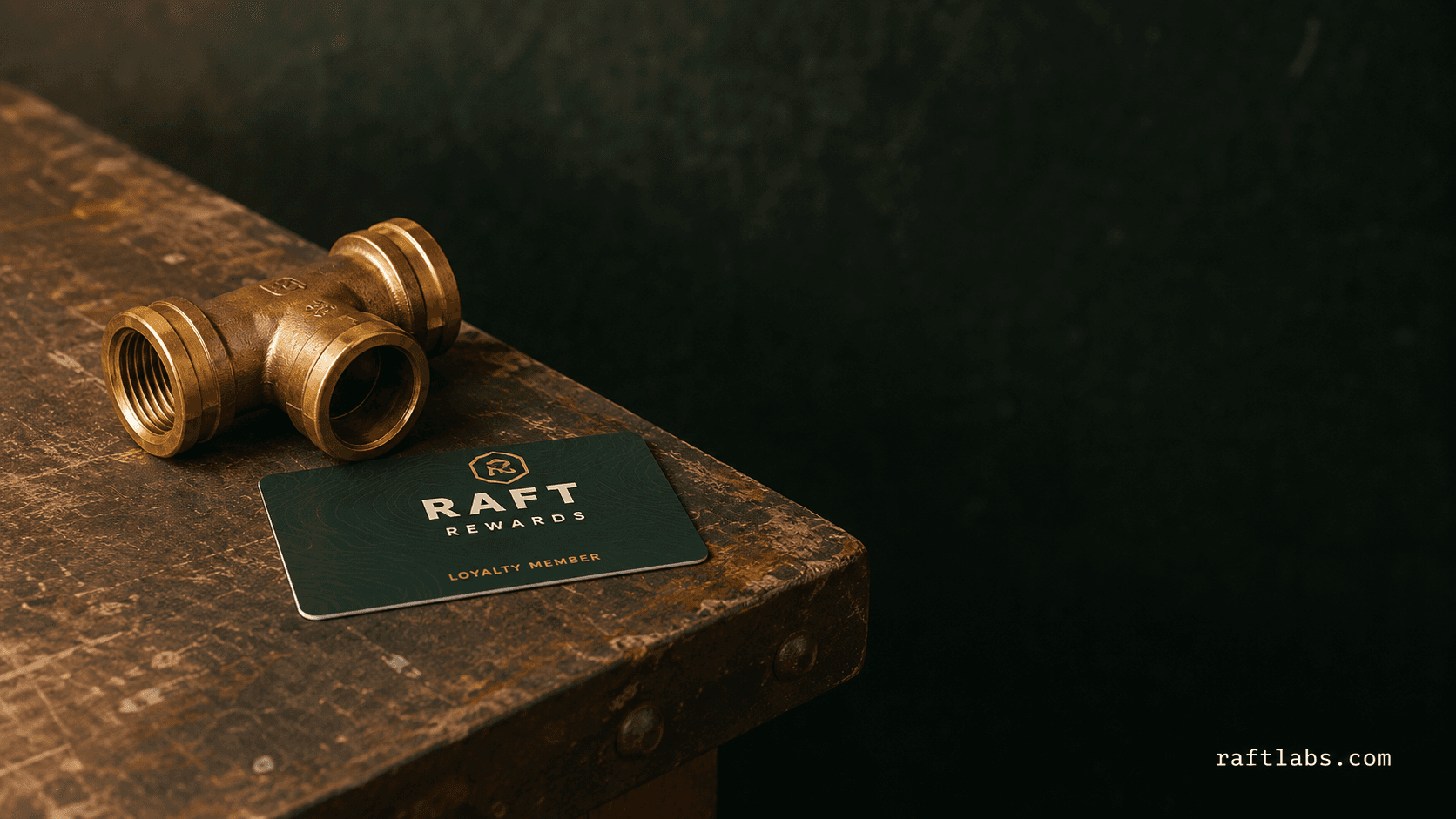
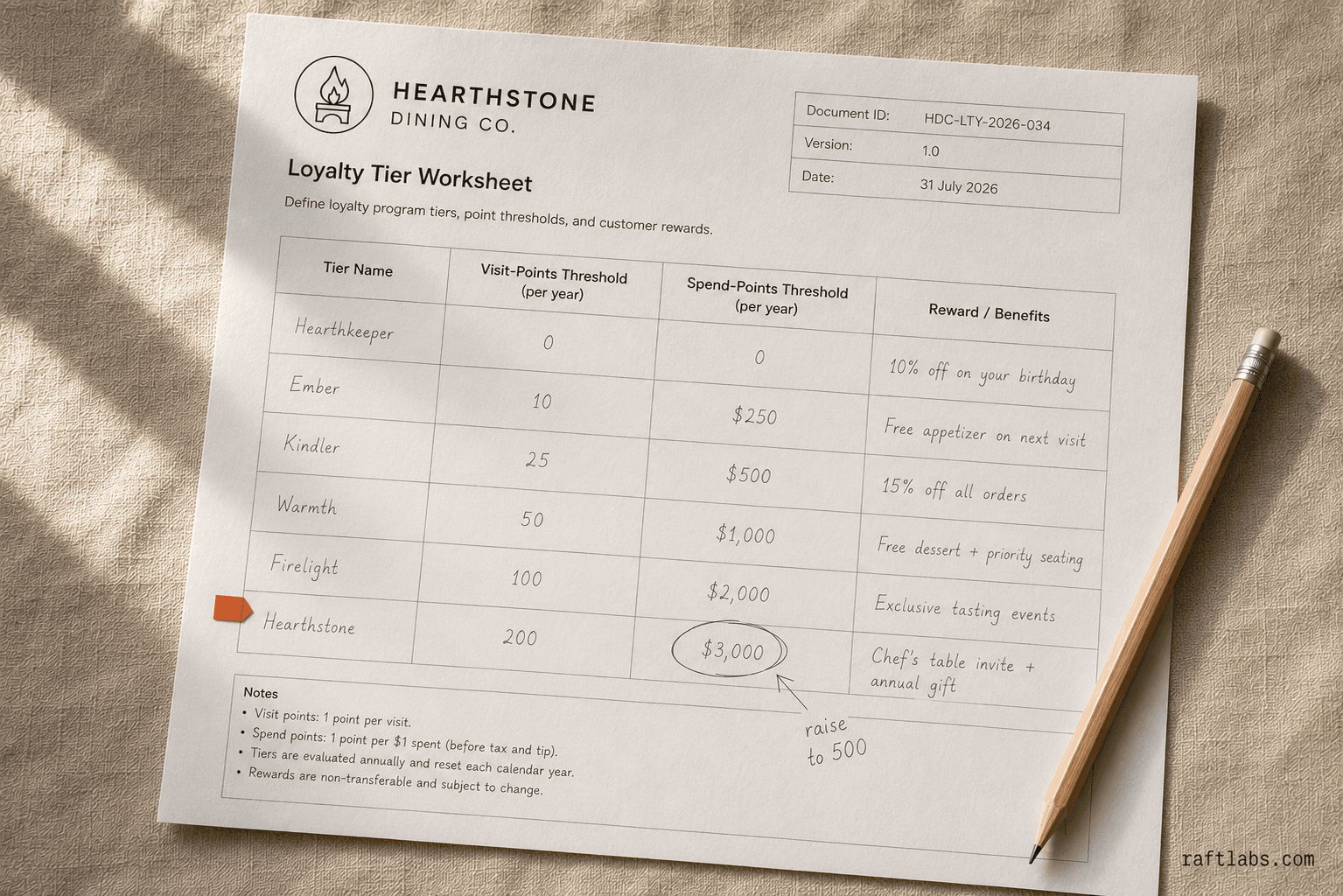
Built-in loyalty with visit-based stamps, spend-based points, tier rewards, and push notification re-engagement. Digital stamp cards that replace paper punch cards. POS-integrated earn so loyalty credits at the till without the guest scanning a QR code. The reward economics are designed around your actual margins, not a generic template.
- 03
Table reservations and waitlist
Real-time table booking with automated confirmation and reminder SMS or push. Walk-in waitlist management with text notification when a table is ready. Integration with OpenTable, Resy, and SevenRooms for restaurants that want consolidated reservation management. Self-service cancellation and modification so a guest who reschedules never has to phone the floor team.
- 04
Kitchen display system integration
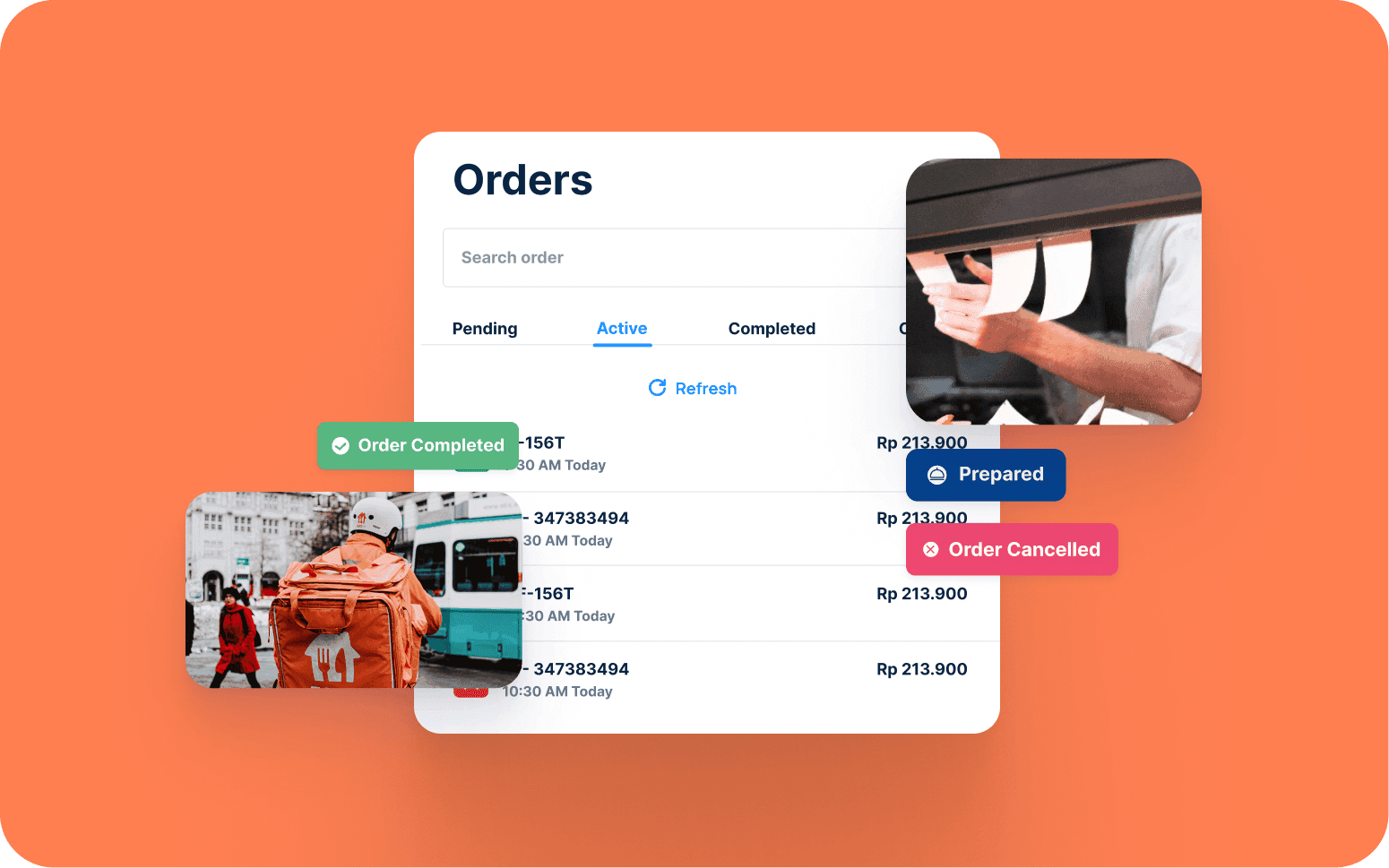
Orders from the mobile app flow to your KDS alongside till orders - no separate tablet army at the pass. Order status updates (preparing, ready, collected) are reflected in the customer app in real time. For venues with multiple kitchen stations, we route items to the correct display by course or category.
- 05
Pre-ordering and click-and-collect
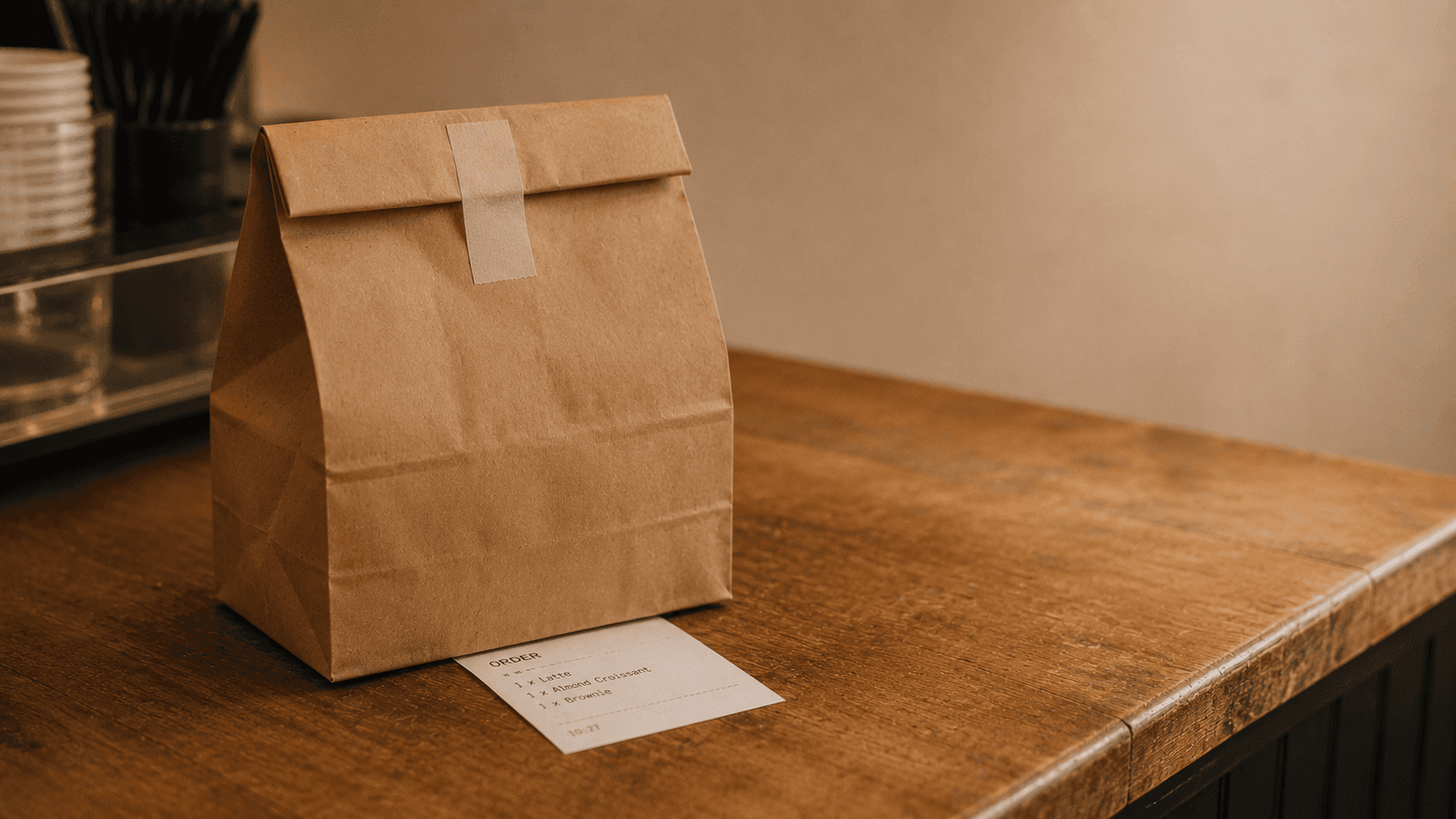
Order-ahead for lunch queues, collect-at-counter for coffee shops, and scheduled pick-up slots for peak trading periods. The order is in the queue before the customer arrives. Payment taken at order time. The kitchen sequence adjusts for the pick-up time so food is ready when the customer arrives, not sitting under a heat lamp.
- 06
Multi-venue restaurant group apps
One loyalty account that earns across all venues. Group-level analytics for management alongside venue-level dashboards for operators. Earn rules configurable per venue or group-wide. A consistent brand experience across 5 venues or 50. One codebase, one deployment, one admin panel.
- 07
Analytics and reporting
Order volume by hour, day-part, and venue. Top-selling items and modifier combinations. Average basket size by customer segment. Loyalty member cohort analysis - which reward threshold drives the most return visits. Revenue per cover for table service venues. Exportable reports and API access for your finance and operations teams.
According to NCR Voyix's 2025 Customer Experience Report, 58% of diners prefer to order delivery straight from a restaurant's own app or website, and 36% name earning loyalty points as a reason to order direct. Third-party marketplaces cannot offer that loyalty earn, saved preferences, or direct re-engagement. That is the structural advantage a first-party app holds, and the reason a direct channel keeps the margin the aggregators take.
Your own branded app vs a third-party marketplace
| Your own branded app | Deliveroo / Uber Eats |
|---|
| Commission per order | 0% to the platform (you pay processing only) | 25-30% of every order value |
|---|
| Customer data | You own the customer, order history, and contact permission | The platform owns the customer; you get an anonymised order |
|---|
| Loyalty earn | Points and rewards earn at the till, POS-triggered | No first-party loyalty; the platform's loyalty, not yours |
|---|
| Re-engagement | Push notifications and direct messaging between visits | You cannot contact the customer directly |
|---|
| Menu and pricing control | Set your own prices and modifiers; no platform markup | Platform pricing rules and menu formatting apply |
|---|
| Time to move behaviour | 3-6 months of retention work after launch | Immediate reach, but rented, not owned |
|---|
The process
From scope to live orders
- Week 1
01Scope and POS assessment
We map your operational flow - order types, kitchen routing, loyalty mechanics, venue structure - and assess the POS integration approach. You leave with a written scope document, integration plan, and a fixed-price quote before we write a line of code.
- Weeks 2-3
02Design sprint
Every screen wireframed in Figma, including error states, empty states, and edge cases. The ordering flow, loyalty view, and admin dashboard reviewed with your operations team before engineering starts. Changes at this stage cost nothing.
- Weeks 4-12
03Build and integrate
Bi-weekly sprint delivery. A working test build is available from sprint one. POS integration tested against a staging environment. Loyalty earn validated end-to-end - order placed, POS triggered, loyalty balance updated, push notification confirmed.
- Weeks 12-14
04QA, submission, and launch
Tested on real devices across iOS and Android. App Store and Google Play submission managed, including metadata, screenshots, and app privacy descriptions. We budget for one Apple review cycle. Full source code and admin credentials handed over at launch.
Proof
Apps we've shipped for hospitality and F&B
What clients say
What clients say
Three-year average engagement. Founders and operators describing the work in their own words. No marketing varnish.
Grady Lakshmono
 Indonesia
CoFounder, Gula (acquired by Runchise)
“RaftLabs elevated my ideas and brought them to life when everything seemed impossible.
Why us
Why restaurant operators choose RaftLabs
01POS integration is not an afterthought
We assess your POS system in week one and integrate at the API level - orders flow from app to till and kitchen without a manual step. We've integrated with Square, Toast, Lightspeed, Tevalis, and Clover. No generic webhook workaround.
02Loyalty built in, not bolted on
The loyalty mechanics are designed with the app from day one. Earn triggers from the POS. Points balances visible in the app. Push re-engagement configured before launch. Third-party loyalty plugins create fragile integrations and data silos - we build it as a first-party feature.
03Fixed price before development starts
Scope and cost locked in writing before we write a line of code. A scope change is a change request: priced and agreed before work begins. No "that was out of scope" conversations after launch.
048 weeks of post-launch support included
Bug fixes, OS compatibility updates, and POS integration monitoring after launch - included in the project price. On-call availability for critical issues in the first 30 days when edge cases in the ordering flow most commonly surface.
A restaurant app is easy to get 80% right and painful in the last 20%. These are the failure modes that surface in F&B builds, and how we design around each one before launch.
- POS sync at peak
- During a rush, a naive integration double-fires or drops tickets. We queue and idempotently reconcile orders against the POS so a slow till never produces a duplicate or a lost order.
- Modifier and dietary mapping
- Order types, modifiers, tax rates, and allergen flags must map exactly to what the kitchen sees. We test the full map against a staging POS before any live order goes through.
- Intermittent venue connectivity
- Basements and busy floors lose signal. We design ordering to hold and retry rather than fail, so a dropped connection does not lose the order or double-charge the guest.
- Loyalty economics
- A generous reward can quietly erode margin. We model the earn-and-redeem cost against your actual food cost so a free item on the fifth visit is a decision, not an accident.
- Adoption is not automatic
- Direct order volume moves over 3-6 months, not on launch day. We build reorder, saved preferences, and push re-engagement from day one rather than assuming the app sells itself.
- App Store review timing
- Privacy descriptions, payment disclosures, and metadata delay launches when handled late. We budget a full Apple review cycle and prepare store assets before submission.