Asset Management Software for Oil & Gas

When equipment failure is predictable but the data to predict it is trapped in spreadsheets

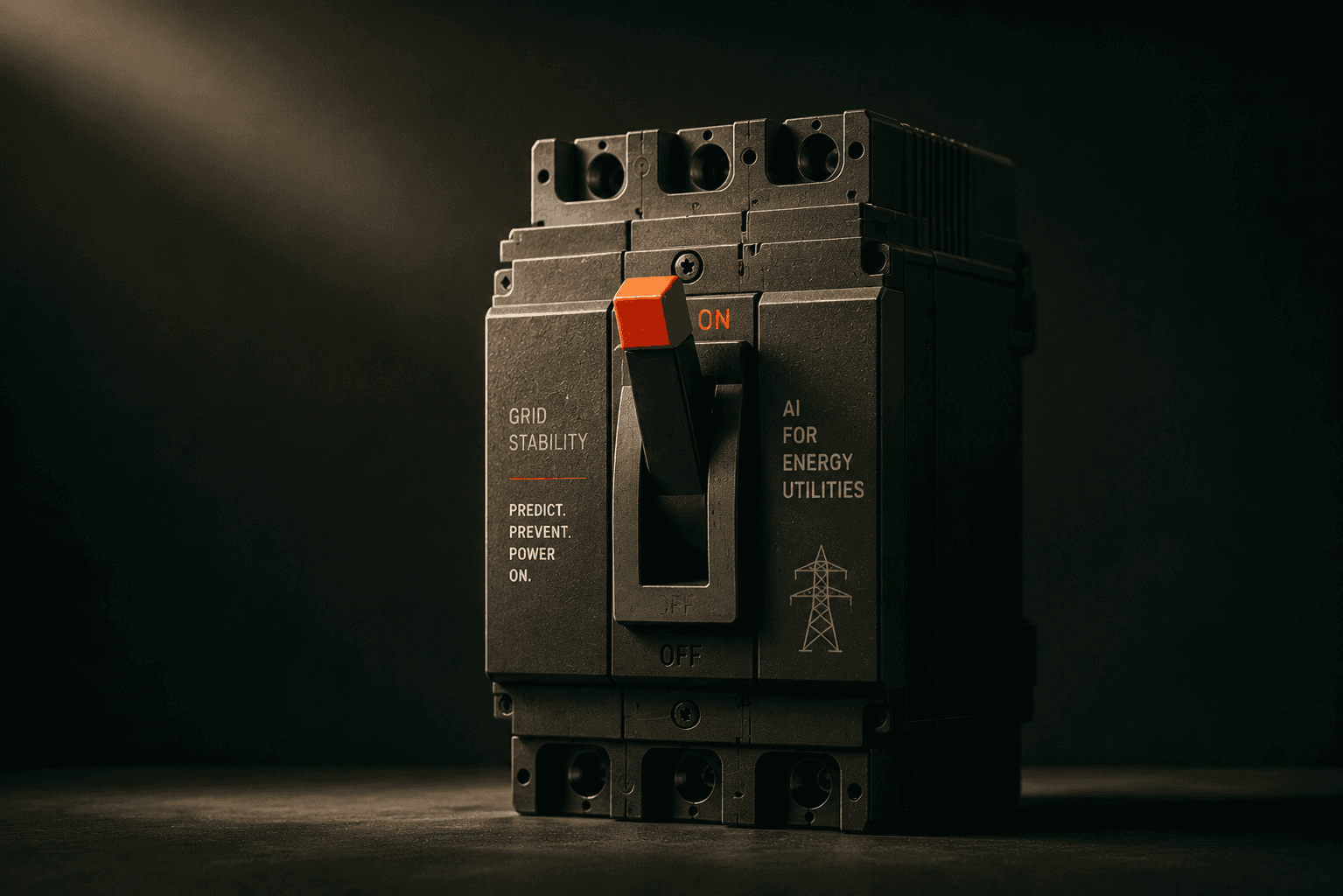
Asset integrity failures in oil and gas have consequences that go well beyond the equipment itself. A corroded pipeline that fails unexpectedly causes production loss, environmental release, and potential injury. A pressure vessel with a known thickness measurement trend that was never compared to the previous reading causes a fitness-for-service failure that should have been caught two inspection cycles earlier. The data to prevent these failures usually exists, it just exists in formats that make trending, comparison, and prioritisation either manual or impossible. We build asset integrity platforms that centralise inspection records, automate risk-based scheduling, and surface anomaly trends before they become failures.

  • Asset register with full technical specification, documentation, and inspection history per equipment item

  • Risk-based inspection scheduling by asset criticality and condition rather than calendar intervals

  • Inspection result recording with corrosion measurement trending and anomaly flagging

  • Anomaly management workflow from identification to fitness-for-service assessment and close-out

Bring the problem, the current workflow, or the existing code. We reply with a practical next step within one business day.

Trusted by

Vodafone logo
Aldi logo
Nike logo
Microsoft logo
Heineken logo
Cisco logo
Calorgas logo
Energia Rewards logo
GE logo
Bank of America logo
T-Mobile logo
Valero logo
Techstars logo
East Ventures logo
TuneClub logo

The brief

Start with what is not working.

Good software decisions begin with the constraint, not a list of features or a preferred technology.

01

Inspection records scattered across spreadsheets and paper files so when an anomaly is found on a vessel, there's no fast way to see the inspection history or compare it to the previous reading?

02

Inspection programme driven by calendar intervals rather than asset condition and criticality, so you're inspecting low-risk equipment on the same schedule as equipment where a failure would mean a production shutdown?

Plain answer

RaftLabs builds custom asset management software for oil and gas operators. It centralises the asset register, schedules risk-based inspections by criticality, trends corrosion measurements, manages anomalies through fitness-for-service close-out, and integrates with existing CMMS platforms like SAP PM and IBM Maximo. A validated v1 ships in about 12 to 16 weeks at a fixed cost, then grows from there.

What to remember

  • Risk-based inspection scheduling enforces regulatory minimum intervals (PHMSA, ASME, API) as a floor, only ever scheduling more frequent inspection, never less.
  • Thickness measurement trending calculates minimum remaining life from current corrosion rate, giving an auditable basis for interval adjustments.
  • Anomaly close-out requires a documented fitness-for-service assessment with method, assumptions, results, and the assessing engineer's qualification recorded.
  • A platform covering asset register, RBI scheduling, and inspection recording runs $50,000-$90,000; adding anomaly management and CMMS integration runs $80,000-$140,000.

Proof

Since 2015
shipping production software for operators and industrial teams
RaftLabs delivery record
4.9/5
average client rating across delivered projects
Clutch, verified reviews
Fixed price
scope and cost agreed in writing before any development starts
Every RaftLabs engagement

Custom asset integrity software for oil and gas operators

We build custom asset integrity software for oil and gas operators. It centralises inspection records, automates risk-based scheduling, and surfaces anomaly trends before they become failures. Every part is built around the equipment types, inspection methods, and regulatory codes specific to oil and gas, so the data you already collect finally drives the decisions it was meant to.

Capabilities

What we build

  • 01
    Asset register and documentation

    Full equipment hierarchy with technical specification, design data, and documentation attached directly to each asset record.

  • 02
    Risk-based inspection scheduling

    Criticality- and condition-driven intervals enforcing regulatory minimums as a floor, with automatic schedule adjustment on inspection results.

  • 03
    Inspection result recording

    Corrosion trending with minimum-remaining-life calculation, and inspection findings classified by severity for triage.

  • 04
    Anomaly and fitness-for-service management

    Documented FFS assessments with assessor qualification recorded, risk-ranked open anomalies, and MOC linkage for resolutions.

  • 05
    Preventive and corrective maintenance

    PM schedules generating work orders automatically, with corrective work linked directly to the originating inspection finding.

    Built with
    SAP PM · IBM Maximo
  • 06
    Integrity reporting and compliance

    Programme compliance and corrosion fleet reporting, pipeline integrity management plan compliance, and regulatory submission exports.

How we work

From scope to live integrity platform

  1. Week 1
    01

    Asset base and CMMS scoping

    We map your asset base, current inspection programme, and CMMS setup. You leave week 1 with a written scope document and a fixed-price quote.

  2. Weeks 2-5
    02

    Risk model and integration design

    Criticality classification, inspection methods, and CMMS integration designed against your equipment types and regulatory framework.

  3. Weeks 6-14
    03

    Build and integrate

    Asset register, RBI scheduling, and anomaly management built in parallel, tested against real inspection data.

  4. Final 2-3 weeks
    04

    Launch and team training

    Integrity and inspection teams trained on the new workflow before full rollout.

Why this matters

estimated global annual cost of corrosion, about 3.4% of global GDP
$2.5T
NACE International IMPACT study, 2016
of that cost is avoidable with sound corrosion and integrity management
15-35%
NACE International IMPACT study, 2016

The gap is rarely detection. Operators already run ultrasonic thickness surveys, magnetic particle inspection, and intelligent pigging. The gap is what happens to the reading afterward: a thickness measurement that is never trended against the previous one, an anomaly logged in a spreadsheet no risk model ever sees. Asset integrity software closes that loop by turning every inspection into a comparable, auditable data point.

Why us

Why oil and gas operators choose RaftLabs

  • 01
    Senior engineers build what they scope

    The engineers who assess your asset base also build the solution. No bait-and-switch, no offshore handoff after the contract is signed.

  • 02
    Fixed price before development starts

    We scope the work, calculate the cost, and lock it in writing before any development starts.

  • 03
    Enterprise clients, enterprise standards

    Real engagements across SaaS, fintech, healthcare, and logistics, not every one published as a named case study.

  • 04
    Integrates with your CMMS, doesn't replace it

    SAP PM and Maximo remain the system of record for work execution.

  • 05
    Regulatory minimums enforced, never bypassed

    The risk model schedules more frequent inspection than the minimum, never less.
Useful next steps

More on manufacturing & energy

Frequently asked questions

Yes. We build the asset integrity capability as a layer that feeds data to the existing CMMS. Inspection work orders originate in the integrity platform and push to SAP PM or Maximo for execution; completion data flows back to update the inspection record.

Where a regulation sets a mandatory maximum inspection interval, as PHMSA Pipeline Safety Regulations and ASME/API codes do, the system enforces that interval as a floor below which the calculated interval cannot fall. The risk model can schedule more frequent inspection than the minimum but never less.

The risk-based inspection model follows API 580 and API 581, and the platform records inspections against the equipment-specific codes your programme runs under: API 510 for pressure vessels, API 570 for process piping, API 653 for storage tanks, and PHMSA and ASME requirements for pipelines. Intervals, thickness limits, and assessment methods are configured per code.

The platform is configurable for any inspection method: ultrasonic thickness measurement, magnetic particle inspection, dye penetrant testing, radiography, ACFM, intelligent pigging, visual inspection, and cathodic protection survey, across pressure vessels, pipelines, storage tanks, and rotating equipment.

A platform covering an asset register, risk-based inspection scheduling, inspection result recording, and a management dashboard typically runs $50,000 to $90,000. Adding anomaly management with fitness-for-service workflow and CMMS integration brings the total to $80,000 to $140,000.

Work with us

Have an asset integrity project?

Tell us your asset base, current inspection programme, and CMMS setup. We'll scope an integrity platform built around your equipment types and regulatory framework.

  • Scope and cost agreed before work starts. No surprises. No obligation.
  • Working prototype within 3 weeks of kickoff.
  • Pay by milestone. You see progress before each invoice.
  • 60-day post-launch warranty. Bug fixes, UI tweaks, and deployment support. No retainer.
  • All conversations are NDA-protected.