Piano tuning cost calculator
Price a tuning visit from your own numbers. Add the tuning fee, a pitch raise, regulation hours, repair items, and travel, and see the visit total and the cost per piano.
- Your own prices only
- Multi-piano discount
- Per-piano view included
Before you run the numbers
One visit, several parts
A tuning visit is rarely just a tuning. The piano may need its pitch brought back up first, the keys may need adjusting, and a small repair may be added while the tuner is there. Each part is priced separately, which is why two visits can cost very different amounts.
Enter the prices your tuner charges, or the prices you charge if you are the technician, and the calculator adds the parts into one visit total.
Your numbers
Repair items
Result
Visit total
Enter your own prices on the left to see the total.
Short answer
The cost of a piano tuning visit is the tuner's own tuning fee for each piano, plus any pitch raise, regulation work charged by the hour, repair items, and travel. This calculator adds those parts together using only the prices you enter, so the total reflects your tuner and your pianos.
What the price covers
What a piano tuning visit includes
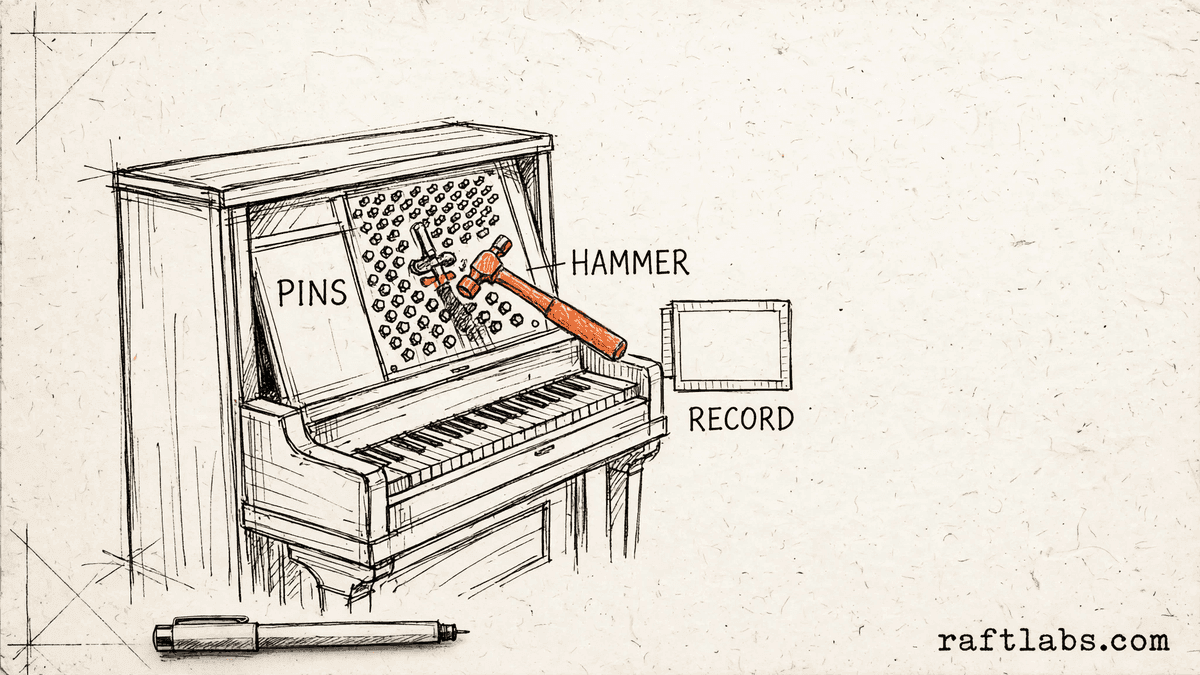
Tuning means setting the pitch of every string so the notes sound right together and match the piano's target pitch. It is skilled listening work done with a tuning hammer on the tuning pins, and it is the core of every visit.
Around that core sit the extras. A pitch raise is needed when a piano has dropped well below pitch. Regulation adjusts the moving parts so the keys feel even. Repairs fix single faults, one item at a time. Travel covers the trip itself. A clear quote names each part on its own line, so you can see what you are paying for and drop or defer a part if you need to.
| Part of the visit | What it covers | How it is priced here |
|---|---|---|
| Tuning | Setting the pitch of every string so the piano plays in tune | Your fee per piano, times the number of pianos |
| Pitch raise | Bringing a piano that has fallen well below pitch back up before a fine tuning | A flat extra price you enter, only when included |
| Regulation | Adjusting the action so keys respond evenly across the keyboard | Your price per hour, times the hours you enter |
| Repairs | Individual fixes such as a sticking key or a broken string | One line per item, each at your own price |
| Travel | Getting the tuner to your building or home | A flat fee you enter |
The math
How the visit total is worked out
The tuning line is your tuning fee times the number of pianos, reduced by any multi-piano discount you enter. The discount applies to that line only. Everything else is added on top at the prices you enter.
Tuning line = tuning fee x pianos x (1 - discount)
Visit total = tuning line + pitch raise + (regulation price per hour x hours) + repair items + travel
Example: a school enters its tuner's tuning fee of 120 per piano for 4 pianos, with a 10 percent multi-piano discount on the tuning line. It adds a pitch raise priced at 60 for one piano, no regulation work, one repair item priced at 45, and a travel fee of 25. These are example inputs only, entered to show the math.
Tuning line: 120 x 4 x 0.90 = 432
Visit total: 432 + 60 + 0 + 45 + 25 = 562
Per piano: 562 / 4 = 140.50
Change any input and the total changes with it. Nothing in the calculator assumes a price for you, so the same page works for a home piano, a teaching studio, or a school with a row of practice rooms.
Getting an accurate quote
What changes the price of a visit
Four things explain most of the gap between one quote and the next. Naming them when you ask for a quote gets you a firmer number the first time.
- 01
How far the pitch has fallen
A piano that was tuned recently may need only a standard tuning. A piano left for years may need a pitch raise first, which adds a separate line to the visit.
- 02
The condition of the action
Worn or uneven moving parts can call for regulation work or small repairs. That work is priced by time and by item, so it changes the total more than the tuning fee alone suggests.
- 03
How many pianos share the visit
Schools, studios, and churches often have several pianos tuned in one trip. A discount on the tuning fee per piano is common in that setting, while travel is charged once for the visit.
- 04
Travel and access
Distance, parking, and whether the piano is easy to reach all affect a travel fee. Tell the tuner where each piano sits so there are no surprises on the day.
To get an accurate quote, tell the tuner the make and age of each piano, when it was last tuned, and any faults you already know about. If you run a piano service business and want scheduling, tuning records, and reminder cycles in one place, see the service linked below.
Frequently asked questions
Straight answers to what buyers ask before they scope. Still stuck? .
- Start with the tuning fee for each piano. Then add a pitch raise if the piano needs one, any regulation work charged by the hour, the price of each repair item, and a travel fee if your tuner charges one. The calculator adds those parts together using only the prices you enter.
- A pitch raise is extra work done before a fine tuning when a piano has fallen well below its target pitch, often after a long gap between tunings. One pass is not enough to hold the piano steady, so the tuner brings the pitch up first and then tunes. Ask your tuner whether your piano needs one before you include it.
- Regulation is the adjustment of the moving parts inside the piano so the keys respond evenly and the action feels consistent. It is separate from tuning, which only sets the pitch of the strings. Regulation is usually priced by the hour, so the calculator asks for your tuner's hourly price and the number of hours.
- In this calculator the discount applies to the tuning line only, not to pitch raises, regulation, repairs, or travel. That matches how many schools and studios agree a discount: a lower tuning fee per piano when several pianos are tuned on the same visit, with extra work still priced on its own.
- That depends on how much the piano is played, where it sits, and how stable the room temperature and humidity are. A piano in daily use in a school or studio usually needs more frequent visits than a piano played now and then at home. Your tuner can suggest a schedule after hearing and seeing the instrument.
- No. It gives you a clear total built from the prices you enter, which is useful for planning and for comparing quotes on the same basis. A final quote comes from the tuner after they know the make, age, and condition of each piano and what work it actually needs.
Stay on topic
More for piano services
The tools give you a range. A call gives you a number.
30-minute scoping call. We will walk through your booking flow, tuning records, and reminder cycles, and you leave with a build estimate you can act on.