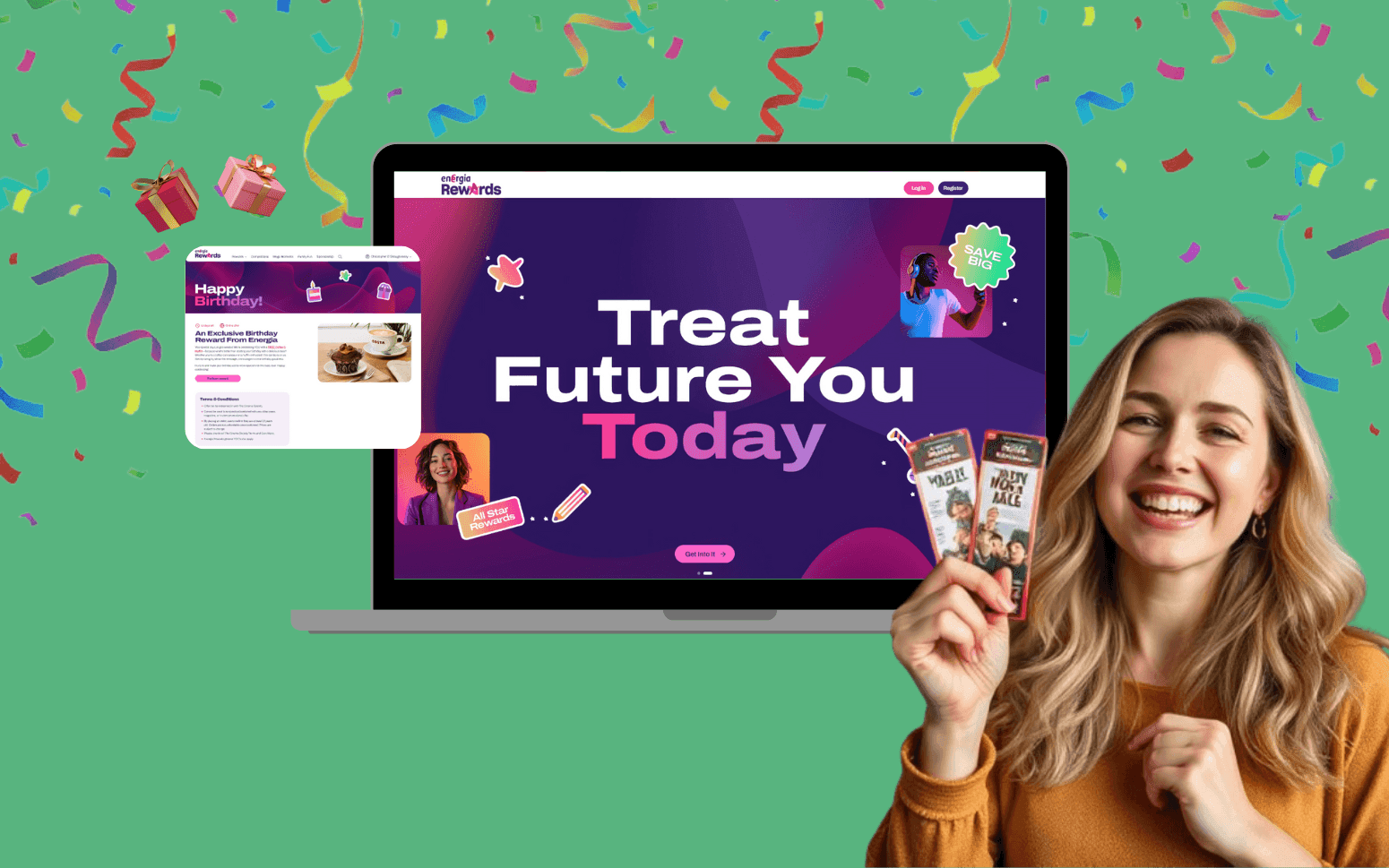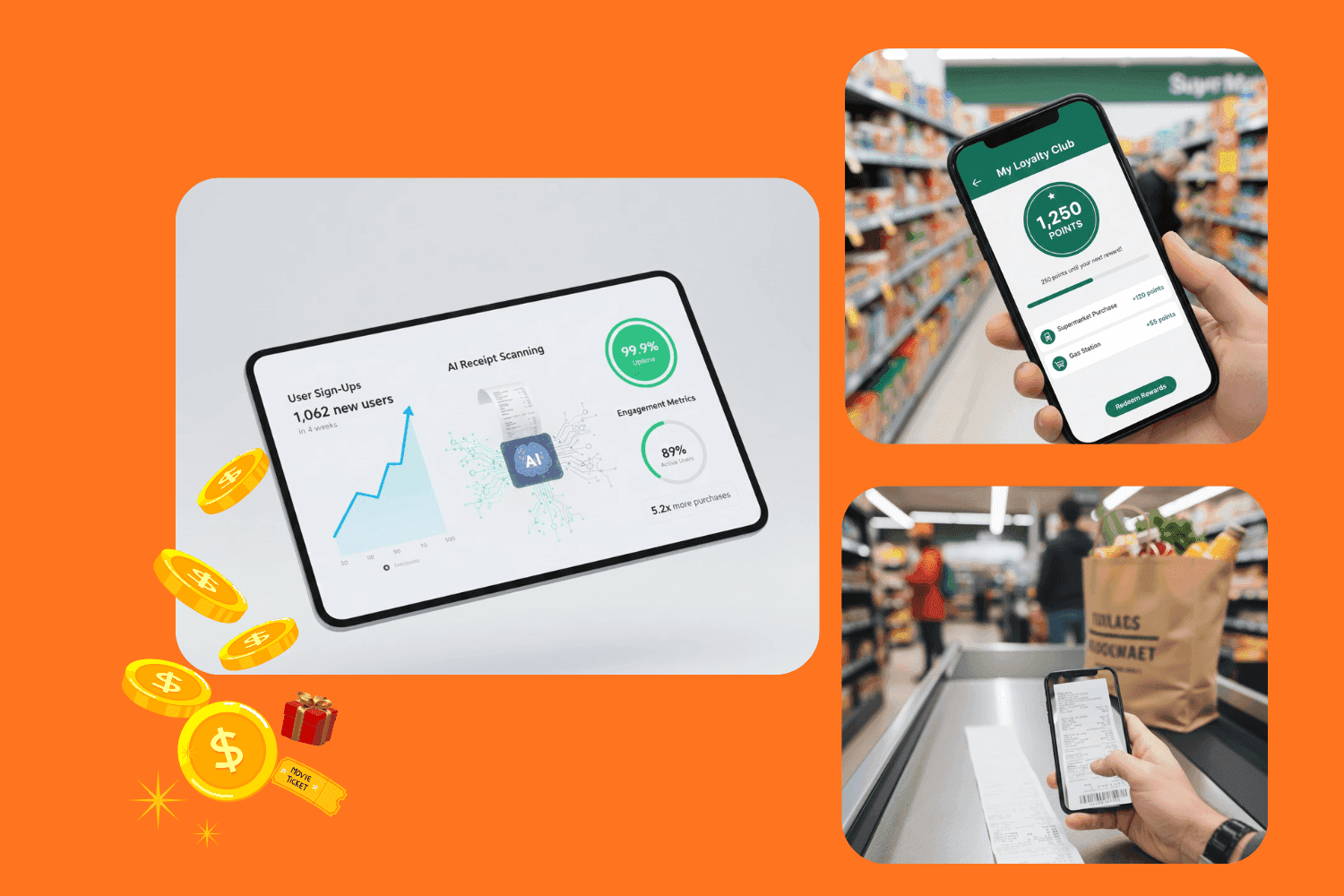
AI OCR Loyalty Platform for SuperValu and Centra
- 1K+
- Users registered in the first four weeks
- 99.9%
- Uptime maintained since launch
Custom marketing technology software for companies building proprietary MarTech products, brands that have outgrown off-the-shelf platforms, and marketing teams that need data and personalisation capabilities the standard stack can't deliver.
Customer data platforms with unified profiles, identity resolution, and real-time segment activation
Loyalty and engagement platforms with custom mechanics, multi-channel redemption, and LTV analytics
Campaign management tools with audience segmentation, A/B testing, and multi-channel orchestration
Personalisation engines for content, offers, and product recommendations at the individual level
The problem
Customer data fragmented across your CRM, e-commerce platform, loyalty system, and ad platforms with no unified profile?
Attribution model in your analytics tool built for generic journeys, not the multi-touch path your customers actually take?
RaftLabs builds custom MarTech software: customer data platforms, loyalty engines, multi-touch attribution, and personalisation systems for brands whose data outgrows Segment, Salesforce, or a standard CDP. We have shipped loyalty and engagement platforms for retail, utility, and consumer brands since 2015. Most launch a validated v1 in 12 to 14 weeks at a fixed cost.
01 Diagnosis
Customer data fragmented across six platforms with no unified profile for personalisation
When a customer's purchase history lives in the e-commerce platform, their email behaviour in the ESP, their loyalty status in a separate system, and their ad interactions in yet another tool, personalisation at the individual level is impossible. The marketing team targets segments rather than people. Every week without a unified profile, your team fires generic campaigns that convert below what targeted ones would. Salesforce's State of Marketing, 10th Edition found that 98% of marketing teams using AI reported at least one data-related barrier to personalisation, including data silos, poor data quality, or unstructured data. A CDP with identity resolution and unified profiles is the infrastructure that makes real personalisation achievable: one profile per customer, fed by every channel, readable by every tool.
Last-click attribution giving all revenue credit to the channel that closes, not the channels that built intent
Every ad platform defaults to attributing the conversion to itself because it captures the last click. Budget decisions end up based on which channels are best at claiming credit rather than which channels actually drive incremental revenue. That misallocated spend compounds every quarter. A custom attribution model built on your actual customer journey data gives you a defensible view of what drives revenue and where the budget should go.
Loyalty programme running on a generic points platform that can't support your specific brand mechanics
Generic loyalty platforms cover points-per-purchase and basic tier structures. When your programme requires behaviour-based earning, coalition partners, or redemption mechanics specific to your brand, the platform forces workarounds that accumulate technical debt and limit what the marketing team can execute. Those constraints mean lost campaign ideas and slower iteration. A custom loyalty platform carries your mechanics and your customer data without the constraints of someone else's data model.
Marketing team unable to act on customer behaviour signals in real time because the data arrives in batch
Batch data pipelines that run nightly mean the marketing team responds to customer behaviour that happened 12 to 24 hours ago. Abandoned cart sequences, win-back campaigns, and behaviour-triggered offers only perform when they fire while the intent is still active. Delayed signals translate directly to lower conversion rates on campaigns that could be working. Real-time event streaming from your customer data layer gives the campaign management tool the signal it needs to act at the right moment.
02 What we ship
Unified customer profiles built from your CRM, e-commerce platform, loyalty system, email, app, and ad platform data. Identity resolution merges anonymous and known profiles across sessions and devices. Real-time event streaming captures behavioural data as it happens. Audience segments activate across your marketing channels: email, paid media, push, and SMS. The result is a data foundation where personalisation and attribution work without patching third-party integrations together.
Loyalty programmes with custom earning mechanics: purchase-based, behaviour-based, social referral, and milestone rewards. Tiered membership with status benefits and personalised offers at each level. Multi-channel redemption across in-store, online, in-app, and partner networks. Campaign management for bonus point offers, targeted promotions, and lapsed-member win-back. LTV analytics show loyalty programme ROI by tier, cohort, and channel. See our Loyalty Programme Development page.
Campaign management platforms for teams running multi-channel marketing across email, SMS, push, paid, and in-app. Audience builder with real-time segment preview against your CDP data. A/B test management with statistical significance tracking. Multi-touch campaign workflows with branching logic based on customer behaviour. Content scheduling and approval workflows. Campaign performance reporting tied to your attribution model rather than last-click defaults.
Multi-touch attribution models built on your actual customer journey data, not the last-click default your ad platforms prefer. Custom attribution windows that reflect your sales cycle. Cross-channel attribution that includes offline and in-store touchpoints. Incrementality measurement validates channel contribution. Cohort analysis covers customer acquisition and LTV. The platform connects to your data warehouse or CDP rather than depending on pixel-based tracking that breaks with cookie restrictions.
Recommendation models trained on your customer behaviour data. Browse, purchase, email engagement, and loyalty redemption signals feed personalised product, content, and offer recommendations in real time. Propensity models predict next-best action for each customer: likely to purchase, likely to churn, likely to upgrade. Personalisation APIs let your email, web, and app platforms call at the point of content rendering. Models produce explainable output your marketing team can understand and act on.
For companies building a MarTech product to sell to other brands: product architecture, API design, multi-tenant data isolation, white-labelling, and integration marketplace development. We build the technical platform so your product team can focus on the marketing use cases rather than infrastructure. This covers CDP-as-a-service, loyalty-platform-as-a-service, and attribution-tool products where the underlying software needs to be reliable enough to sell.
03 How we work
Trusted by
































05 Client voices
Three-year average engagement. Founders and operators describing the work in their own words. No marketing varnish.

 Ireland
RaftLabs was outstanding at addressing our complex platform needs, delivering a stable, high-performance loyalty application that has been genuinely loved by the customers.
06 Why us
07 Questions
Off-the-shelf CDPs handle standard event collection, identity resolution, and audience activation well for most use cases. Custom CDP development makes sense when your data sources include systems the platform doesn't support natively and the integration complexity makes the platform more expensive than building. It also makes sense when your identity resolution logic is specific to your customer model and the platform's default logic produces too many merge errors. If you're building a data product for other companies and need multi-tenant architecture and white-labelling, standard CDP platforms won't cover that. And if your data volume and query patterns make platform pricing prohibitive, building is often the better path. We assess which approach fits your situation before recommending custom development.
Yes. Integration with e-commerce platforms (Shopify, WooCommerce, Magento, custom platforms) and POS systems (Square, Lightspeed, NCR, Oracle Retail) is standard for loyalty projects. The integration approach depends on what API each system exposes. For e-commerce, we typically integrate at the order confirmation event to credit points and at checkout to redeem them. For POS, integration complexity varies. Modern cloud POS systems have clean APIs. Legacy on-premise systems may require middleware. We scope integrations in discovery because they drive project complexity and timeline.
Multi-touch attribution requires two things: complete touchpoint data and a model that assigns credit across those touchpoints. We start by auditing your data collection: which channels are tracked, what events are captured, how sessions and users are identified across channels. Gaps in tracking undermine any attribution model. Once the data layer is clean, we build the attribution model. Rules-based approaches (linear, time decay, position-based) work for simpler use cases. Data-driven models trained on your conversion data produce more accurate credit distribution. The model outputs channel contribution scores that feed your budget allocation decisions.
We've built loyalty platforms for retailers, hospitality groups, restaurant chains, medspa networks, and multi-location service businesses. Loyalty programme complexity ranges from simple points-per-purchase to multi-tier programmes with partner redemption, behaviour-based earning, and coalition mechanics. The engineering scope correlates with programme design complexity. A simple stamp card replacement is a straightforward project. A tiered programme with a branded mobile app, POS integration, and real-time personalised offers is a substantial build. See our Loyalty Programme Development page for the full picture.
Consent is part of the data model, not an afterthought. We capture consent state per channel and per purpose at the point of collection, store it against the unified profile, and enforce it at activation so a suppressed contact never flows to a downstream channel. For GDPR and CCPA, we build data subject access and deletion into the platform: a request propagates across the systems the CDP owns rather than living in a spreadsheet. For email, we maintain suppression lists and honour unsubscribe requests inside the CAN-SPAM window. Where data residency matters, we scope regional storage during discovery.
Go-to-market strategy
ICP definition, positioning, messaging, and launch planning
Marketing attribution platform development
Multi-touch attribution, incrementality testing, cross-channel
Customer data platform development
Identity resolution, unified profiles, audience activation
Loyalty platform development
Points engine, tiers, cashback, multi-channel redemption
Marketing automation platform development
Multi-channel campaigns, lead scoring, journey automation
Referral marketing platform development
Unique tracking links, reward automation, fraud detection
Business Process Automation
Automate campaign scheduling, audience segmentation, lead routing, and performance report generation.
AI Agent Development
Autonomous agents for personalisation, A/B test analysis, and content recommendation at scale.
Loyalty Programme Development
Custom loyalty mechanics that drive repeat purchase and increase customer lifetime value.
Custom Software Development
Custom CDP, campaign orchestration, and attribution platforms built for your data infrastructure and channel mix.
Tell us which marketing data or personalisation problem you're trying to solve. We'll tell you what we'd build.
Useful next steps
Service
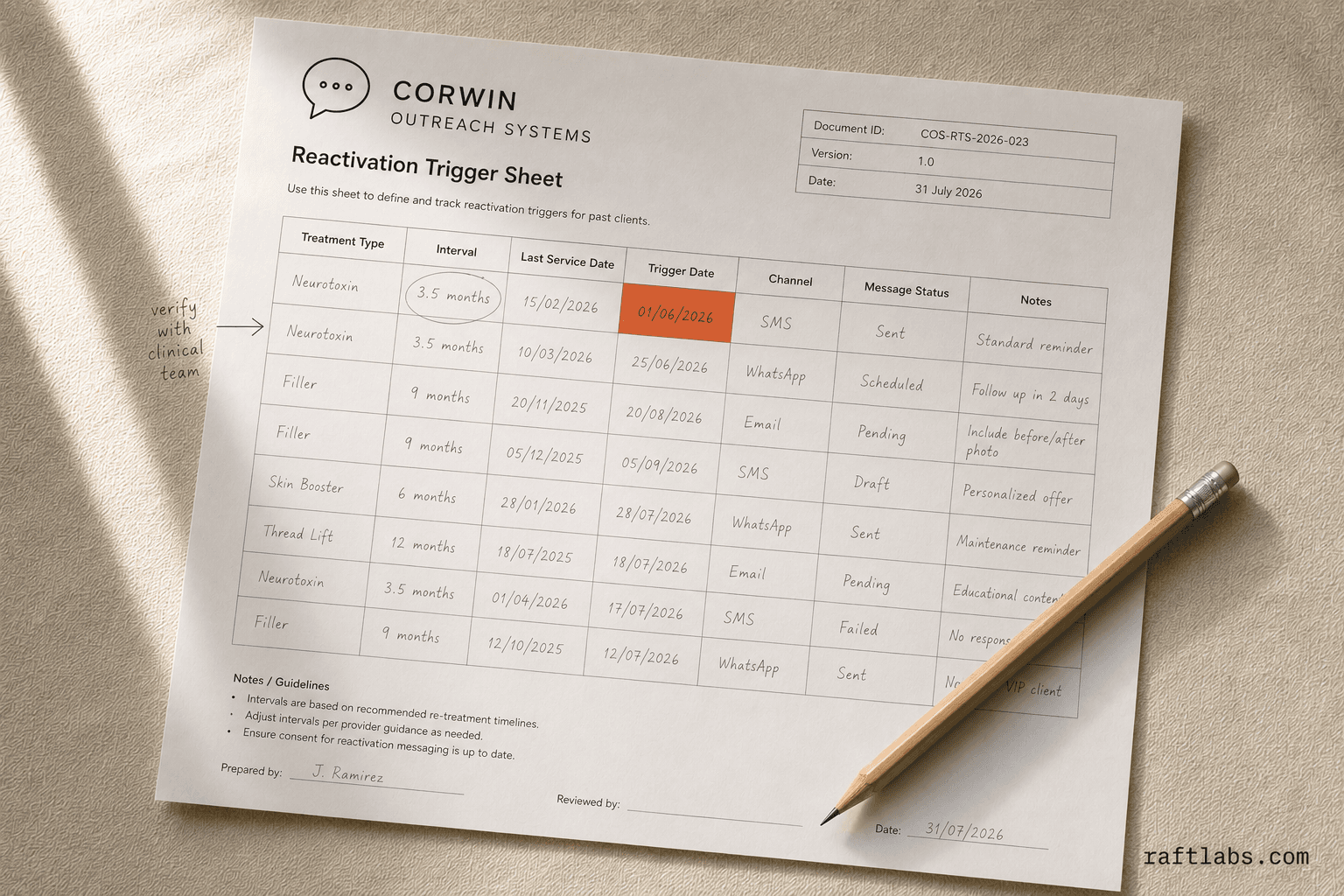
Medspa Marketing Automation Development
See the service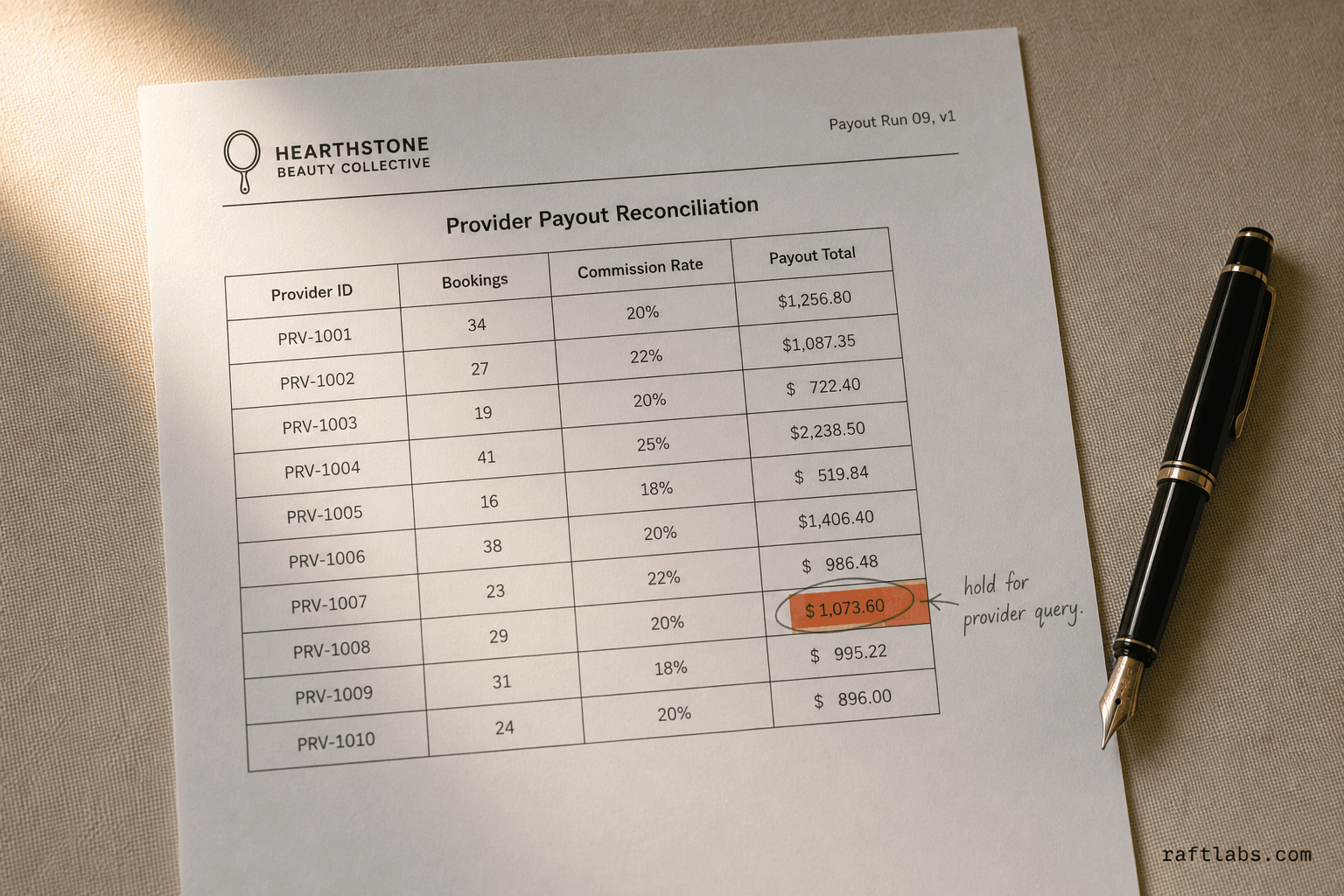
Service
Beauty Service Marketplace Development
See the service
Service
Digital Asset Management Software Development
See the service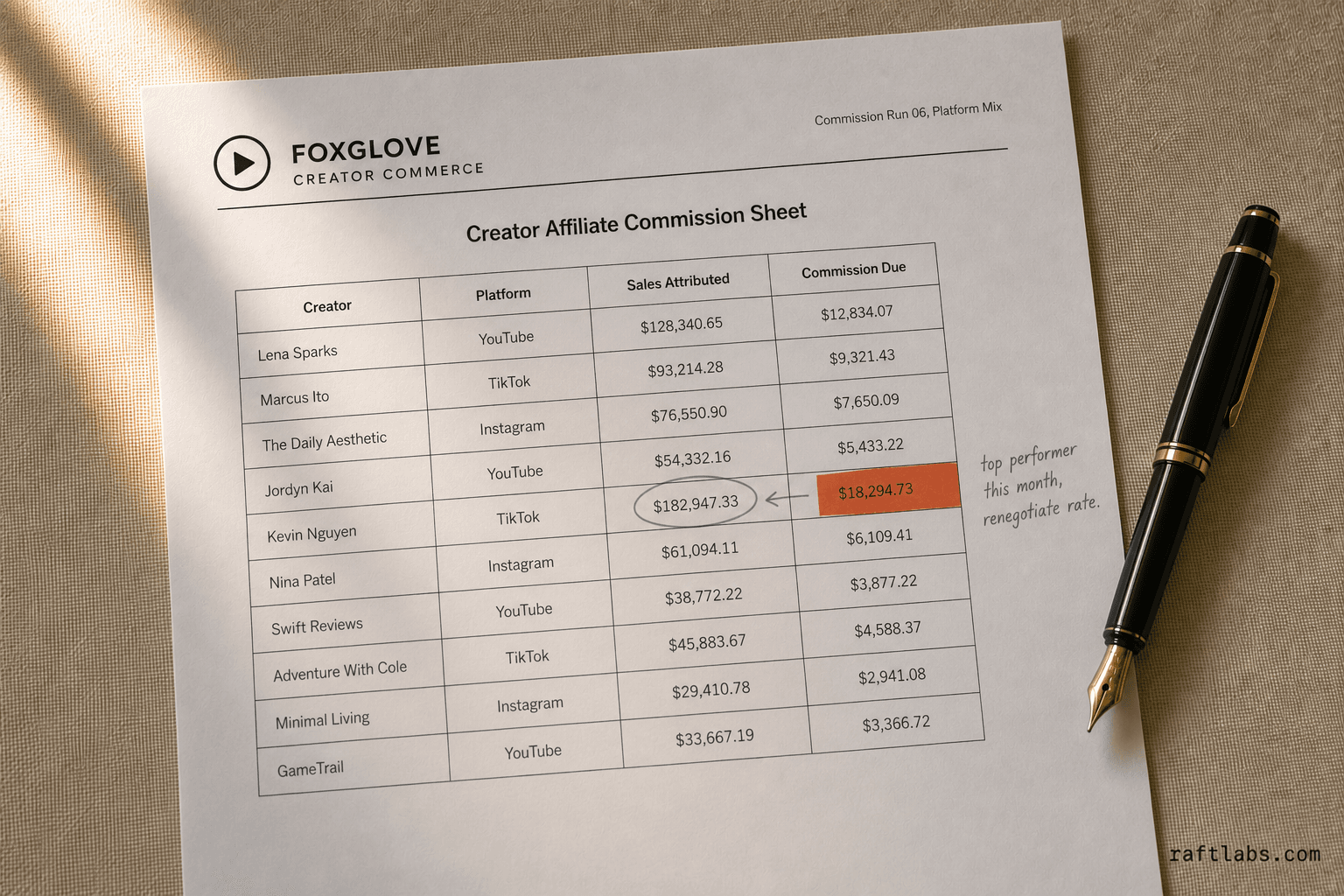
Service
Social Commerce App Development
See the serviceProof
AI phone agents are automating feedback loops via voice interviews
Read the case studyTry it yourself
Build vs Buy Calculator
The real cost of building in-house (most teams miss 40%).
Open the free tool