Artificial Intelligence (AI) in Remote Patient Monitoring

AI in remote patient monitoring (RPM) uses machine learning to analyze continuous data from wearables, CGMs, blood pressure monitors, and pulse oximeters. It detects anomalies that precede deterioration days before symptoms appear, triggering alerts that prevent hospitalization. AI can increase patient adherence by up to 36% and could cut US healthcare costs by $150 billion by 2026 by shifting from reactive to preventive care. RaftLabs has shipped HIPAA-compliant RPM platforms supporting 4 device types across 25+ clinics.
Key Takeaways
- AI in RPM shifts healthcare from reactive to preventive: it flags deterioration days before symptoms appear, giving care teams time to intervene before a hospital admission.
- Machine learning analyzes continuous data from wearables and monitoring devices that no clinical staff ratio can handle manually at scale.
- AI-enabled RPM increases patient adherence to care plans by up to 36%, particularly for chronic disease management like diabetes, COPD, and hypertension.
- The ROI is concrete: AI in healthcare could cut US costs by $150 billion by 2026, with readmission reduction and monitoring scale driving the bulk of that savings.
- HIPAA compliance is not optional: RPM platforms collecting PHI from devices must encrypt data in transit and at rest, log all access, and sign BAAs with every vendor in the chain.
Your patients leave the clinic. Your clinical staff can't watch all of them. And the ones who deteriorate don't always come back before it becomes a crisis.
AI in remote patient monitoring closes that gap. Devices tracking glucose, blood pressure, and cardiac activity generate continuous data. AI models flag deterioration before symptoms appear, giving care teams time to intervene. The healthcare AI market was $11 billion in 2021 and is heading toward $187 billion by 2030, according to Statista. Most of that growth runs through remote monitoring.
This article covers how AI applies in remote patient monitoring today, with real case examples and a frank view of where limitations still exist.
Types of AI in healthcare (and what each one does in practice)
Artificial intelligence (AI) technologies play diverse roles in healthcare, particularly in remote patient monitoring (RPM). Here are key AI technologies advancing RPM:
- Machine learning trains computers to recognize patterns in patient data and make data-driven decisions. It predicts outcomes and personalizes treatments, improving care quality over time.
- IoT and IoMT connect medical devices (sensors, wearables, monitoring equipment) so providers can track patients remotely. This real-time data enables early intervention and proactive care management.
- Robotic process automation handles repetitive administrative tasks like updating records and scheduling appointments. It reduces errors, saves time, and frees clinical staff to focus on patient care.
- Rule-based expert systems apply predefined clinical logic to diagnose conditions and suggest treatment plans based on patient data and symptoms, supporting faster decision-making.
- Natural language processing extracts information from medical documents and powers AI chatbots that help patients access medical information and communicate with providers.
These AI technologies address the core challenges in remote patient monitoring and improve patient outcomes across the care continuum.
What healthcare problems does AI solve?
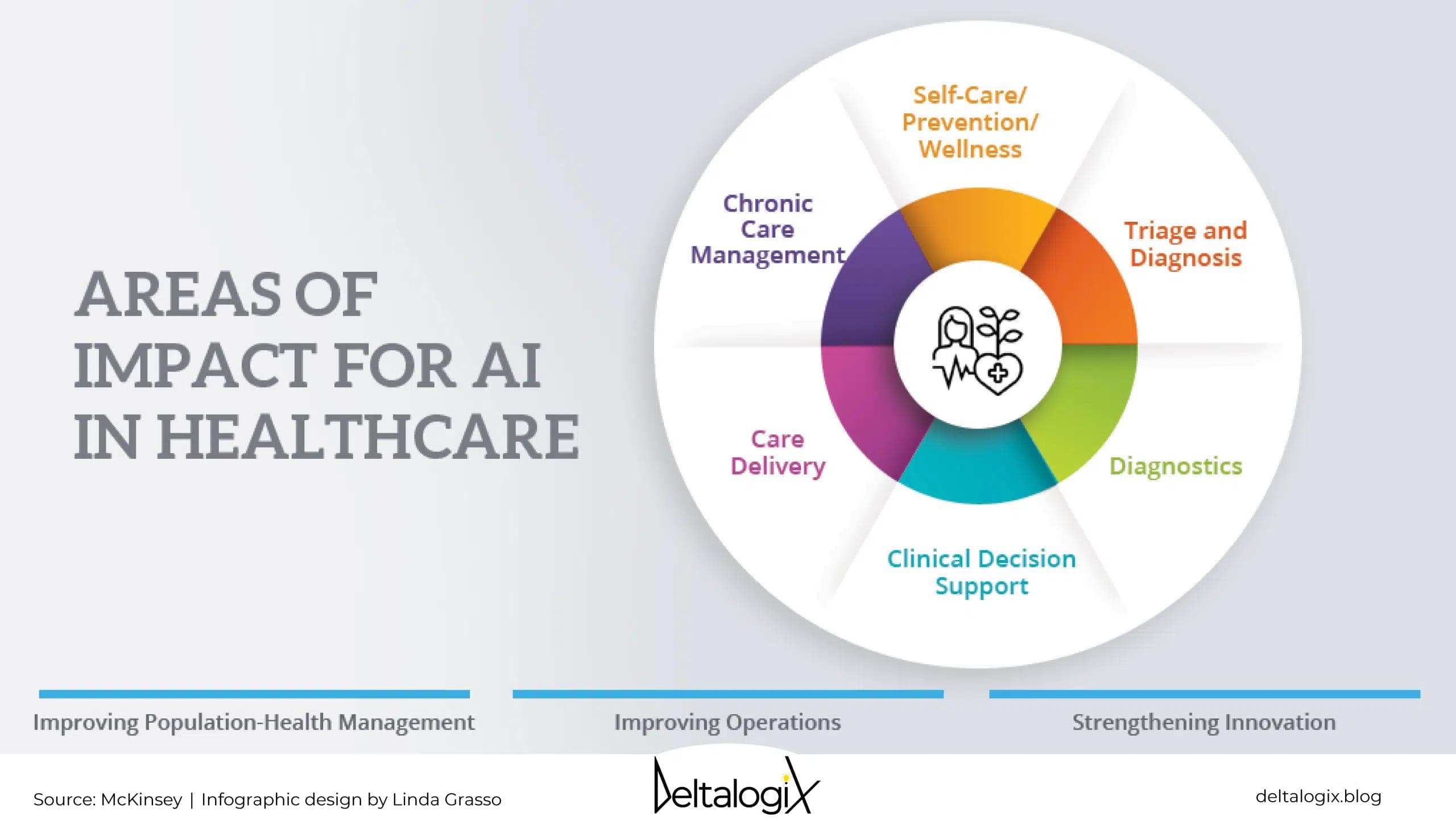
According to Accenture research, AI applications in healthcare could generate $150 billion in annual savings for the US healthcare system by 2026. The biggest drivers are clinical decision support, remote monitoring, and administrative automation - not experimental treatments or speculative applications.
(Source: Link)
Artificial Intelligence (AI) directly improves efficiency and resolves specific healthcare challenges through Remote Patient Monitoring (RPM).
Appointment scheduling and patient registration: AI replaces manual systems with smart scheduling assistants that manage queries, surface available slots, and send automated reminders. Patients book through AI-driven platforms, reducing no-shows and administrative overhead.
Patient check-ins: AI chatbots speed up the check-in process, reduce wait times, and cut manual effort. Fewer errors, higher throughput, and better first impressions for patients arriving at a facility.
Disease diagnosis: telemedicine platforms equipped with intelligent diagnostic tools help clinicians reach accurate diagnoses faster, including in complex cases handled remotely.
Treatment planning: AI algorithms analyze medical history and prior treatment responses to personalize care plans. Clinicians get data-backed recommendations rather than starting from scratch.
Patient health monitoring: chronic care management software, mobile health apps, and wearable devices continuously track patients, particularly elderly patients, and alert care teams before conditions deteriorate.
Medical billing: AI reduces errors in billing by automating code assignment and claim preparation, accelerating reimbursement cycles and cutting administrative hours.
Insurance claim processing: AI analyzes claims data quickly, predicts potential issues, and reduces delays and denials. Processing that used to take days happens in hours.
Patient records management: electronic medical record software delivers fast data retrieval, accuracy, and compliance with HIPAA and GDPR requirements.
AI in healthcare addresses diverse challenges, making it possible to manage complex tasks effectively and deliver continuous patient care. In the next section, we explore AI applications in remote patient monitoring and its impact on improving patient outcomes.
Check out: Our Enterprise AI Development Services tailored to business requirements.
Real applications of AI in RPM
This section explores the power of AI in remote patient monitoring and highlights real-life examples that showcase its immense potential.
The new era of personalized healthcare
AI in remote patient monitoring has ushered in a new era of personalized healthcare. AI algorithms can create individualized patient care and treatment plans by analyzing vast amounts of patient data, including medical history, vital signs, and lifestyle choices.
Real-life Example #1
A patient with diabetes can use an AI-powered remote patient monitoring system that tracks their blood glucose levels, physical activity, and dietary habits. Based on the data, the AI algorithm recommends personalized meal plans and exercise routines, leading to better glycemic control and reduced risk of complications.
Early detection of complications
AI in remote patient monitoring enables early detection of primary care health issues, sometimes identifying them before they show noticeable symptoms. In remote patient monitoring, AI algorithms continuously analyze patient data to identify subtle changes in vital signs or symptoms that may indicate potential health risks.
Real-life Example #2
A patient with severe heart issues uses an AI-driven remote monitoring device that tracks their heart rate, blood pressure, and respiratory rate in real-time.
The AI algorithm detects irregular patterns in the patient’s vital signs, signaling the possibility of an impending heart failure exacerbation. In this scenario, a qualified healthcare professional receives an alert. The healthcare provider can then adjust the patient’s medication and prevent hospital admission promptly.
Predictive analytics for disease progression
(Source: Link)
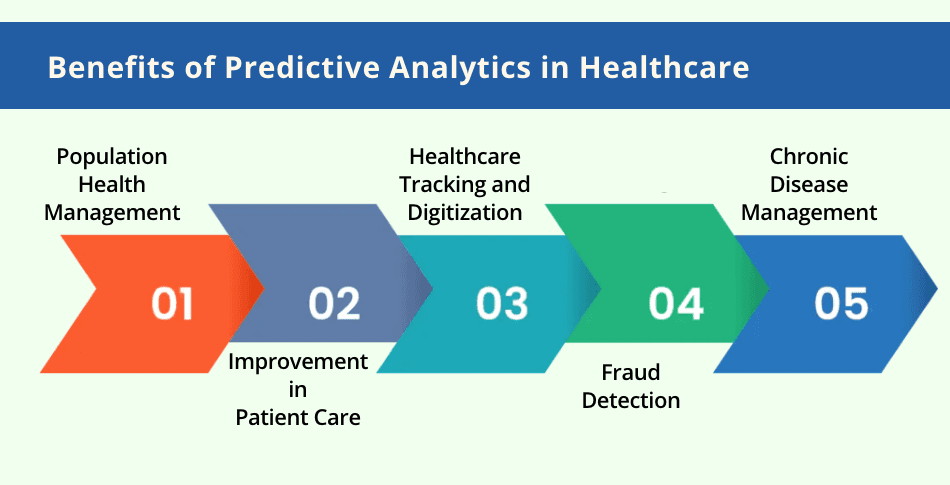
Vital signs such as temperature, pulse, respiratory rate, and mean arterial pressure are continuous predictors of emergency department visits. AI-powered predictive analytics are crucial in remote patient monitoring by forecasting disease progression and potential complications.
These algorithms analyze historical patient data, current health metrics, and other relevant factors to predict the likelihood of certain health events occurring in the future.
Real-life Example #3
A patient with chronic obstructive pulmonary disease (COPD) uses an AI-enabled remote pulse oximeter device. The RPM device tracks lung function, oxygen levels, and respiratory symptoms. The AI algorithm analyzes the collected data and identifies patterns indicating a higher exacerbation risk.
The patient’s healthcare team receives an alert, allowing them to adjust medication and provide timely interventions, thereby preventing severe respiratory episodes and hospitalizations.
This illustrates AI’s predictive capabilities in enhancing RPM by identifying potential complications before they escalate. Predictive measures lead to improved patient outcomes and a higher quality of life for individuals managing chronic conditions.
Patient and provider perspectives on AI
(Source: Link)
Patients' point of view
A survey by Morning Consult revealed that about 70% of US adults have concerns about the increased use of AI in healthcare. Baby Boomers showed the most concern at 77%, followed by Gen X at 70% and Millennials and Gen Z at 63%.
Most people prefer important healthcare tasks to be led by medical professionals rather than AI, with 84% preferring a provider to prescribe pain medication, 80% for diagnosing a rash, 71% for reading a scan, and 69% for managing a patient's diet.
Perceptions differ by medical specialty. Parents are mainly concerned about diagnostic errors and incorrect treatment recommendations in computer-assisted healthcare for children.
However, many parents see benefits such as rapid diagnosis and catching early symptoms that might be missed by humans. The majority of parents are comfortable with AI in scenarios like determining the need for antibiotics, radiograph interpretation, and bloodwork.
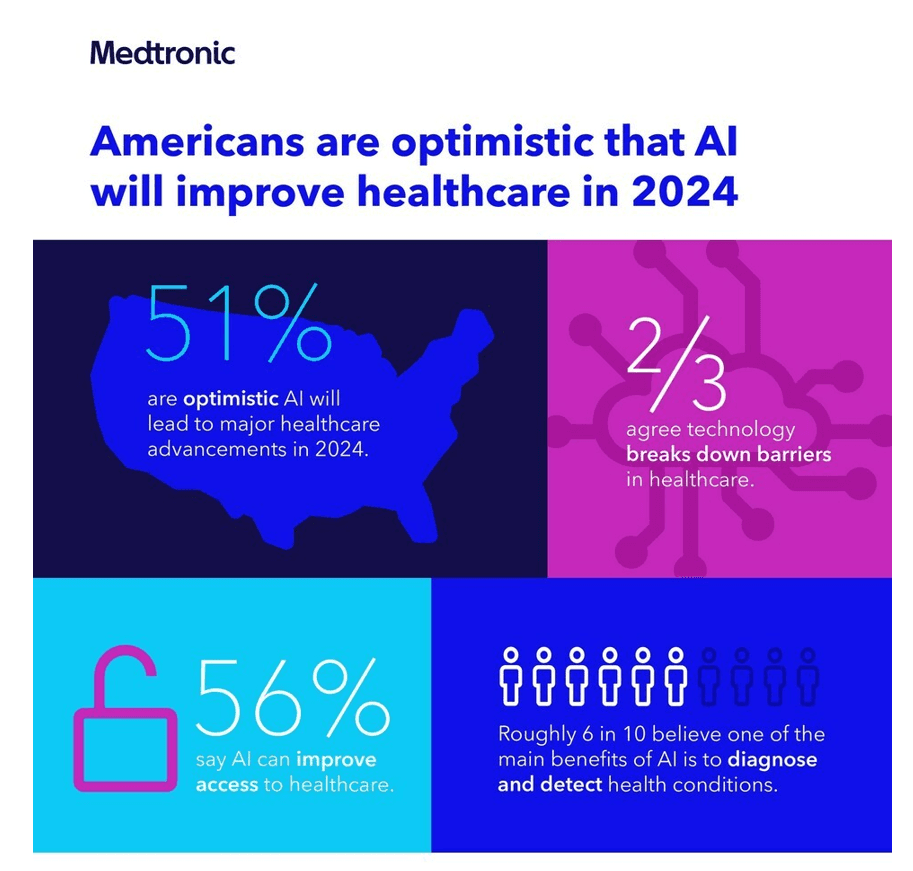
Overall, children and youth generally have a positive view of artificial intelligence (AI) in healthcare, showing significant knowledge and a desire to be involved in AI research and deployment. Across demographics and specialties, patients believe AI will improve healthcare in the long term.
Provider and medical student perspectives
Providers' perspectives on AI are critical for patient trust and outcomes. If providers do not trust AI tools, patients are unlikely to feel comfortable with them.
Acceptance of AI involves balancing multiple factors, such as the perceived loss of professional autonomy and difficulties integrating AI into clinical workflows. Including end-users in early development stages and providing appropriate training improves AI acceptance rates.
A study by Researchgate shed some light on how professionals feel. Radiologists and medical students are particularly concerned about healthcare AI. Concerns among medical students and interns include the impact of AI on their specialty choice and the need for AI training in medical school curricula.
Recruitment challenges in radiology arise due to AI concerns, with some medical students believing AI could make the specialty obsolete. Researchers argue that misinformation about AI contributes to these challenges and emphasize AI's potential to support radiologists and advance the field.
How can healthcare providers get the most from AI in RPM?
Remote patient monitoring (RPM) plays a very important role in managing patient health and making interventions when needed. For a better understanding of RPM, one should get to the basics of remote patient monitoring and how it works. By gaining the full potential of AI in RPM, healthcare providers can:
Upgrade RPM systems with predictive analytics and personalization models that go beyond threshold-based alerts.
Build data pipelines that turn raw RPM data into clear signals clinicians can act on, not dashboards that require interpretation.
Automate routine monitoring tasks so clinical staff can focus on patients who need hands-on attention.
Extend reach into underserved areas: AI-enabled telehealth connects patients where in-person specialists are not available.
Treat every patient outcome as a data point. Feed results back into the model to sharpen accuracy over time.
Some of the frequently asked questions about RPM can help us understand more about it and how it can be used with AI integration. In the next section, we will discover how AI-enabled RPM helps improve healthcare delivery. It also gives us a basic overview of the triple aim in healthcare and how it is achieved.
How AI-enabled RPM can improve healthcare delivery
(Source: Link)
Healthcare has three main goals: improving the care experience, enhancing health outcomes, and reducing costs, known as the Triple Aim of Healthcare. Achieving these goals can be challenging for people even if they successfully know how to build a healthcare app or have existing healthcare solutions, but AI offers a solution.
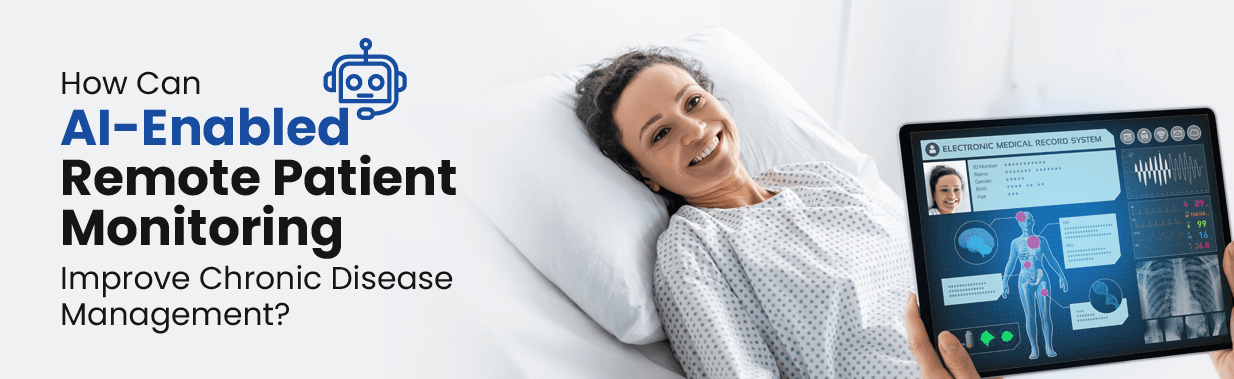
AI can help healthcare organizations better use their data, redefining care delivery and making it easier to achieve the triple aim. One key AI tool is remote patient monitoring (RPM), which uses digital technology to monitor patients' vitals and health data outside traditional healthcare settings.
This tech securely sends health information between patients and providers, leading to better clinical decisions, better telehealth services, earlier interventions, and more preventive care. Top RPM apps enabled with AI support patient enrollment, engagement, and education, ensuring adherence and reducing administrative work.
Promoting clinical efficiency
AI-enabled RPM gathers data passively, allowing clinicians to focus on diagnosing, educating, and treating patients, thus improving productivity and care efficiency.
Clinicians no longer need to request health status information frequently or wait for the next visit to adjust care plans. Instead, constant health data transmission highlights critical cases, enabling preventive and personalized care.
Delivering better outcomes
"Remote monitoring with AI-driven analytics is the single most effective tool we have for catching deterioration before it becomes a hospitalization event. The technology is mature. The barrier now is clinical workflow integration, not AI capability."
-- Eric Topol, MD, Founder and Director, Scripps Research Translational Institute, author of Deep Medicine
RPM shifts healthcare from reactive to value-based preventive care by providing continuous data access. This matters most for patients with chronic diseases like hypertension, heart failure, diabetes, and obesity.
Studies show RPM significantly lowers blood pressure, reduces heart attack and stroke rates, and improves blood glucose levels and weight reduction. AI-enabled RPM can also increase patient adherence by up to 36%, helping clinicians spot trends and adjust care plans and other telehealth services for better outcomes.
Reducing costs
With rising chronic disease rates and healthcare costs, AI-enabled RPM is the future of healthcare delivery. It meets the triple aim by reducing hospitalizations, deaths, and per-patient costs. A study by ScienceDirect shows that AI in healthcare can potentially cut down healthcare costs in the US by $150 billion by 2026 by shifting from reactive to proactive health management.
Achieving the Triple Aim
AI and RPM together enable earlier detection of health issues, quicker interventions, fewer emergency room visits, and reduced hospitalizations. This enhances healthcare provider support, improves patient outcomes, boosts financial performance, and addresses complex healthcare challenges.
How RaftLabs helps healthcare teams get past the barriers

(Source: Link)
Healthcare organizations face real barriers when implementing AI and RPM: integration complexity, data quality gaps, and clinical adoption resistance. These are solvable problems, but they require a partner who has built these systems before.
RaftLabs has shipped AI-powered health monitoring products for telehealth platforms and chronic care providers. We know where the gotchas live and how to build around them.
Building healthcare solutions with RaftLabs
At RaftLabs, we've built AI and RPM platforms for telehealth providers and chronic care clinics. Here's what we build:
Machine learning: we develop models that analyze large datasets, automate routine tasks, and reduce clinical errors.
Predictive analytics: we build forecasting models that help healthcare organizations anticipate patient trends and adjust care protocols before problems escalate.
Computer vision: we develop image and video analysis capabilities for object recognition and anomaly detection in clinical settings.
Natural language processing: we build medical AI chatbots and sentiment analysis tools that improve patient communication and documentation workflows.
Custom AI: we build solutions to each client's specific operational context, not generic templates applied to healthcare.
Remote patient monitoring: we develop RPM applications that connect with existing healthcare systems to enable continuous monitoring and reduce in-person visit burden.
Case Studies:
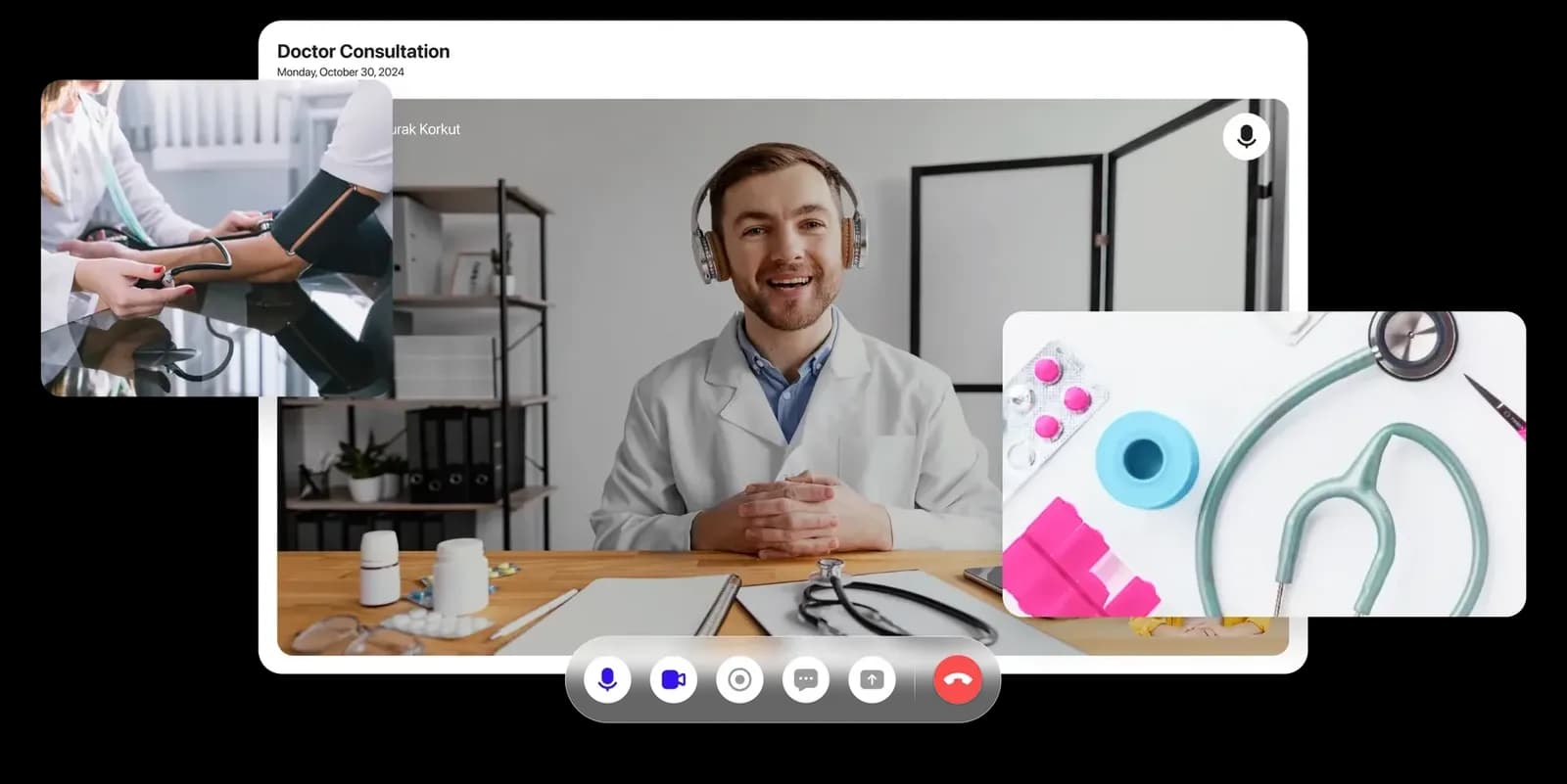
Outcome: 30% increase in patient engagement, 50+ clinics onboarded in 12 weeks, and a 60% reduction in in-person visits.
Client Testimonial: "The app is a lifesaver! Now I see my doc for checkups without leaving the house." - John Miller, Patient.
2. Remote Patient Monitoring App
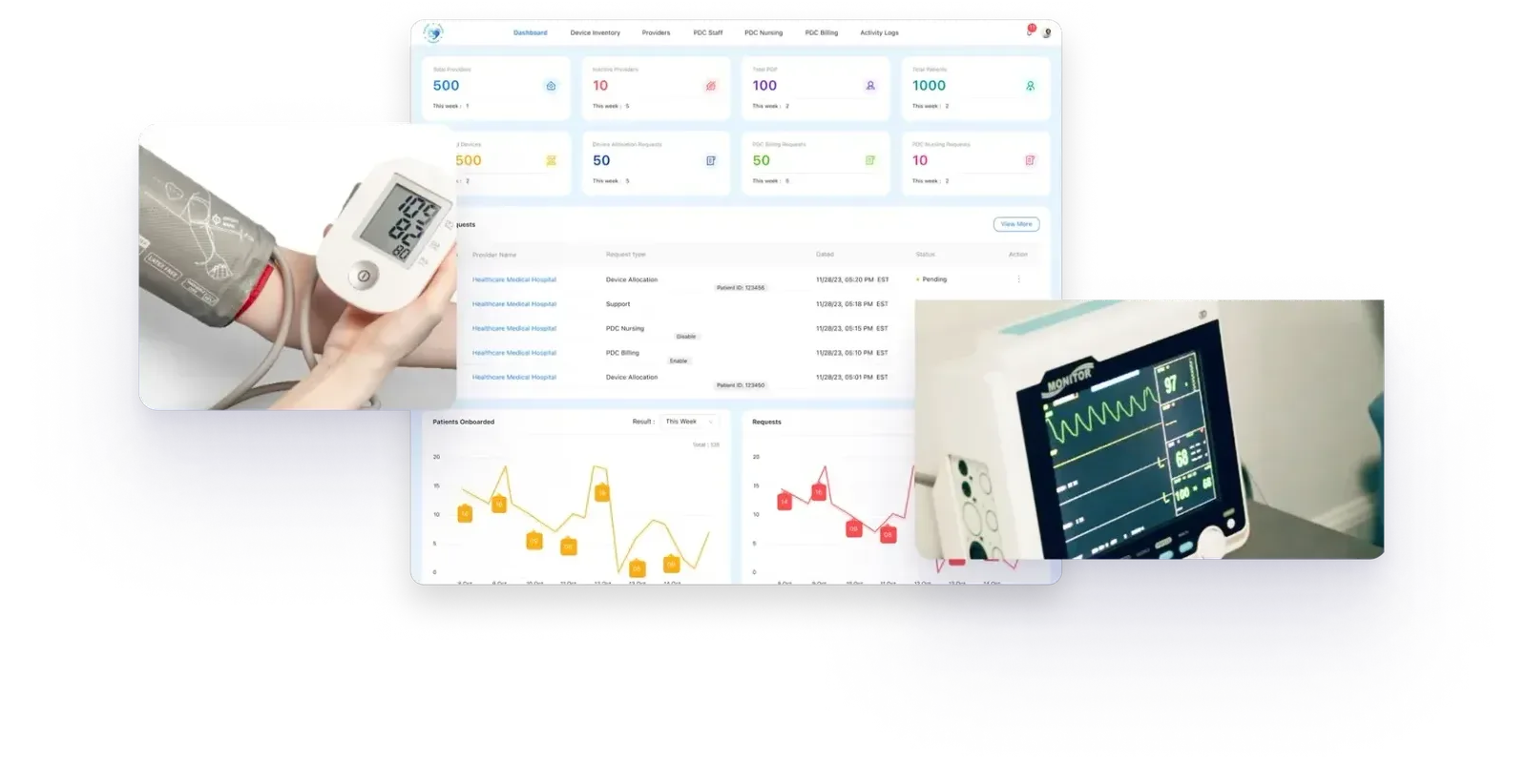
Outcome: Support for 4+ devices like CGM and BPM, 25+ clinics enrolled in 60 days, and 100% secure and HIPAA compliant.
Client Testimonial: "PDC is great for our clinic. It's easy to use, and it helps us communicate better with patients." - Dr. Smith, Primary Care Physician.
Where AI in healthcare is heading
AI in healthcare is not hype. It's already deployed and measurable. The near-term trajectory matters more than distant predictions. According to Statista, the AI in healthcare market was $11 billion in 2021 and is heading toward $187 billion by 2030. Most of that growth runs through remote monitoring and clinical decision support.
Three directions are clear based on current clinical evidence and early deployments:
First, predictive analytics is moving from retrospective reporting to real-time intervention. Models that previously flagged deterioration after the fact are now triggering alerts early enough to prevent hospital readmission.
Second, AI-assisted diagnostics is expanding beyond radiology. Dermatology, pathology, and ophthalmology are seeing FDA-cleared AI tools with documented accuracy rates comparable to specialists.
Third, ambient monitoring via wearables and IoMT is reducing the cost per patient-day of chronic disease management. Continuous low-cost monitoring replaces episodic high-cost checkups.
RaftLabs’ focus in healthcare AI
At RaftLabs, our healthcare AI work focuses on problems with clear ROI: reduced readmissions, lower monitoring costs, and faster clinical decision loops. Here is how we contribute:
What we build:
Predictive analytics tools - We build models that help healthcare providers identify deterioration risk before it triggers an emergency. Fewer readmissions, better resource allocation.
Personalized treatment support - We build data pipelines that surface patient-specific context at the point of care, so providers spend less time searching records and more time making decisions.
Diagnostic tooling - We develop AI-assisted image analysis and data review tools that reduce diagnostic turnaround, particularly useful for high-volume screening workflows.
RPM applications - We have shipped RPM platforms supporting 4+ device types (CGM, BPM, oximeters) with HIPAA-compliant data handling and real-time alert routing to clinical staff.
Telehealth platforms - We integrate AI capabilities into telehealth systems to automate triage, summarize visit notes, and flag required follow-ups. This cuts the administrative load that causes clinician burnout.
Administrative automation - We use RPA and AI to handle claims processing, appointment scheduling, and records management. Healthcare staff get back to patient care.
RaftLabs has shipped healthcare software used by 50+ clinics. If you are evaluating an AI or RPM build, start with a scoped diagnosis of the problem before committing to a full platform.
AI in healthcare is not a future promise. It's operational today in the systems described throughout this article. The ROI is clearest in chronic disease monitoring, early complication detection, and administrative automation.
If you are building or procuring AI-enabled RPM software, the decisions that matter most are: what data to collect, how to route alerts, and how to integrate with the clinical workflows your staff already use. Get those three right and the technology works. Get them wrong and even the best AI model delivers noise instead of signal.
Talk to RaftLabs about scoping an AI or RPM build for your specific care setting.
Frequently asked questions
- AI in remote patient monitoring involves using artificial intelligence technologies to collect, analyze, and interpret patient health data from remote devices. This helps healthcare providers make informed decisions, predict health trends, and offer personalized care without the patient needing to be physically present.
- AI enhances patient outcomes by continuously analyzing health data to detect anomalies, predict potential health issues, and provide early warnings. This proactive approach allows for timely interventions, better management of chronic conditions, and personalized treatment plans, ultimately improving overall patient health.
- AI can analyze a wide range of health data, including vital signs (like heart rate, blood pressure, and glucose levels), activity levels, sleep patterns, and other biometric information. It can also interpret data from wearable devices, electronic health records (EHRs), and patient self-reports.
- Yes, patient data is secure in properly built RPM systems. Reputable RPM platforms use full-stack encryption in transit and at rest, with strict access logging. HIPAA compliance in the US and GDPR in Europe set the legal floor - any platform collecting PHI must meet both.
Ask an AI
Get an instant summary of this post from your preferred AI assistant.