- Platform
- Android STB Apps and Admin Web App
- Duration
- 18 weeks
- Industry
- Entertainment
- Read time
- 4 min
Short answer
RaftLabs built a custom Android content delivery app for ULT Movies, an Indian film distributor, enabling weekly digital releases to 4,000 small-screen theaters via Android set-top boxes. The platform includes offline playback for theaters with unreliable internet, reducing infrastructure costs by 60% and increasing average watch time by 45% compared to the physical film reel model. Built with GoLang, AWS, and SQL Server, the platform was delivered in 18 weeks and maintains 99% uptime across all connected screens.
ULT Movies is one of India's leading film rights distributors. Their network: 4,000 small-screen theaters equipped with Android set-top boxes, spread across the country including many remote locations with unreliable internet.
Their distribution model relied on physical film reels. Every time they licensed a new film, they coordinated physical delivery to hundreds of locations. Theaters received content late, missed new releases, and had no way to access on-demand titles. The distributor had no visibility into what was being watched or how often.
They came to us with a straightforward goal: replace the reel system with a digital platform that could push weekly film releases to every Android set-top box in their network, handle the realities of poor connectivity in remote locations, and give the distribution team a central dashboard to manage it all.
We delivered in 18 weeks. Infrastructure costs dropped 60%. Average watch time increased 45%. The platform now runs at 99% uptime across 4,000 screens.
before & after
What changed
- Weekly releases relied on physical film reel delivery to each theater location
- Remote theaters in poor connectivity areas received content late or not at all
- Distributors had no visibility into what was being watched or how often
- Limited content variety due to the cost and logistics of physical reel distribution
- No way to quickly update or add content without physical intervention
- Each theater operated independently with no centralized management
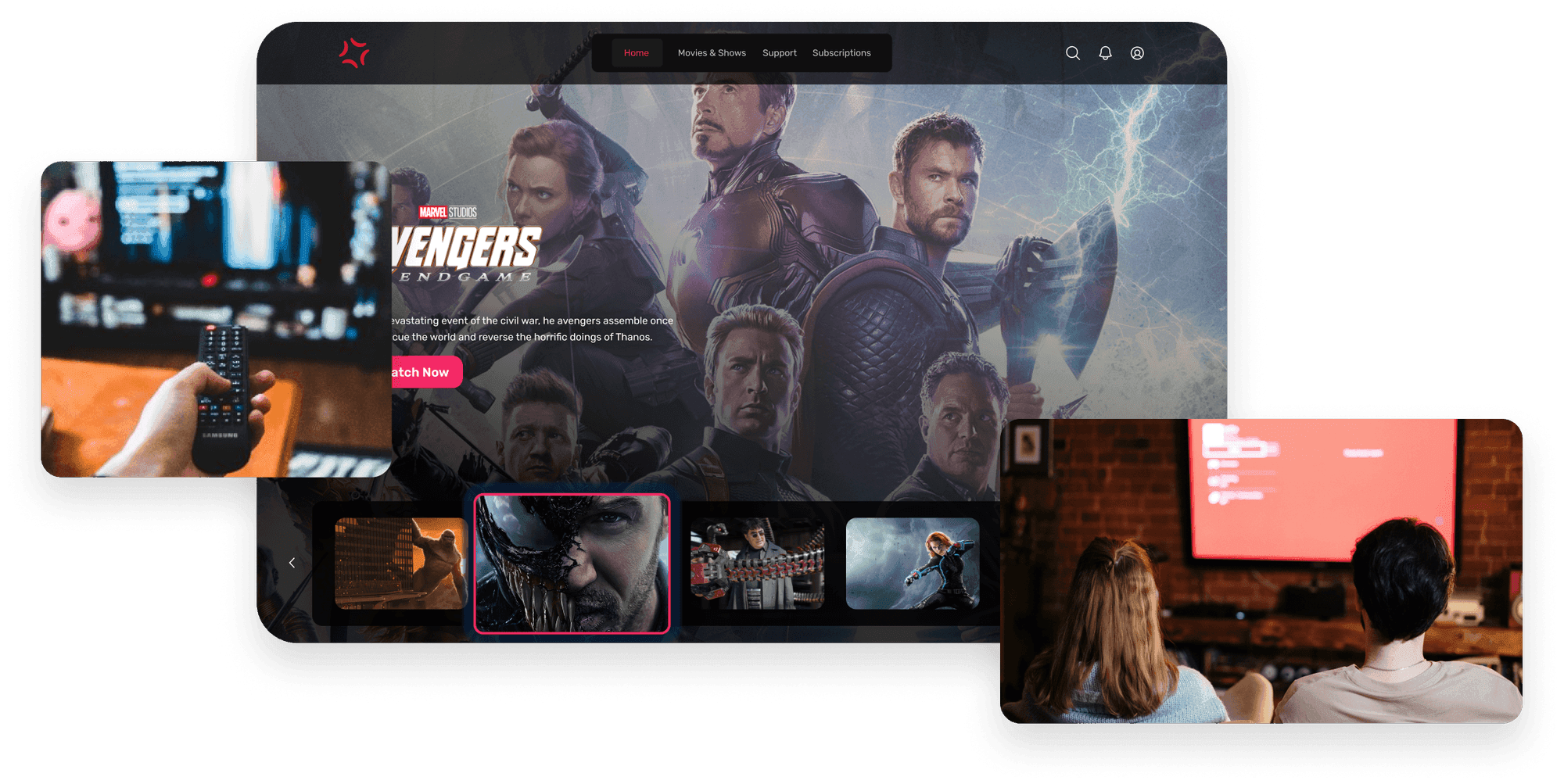
- New releases arrive at every theater digitally, every week, with no physical logistics
- Offline playback cache lets theaters download content in advance for areas with poor internet
- Distributor dashboard shows viewership data across all 4,000 screens in real time
- Content catalog updates happen instantly from the central admin panel
- Theaters always have the latest releases available, regardless of internet reliability
- Billing and subscription management handled through the same system
What we had to solve
- 01
Content delivery when internet is unreliable
Standard streaming fails in low-bandwidth environments. Many theaters in ULT's network sit in areas where internet connectivity is intermittent or slow. We built an intelligent caching system that lets theaters download the week's content during off-peak hours, overnight or during slow periods, so they can play it back without an active internet connection. The theater operator never has to think about connectivity. The app handles the download window automatically.
- 02
Protecting digitally distributed film content
Physical film reels are difficult to duplicate. Digital files are not. Moving a distributor from physical reels to digital delivery means building content protection from day one. We implemented encryption and access controls so content stored on the set-top box cannot be extracted or played outside the authorized device. Each screen's license is tied to its hardware ID, and content expires automatically when the license period ends.
outcomes
What we achieved
Physical film reel distribution required logistics coordination, physical transport, and storage at every location. The cost per release was significant at 4,000 screens.
The distributor had no digital channel to their theater network. Every new release required coordinating physical reel delivery to each location individually.
Theaters could only show what they had received physically. Delays in delivery meant some locations offered outdated content, reducing audience engagement.
Distributing content across hundreds of locations and hitting logistics limits?
the build
What we built
The system has two sides: the Android app that runs on each theater's set-top box, and the admin panel the distributor uses to manage content and subscriptions.
Non-technical theater operators select a film and press play, nothing else to manage
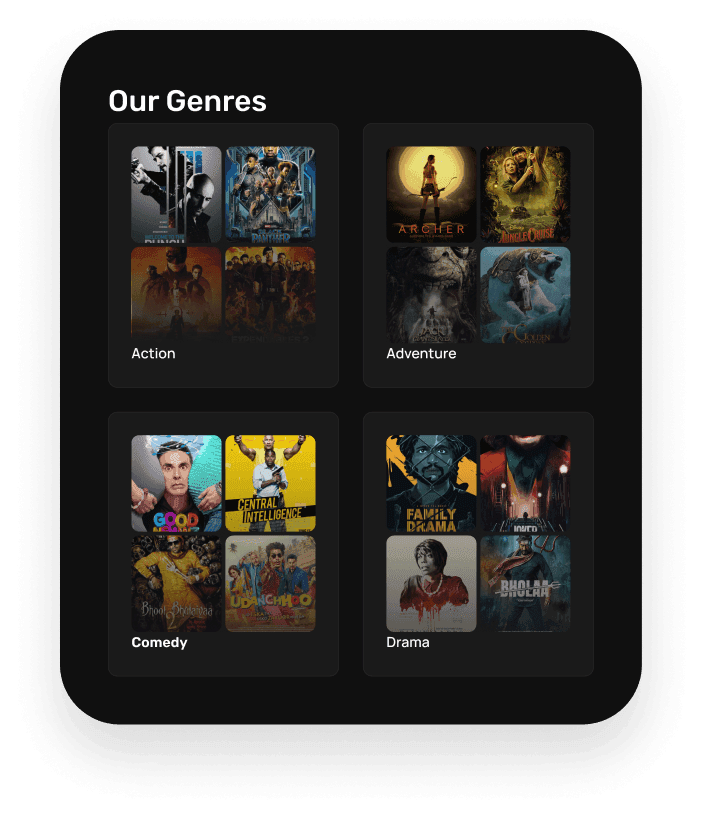
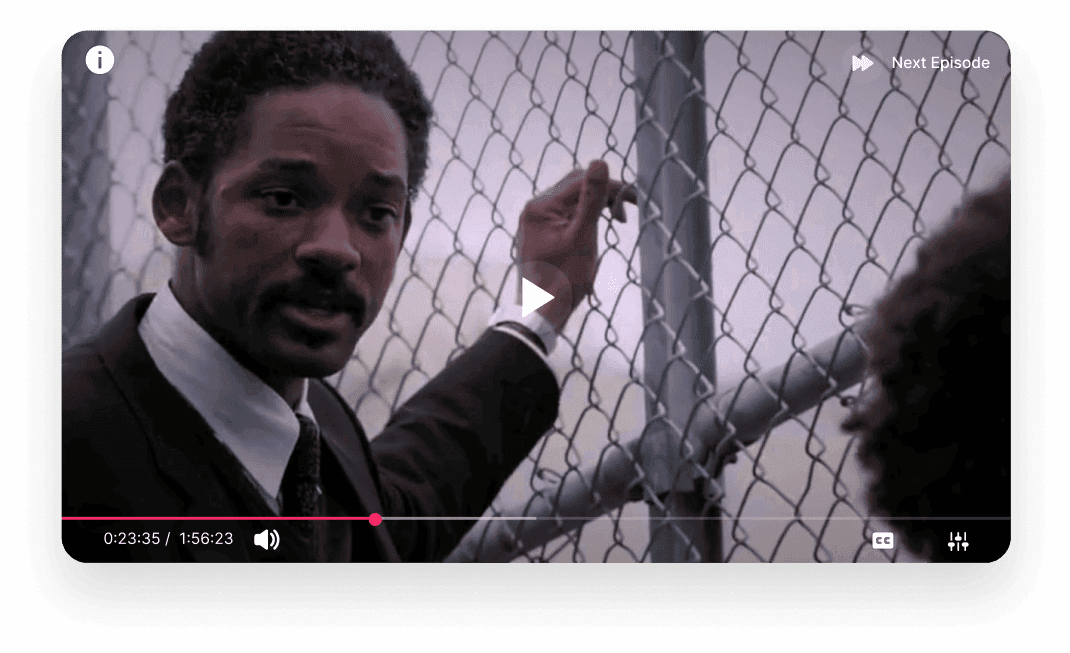
The STB app is designed for theater operators who are not technical. A clean grid shows available films with poster art. The operator selects a film and plays it. No accounts to manage, no complex settings. The app handles everything else, including downloads, license checks, and content expiry, in the background.
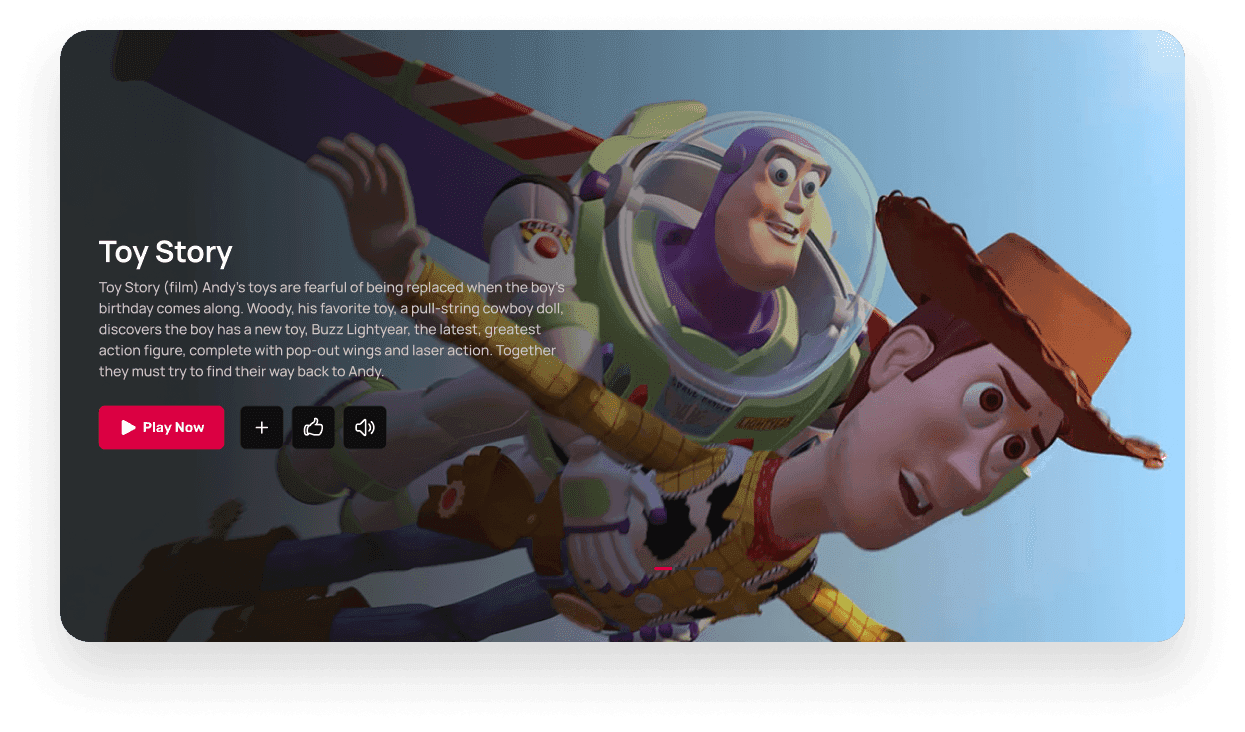
New releases arrive on every device before the theater opens, no manual update
Every week, the distributor publishes a new batch of releases through the admin panel. The app on each STB checks for updates automatically and queues downloads during off-peak hours. By the time the theater opens, the week's new releases are already on the device and ready to play.
Films keep playing even when the internet drops mid-screening
Content is downloaded and cached on the device so playback works without an internet connection. If connectivity drops during a screening, the film keeps playing. This was the core technical challenge for theaters in remote areas where internet stability cannot be guaranteed.
Distributors see which titles perform across 4,000 screens, data that didn't exist before
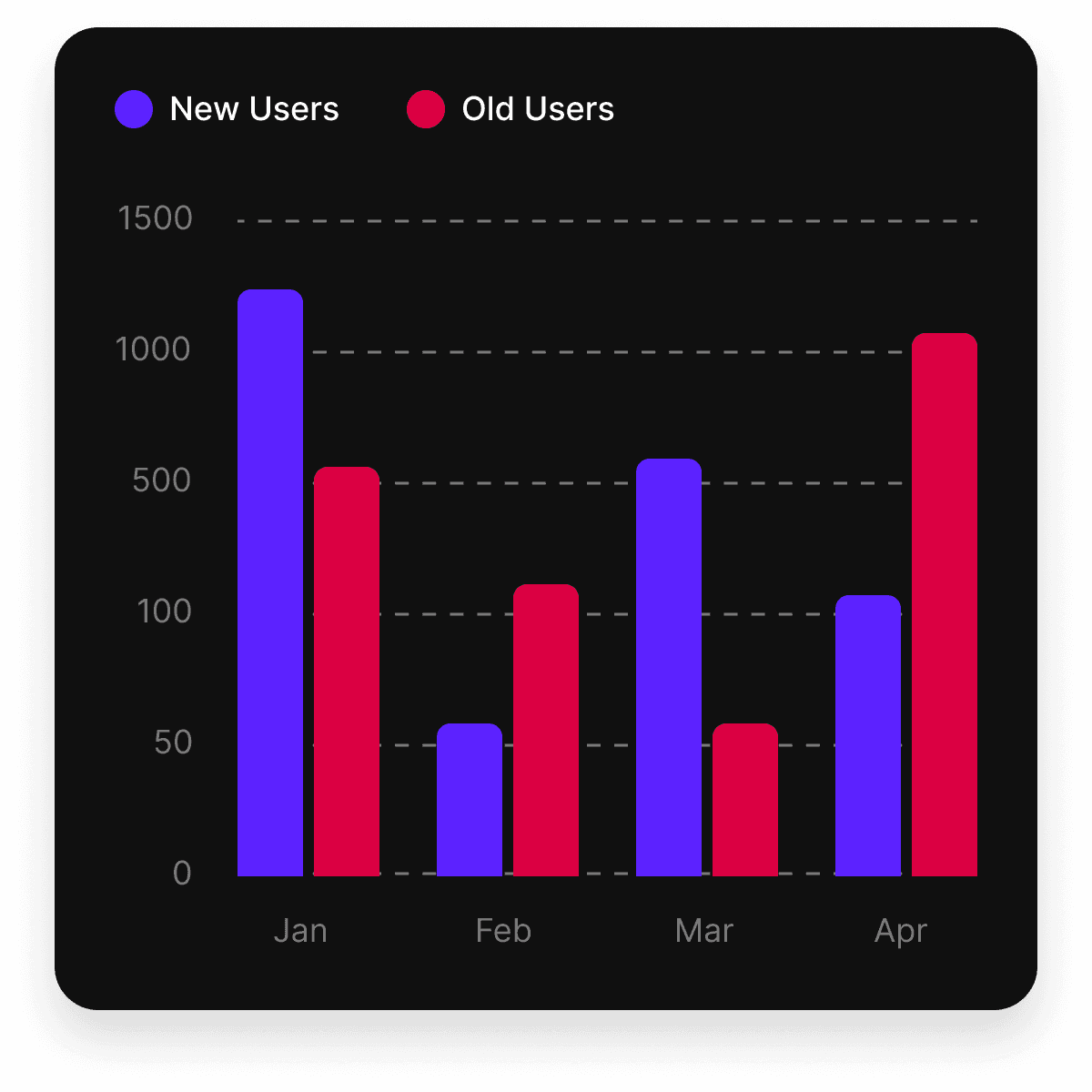
The admin panel tracks movie viewership trends across all 4,000 screens. The distributor can see which titles are most watched, which theaters have the most engagement, and how viewing patterns shift week to week. This data was not available at all under the physical reel model.
Engagement
How we worked together
- 01Weeks 1–2
Discovery and scoping
We map the problem before writing code. Two weeks of technical audit, stakeholder interviews, and prototype, so both teams align on scope and risk before sprint one. - 02Ongoing
Two-week Agile sprints
Each sprint ends with working software, not a status update. You review a real build, request changes, and approve before we move forward. No surprises at handover. - 03Ongoing
Daily async updates
Slack for daily progress, Asana for task visibility, weekly video calls for decisions. You have full visibility without needing to attend every meeting. - 04Final
Handover and warranty
Full code handover with deployment runbooks and documentation. Thirty-day warranty period for production issues at no extra cost.
stack
Why we chose this stack
- 01GoLangThe backend handles thousands of simultaneous connections from 4,000 set-top boxes checking for new content and reporting playback analytics. Go handles high-concurrency workloads efficiently without the memory overhead of heavier runtimes.
- 02AWSContent delivery to 4,000 devices across India needed a global CDN and reliable cloud infrastructure. AWS handles both with 99% uptime and a delivery network that covers the geographic spread of ULT's theater network.
- 03SQL ServerThe distributor's billing system and content catalog already ran on SQL Server. Building on the same database technology simplified integration with their existing infrastructure and reduced the learning curve for their internal team.
Have further questions?
The app downloads content during off-peak hours when the connection is available, usually overnight. Once downloaded, the content is cached on the set-top box and plays back without any internet connection. Theater operators do not have to manage the download process manually.
Each piece of content is encrypted and tied to the specific set-top box's hardware ID. Content cannot be extracted or played on a different device. License periods are enforced automatically: content expires when the license ends, without any manual intervention from the distributor.
The admin panel shows viewership data across all connected screens: which films are being watched, how long each screening runs, which theaters are most active, and which titles underperform. The distributor can also manage the content catalog, set release dates, and control billing from the same interface.
18 weeks from kickoff to a live platform deployed across the full 4,000-screen network. The Android STB app, admin web panel, content delivery infrastructure, and offline caching system were all delivered in that timeline.
Yes. The architecture, an Android STB app with offline caching, central admin panel, and content rights management, applies to any regional content distributor working with hardware-equipped venues. The technical challenges (unreliable connectivity, digital rights protection, central control over a large screen network) are not unique to India.